
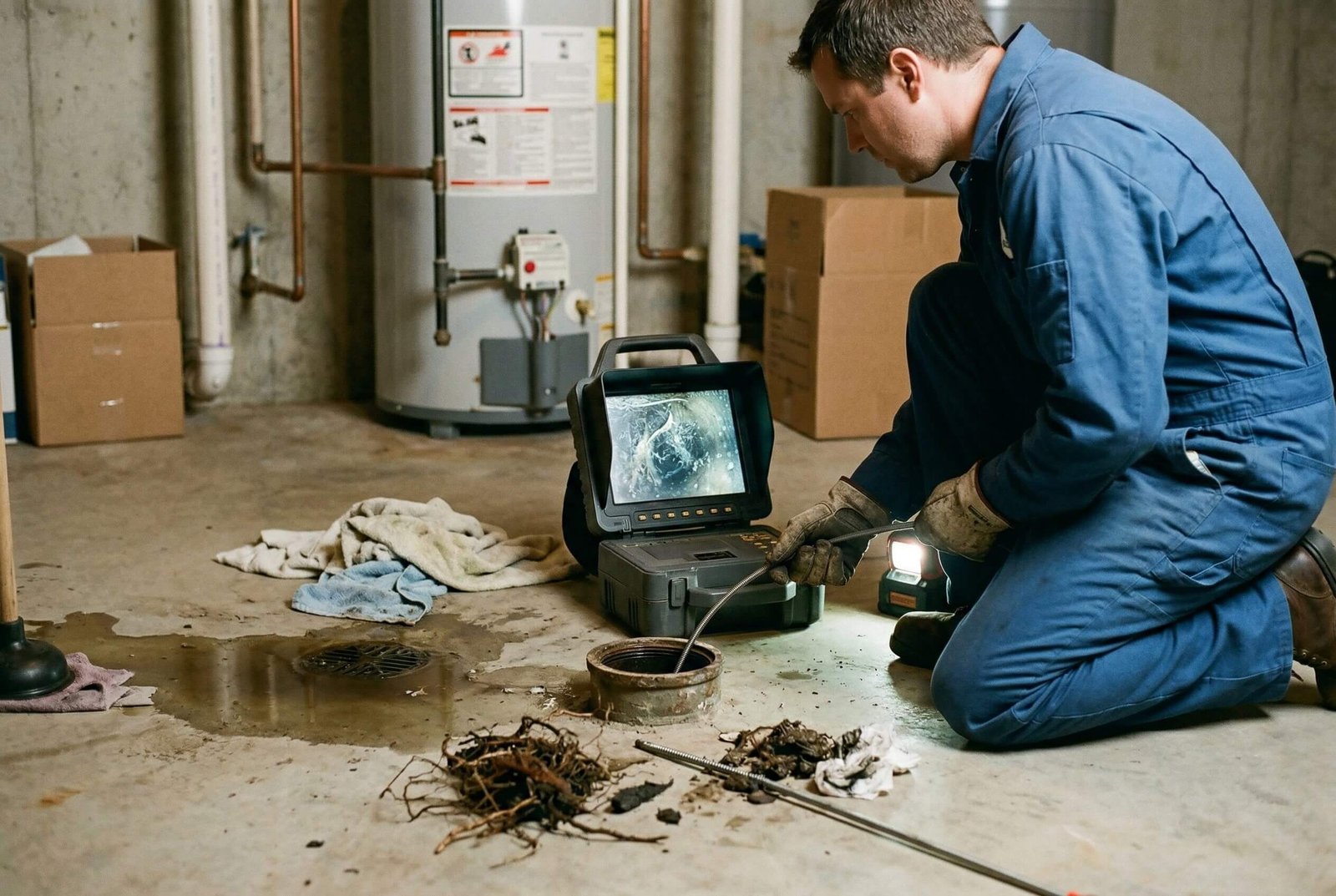
A clogged main sewer drain is one of the most serious plumbing problems a homeowner can face. Unlike a simple sink or shower clog that affects a single fixture, a blockage in the main sewer line can impact the entire plumbing system of the house. When the main sewer drain becomes restricted, wastewater from toilets, sinks, showers, dishwashers, and washing machines has nowhere to go. Instead of flowing safely out to the municipal sewer system or septic tank, that water can begin backing up into the home.
Many homeowners first notice something unusual before realizing the main sewer line is the source of the issue. Drains may start slowing down across multiple bathrooms, toilets may make strange bubbling sounds, or water may appear in places it should never be — such as a basement floor drain or a bathtub after flushing a toilet. These warning signs often indicate that wastewater is struggling to move through the main sewer pipe that carries all household waste away from the property.
Understanding the signs and causes of a clogged main sewer drain is essential because the symptoms can easily be mistaken for smaller plumbing issues. What appears to be a clogged sink or slow shower drain may actually be the early stage of a much larger sewer blockage forming deep within the plumbing system or outside in the yard. Recognizing the patterns of how drains behave when the main sewer line is blocked helps homeowners understand what is happening inside their pipes.
In U.S. homes, the main sewer line is designed to handle wastewater from every plumbing fixture in the house. Because so many drains depend on this single pipe, problems in the main sewer line often show up as multiple drain issues happening at the same time. Toilets, bathtubs, sinks, and floor drains may all begin reacting differently when the main line cannot carry waste away properly.
This article explains how the main sewer drain works, the most common warning signs of a clog, and the underlying causes that lead to sewer line blockages in residential plumbing systems. By understanding how plumbers diagnose these problems and where clogs commonly occur, homeowners can better recognize when a drain issue may actually be a main sewer line problem rather than a simple fixture clog.
What This Page Covers
ToggleUnderstanding the Main Sewer Drain in a Home
What the Main Sewer Drain Does
The main sewer drain is the central pipe responsible for carrying all wastewater out of a home. Every time a toilet is flushed, a sink is used, or a shower drains, that wastewater travels through a network of smaller pipes before entering the main sewer line. From there, the water flows away from the property toward either the municipal sewer system or a private septic tank.
In most U.S. homes, dozens of plumbing fixtures rely on this single drain line to remove wastewater safely. This includes fixtures such as:
-
Toilets
-
Bathroom sinks
-
Kitchen sinks with garbage disposals
-
Bathtubs and showers
-
Washing machines
-
Dishwashers
-
Basement floor drains
Because every drain eventually connects to the same sewer pipe, the main sewer drain functions as the primary exit route for all household wastewater. If this pipe becomes partially or completely blocked, wastewater cannot leave the home efficiently. As pressure builds inside the drain system, water begins searching for the lowest point where it can escape, which is why backups often appear in bathtubs, showers, or basement drains.
Unlike individual fixture drains that only serve one appliance or sink, the main sewer drain affects the entire plumbing system of the house.
How Household Drains Connect to the Main Sewer Line
Inside a home, wastewater does not flow directly from each fixture into the main sewer pipe. Instead, plumbing systems are designed using a branch drain system.
Each plumbing fixture connects to a small drain pipe. These smaller pipes then merge with slightly larger pipes as they move through the house. Eventually, all these branch drains combine into the main building drain, which then connects to the main sewer line exiting the home.
A typical drain path might look like this:
-
Water leaves a fixture (sink, toilet, or shower).
-
It enters a fixture drain pipe.
-
That pipe connects to a branch drain serving multiple fixtures.
-
Branch drains feed into the main building drain.
-
The building drain connects to the main sewer line leaving the house.
This system allows wastewater from many parts of the home to move efficiently through the plumbing network. However, it also means that when the main sewer drain becomes clogged, all connected fixtures may begin to show symptoms.
For example, a homeowner might notice that flushing a toilet causes water to rise in a nearby bathtub. This happens because both fixtures share the same branch drain that ultimately feeds the main sewer line.
Where the Main Sewer Drain Is Usually Located
The main sewer drain typically exits the home at the lowest level of the plumbing system. Its location varies depending on the design of the house.
In many homes, the main sewer line is found in one of these areas:
-
Under the basement floor
-
Beneath a crawl space
-
In the foundation wall where the pipe exits the home
-
Underground in the yard between the house and the street sewer connection
Most homes also have a sewer cleanout access point, which allows plumbers to inspect or clear blockages. This cleanout may be located:
-
In the basement near the foundation wall
-
Outside along the home’s foundation
-
In the yard between the home and the street
-
Near the property line where the sewer connects to the city system
The main sewer line usually slopes downward away from the house so gravity can move wastewater through the pipe without mechanical assistance.
Difference Between Branch Drains and the Main Sewer Line
Understanding the difference between branch drains and the main sewer line is important when diagnosing plumbing problems.
Branch drains serve individual areas of the home. For example, a bathroom sink, toilet, and shower may all share the same branch drain before connecting to the main line.
Branch drains typically handle wastewater from:
-
A single bathroom
-
A kitchen sink and dishwasher
-
A laundry area
-
A group of fixtures on one floor
A clog in a branch drain usually affects only the fixtures connected to that specific pipe.
For example:
-
A bathroom sink clog may only affect that sink.
-
A shower clog may only affect the shower.
-
A clogged kitchen drain may affect the kitchen sink and dishwasher.
However, the main sewer line sits at the bottom of the entire plumbing system. Every branch drain eventually feeds into this pipe. Because of this, a blockage in the main sewer drain can cause symptoms across multiple areas of the house at once.
Typical indicators that the problem is in the main sewer drain include:
-
Several drains backing up simultaneously
-
Water appearing in a bathtub when a toilet is flushed
-
Basement floor drains overflowing
-
Gurgling sounds from multiple fixtures
When these symptoms appear together, plumbers often suspect that the blockage is located in the main sewer line rather than an individual fixture drain.
How Wastewater Moves Through a Home’s Drain System
Gravity Flow in Residential Plumbing
Most residential plumbing systems in the United States rely entirely on gravity to move wastewater through drain pipes. Unlike water supply pipes that depend on pressure to deliver water into fixtures, drain systems are designed so that water flows downhill through a carefully sloped network of pipes.
Every drain pipe inside a home is installed with a slight downward slope. This slope allows wastewater to move naturally from higher plumbing fixtures toward the main sewer line. When a toilet is flushed or a sink is drained, gravity pulls the water through the pipes without requiring pumps or mechanical assistance.
Plumbers carefully calculate pipe slope to ensure proper flow. The standard slope for many residential drain pipes is about ¼ inch per foot of pipe. This slope is steep enough to move water and waste efficiently while still allowing solid waste to remain suspended in the water as it travels through the pipe.
If pipes are too flat, wastewater can move too slowly, allowing debris to settle inside the pipe. If the slope is too steep, water may rush ahead while solids remain behind. Both situations can eventually contribute to clogs in branch drains or the main sewer line.
Because gravity is the main force moving wastewater, any restriction in the pipe can quickly disrupt the entire flow system.
How Toilets, Sinks, and Showers Feed the Main Line
Each plumbing fixture in a home connects to the drain system through a fixture drain pipe. These pipes carry wastewater away from the fixture and direct it into larger branch drains that serve multiple fixtures in the same area.
A typical bathroom, for example, often has three fixtures connected to the same branch drain:
-
Toilet
-
Sink
-
Bathtub or shower
When any of these fixtures are used, wastewater travels through the fixture drain and into the shared branch pipe. That branch pipe then carries the wastewater toward the main building drain, which ultimately connects to the main sewer line leaving the home.
Other areas of the home follow similar patterns. Kitchen sinks, garbage disposals, and dishwashers typically share a branch drain. Laundry machines may connect to another branch drain that eventually feeds the main sewer line.
Because these systems combine multiple fixtures into larger pipes, the main sewer line eventually carries wastewater from every plumbing fixture in the home simultaneously. During times of heavy water usage, such as when showers, toilets, and washing machines are all operating, the main sewer line may be transporting large volumes of wastewater at once.
When the main sewer drain becomes partially blocked, this normal flow pattern begins to change. Water moving through the pipes encounters resistance and starts to slow down. As pressure builds in the pipes, water may begin searching for other pathways, sometimes causing unexpected backup in nearby fixtures.
Role of Vent Pipes in Proper Drain Flow
Drain systems require more than just pipes and gravity to function properly. They also depend on a network of vent pipes that regulate air pressure inside the plumbing system.
Vent pipes extend upward through the home and typically exit through the roof. These pipes allow air to enter the plumbing system, which prevents pressure imbalances as wastewater moves through the drain lines.
Without proper venting, several problems could occur:
-
Water may drain slowly
-
Drains may make gurgling sounds
-
Water traps may lose their seal
-
Sewer odors may enter the home
As wastewater flows through the pipes, it pushes air ahead of it. Vent pipes allow that air to escape while also allowing fresh air to enter the system behind the flowing water. This balanced airflow helps wastewater move smoothly through the drain pipes and into the main sewer line.
When a main sewer clog begins forming, pressure changes inside the drain system can cause unusual sounds or drain behavior, such as bubbling toilets or gurgling sinks. These sounds often occur because air is being forced through water traps as the system struggles to maintain proper airflow.
What Happens When Flow Is Restricted
A healthy drain system allows wastewater to move continuously through pipes and out of the home. When a restriction forms in the main sewer line, that flow becomes disrupted.
Partial blockages can slow the movement of wastewater. In these cases, water may still drain from fixtures but much more slowly than normal. As more water enters the system, the pipes may temporarily fill before eventually draining away.
As the clog grows larger, the pipe’s capacity to carry wastewater decreases. At this stage, several noticeable symptoms may begin appearing throughout the house.
Common behaviors of a restricted sewer line include:
-
Multiple drains slowing down at the same time
-
Toilets making bubbling or gurgling sounds
-
Water backing up into tubs or showers
-
Wastewater appearing in basement floor drains
-
Drain odors becoming more noticeable
If the blockage becomes severe enough, wastewater may no longer be able to pass through the pipe at all. When this happens, any additional water entering the plumbing system must go somewhere. Because drain systems always follow the path of least resistance, the water may begin rising through the lowest fixtures in the home.
This is why bathtubs, showers, and basement drains are often the first places where sewer backups appear when the main sewer drain becomes clogged.
Signs of a Clogged Main Sewer Drain
A clogged main sewer drain rarely appears suddenly without warning. In most cases, the plumbing system begins showing several noticeable symptoms as wastewater struggles to move through the sewer line. Because the main sewer pipe carries waste from every fixture in the home, problems in this line often cause multiple plumbing fixtures to behave unusually at the same time.
Understanding these warning signs is important because they help homeowners distinguish between a simple drain clog and a much larger sewer line blockage. When several drains begin acting strangely together, it often indicates that the restriction is located somewhere in the main sewer line rather than inside an individual fixture drain.
Multiple Drains Backing Up at Once
One of the most common signs of a clogged main sewer drain is when several drains begin backing up simultaneously. Because all branch drains eventually feed into the same sewer pipe, a blockage in the main line prevents wastewater from leaving the home efficiently.
Instead of draining normally, water begins accumulating inside the pipes. As pressure builds, wastewater may start pushing back toward fixtures in different parts of the house.
Homeowners may notice situations such as:
-
The toilet backs up while the shower is running
-
The bathtub fills with water when the washing machine drains
-
The kitchen sink gurgles when a bathroom sink is used
-
Multiple fixtures begin draining slowly at the same time
When plumbing problems affect multiple areas of the home, plumbers typically suspect a blockage in the main sewer line rather than a localized clog.
Toilets Bubbling or Gurgling
Toilets often provide some of the earliest warning signs of sewer line problems. Because toilets connect directly to large drain pipes, pressure changes inside the plumbing system can cause noticeable reactions inside the toilet bowl.
When a main sewer clog begins forming, homeowners may hear unusual sounds such as:
-
Bubbling in the toilet bowl
-
Gurgling noises after flushing
-
Air bubbles rising through the water
-
Water level briefly rising or falling
These sounds usually occur because air trapped inside the drain pipes is being forced through the toilet trap. When wastewater cannot move freely through the sewer line, air pressure builds and must escape somewhere in the system.
Since toilets have large open traps, they often become the place where that air pressure releases.
Water Backing Up Into the Shower or Tub
Another common symptom of a clogged main sewer drain is water appearing in the bathtub or shower when other fixtures are used. This happens because bathtubs and showers typically sit at lower elevations than sinks and toilets in the plumbing system.
When wastewater cannot pass through the main sewer line, it begins traveling backward through the pipes until it reaches the lowest available drain opening.
For example, a homeowner may observe situations like:
-
Flushing a toilet causes water to appear in the bathtub
-
Running the washing machine sends water into the shower drain
-
Sink water backing up into the bathtub
This behavior is a strong indicator that the obstruction is located downstream in the plumbing system, often inside the main sewer line.
Basement Floor Drain Overflowing
In homes with basements, the floor drain is usually the lowest drain in the entire plumbing system. Because of its low position, it often becomes the first place where wastewater appears when the main sewer line is blocked.
When a sewer clog prevents wastewater from exiting the home, water may begin rising inside the floor drain. In severe cases, the drain can overflow and allow sewage to spill onto the basement floor.
Homeowners may notice warning signs such as:
-
Water pooling around the basement drain
-
Slow draining water in basement utility sinks
-
Sewage odors coming from the floor drain
-
Wastewater rising after running upstairs plumbing fixtures
Basement sewer backups are often one of the clearest signs that a main sewer line obstruction is developing somewhere between the house and the municipal sewer connection.
Sewage Smell Inside the Home
Sewer odors inside the home can also indicate that wastewater is not flowing properly through the drain system. When a sewer line becomes partially blocked, waste and debris may remain trapped in the pipes longer than normal.
As organic material sits in stagnant wastewater, it begins producing gases that create strong sewer odors.
Homeowners may notice smells that resemble:
-
Rotten eggs
-
Sewage or wastewater
-
Musty drain odors
-
Decaying organic matter
These odors may appear near floor drains, bathrooms, basements, or utility areas. While sewer smells can sometimes result from dry drain traps or vent problems, persistent odors combined with other symptoms may indicate a developing clog in the main sewer drain.
Recognizing these warning signs early can help homeowners understand when a plumbing issue is more serious than a single clogged fixture. When several of these symptoms appear together, plumbers often begin investigating the main sewer line for potential blockages or structural problems.
Early Warning Signs Homeowners Often Miss
A main sewer drain clog rarely forms instantly. In many cases, the blockage develops slowly over time as debris accumulates inside the pipe or as structural issues begin affecting wastewater flow. During these early stages, the plumbing system often shows subtle warning signs that homeowners may overlook or mistake for minor drain issues.
Recognizing these early symptoms can help identify a developing sewer line problem before it turns into a major plumbing emergency. When homeowners understand how drains behave as a clog forms in the main sewer line, they can better recognize patterns that indicate wastewater is struggling to move through the system.
Slow Drains Throughout the House
One of the earliest indicators of a developing sewer line restriction is when multiple drains in the house begin draining more slowly than usual. Instead of water flowing away quickly, sinks, bathtubs, and showers may take longer to empty.
A single slow drain often indicates a localized clog in that fixture’s drain pipe. However, when several fixtures begin draining slowly at roughly the same time, the problem may be occurring deeper within the plumbing system.
Homeowners might notice situations such as:
-
Bathroom sinks draining slower than usual
-
Showers taking longer to empty after use
-
Kitchen sinks slowly holding water before draining
-
Laundry drains backing up briefly before clearing
These symptoms occur because the main sewer pipe may already be partially restricted. Wastewater can still pass through the pipe, but the reduced flow capacity causes water to move more slowly through the system.
Intermittent Gurgling Noises in Pipes
Strange sounds coming from drains can be another early indicator that the sewer line is beginning to experience flow problems. Homeowners may occasionally hear gurgling or bubbling noises coming from sinks, bathtubs, or toilets.
These sounds often occur when air becomes trapped in the plumbing system due to restricted wastewater flow. As water attempts to pass through the narrowed section of pipe, air pockets form and move through the drain lines.
Common noises homeowners may hear include:
-
Gurgling sounds from bathroom sinks
-
Bubbling noises in the bathtub drain
-
Air bubbles appearing in the toilet bowl
-
Drains making noise after a nearby fixture is used
Because these sounds may occur intermittently, many homeowners assume they are harmless plumbing noises. In reality, they can sometimes indicate that the main sewer line is beginning to experience partial blockage.
Water Level Changes in Toilets
Toilets can reveal early sewer line issues through subtle changes in the water level inside the bowl. Homeowners may notice that the water level rises or falls unexpectedly after using nearby plumbing fixtures.
For example, a homeowner might observe:
-
Toilet water rising slightly after running a sink
-
Water level dropping after a washing machine drains
-
Bubbles appearing after a nearby shower is used
These changes occur because wastewater and air are interacting differently inside the drain system when the main sewer line is partially restricted. As pressure shifts inside the pipes, water levels inside traps and toilets may temporarily change.
While these symptoms can also occur due to venting problems, they are often present during the early stages of a developing sewer line clog.
Drains Acting Normally Then Suddenly Backing Up
Another early sign of a main sewer line restriction is when drains behave normally most of the time but occasionally show brief signs of backup.
For instance, a homeowner may notice that:
-
A sink drains normally most days but occasionally drains slowly
-
A bathtub briefly fills with water when the washing machine runs
-
A toilet flushes normally but sometimes bubbles afterward
This pattern happens because the blockage may not completely stop water flow yet. Instead, the pipe may allow wastewater to pass through slowly until the volume of water increases.
When multiple fixtures are used simultaneously, the restricted pipe may temporarily struggle to carry the additional wastewater, causing brief backups or slow draining.
These inconsistent symptoms often lead homeowners to assume the issue is minor or temporary. However, when these warning signs appear repeatedly, they may indicate that a clog is gradually forming inside the main sewer line.
What Causes a Main Sewer Drain to Clog
A clogged main sewer drain can develop for many different reasons. In most homes, the problem is not caused by a single event but rather by materials gradually building up inside the sewer pipe over time. As waste accumulates along the pipe walls, the flow of wastewater becomes restricted. Eventually, the blockage becomes severe enough to disrupt the entire plumbing system.
Because the main sewer drain carries wastewater from every fixture in the home, many different substances can enter the pipe. Some of these materials break down easily and pass through the system without problems, while others can accumulate and form stubborn blockages.
Professional plumbers frequently find that sewer line clogs are caused by a combination of household waste buildup, foreign objects, and long-term pipe conditions.
Grease and Food Waste Buildup
Grease is one of the most common contributors to sewer line blockages in residential plumbing systems. Even though grease may appear liquid when it is poured down the kitchen sink, it quickly begins to cool and solidify as it travels through the drain pipes.
Once grease sticks to the interior walls of the pipe, it forms a sticky surface that can trap other debris. Over time, layers of grease and trapped particles slowly narrow the pipe’s diameter.
Common kitchen substances that contribute to grease buildup include:
-
Cooking oils
-
Bacon grease
-
Butter and fat residues
-
Food scraps washed into the sink
-
Greasy dishwater from pans and cookware
In homes with garbage disposals, food waste can worsen this problem. While garbage disposals grind food into smaller particles, those particles can still combine with grease and begin accumulating inside the sewer line.
As the buildup grows thicker, wastewater flow becomes restricted, eventually creating conditions that lead to a main sewer drain clog.
Flushed Hygiene Products and Wipes
Another frequent cause of sewer line blockages is the flushing of products that are not designed to break down in water. Many items marketed as “flushable” do not dissolve as quickly as toilet paper and can remain intact inside drain pipes.
When these products travel through the sewer system, they may become caught on rough pipe surfaces or existing debris inside the line.
Items commonly found in sewer blockages include:
-
Flushable wipes
-
Paper towels
-
Feminine hygiene products
-
Cotton swabs
-
Dental floss
-
Disposable cleaning wipes
Once trapped in the pipe, these materials can begin collecting additional debris. Over time, they may form a dense mass that significantly restricts wastewater flow.
Because the main sewer line receives waste from all toilets in the home, repeated flushing of these materials can gradually create a large blockage deeper in the plumbing system.
Paper Products and Excess Toilet Paper
Toilet paper is designed to break down quickly in water, but large amounts can still contribute to sewer clogs under certain conditions. If too much paper enters the drain system at once, it may accumulate in areas where the pipe already has partial obstruction.
Situations that may increase the risk include:
-
Using excessive amounts of toilet paper
-
Low-flow toilets that use less flushing force
-
Older sewer pipes with rough interior surfaces
-
Existing buildup inside the drain line
In some cases, paper products can combine with grease, hair, and other debris to form thick blockages inside the pipe.
Although toilet paper alone rarely causes severe sewer clogs, it can contribute to larger blockages when combined with other materials already present in the sewer line.
Soap and Mineral Buildup
Soap residue can also contribute to sewer line restrictions over time. Many soaps contain fats or mineral compounds that may leave behind residue inside drain pipes.
When soap residue mixes with minerals found in hard water, it can form a substance commonly known as soap scum. This material can adhere to the interior surfaces of pipes and gradually narrow the pathway for wastewater flow.
Over time, soap and mineral deposits may:
-
Coat the inside walls of the sewer pipe
-
Trap other debris traveling through the system
-
Reduce the pipe’s internal diameter
-
Slow down wastewater movement
Although soap buildup alone rarely causes a complete sewer blockage, it can play a role in the gradual formation of larger obstructions inside the main sewer drain.
Understanding these causes helps explain why sewer line clogs often develop slowly over time rather than appearing suddenly. Many everyday household habits can introduce materials into the plumbing system that accumulate inside pipes and eventually restrict wastewater flow.
Tree Roots in Sewer Lines
Tree root intrusion is one of the most common and serious causes of main sewer drain clogs in residential plumbing systems across the United States. Unlike household debris that accumulates slowly inside pipes, tree roots can actively grow into sewer lines and create dense blockages that restrict or completely stop wastewater flow.
Many homeowners are surprised to learn that tree roots are naturally attracted to sewer pipes. Sewer lines often contain moisture, organic waste, and nutrients that create an ideal environment for root growth. Once roots find even the smallest opening in a pipe, they can begin expanding inside the sewer line.
Over time, this root growth can significantly interfere with the normal movement of wastewater through the drain system.
Why Tree Roots Are a Major Cause of Sewer Blockages
Trees constantly search for sources of water and nutrients to support their growth. Sewer pipes, especially those carrying wastewater from kitchens and bathrooms, provide a steady supply of moisture that roots can detect underground.
When roots grow near underground sewer lines, they may begin growing toward the pipe. If the pipe has even a small crack, loose joint, or aging seal, roots can enter the pipe and begin expanding inside it.
Once inside the pipe, roots can form dense networks that trap debris and slow the flow of wastewater. Materials that normally pass through the sewer system may begin catching on the roots, gradually forming a larger blockage.
Root-related sewer clogs often develop when:
-
Large trees grow near underground sewer lines
-
Sewer pipes are old or deteriorating
-
Pipe joints have weakened over time
-
Small cracks form in the pipe wall
In neighborhoods with mature trees and older plumbing systems, root intrusion is one of the most frequent causes of main sewer line blockages.
How Roots Enter Sewer Pipes
Sewer pipes are designed to be sealed systems, but over time they may develop small openings where roots can enter. These openings often occur at pipe joints, cracks, or damaged sections of the sewer line.
Common entry points for tree roots include:
-
Pipe joints that have loosened over time
-
Small cracks in aging clay or cast iron pipes
-
Deteriorated rubber seals between pipe sections
-
Broken sections of pipe caused by soil movement
-
Corroded areas in older metal sewer lines
Once a root enters the pipe through a tiny opening, it begins to grow inside the pipe where water and nutrients are abundant. Because sewer pipes remain moist most of the time, roots can continue expanding rapidly.
As the root system grows larger, it can create a tangled mass inside the pipe that catches toilet paper, grease, and other debris flowing through the sewer line.
Why Older Homes Are More Vulnerable
Homes built several decades ago are especially vulnerable to root intrusion because older sewer pipes were often made from materials that deteriorate over time.
Common pipe materials in older homes include:
-
Clay sewer pipes
-
Cast iron pipes
-
Orangeburg pipes (fiber-based pipe used mid-20th century)
These materials can develop cracks, weak joints, or corrosion as they age. Even very small openings can allow tree roots to enter the pipe.
Clay pipes, in particular, were installed in short segments joined together at multiple connection points. Each of these joints can become a potential entry point for roots as seals weaken over time.
In contrast, many modern sewer systems use PVC pipes, which are manufactured in longer sections with more secure joints. These pipes are generally more resistant to root intrusion, although roots can still enter if the pipe becomes damaged.
Because of these factors, sewer root problems are often found in homes built before the 1980s, especially in neighborhoods with established landscaping and mature trees.
How Root Intrusion Restricts Sewer Flow
Once roots grow inside a sewer pipe, they begin interfering with the normal movement of wastewater. The root mass acts like a physical barrier that narrows the pipe’s interior space.
As wastewater flows through the pipe, materials traveling in the water may begin catching on the roots.
Debris that often becomes trapped includes:
-
Toilet paper
-
Grease buildup
-
Food particles
-
Hygiene products
-
Hair and soap residue
As these materials accumulate, the blockage becomes thicker and more difficult for wastewater to pass through.
Over time, the pipe may become so restricted that wastewater cannot move through it efficiently. When this happens, the plumbing system begins showing symptoms such as:
-
Multiple drains slowing down
-
Toilets bubbling or gurgling
-
Water backing up into tubs or showers
-
Basement drains filling with wastewater
In severe cases, the root mass can completely block the sewer line, causing wastewater to back up into the home.
Because tree roots can continue growing inside the pipe even after partial blockages form, root-related sewer clogs often worsen over time until the main sewer drain becomes fully obstructed.
Structural Sewer Line Problems
Not all main sewer drain clogs are caused by debris or tree roots. In many homes, the underlying problem is actually a structural issue within the sewer pipe itself. Over time, sewer lines can deteriorate, shift, or collapse due to age, soil movement, and environmental factors. When the physical structure of the pipe becomes compromised, wastewater can no longer flow smoothly through the drain system.
Structural sewer line problems are particularly common in older homes or in areas where the soil expands and contracts due to moisture changes. When the pipe becomes damaged or misaligned, the interior pathway that wastewater travels through may become narrowed or uneven. These irregularities create locations where debris can collect and eventually form a blockage.
Unlike simple buildup clogs, structural sewer line issues often require professional inspection to identify because the problem may occur underground where it cannot be easily seen.
Broken or Collapsed Sewer Pipes
A broken or collapsed sewer pipe can severely disrupt the normal flow of wastewater. Sewer pipes are buried underground and exposed to constant pressure from surrounding soil. Over time, several factors can weaken the pipe material and cause sections of the line to crack or collapse.
Common causes of pipe damage include:
-
Aging pipe materials deteriorating over time
-
Heavy vehicles driving over underground sewer lines
-
Soil shifting due to construction or landscaping
-
Freeze and thaw cycles in colder climates
-
Ground settling around the foundation
When a pipe cracks or collapses, the internal pathway for wastewater becomes partially blocked. Debris traveling through the sewer line may become trapped at the damaged section, gradually forming a larger obstruction.
In severe cases, a collapsed pipe can completely prevent wastewater from leaving the home, resulting in significant plumbing backups.
Pipe Misalignment and Offset Joints
Sewer lines are typically installed in sections that are connected together with joints. Over time, these joints may shift due to ground movement or settling soil. When this occurs, the sections of pipe may no longer line up perfectly.
This condition is known as an offset joint.
When pipes become misaligned, the edge of one pipe may protrude slightly into the interior pathway of the sewer line. While the opening may still allow water to pass through, the misalignment can create a lip or ridge inside the pipe.
This ridge can begin catching debris traveling through the sewer system. Materials that commonly collect at offset joints include:
-
Toilet paper
-
Grease buildup
-
Hair and soap residue
-
Flushed wipes or hygiene products
As debris accumulates at the misaligned joint, the obstruction may gradually grow until it begins restricting wastewater flow.
Corroded Cast Iron Sewer Pipes
Many homes built before the 1970s used cast iron pipes for their sewer systems. While cast iron is strong and durable, it is also susceptible to corrosion over time.
As these pipes age, the interior surfaces may begin to rust and deteriorate. This corrosion can cause several problems inside the sewer line.
Over time, corrosion may lead to:
-
Rough interior pipe surfaces
-
Flaking metal inside the pipe
-
Narrowing of the pipe diameter
-
Weak spots that eventually crack
The rough interior surfaces created by corrosion can easily catch debris traveling through the drain system. Once debris begins accumulating, the obstruction can grow larger and eventually restrict wastewater flow.
Corroded cast iron pipes are often responsible for chronic sewer line clogs that repeatedly return even after the line has been cleared.
Pipe Bellies (Sagging Sewer Lines)
Another structural problem that can affect sewer lines is known as a pipe belly. A pipe belly occurs when a section of the sewer pipe begins to sag downward, creating a low spot in the line.
Instead of maintaining a consistent downward slope, the pipe develops a dip where wastewater collects instead of continuing to flow toward the sewer connection.
Pipe bellies often occur due to:
-
Soil erosion beneath the pipe
-
Improper pipe installation
-
Ground settling over time
-
Heavy surface loads compressing the soil
When wastewater accumulates in this sagging section of pipe, solid debris carried in the water may begin settling in the low spot. Over time, this buildup can gradually grow until it forms a blockage.
Pipe bellies do not always cause immediate clogs, but they can create persistent drainage problems and increase the likelihood of recurring sewer blockages.
Structural sewer line problems can significantly impact how wastewater moves through a home’s plumbing system. Because these issues occur underground and may involve damaged pipe sections, plumbers often rely on specialized diagnostic tools such as sewer camera inspections to identify the exact cause and location of the problem.
Outdoor Sewer Line Blockages
Many homeowners assume that sewer clogs occur only inside the house, but a large number of main sewer drain blockages actually develop outside the home. After wastewater leaves the building drain, it travels through an underground sewer line that runs through the yard before connecting to the municipal sewer system or septic tank.
This outdoor section of the sewer line can be affected by soil conditions, debris, landscaping, and environmental factors. Because the pipe is buried underground, problems in this part of the system may go unnoticed until the blockage becomes severe enough to disrupt the entire plumbing system.
Outdoor sewer line blockages often develop gradually and can involve materials entering the pipe from outside sources or environmental conditions affecting the surrounding soil.
Debris Entering the Sewer Line
In some situations, debris can enter the sewer line from outside the home and begin restricting wastewater flow. While sewer pipes are designed to remain sealed, damage or openings in the pipe can allow foreign materials to enter.
Possible sources of debris include:
-
Dirt entering through cracked pipes
-
Small rocks or gravel entering damaged pipe sections
-
Leaves or organic material entering through broken joints
-
Construction debris from nearby digging or landscaping
Once debris enters the sewer line, it may begin accumulating inside the pipe. As wastewater flows through the system, additional materials can collect around the debris and gradually form a larger obstruction.
Even small amounts of debris can create a starting point for a blockage if they settle in areas where the pipe slope changes or where other materials begin collecting.
Stormwater and Yard Drain Connections
Some homes have yard drains or stormwater drainage systems connected to the sewer line. These systems are designed to remove rainwater from areas such as driveways, patios, and lawns.
However, when heavy rain occurs, large volumes of water may enter these drainage systems. If the sewer line already has partial restrictions, the sudden increase in water flow can overwhelm the pipe’s capacity.
This can lead to situations where:
-
Basement floor drains begin backing up during heavy rain
-
Drains gurgle or bubble when outdoor drains are active
-
Water backs up through lower plumbing fixtures
Stormwater entering the sewer system can also carry debris such as leaves, dirt, and sediment. These materials may settle inside the sewer pipe and contribute to the gradual formation of a blockage.
Mud or Sediment Entering the Pipe
Mud and sediment can sometimes enter sewer lines through damaged pipe sections or loose joints. Soil surrounding the pipe may slowly work its way into small openings and accumulate inside the pipe.
This problem may develop when:
-
Sewer pipes crack due to age or pressure
-
Tree roots create openings in the pipe wall
-
Heavy rain washes soil into damaged sections of pipe
-
Construction or excavation disturbs underground pipes
Once sediment enters the sewer line, it may settle at the bottom of the pipe where wastewater flow is slower. Over time, this sediment layer can grow thicker and begin catching other debris traveling through the system.
Eventually, the buildup may become significant enough to restrict wastewater movement.
Landscaping and Soil Movement
Landscaping changes and natural soil movement can also affect underground sewer lines. The soil surrounding a pipe is not static; it can shift over time due to moisture changes, root growth, or construction activity.
Several landscaping factors may influence sewer line conditions:
-
Large tree roots expanding underground
-
Soil erosion caused by heavy rain
-
Excavation for fences, patios, or landscaping projects
-
Ground settling after construction
When soil shifts, it can place pressure on the sewer pipe and cause sections of the pipe to move or develop cracks. Even slight movement can create weak points where debris begins collecting inside the pipe.
In some cases, soil movement may also alter the slope of the pipe, which can slow the movement of wastewater and increase the risk of blockage.
Because outdoor sewer line issues occur underground and are not easily visible, plumbers often rely on sewer camera inspections to examine the interior condition of the pipe. These inspections allow professionals to identify debris buildup, root intrusion, structural damage, and other factors contributing to a clogged main sewer drain.
Where Main Sewer Line Blockages Usually Occur
When a main sewer drain becomes clogged, the blockage can form in several different locations along the sewer line. Because the sewer pipe runs from inside the home to the municipal sewer connection or septic system, the obstruction may develop either inside the house plumbing system or somewhere underground outside the property.
Understanding the common locations where sewer line clogs occur helps plumbers narrow down the source of the problem. The exact location of the blockage often determines how severe the symptoms appear and which fixtures in the home are affected first.
Under the Basement Floor
In many homes with basements, the main building drain runs beneath the basement floor before exiting the house. This section of the sewer system collects wastewater from all the branch drains in the home and directs it toward the main sewer line outside.
Blockages can develop in this section of pipe for several reasons:
-
Grease and debris accumulation inside the pipe
-
Tree roots entering through cracks in the pipe
-
Structural damage caused by ground settling
-
Old pipe materials deteriorating over time
Because this portion of the drain system is located at the lowest point inside the house, problems in this section can cause wastewater to back up into basement fixtures first.
Homeowners may notice warning signs such as:
-
Water rising from the basement floor drain
-
Basement toilets draining slowly
-
Wastewater backing up into basement showers or tubs
These symptoms often indicate that the obstruction is located somewhere beneath the basement floor or near the point where the sewer line exits the home.
In the Yard Sewer Line
After the sewer pipe exits the home, it continues underground through the yard until it connects with the municipal sewer system or septic tank. This outdoor portion of the pipe is commonly known as the lateral sewer line.
Because this section of pipe runs underground across the property, it is vulnerable to several types of damage and blockage.
Common problems in the yard sewer line include:
-
Tree roots growing into the pipe
-
Soil movement shifting the pipe alignment
-
Pipe cracks allowing debris to enter
-
Sagging sections of pipe where waste collects
When the blockage occurs in the yard sewer line, the symptoms usually affect the entire house because the obstruction is located downstream of all interior drains.
Homeowners may notice multiple fixtures behaving abnormally at the same time, such as toilets bubbling, sinks draining slowly, and tubs filling with wastewater when other fixtures are used.
At the Property Sewer Cleanout
Most homes have a sewer cleanout, which is an access point installed along the sewer line that allows plumbers to inspect or clear blockages. This cleanout may be located inside the basement or outside near the foundation of the home.
The cleanout provides a direct entry point into the main sewer line, making it a critical location for diagnosing sewer problems.
Blockages can sometimes form near the cleanout due to:
-
Debris accumulation where the pipe changes direction
-
Tree roots entering through the cleanout connection
-
Materials catching at pipe junctions
Because the cleanout is often installed at a transition point in the sewer system, it can become an area where debris begins collecting and eventually forms a clog.
When plumbers investigate sewer backups, the cleanout is usually the first place they inspect to determine whether the blockage is located inside the home plumbing system or further down the sewer line.
Near the City Sewer Connection
The final section of the sewer line connects the home’s plumbing system to the municipal sewer system located beneath the street. This connection point is another common location for blockages.
Problems may develop here when:
-
Debris accumulates near the pipe connection
-
Roots infiltrate the sewer line close to the street
-
The municipal sewer system experiences partial blockage
-
The pipe connection becomes damaged over time
When the clog occurs near the street connection, the entire sewer line between the house and the city sewer may fill with wastewater. This can create severe plumbing backups affecting multiple fixtures throughout the home.
In these situations, homeowners may notice that wastewater backs up quickly when large amounts of water enter the system, such as when running washing machines or taking showers.
Because the blockage is located at the far end of the sewer line, it can prevent wastewater from leaving the property entirely until the obstruction is cleared.
Understanding where sewer line blockages typically occur helps explain why plumbers often rely on specialized inspection tools to locate the exact point of the obstruction. Identifying the blockage location is a critical step in diagnosing the cause of a main sewer drain clog and determining the severity of the problem.
How Plumbers Diagnose a Clogged Main Sewer Drain
When homeowners experience symptoms such as multiple drains backing up, bubbling toilets, or water appearing in unexpected places, plumbers must determine whether the problem is caused by a main sewer drain clog or a smaller localized blockage. Diagnosing the exact source of the problem is essential because the approach to resolving the issue depends heavily on where the obstruction is located.
Professional plumbers follow a systematic diagnostic process to evaluate the plumbing system. By observing symptoms, inspecting specific fixtures, and using specialized tools, they can identify whether the blockage exists in a branch drain, the building drain, or the main sewer line.
Initial Symptom Evaluation
The first step in diagnosing a sewer line problem usually involves discussing the symptoms with the homeowner. The pattern of how the plumbing system behaves often provides important clues about the location of the blockage.
Plumbers commonly ask questions such as:
-
Which drains in the home are backing up?
-
When did the problem first appear?
-
Do the symptoms occur every time water is used?
-
Does flushing a toilet affect nearby drains?
-
Are the problems worse in the basement or lower level?
These observations help plumbers determine whether the problem is isolated to a single fixture or affecting multiple areas of the house.
For example, if only one sink is clogged, the issue likely exists in that sink’s drain pipe. However, if several fixtures on different floors are experiencing problems simultaneously, plumbers often suspect a main sewer line restriction.
Checking Individual Fixtures vs Whole House Issues
After evaluating the symptoms, plumbers typically inspect various plumbing fixtures throughout the home. The goal is to identify patterns that indicate whether the problem originates from a branch drain or the main sewer drain.
During this stage, plumbers may test:
-
Toilets in different bathrooms
-
Bathtubs and showers
-
Bathroom sinks
-
Kitchen sinks and garbage disposals
-
Basement floor drains
If only fixtures connected to a specific branch drain show symptoms, the clog may be limited to that section of piping. However, if fixtures across multiple areas of the home react to each other, it strongly suggests that the blockage exists deeper in the plumbing system.
For example, plumbers often observe behaviors such as:
-
Flushing a toilet causes water to appear in a bathtub
-
Running the washing machine causes a floor drain to fill
-
Multiple sinks begin draining slowly at the same time
These patterns indicate that wastewater is struggling to move through the main sewer drain, causing pressure changes throughout the entire plumbing system.
Using a Sewer Camera Inspection
One of the most effective diagnostic tools used by professional plumbers is a sewer camera inspection. This technology allows plumbers to visually examine the interior condition of the sewer pipe.
A small waterproof camera attached to a flexible cable is inserted into the sewer line through a cleanout access point. As the camera travels through the pipe, it sends live video footage to a monitor that the plumber can observe.
This inspection helps identify problems such as:
-
Tree root intrusion
-
Grease buildup inside the pipe
-
Broken or cracked pipe sections
-
Misaligned pipe joints
-
Collapsed pipe areas
-
Debris accumulation blocking wastewater flow
Because sewer lines are typically buried underground, a camera inspection provides valuable insight that cannot be obtained through surface observation alone.
Plumbers often use this tool to determine both the cause and exact location of the sewer line blockage.
Testing the Sewer Cleanout
The sewer cleanout is another key point used during sewer line diagnosis. By opening the cleanout cap, plumbers can examine how wastewater is moving through the main sewer pipe.
When the cleanout is opened, several observations may be made:
-
If the pipe is full of standing wastewater, a blockage may exist further down the line.
-
If water drains quickly from the cleanout, the clog may be located inside the home plumbing system.
-
If sewage backs up through the cleanout opening, the obstruction may be severe and located downstream toward the street.
The cleanout provides a direct access point into the sewer line, allowing plumbers to determine whether the clog is located between the home and the street sewer connection or somewhere inside the building drain system.
By combining symptom analysis, fixture testing, camera inspections, and cleanout observations, plumbers can accurately diagnose the nature of a main sewer drain clog. This diagnostic process ensures that the true source of the problem is identified before any further plumbing work is performed.
Why Basement Drains Often Show the First Signs
When a main sewer drain begins to clog, the earliest and most noticeable symptoms often appear in the lowest plumbing fixtures in the home. In many houses, these fixtures are located in the basement or on the lowest floor of the property. Because wastewater always follows the path of least resistance, basement drains frequently become the first place where backup symptoms occur.
Understanding why this happens requires a closer look at how gravity-based plumbing systems operate and how wastewater behaves when it can no longer move freely through the main sewer line.
Lowest Drain in the Home
In a typical plumbing system, all drain pipes are designed to slope downward toward the main sewer line. Fixtures located on higher floors send wastewater down through branch drains until it eventually reaches the main building drain at the lowest level of the house.
Basement floor drains are usually installed at this lowest point. Their purpose is to provide a drainage outlet for water that may accumulate in the basement from appliances, water heaters, or accidental spills.
Because the basement floor drain sits lower than most other plumbing fixtures, it becomes a natural release point when wastewater cannot exit the home through the main sewer line.
When a sewer clog forms downstream, wastewater begins backing up through the pipes. As the pressure builds, the water rises until it reaches the lowest available opening in the system, which is often the basement drain.
How Sewer Backups Travel Through Pipes
Wastewater moving through a home’s plumbing system normally flows in one direction—away from the house and toward the municipal sewer connection. However, when a blockage forms in the main sewer line, the normal direction of flow can reverse.
Instead of moving toward the street sewer, wastewater begins accumulating inside the pipes. As more water enters the system from toilets, sinks, and appliances, the water level inside the drain pipes starts rising.
Eventually, the wastewater may begin traveling backward through the plumbing system.
This reverse flow can cause several unusual behaviors inside the home:
-
Water appearing in bathtub drains after flushing a toilet
-
Floor drains filling with wastewater during heavy water use
-
Toilets bubbling as trapped air moves through the pipes
-
Basement sinks draining very slowly or backing up
Because basement drains are located closest to the main building drain, they are often the first fixtures to show visible signs of this reverse flow.
Why Basement Bathrooms Are Often Affected First
Homes with basement bathrooms may experience sewer backup symptoms earlier than other areas of the house. This is because basement toilets, showers, and sinks typically connect directly to the lowest section of the building drain.
When wastewater begins backing up inside the sewer line, these fixtures may start showing symptoms before plumbing fixtures on higher floors.
Common problems that appear in basement bathrooms during a sewer clog include:
-
Basement toilets flushing poorly or bubbling
-
Shower drains filling with wastewater
-
Water rising in basement sink drains
-
Gurgling sounds coming from nearby fixtures
In some cases, wastewater may even rise through the basement toilet bowl if the blockage is severe enough.
Because basement plumbing sits closest to the main sewer connection, these fixtures often reveal sewer line problems earlier than the rest of the house. When homeowners notice unusual drain behavior in basement fixtures, it can be an early warning sign that the main sewer drain is becoming restricted or clogged.
Situations That Increase the Risk of Sewer Clogs
While main sewer drain clogs can occur in any home, certain conditions significantly increase the likelihood of these problems developing. The age of the plumbing system, the environment surrounding the sewer line, and daily household habits can all influence how easily debris accumulates or how vulnerable the pipe becomes to damage.
Understanding these risk factors helps homeowners recognize why some properties experience sewer problems more frequently than others. In many cases, sewer clogs develop when multiple contributing conditions exist at the same time, gradually reducing the pipe’s ability to carry wastewater away from the home.
Older Plumbing Systems
Homes with older plumbing systems often face a higher risk of sewer line problems. Many houses built several decades ago used pipe materials that can deteriorate over time, making them more susceptible to corrosion, cracking, and joint separation.
Older sewer pipes may include materials such as:
-
Clay pipes
-
Cast iron pipes
-
Orangeburg pipes (compressed fiber pipe used in mid-20th century construction)
As these pipes age, they can develop structural weaknesses that allow debris to collect inside the pipe or permit tree roots to enter. Clay pipes, for example, are typically installed in shorter segments connected by joints, which can loosen over time and create small gaps where roots may grow.
Cast iron pipes can develop corrosion along the interior walls, creating rough surfaces that trap debris moving through the sewer system. Over time, these conditions make it easier for buildup to occur and eventually form a blockage in the main sewer line.
Homes With Large Trees Nearby
Properties with large trees growing near the sewer line are particularly vulnerable to root intrusion. Tree roots naturally grow outward in search of moisture and nutrients, and underground sewer pipes provide an attractive source of both.
Even small openings in the sewer pipe can allow roots to enter and begin expanding inside the line. Once roots establish themselves within the pipe, they can create dense networks that trap debris and slow wastewater flow.
Homes may face increased root-related sewer risks when:
-
Mature trees are planted close to the sewer line path
-
Landscaping includes large shade trees with extensive root systems
-
The sewer pipe passes beneath tree-covered areas of the yard
-
Older pipe materials have weakened joints or cracks
In many neighborhoods with established landscaping, root intrusion is one of the most common reasons homeowners experience repeated sewer drain clogs.
Frequent Grease Disposal in Kitchen Sinks
Household habits can also play a significant role in sewer line health. One of the most common causes of long-term sewer buildup is the regular disposal of grease and cooking oils down kitchen sinks.
Although grease may appear harmless when it is hot and liquid, it cools and solidifies as it travels through the drain pipes. Once it begins sticking to the interior walls of the pipe, it can create a sticky layer that traps additional debris.
Kitchen habits that increase the risk of grease buildup include:
-
Pouring cooking oil down the drain
-
Rinsing greasy cookware in the sink
-
Using garbage disposals to grind fatty food scraps
-
Washing large amounts of food waste into the drain
Over time, grease buildup can significantly narrow the interior diameter of the sewer pipe. As the pipe becomes more restricted, it becomes easier for other materials to accumulate and eventually form a clog.
Homes With Heavy Drain Usage
Homes with high water usage may also place additional stress on the sewer system. Large families or households with frequent laundry, dishwashing, and bathing activity send large volumes of wastewater through the drain system every day.
Heavy usage increases the amount of material passing through the sewer line, which may accelerate the buildup of debris inside the pipe.
Situations that increase drain usage include:
-
Large households with multiple occupants
-
Frequent use of washing machines and dishwashers
-
Homes with multiple bathrooms used regularly
-
Rental properties with changing occupants
While modern sewer systems are designed to handle substantial wastewater flow, increased usage can contribute to faster accumulation of materials inside the pipe if other risk factors—such as grease buildup or root intrusion—are already present.
When these conditions combine with aging pipes or environmental factors, the chances of developing a main sewer drain clog can increase significantly over time.
When a Main Sewer Clog Becomes a Plumbing Emergency
A partially clogged sewer line may cause slow drains or occasional gurgling sounds, but when the blockage becomes severe, the situation can quickly turn into a serious plumbing emergency. Because the main sewer drain carries all wastewater away from the home, a complete obstruction prevents the plumbing system from functioning properly.
When wastewater can no longer move through the sewer line, it begins backing up into the home’s drain system. This can result in sewage entering living spaces, creating both property damage and potential health hazards.
Recognizing when a sewer clog has reached emergency level is important because delays in addressing the issue can allow wastewater to continue rising through the plumbing system.
Sewage Backup Into the Home
One of the clearest signs of a plumbing emergency is sewage backing up into sinks, bathtubs, or toilets. When the main sewer line becomes fully blocked, wastewater from every fixture in the house has nowhere to go.
Instead of flowing toward the municipal sewer system, wastewater begins rising through the drain pipes. As the water level increases, it may begin emerging from the lowest fixtures in the house.
Common signs of a sewage backup include:
-
Dirty wastewater appearing in bathtubs or showers
-
Sewage rising in basement floor drains
-
Toilet bowls filling with wastewater instead of draining
-
Sink drains pushing water back into the basin
Sewage backups are not only unpleasant but can also expose homeowners to harmful bacteria and contaminants found in wastewater.
Flooding Basement Floor Drains
Basement floor drains often become the first outlet for sewage during a major sewer blockage. Because these drains sit at the lowest point in the plumbing system, wastewater tends to emerge there before affecting other fixtures.
During a severe sewer clog, homeowners may notice:
-
Water pooling around the basement floor drain
-
Sewage spilling onto the basement floor
-
Water rising rapidly when toilets or sinks are used upstairs
If the main sewer line remains blocked, continued use of plumbing fixtures will push additional wastewater into the system, potentially increasing the volume of water flooding the basement.
Basement flooding caused by sewer backups can lead to damage to flooring, walls, appliances, and stored belongings.
Multiple Fixtures Overflowing
A severe sewer clog can cause several plumbing fixtures to overflow at the same time. Because the blockage prevents wastewater from leaving the house, any new water entering the system will force water upward through nearby drains.
Homeowners may experience situations such as:
-
Toilets overflowing after flushing
-
Bathtubs filling with wastewater while sinks are running
-
Washing machine drains backing up into nearby floor drains
-
Multiple drains producing gurgling sounds simultaneously
When several fixtures begin overflowing or backing up together, it usually indicates that the blockage is located in the main sewer line rather than a branch drain.
This type of system-wide plumbing disruption is a strong signal that professional plumbing assistance is needed immediately.
Health and Sanitation Risks
Sewage backups present serious health concerns for homeowners and occupants. Wastewater from toilets and drains contains bacteria, viruses, and other microorganisms that can pose health risks when they enter living areas.
Potential health hazards associated with sewage exposure include:
-
Bacterial contamination
-
Unpleasant odors and airborne pathogens
-
Mold growth from prolonged moisture exposure
-
Contamination of flooring, furniture, and household surfaces
For these reasons, sewer backups are typically treated as urgent plumbing emergencies. Professional plumbers often recommend avoiding the use of plumbing fixtures until the blockage has been identified and addressed.
Understanding when a sewer clog becomes an emergency helps homeowners respond quickly and prevent additional damage to the home and plumbing system.
Minor Prevention Habits That Help Reduce Sewer Problems
While many main sewer drain clogs develop due to structural pipe issues or tree root intrusion, everyday household habits can also influence how easily debris accumulates inside the sewer line. Small changes in how drains are used can help reduce the likelihood of materials building up in the pipes over time.
These habits are not intended to fix sewer line problems, but they can help slow the accumulation of debris and allow wastewater to move more freely through the plumbing system.
Proper Toilet Use
Toilets are designed to handle human waste and toilet paper only. Flushing other materials down the toilet can introduce substances into the plumbing system that do not break down easily.
Items that commonly contribute to sewer clogs include:
-
Flushable wipes
-
Paper towels
-
Feminine hygiene products
-
Cotton swabs
-
Dental floss
-
Disposable cleaning wipes
Even products marketed as “flushable” can remain intact long enough to become trapped in sewer pipes. Once these materials catch on rough surfaces or tree roots inside the sewer line, they can begin accumulating additional debris.
Limiting toilet use to waste and toilet paper helps reduce the chance of large blockages forming deeper in the plumbing system.
Grease Disposal Practices
Kitchen grease is one of the most common contributors to sewer line buildup. When hot grease enters the drain, it may appear harmless at first, but it quickly cools and solidifies as it travels through the pipes.
Instead of pouring grease down the sink, homeowners can reduce sewer buildup by disposing of grease properly.
Common grease disposal habits include:
-
Allowing grease to cool in a container before discarding it
-
Wiping greasy pans with paper towels before washing them
-
Avoiding the use of garbage disposals for fatty food scraps
-
Placing cooking oils in sealed containers for disposal
Reducing the amount of grease entering the plumbing system helps prevent the formation of sticky residue inside sewer pipes where debris can accumulate.
Awareness of Tree Root Risks
Homeowners with large trees near their property may benefit from being aware of where their underground sewer line runs across the yard. Tree roots naturally grow toward sources of moisture, and sewer pipes often provide a steady supply of water and nutrients.
Situations that may increase root intrusion risk include:
-
Planting trees directly above sewer lines
-
Allowing large tree roots to grow near underground pipes
-
Landscaping projects that disturb the soil around sewer lines
While tree roots are difficult to control once they reach sewer pipes, understanding the location of underground plumbing can help homeowners avoid planting trees directly above these areas.
Monitoring Early Drain Warning Signs
One of the most effective ways to reduce the impact of sewer problems is simply paying attention to early warning signs in the plumbing system. Many sewer line clogs develop gradually, and the drain system often provides subtle clues before the problem becomes severe.
Homeowners may want to watch for symptoms such as:
-
Multiple drains slowing down at the same time
-
Toilets bubbling or gurgling after flushing
-
Water appearing in tubs or showers when other fixtures are used
-
Unusual sewer odors near drains
Recognizing these early symptoms can help homeowners identify potential sewer issues before they escalate into major plumbing emergencies.
While these prevention habits cannot eliminate every cause of sewer line problems, they can help reduce the amount of debris entering the plumbing system and support healthier drain flow over time.
Final Thoughts on Main Sewer Drain Clogs
A clogged main sewer drain is one of the most disruptive plumbing problems a homeowner can encounter because it affects the entire drainage system of the house. Unlike a localized clog that impacts only one fixture, a blockage in the main sewer line prevents wastewater from leaving the property efficiently. As the obstruction grows, the plumbing system begins showing clear signs that wastewater flow is being restricted.
Many sewer line problems develop gradually over time. Materials such as grease, food particles, paper products, and hygiene items can accumulate inside the pipes and slowly reduce the pipe’s capacity. Environmental factors like tree root intrusion, soil movement, and aging pipe materials can also weaken the sewer line and create conditions where debris becomes trapped.
Because the main sewer drain carries wastewater from every fixture in the home, the symptoms of a blockage often appear in multiple places at once. Slow drains, bubbling toilets, water backing up into tubs, and basement floor drain issues are all common indicators that the problem may exist deep within the sewer line rather than in an individual fixture.
Understanding how the plumbing system works and recognizing the warning signs of a developing sewer clog can help homeowners identify problems earlier. When multiple fixtures begin behaving unusually or wastewater appears in the lowest drains in the home, it is often a signal that the main sewer line may be restricted.
Professional plumbers typically rely on systematic inspection methods and specialized tools, such as sewer camera inspections, to determine the exact cause and location of the blockage. Identifying the underlying issue—whether it involves debris buildup, root intrusion, or structural pipe damage—is essential for understanding the severity of the problem.
Because sewer line blockages can lead to sewage backups and sanitation concerns, homeowners should take system-wide drain symptoms seriously. If multiple drains are affected or wastewater begins backing up into the home, contacting a professional plumber can help ensure the problem is diagnosed and addressed before it causes further damage to the plumbing system or property.