
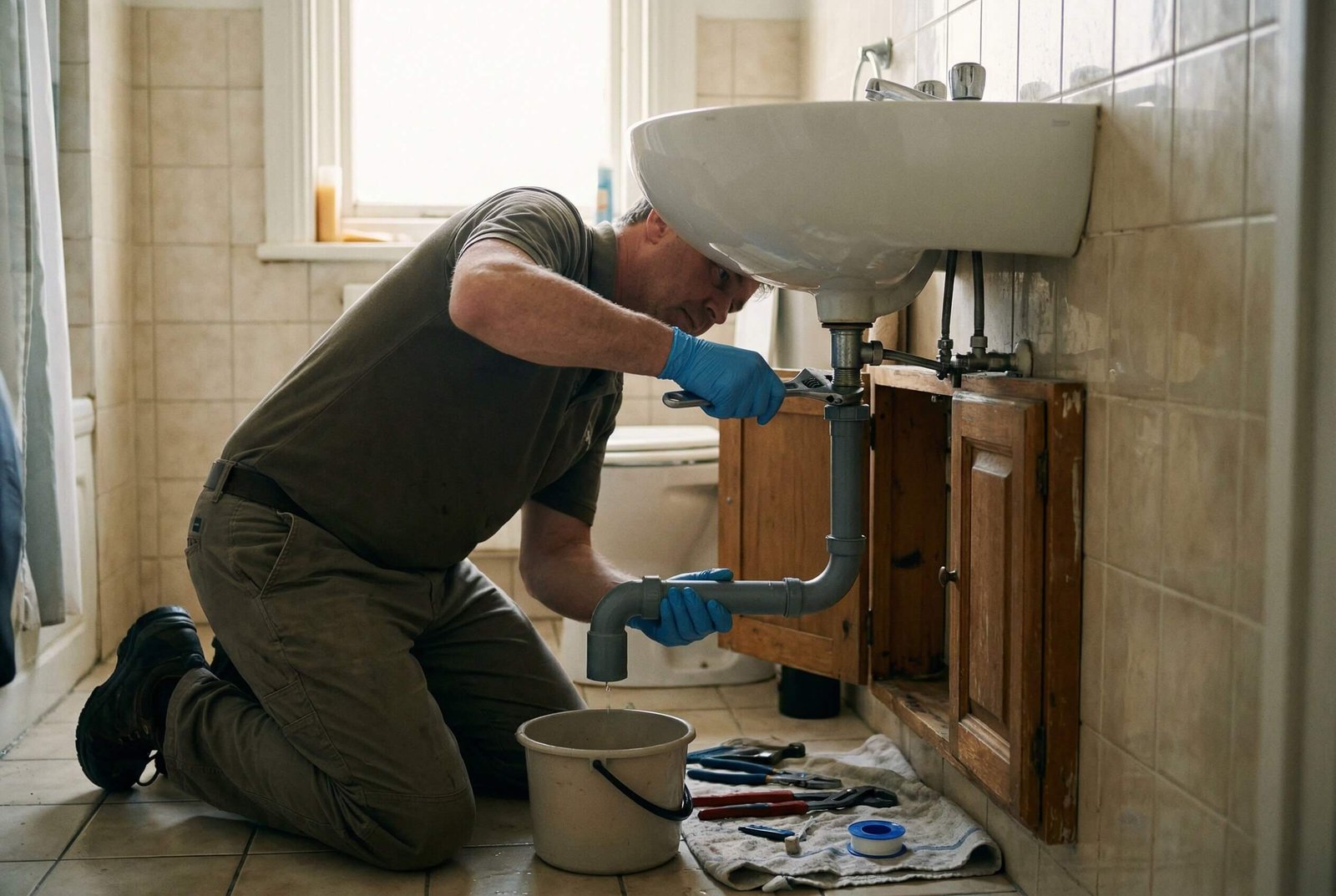
A slow draining bathroom sink is one of the most common plumbing problems in U.S. homes—and one of the easiest to ignore until it becomes a full blockage. What usually starts as water taking a few extra seconds to drain can quickly turn into standing water, bad odors, and eventually a completely clogged sink.
In real-world plumbing situations, slow drainage is almost always caused by gradual buildup inside the drain system. Everyday materials like hair, soap scum, toothpaste, shaving cream, and skin oils combine to form a sticky residue that clings to pipe walls. Over time, this buildup narrows the passage inside the drain, restricting water flow more and more.
In many cases, the issue is located close to the surface—near the drain opening or inside the P-trap under the sink. But sometimes, the problem runs deeper into the drain line, especially if the slow drainage has been ignored for a long time or keeps coming back after cleaning.
The good news is that most slow draining bathroom sinks can be fixed using safe, step-by-step DIY methods if you catch the problem early. From simple flushing and manual cleaning to more advanced tools like drain snakes, there are multiple ways to restore proper flow. However, knowing when the issue requires professional help is just as important to avoid damage or recurring clogs.
In this guide, you’ll learn exactly how professional plumbers fix slow draining bathroom sinks—starting with quick fixes and progressing to deeper solutions—so you can choose the most effective method for your situation.
What This Page Covers
ToggleIdentify the Cause Before Fixing
Before you start trying different fixes, it’s critical to understand why your bathroom sink is draining slowly. In real plumbing situations, the cause determines the correct solution. If you treat a deep clog like a surface issue—or vice versa—you’ll either get temporary results or no improvement at all.
Professional plumbers always diagnose first based on symptoms. Here are the most common causes of a slow draining bathroom sink and how to recognize each one.
Surface-Level Clog Near Drain Opening
This is the most common and easiest problem to fix. Hair, soap residue, and toothpaste collect right under the drain stopper or just inside the opening.
You’ll typically notice:
- Water pooling quickly around the drain
- Slow drainage even with small amounts of water
- Visible debris when you remove the stopper
Because the clog is near the top, simple cleaning methods often solve it.
P-Trap Blockage Under Sink
The P-trap is the curved pipe under your sink designed to trap debris and prevent sewer gases from entering your home. Over time, it also becomes a collection point for buildup.
Signs of a P-trap issue include:
- Consistent slow drainage (not completely blocked)
- No improvement after surface cleaning
- Occasional odors from the drain
This type of clog requires cleaning the pipe under the sink rather than just the drain opening.
Deep Drain Line Clog
If the blockage is further down the drain line, water flow will be significantly restricted and may worsen over time.
Common symptoms:
- Water drains very slowly or backs up
- Gurgling sounds from the drain
- Slow drainage even after cleaning the P-trap
These clogs usually require tools like a drain snake or professional equipment to remove.
Venting Issue (Less Common)
Plumbing systems rely on vent pipes to allow air into the system, helping water flow smoothly. If the vent is blocked, it can create slow drainage.
You might notice:
- Slow drainage across multiple fixtures
- Bubbling or gurgling noises
- Drain speed changing unpredictably
This is less common in bathroom sinks but can occur in certain home setups.
Warning Signs of a Serious Plumbing Problem
Sometimes, a slow draining sink is just a symptom of a larger issue in your plumbing system.
Pay attention if you notice:
- Multiple drains in the home slowing down
- Water backing up into other fixtures
- Frequent clogs even after cleaning
- Persistent gurgling sounds
These signs often indicate a blockage in the main drain line or sewer system. In such cases, fixing just the sink won’t resolve the problem.
Identifying the correct cause ensures you apply the right fix the first time—saving effort and preventing the problem from coming back.
Quick Fixes You Can Try First (Low Risk)
If your bathroom sink is draining slowly but not completely blocked, starting with simple, low-risk methods is the smartest approach. In most real plumbing cases, these quick fixes are enough to restore proper flow—especially when the clog is near the surface or caused by early buildup.
Professional plumbers often begin with these same steps before moving to more advanced tools, because they’re safe, effective, and won’t damage your pipes.
Remove Visible Debris by Hand or Tool
Hair and soap buildup often collect just under the drain stopper, making this the easiest issue to fix.
Start by removing the stopper and checking inside the drain opening. You may see:
- Hair clumps
- Soap residue
- Sticky buildup around the edges
Use a simple tool to pull debris out:
- Hair removal tool
- Bent wire or hook
- Tweezers or needle-nose pliers
This alone can significantly improve drainage if the clog is near the top.
Flush With Hot Water
Hot water helps dissolve light buildup like soap scum and toothpaste residue that may be lining the pipe walls.
Steps:
- Run hot tap water for 1–2 minutes
- Alternatively, pour hot (not boiling) water directly into the drain
- Repeat a few times
This method works best when the blockage is soft and not fully formed.
Dish Soap + Hot Water Method
Bathroom sinks often collect greasy residue from personal care products. Dish soap helps break that down.
How to use it:
- Add a few drops of liquid dish soap into the drain
- Let it sit for 10–15 minutes
- Flush with hot water
This combination helps loosen buildup that plain water can’t remove.
Plunger Use for Bathroom Sink
A plunger can create pressure that dislodges minor clogs deeper in the drain.
For best results:
- Block the overflow opening with a wet cloth
- Add a small amount of water to the sink
- Place the plunger over the drain
- Pump several times with steady pressure
Blocking the overflow is important—it ensures the pressure targets the clog instead of escaping.
These quick fixes solve a large percentage of slow draining sink problems. If the sink is still draining slowly after trying these methods, the clog is likely deeper or more stubborn—requiring stronger techniques.
Intermediate Fix Methods (More Effective)
If quick fixes didn’t restore proper drainage, the clog is likely deeper in the pipe or more compacted. At this stage, you’ll need methods that can reach further into the system and physically break down or remove buildup. These are still safe for most homeowners when done carefully and are commonly used by plumbers before moving to heavy-duty equipment.
Baking Soda and Vinegar Method
This method works well for organic buildup like soap scum, toothpaste residue, and light sludge inside the drain.
Steps to follow:
- Pour 2–3 tablespoons of baking soda into the drain
- Slowly add 1 cup of vinegar
- Let the mixture sit for 15–20 minutes
- Flush thoroughly with hot water
The foaming reaction helps loosen debris stuck to pipe walls. It’s not strong enough for solid clogs but very effective for buildup layers.
Use a Hand Auger (Drain Snake)
A hand auger is one of the most effective DIY tools for slow drains. It can reach deeper into the pipe and physically remove or break apart clogs.
Best for:
- Hair clogs
- Sticky buildup deeper in the drain
- Partial blockages that keep returning
How to use it:
- Insert the cable into the drain
- Rotate the handle to push it deeper
- Pull it back slowly to remove debris
- Repeat until resistance is gone
This method is often the turning point for stubborn slow drains.
Clean the P-Trap
If the clog is inside the P-trap under the sink, cleaning it directly can immediately restore flow.
Steps involved:
- Place a bucket under the sink
- Unscrew the P-trap connections
- Remove the pipe and clear out debris
- Rinse and reinstall securely
This is a very common solution in real plumbing scenarios, especially when buildup has been accumulating over time.
Wet/Dry Vacuum Method
Instead of pushing the clog further down, a wet/dry vacuum can pull debris out of the pipe.
How it works:
- Set the vacuum to wet mode
- Seal the vacuum hose over the drain
- Run it for several seconds
- Check for removed debris
This method is effective for loose or partially compacted clogs and is often used as a non-invasive alternative to snaking.
At this level, you’re actively removing or breaking up the clog rather than just loosening it. If the sink is still draining slowly after these methods, the blockage is likely deeper or more severe—requiring advanced solutions.
Advanced Fix Methods (Stronger Solutions)
If your bathroom sink is still draining slowly after intermediate fixes, the clog is likely deeper in the drain line or more compacted over time. At this stage, stronger solutions can help—but they need to be used carefully to avoid damaging pipes or creating bigger plumbing issues.
Professional plumbers use these methods when buildup is stubborn, recurring, or beyond the reach of basic tools.
Enzyme Drain Cleaners
Enzyme-based cleaners are one of the safest advanced options for slow drains. Instead of using harsh chemicals, they use natural bacteria and enzymes to break down organic material inside the pipes.
They are effective for:
- Hair residue
- Soap scum
- Toothpaste buildup
- Organic sludge causing slow flow
How to use:
- Pour the recommended amount into the drain
- Let it sit for several hours or overnight
- Flush with warm water
This method works gradually but is excellent for long-term maintenance and preventing recurring clogs.
Chemical Drain Cleaners (Use With Caution)
Chemical cleaners can dissolve tough clogs quickly, but they come with risks—especially in bathroom sink plumbing.
They are typically used when:
- The clog is dense and resistant to other methods
- Mechanical tools haven’t worked
- Pipes are in good condition
Important precautions:
- Avoid repeated use, as chemicals can weaken pipes
- Never mix different cleaners
- Use proper ventilation and protective gloves
- Follow instructions exactly
Because of the risks, this should be treated as a last-resort DIY option.
Deep Drain Snaking
If the clog is further down the drain line, a longer drain snake may be needed to reach it.
This method is useful when:
- The sink drains very slowly despite cleaning the top and P-trap
- Water backs up occasionally
- The problem keeps returning
A deeper snake is inserted through the drain to break apart or pull out the blockage affecting the system.
High-Pressure Water Flush
A controlled high-pressure flush can push stubborn buildup through the pipe.
This can be done using:
- A hose with a tight seal
- A pressure bottle or flushing attachment
Steps:
- Seal the drain opening as much as possible
- Apply steady pressure to push water through
- Repeat until drainage improves
This method works well for compacted debris but should be done carefully to avoid pipe stress.
At this stage, you’re dealing with more serious clogs that go beyond routine maintenance. While these methods can still be done carefully by homeowners, many people choose to involve a professional here to avoid damaging the plumbing system.
Professional Drain Fix Methods
When a bathroom sink continues to drain slowly after DIY and advanced methods, the issue is usually deeper in the plumbing system or more complex than a typical clog. At this point, professional tools and expertise are the most reliable way to fix the problem permanently rather than temporarily.
Licensed plumbers focus on identifying the exact cause and clearing the entire drain system—not just the visible blockage.
Motorized Auger
A motorized auger is a powerful version of a manual drain snake. It uses a rotating cable to break through dense, compacted clogs deep inside the drain line.
It is commonly used for:
- Thick hair and soap buildup
- Hardened debris that manual tools can’t remove
- Recurring clogs that return after basic cleaning
The powered rotation allows the tool to cut through the blockage efficiently and restore proper flow.
Hydro Jetting
Hydro jetting is one of the most effective professional methods for clearing slow drains caused by heavy buildup.
This process uses high-pressure water to clean the inside of pipes, removing:
- Grease and soap layers
- Mineral deposits
- Organic sludge
- Bacteria buildup
Unlike snaking, which creates a path through the clog, hydro jetting fully cleans the pipe walls. This makes it ideal for long-term results and preventing future slow drainage.
Camera Inspection
When the cause of the slow drain isn’t clear—or keeps coming back—plumbers use a small inspection camera to look inside the pipes.
This allows them to:
- Locate the exact position of the blockage
- Identify pipe damage or corrosion
- Detect buildup patterns
- Confirm whether the issue is isolated or system-wide
This step removes guesswork and ensures the correct solution is applied.
Pipe Repair or Replacement
In some cases, the slow drain is not just caused by buildup—it may be due to damaged or deteriorating pipes.
This can include:
- Corroded metal pipes restricting flow
- Cracked or misaligned pipes
- Improper installation causing poor drainage
When structural issues are involved, cleaning alone won’t fix the problem. Repairing or replacing the affected section of pipe is the only long-term solution.
Professional methods are designed to fix the root cause, especially when DIY solutions only provide temporary relief. While they involve higher cost, they often save time and prevent repeated issues.
Tools Used to Fix a Slow Draining Bathroom Sink
Fixing a slow draining bathroom sink becomes much easier when you use the right tools for the job. In real plumbing work, the difference between a quick fix and a recurring problem often comes down to tool selection. From simple household items to professional-grade equipment, each tool serves a specific purpose depending on how deep or severe the clog is.
Basic Tools (For Quick Fixes)
These tools are commonly available and are usually enough for surface-level clogs or early-stage slow drainage.
- Plunger
Creates suction and pressure to loosen minor clogs. Works best when the overflow opening is blocked to focus the force on the drain. - Hair Removal Tool or Hook
Designed to pull out hair and debris sitting just below the drain opening. One of the most effective tools for bathroom sinks. - Funnel or Squeeze Bottle
Helps direct hot water or cleaning solutions deeper into the drain with better control.
These tools are ideal for quick fixes and routine maintenance.
Intermediate Tools (For Deeper Cleaning)
When the clog is beyond the surface, these tools help reach further into the drain system.
- Hand Auger (Manual Drain Snake)
A flexible cable that can be inserted into the drain to break up or pull out clogs. Highly effective for hair and compact buildup deeper in the pipe. - Wet/Dry Vacuum
Used to suction out debris instead of pushing it further down. Works well for loose or partially compacted clogs.
These tools are commonly used by homeowners who want a more thorough fix without calling a plumber.
Professional Tools (For Severe or Recurring Issues)
For deeper or more complex clogs, plumbers rely on advanced tools that go beyond basic DIY capabilities.
- Power Auger (Motorized Snake)
A high-powered tool that can cut through dense clogs deep in the plumbing system. - Hydro Jet Machine
Uses high-pressure water to clean the entire pipe interior, removing buildup and restoring full flow. - Inspection Camera
Allows plumbers to see inside the pipes, identify the exact issue, and avoid unnecessary guesswork.
These tools are typically not used in DIY situations due to cost, complexity, and the risk of damaging pipes if used incorrectly.
Choosing the right tool based on the severity of the problem is key. Starting simple and progressing only when needed ensures you fix the issue effectively without causing damage.
Cost to Fix a Slow Draining Bathroom Sink
The cost to fix a slow draining bathroom sink depends on how severe the clog is and how deep it sits in your plumbing system. In real U.S. plumbing scenarios, most slow drains are relatively inexpensive to fix if caught early—but costs increase when the issue involves deeper pipes or requires specialized equipment.
Understanding the cost helps you decide when DIY is enough and when hiring a plumber makes more sense.
DIY Cost Range
For most slow drain problems, homeowners can fix the issue with minimal expense using common tools and materials.
Typical DIY costs include:
- Baking soda, vinegar, dish soap: $5–$15
- Hair removal tools or small brushes: $5–$20
- Hand auger (manual drain snake): $15–$40
- Enzyme drain cleaners: $10–$25
In most cases, the total cost stays under $50–$75, especially if you already have basic tools at home.
Plumber Cost Range (U.S.)
If DIY methods don’t work, hiring a plumber is the next step. Pricing depends on the severity and location of the clog.
Typical U.S. cost ranges:
- Minor sink clog removal: $100–$250
- Standard drain cleaning average: $147–$346 (avg ~$242)
- Drain snaking service: $100–$300
- More complex or deeper issues: $300–$800+
For typical bathroom sink slow drainage, most homeowners fall within the $150–$300 range.
Factors That Affect Cost
The final cost can vary significantly depending on the situation. Plumbers usually evaluate several factors before pricing the job:
- Clog severity (light buildup vs hardened blockage)
- Location of clog (surface, P-trap, or deep drain line)
- Accessibility under the sink
- Tools required (basic snake vs hydro jetting)
- Condition of pipes (older or damaged systems cost more)
A simple clog near the drain is quick and cheap, while deeper issues require more time and equipment.
Emergency Plumbing Costs
If you need immediate service—such as after-hours or urgent backups—costs increase due to emergency fees.
Typical emergency pricing:
- Additional fee: $150–$300+
- Total cost: $300–$900+ depending on severity
Emergency services are usually required when there’s a risk of overflow, water damage, or complete blockage.
In most cases, starting with DIY methods is the most cost-effective approach. However, if the sink continues to drain slowly after multiple attempts, professional service often saves money in the long run by fixing the root cause instead of repeating temporary fixes.
When NOT to Fix It Yourself
A slow draining bathroom sink is often manageable with DIY methods—but not always. There are situations where trying to fix it yourself can lead to pipe damage, recurring clogs, or even more expensive repairs later. Professional plumbers are trained to recognize when a problem goes beyond basic cleaning.
If you notice any of the following conditions, it’s best to stop DIY attempts and consider calling a plumber.
Multiple Drain Issues (Possible Sewer Problem)
If more than one fixture in your home is draining slowly, the problem is likely not isolated to your bathroom sink.
Watch for signs like:
- Sink, shower, or tub draining slowly at the same time
- Toilet flushing issues
- Water backing up into other drains
These symptoms often indicate a blockage in the main drain line or sewer system. Fixing just the sink won’t resolve the root issue.
Recurring Slow Drain After Fix
If your sink drains slowly again shortly after cleaning, it’s a strong sign that the clog hasn’t been fully removed or is located deeper in the system.
Common causes include:
- Partial blockage further down the pipe
- Buildup reforming quickly due to deeper residue
- Improper drainage slope
Repeated DIY fixes may only provide temporary relief in these cases.
Risk of Pipe Damage
Using tools incorrectly can damage your plumbing system, especially if the pipes are older or made of PVC.
Situations to avoid:
- Forcing a drain snake into tight bends
- Using excessive pressure during flushing
- Overtightening or mishandling P-trap connections
Damaged pipes can lead to leaks, which are more costly than the original clog.
Strong Chemical Use Risks
Chemical drain cleaners may seem like a quick fix, but they can cause long-term damage if used improperly or repeatedly.
Potential risks include:
- Corrosion of metal pipes
- Weakening of PVC pipes
- Hazardous fumes and skin exposure
If stronger methods are needed after basic cleaning, it’s often safer to use mechanical tools or call a professional.
Knowing when to stop is just as important as knowing how to fix the problem. If the issue shows signs of being deeper, recurring, or risky to handle, professional help ensures the problem is resolved safely and effectively.
How to Prevent Slow Bathroom Sink Drains
Fixing a slow draining sink is one thing—but keeping it from happening again is what saves you time, money, and frustration. In real plumbing scenarios, most slow drains are preventable with simple habits and regular maintenance. Since bathroom sinks deal with daily buildup from hair, soap, and personal care products, a little consistency goes a long way.
Regular Hair Removal
Hair is the number one cause of slow bathroom sink drains. It easily gets caught inside the drain and combines with soap to form stubborn clogs.
To prevent buildup:
- Remove visible hair from the drain every few days
- Use a hair catcher or stopper with holes
- Clean under the stopper weekly
This small habit alone can prevent most surface-level clogs.
Avoid Soap and Product Buildup
Soap scum, toothpaste, shaving cream, and oils create a sticky layer inside pipes that traps debris.
To reduce buildup:
- Rinse the sink thoroughly after brushing or shaving
- Avoid letting residue sit in the basin
- Use moderate amounts of product
Keeping the sink clean after each use helps prevent long-term accumulation.
Weekly Hot Water Flush
Hot water helps dissolve early-stage buildup before it turns into a clog.
Simple routine:
- Run hot water for 1–2 minutes once a week
- Optionally pour hot water directly into the drain
- Repeat occasionally after heavy use
This keeps the pipe walls cleaner and improves overall flow.
Monthly Maintenance Routine
A deeper clean once a month helps prevent stubborn buildup and odors.
Recommended steps:
- Add 2–3 tablespoons of baking soda into the drain
- Pour in vinegar
- Let it sit for 10–15 minutes
- Flush with hot water
This routine breaks down organic material and keeps the drain system functioning smoothly.
Preventing slow drains doesn’t require expensive products or tools—just a few consistent habits. With regular maintenance, you can keep your bathroom sink draining properly and avoid the need for frequent repairs.
Final Thoughts
A slow draining bathroom sink is one of those problems that seems minor at first—but in real plumbing scenarios, it’s an early warning sign. Left untreated, what starts as a slight delay in drainage can quickly turn into a full blockage, unpleasant odors, or even damage to your plumbing system.
The most effective way to fix the problem is to follow a structured approach. Start by identifying the cause—whether it’s a surface clog, P-trap buildup, or a deeper drain issue. From there, begin with simple, low-risk methods like manual cleaning and flushing, then move to more effective techniques such as snaking or trap cleaning if needed. This step-by-step progression mirrors how professional plumbers handle slow drains in real homes.
At the same time, it’s important to recognize when the issue goes beyond DIY. Recurring clogs, multiple slow drains, or signs of deeper blockage often require professional tools and expertise to fix the root cause properly.
With the right approach—and consistent maintenance—you can not only fix a slow draining bathroom sink but also prevent it from happening again. Acting early and choosing the right method makes all the difference between a quick fix and an ongoing problem.