
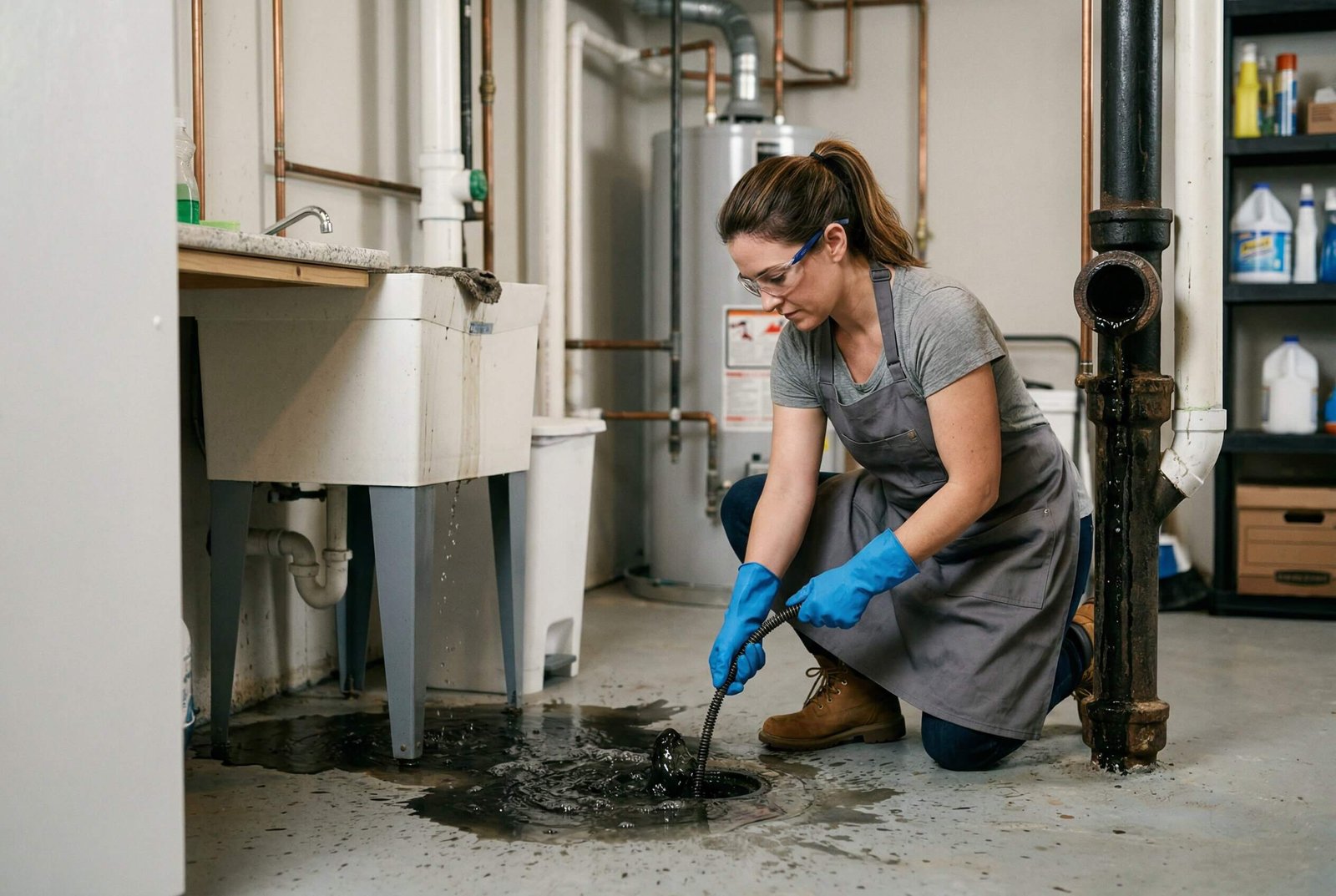
Multiple drain backups in a house are a clear sign that something is wrong with your plumbing system at a deeper level. Unlike a single clogged sink or toilet, this problem usually means wastewater cannot exit your home properly and is being forced back through multiple fixtures. You might notice toilets bubbling, water backing up into bathtubs, or sewage coming out of floor drains—especially in lower areas like basements.
In most U.S. homes, this situation is directly connected to a blockage in the main sewer line. When that line becomes restricted by grease buildup, debris, tree roots, or pipe damage, wastewater has nowhere to go. As pressure builds, it finds the easiest escape path—your drains. That’s why multiple fixtures start backing up at the same time instead of just one.
The key difference here is severity. A single drain clog can often be handled with simple tools, but when multiple drains are involved, it usually indicates a system-wide issue. Acting too aggressively with the wrong method—like plunging repeatedly or using chemicals—can push the blockage further or cause backups in other areas of the house.
In this guide, you’ll learn how to fix multiple drain backups in house step by step. We’ll start with safe, low-risk checks and move into more effective solutions, including professional methods when needed. You’ll also learn how to recognize when DIY is no longer safe and how to prevent this problem from happening again.
What This Page Covers
ToggleIdentify the Type of Backup Before Fixing
Before attempting to fix multiple drain backups in your house, you need to correctly identify what kind of problem you’re dealing with. This step is critical because multiple backups almost always point to a deeper issue—but not always in the same place. Misdiagnosing the problem can lead to wasted effort, worsening backups, or even pipe damage.
Multiple Fixtures vs Single Fixture Issue
Start by confirming that the issue truly involves multiple drains. This might include:
- Toilets bubbling when sinks are used
- Bathtub or shower filling when flushing
- Water coming up from floor drains
- Slow drainage across multiple areas
If only one fixture is affected, the problem is likely localized. But if several fixtures are backing up together, it indicates a system-wide issue—most commonly a blockage in the main sewer line.
Main Sewer Line vs Branch Line Problem
Even with multiple backups, it’s important to determine whether the issue is in the main sewer line or a large branch line.
A main sewer line blockage typically shows these signs:
- Backup appears in different parts of the house
- The lowest drain (basement or floor drain) backs up first
- Problems occur regardless of which fixture is used
A branch line issue may still affect multiple fixtures, but usually within the same area (like one bathroom group or kitchen + laundry).
Understanding this difference helps you decide whether a simple fix might work or if deeper access is required.
Simultaneous Backup vs Sequential Backup
Pay attention to how the backup happens:
- Simultaneous backup: Multiple drains react at the same time → strong sign of main line blockage
- Sequential backup: One drain backs up first, then others → could indicate a growing blockage
Simultaneous issues are usually more severe and require faster action.
Warning Signs of Severe Sewer Blockage
Certain warning signs indicate that the blockage is serious and not suitable for basic DIY methods.
- Water backing up in the lowest drain
- Gurgling sounds from toilets or sinks
- Strong sewage odor throughout the house
- Slow draining across all fixtures
- Recurring backups after temporary fixes
These signs suggest that the main sewer line is restricted or failing, and stronger methods—or professional help—will likely be needed.
Correctly identifying the type of backup gives you a clear direction for fixing the problem safely. Once you understand whether it’s a main line issue or a localized blockage, you can choose the right method without making the situation worse.
Quick Fixes You Can Try First (Low Risk)
When you’re dealing with multiple drain backups in your house, it’s important to start with safe, controlled actions. At this stage, the goal is not to aggressively clear the blockage, but to prevent the situation from getting worse and check if the issue is still in an early or partial stage. These low-risk steps can sometimes relieve pressure in the system or improve flow slightly without causing further damage.
Stop All Water Usage Immediately
This is the most important first step and is often overlooked. As soon as you notice multiple drains backing up, stop using all water in the house.
That includes:
- Flushing toilets
- Running sinks
- Using washing machines or dishwashers
Every use adds more wastewater into the system, increasing pressure behind the blockage. This can force sewage back through drains—especially the lowest ones—making the situation worse within minutes.
Check the Lowest Drain First
In most homes, the lowest drain (such as a basement floor drain or ground-level shower) will show the first signs of backup. This is where pressure is released when the main sewer line is blocked.
Inspect this area carefully:
- Look for standing water or sewage
- Check if water level changes when other fixtures are used
- Note any debris or visible obstruction
This step helps confirm whether the issue is related to the main sewer line.
Remove Visible Debris From Drains
Sometimes, surface-level debris contributes to the backup or slows drainage further. Check all accessible drains and remove anything visible.
Focus on:
- Hair and soap buildup in showers
- Food residue in kitchen sinks
- Lint or dirt in floor drains
Use gloves and avoid pushing debris further into the pipe. While this won’t solve a deep blockage, it can reduce resistance and improve flow slightly.
Careful Plunger Use (Limited Effectiveness)
A plunger can help in specific situations, but it must be used cautiously when multiple drains are involved.
Use a plunger only if:
- One fixture is backing up more than others
- The blockage seems partial
- There is no active sewage overflow
Basic approach:
- Use the correct plunger type (flange for toilets, flat for sinks)
- Ensure a proper seal over the drain
- Apply steady, controlled pressure
Avoid aggressive plunging. In a main sewer line blockage, plunging can push the clog further down or cause sewage to appear in other drains.
These quick fixes are designed to stabilize the situation and test whether the problem is still manageable. If there is no improvement—or if backups continue—it’s a clear sign that the blockage is deeper and requires more effective methods.
Intermediate Fix Methods (More Effective)
If quick fixes didn’t improve the situation, the blockage is likely deeper in the system—often in the main drain line or a major branch. At this stage, you’ll need to move beyond surface-level actions and start working directly inside the pipes. These methods are more effective but require care, especially when dealing with multiple drain backups in a house.
Use a Drain Snake Through the Cleanout
When multiple drains are backing up, the most effective DIY entry point is the sewer cleanout. This gives you direct access to the main drain line instead of working through individual fixtures.
What to do:
- Locate the cleanout (usually outside near the foundation, basement, or garage)
- Slowly loosen the cap using a wrench
- Stand back—pressure may release wastewater
- Insert a drain snake into the pipe
- Rotate and push gently to break up the blockage
This method works best for:
- Partial blockages
- Soft obstructions like grease or paper buildup
- Early-stage main line clogs
Avoid forcing the snake if you hit solid resistance—it could be tree roots or pipe damage.
Locate and Open Sewer Cleanout Safely
Opening the cleanout is not just for snaking—it’s also a key diagnostic step.
What to look for:
- If water or sewage flows out → blockage is downstream in the main line
- If the pipe is dry → issue may be inside the home (branch line)
Safety tips:
- Wear gloves and protective clothing
- Open slowly to release pressure
- Be prepared for sudden discharge
This step helps confirm whether you’re dealing with a main sewer issue.
Wet/Dry Vacuum for Surface Backup
If sewage has already backed up into fixtures or floor drains, a wet/dry vacuum can help remove standing waste before continuing.
Use it for:
- Basement floor drains
- Shower or tub backups
- Utility sink overflow
This improves visibility and reduces contamination, making it easier to proceed with further fixes.
Check Branch Lines if One Area Is Worse
Even with multiple backups, one area of the house may be more affected than others. This can indicate that a major branch line is contributing to the problem.
Check:
- Kitchen + laundry area
- Bathroom groups (toilet, sink, tub together)
If one section shows stronger backup, you can attempt targeted snaking or inspection there. However, if all areas are equally affected, the blockage is almost certainly in the main sewer line.
These intermediate methods often resolve moderate blockages and give you better insight into what’s happening inside your plumbing system. If sewage backups continue after these steps, the problem is likely deeper or more severe—requiring advanced or professional solutions.
Advanced Fix Methods (Stronger Solutions)
If intermediate methods haven’t resolved the issue, you’re likely dealing with a stubborn or deep blockage—most commonly in the main sewer line. At this level, stronger solutions can help, but they must be used carefully. The goal is to break down or clear the blockage without damaging pipes or making the situation worse.
Enzyme Cleaners for Organic Buildup
Enzyme-based cleaners are a safer alternative to harsh chemicals and are useful when the blockage is caused by organic material buildup rather than a solid obstruction.
They work by slowly breaking down:
- Grease and fats
- Organic sludge
- Soap residue
- Food waste
Best use cases:
- Recurring slow backups
- Partial blockages (not fully clogged)
- Preventive maintenance after clearing
These cleaners take time—often several hours or overnight—to work. They are not effective for immediate relief or severe blockages but can help improve flow over time.
Chemical Cleaners (High Risk)
Chemical drain cleaners are widely available but should be used with extreme caution—especially when dealing with multiple drain backups.
Risks include:
- Heat damage to PVC pipes
- Corrosion of older metal pipes
- Hazardous fumes
- Ineffectiveness against main line blockages
Only consider this option if:
- The blockage is minor and localized
- The pipes are in good condition
- Other methods have failed
Avoid using chemicals if sewage is actively backing up or if you suspect a main sewer line issue, as they rarely solve the root problem.
Deep Snaking of the Main Sewer Line
Deep snaking involves using a longer cable to reach further into the sewer line than standard hand augers allow.
This method can:
- Break through compacted debris
- Restore partial flow
- Clear deeper blockages
However, DIY equipment has limitations. It may not fully remove:
- Tree roots
- Hardened grease buildup
- Structural obstructions
If the clog returns shortly after snaking, it’s a sign that the blockage was only partially cleared.
High-Pressure Flushing (DIY Level Risks)
Some homeowners attempt to use pressure washers with sewer jet attachments to flush out blockages.
This can help:
- Move loose debris
- Clear grease buildup in partially blocked pipes
But it also carries risks:
- Can push the clog further down the line
- May damage weak or aging pipes
- Ineffective against roots or collapsed sections
Professional hydro jetting is far more controlled and effective, which is why DIY versions should be used cautiously.
These advanced methods are often the last step before professional intervention. If multiple drain backups persist after trying these solutions—or if the problem returns quickly—it strongly indicates a deeper sewer line issue that requires professional equipment and inspection.
Professional Drain Fix Methods
When multiple drain backups are happening in your house and DIY methods haven’t solved the problem, it almost always means the issue is in the main sewer line. At this stage, professional plumbers use specialized equipment to not only clear the blockage but also identify the exact cause so the problem doesn’t return.
Hydro Jetting Entire Sewer Line
Hydro jetting is one of the most effective professional solutions for clearing multiple drain backups. It uses high-pressure water (typically 3,000–4,000 PSI) to clean the inside of the sewer pipe completely.
It removes:
- Thick grease buildup
- Sludge and debris
- Minor to moderate tree roots
- Residue stuck to pipe walls
Unlike snaking, which punches through a clog, hydro jetting fully cleans the pipe, restoring proper flow and reducing the chance of future backups. This is often recommended for recurring issues or heavily used systems.
Motorized Auger for Deep Blockage
A motorized auger (power snake) is usually the first tool plumbers use for severe blockages. It has a rotating cable with cutting heads that can:
- Break through dense clogs
- Cut through roots
- Travel long distances in the sewer line
This method is highly effective for immediate relief, especially when the blockage is solid or compacted. However, it may not fully clean the pipe walls, which is why hydro jetting is sometimes used afterward for long-term results.
Camera Inspection for Root Cause
Professional plumbers often perform a sewer camera inspection to diagnose the exact issue inside the pipe. A small camera is inserted into the sewer line, allowing them to see what’s causing the blockage.
This helps identify:
- Tree root intrusion
- Pipe cracks or collapse
- Grease buildup locations
- Pipe misalignment or sagging
Camera inspection removes guesswork and ensures the right solution is applied instead of repeatedly clearing symptoms.
Sewer Line Repair or Replacement
If the blockage is caused by structural damage, clearing the line won’t fix the problem permanently. In these cases, repair or replacement is required.
Common situations include:
- Collapsed or broken pipes
- Severe root intrusion
- Aging clay or cast iron sewer lines
Repair options:
- Spot repair for isolated damage
- Trenchless repair (pipe lining or pipe bursting)
- Full sewer line replacement for major failures
While more expensive, these solutions eliminate the root cause and prevent repeated backups.
Professional methods are designed to fix the problem completely, not just temporarily. If you’ve reached this stage, it’s a strong indication that the issue is beyond basic DIY and requires proper tools, diagnosis, and expertise.
Tools Used to Fix Multiple Drain Backups
Fixing multiple drain backups in a house requires the right tools based on how deep and severe the blockage is. Since this issue usually involves the main sewer line, the tools used go beyond basic household equipment. Understanding these tools helps you choose the correct approach and avoid using ineffective methods.
Basic Tools (For Initial Checks and Minor Issues)
These tools are useful for early-stage troubleshooting or when one fixture is more affected than others. While they won’t solve a main sewer line blockage, they can help confirm the problem and handle minor debris.
- Plunger (flange type for toilets, flat for sinks/tubs)
- Rubber gloves and protective gear
- Bucket and towels for cleanup
- Flashlight for inspecting drains
These tools are safe and easy to use but limited to surface-level fixes.
Intermediate Tools (For Moderate Blockages)
When backups involve deeper sections of the plumbing system, intermediate tools allow you to reach further into the pipes and attempt partial clearing.
- Hand auger (manual drain snake)
- Closet auger for toilets
- Wet/dry vacuum (for removing standing sewage)
- Pipe wrench (for opening sewer cleanout cap)
These tools are often used when accessing the cleanout to attempt clearing a partial blockage in the main line.
Professional Tools (For Main Sewer Line Issues)
Multiple drain backups almost always require professional-grade tools to fully resolve the issue. These tools are designed to handle deep, stubborn blockages and diagnose underlying problems.
- Motorized auger (power snake with cutting heads)
- Hydro jetting machine (high-pressure water system)
- Sewer inspection camera (for internal pipe inspection)
- Root cutting attachments (for tree root removal)
These tools not only clear the blockage but also help restore the pipe’s condition and prevent recurring issues.
Using the right tool for the situation is critical. Basic tools won’t fix a main sewer line problem, and attempting to force them can make the backup worse. On the other hand, jumping to aggressive tools without proper diagnosis can damage your pipes.
Cost to Fix Multiple Drain Backups (U.S.)
Fixing multiple drain backups in a house typically involves the main sewer line, which is why costs are higher than a simple sink or toilet clog. The total cost depends on how severe the blockage is, what method is required, and whether there is any pipe damage. Acting early can significantly reduce expenses, while delays often lead to costly repairs.
DIY Cost Range
If the issue is still minor (rare in multiple backups), you may attempt basic fixes.
Typical DIY costs:
- Plunger: $10 – $25
- Hand auger: $25 – $100
- Enzyme cleaner: $10 – $40
Total typical range: $10 – $150
However, in real scenarios, multiple drain backups are rarely solved with DIY alone, since the blockage is usually deep in the main sewer line.
Plumber Cost Range (Most Common Scenario)
Most homeowners will need professional help for this issue.
Typical service costs:
- Basic drain snaking: $100 – $250
- Main sewer line clearing: $200 – $800
- Average sewer clog repair: ~$187 – $569
For tougher clogs:
- Snaking main line: $150 – $450
- Hydro jetting: $300 – $800 (can go higher)
Hydro jetting is more expensive but provides a longer-lasting solution because it fully cleans the pipe instead of just punching through the clog.
Major Repair Costs (If Damage Exists)
If the backup is caused by pipe damage, roots, or collapse, costs increase significantly.
Typical ranges:
- Sewer backup repair: $1,000 – $4,000
- Sewer line repair/replacement: $2,000 – $15,000+
In severe cases, full sewer line replacement can exceed $10,000 depending on depth, length, and access.
Factors That Affect Cost
Several factors determine how much you’ll actually pay:
- Severity of blockage (partial vs full)
- Type of clog (grease vs tree roots vs collapse)
- Pipe material (PVC vs clay vs cast iron)
- Accessibility (cleanout access vs digging required)
- Length of sewer line
- Need for camera inspection ($200–$1,300 extra in some cases)
More complex jobs require more time, specialized tools, and sometimes excavation.
Emergency vs Scheduled Service
Timing can significantly impact cost:
- Standard service: Base pricing applies
- Emergency calls: 1.5× to 2× higher cost
Emergency plumbing can also include hourly rates or extra trip charges, especially for after-hours service.
Real-World Cost Insight
- Simple blockage → ~$200–$600
- Moderate main line issue → ~$400–$1,000
- Severe backup with repairs → $1,000–$5,000+
- Full replacement → $5,000–$15,000+
Understanding these cost ranges helps you decide when to attempt a fix and when to call a professional immediately. With multiple drain backups, early professional intervention is often the most cost-effective option.
When NOT to Fix It Yourself
Multiple drain backups in a house are often a sign of a main sewer line problem, and in many cases, DIY methods are not only ineffective—they can actually make the situation worse. Knowing when to stop and call a professional can prevent further damage, reduce health risks, and save you from much higher repair costs.
All Fixtures Backing Up at Once
If water or sewage is coming up through multiple fixtures simultaneously, this is a strong indication of a main sewer line blockage.
Common signs include:
- Toilet, sink, and bathtub backing up together
- Water appearing in drains when using another fixture
- Backup happening across different areas of the house
This is not a localized clog. Using plungers or small snakes will not resolve the issue and may push the blockage further, worsening the backup.
Backup at the Lowest Drain
When sewage backs up through the lowest drain—typically a basement floor drain or ground-level shower—it means the system is under pressure and wastewater is finding the easiest exit point.
This situation is high-risk because:
- More sewage can quickly flood the area
- Contamination spreads rapidly
- Additional water use will worsen the backup
DIY attempts at this stage are unlikely to fix the issue and can increase the damage.
Recurring Whole-House Backups
If you’ve experienced multiple drain backups more than once, even after clearing them, there is likely an underlying issue that hasn’t been properly resolved.
Common causes include:
- Tree root intrusion into the sewer line
- Pipe misalignment or sagging
- Partial clogs that keep reforming
Recurring problems almost always require a camera inspection and a long-term fix, not repeated DIY attempts.
Strong Sewage Odor or Health Risks
Sewage contains harmful bacteria and gases that can pose serious health risks. If you notice:
- Strong, persistent sewage smells
- Visible contamination around drains
- Standing sewage in enclosed areas
Avoid direct exposure and do not attempt cleanup or repairs without proper protective equipment. Professional handling is safer and more effective.
Risk of Pipe Damage
Older plumbing systems—especially those made from clay or cast iron—can be fragile. Aggressive DIY methods like forceful snaking or high-pressure flushing can:
- Crack or break pipes
- Dislodge joints
- Cause leaks or full pipe failure
If you feel strong resistance while using tools or suspect pipe damage, stop immediately. Continuing can turn a blockage into a costly structural repair.
Recognizing these warning signs helps you avoid unnecessary risks. Multiple drain backups are often beyond the scope of basic DIY fixes, and knowing when to involve a professional is a key part of solving the problem correctly.
How to Prevent Multiple Drain Backups
Once you’ve fixed multiple drain backups in your house, the next step is making sure it doesn’t happen again. In real U.S. homes, these issues are often preventable with the right habits and regular maintenance. Since most multiple backups are caused by main sewer line problems, prevention focuses on keeping that line clear and functioning properly over time.
Avoid Flushing Problem Materials
One of the most common causes of sewer blockages is improper disposal of waste. What goes down your drains directly affects how your system performs.
Avoid putting these into your plumbing system:
- Grease, fats, and cooking oil (they harden inside pipes)
- “Flushable” wipes (they do not break down properly)
- Paper towels and hygiene products
- Food scraps without proper disposal
Even small amounts can accumulate over time and lead to major blockages in the main sewer line.
Routine Drain Maintenance
Regular maintenance helps prevent buildup before it turns into a full blockage affecting multiple drains.
Simple maintenance practices:
- Use enzyme-based cleaners monthly to break down organic waste
- Flush drains with hot water occasionally (only when flowing normally)
- Address slow drains early before they worsen
These small steps can significantly reduce the chances of a system-wide backup.
Tree Root Prevention
Tree roots are a major cause of main sewer line blockages, especially in older homes with clay or aging pipes. Roots seek moisture and can enter small cracks in sewer lines, eventually causing severe obstructions.
To reduce risk:
- Avoid planting trees near sewer lines
- Monitor for recurring slow drains or backups
- Schedule periodic inspections if your area is prone to root intrusion
If root problems have occurred before, proactive maintenance is essential.
Install a Backwater Valve
A backwater valve is one of the most effective long-term solutions for preventing sewage from backing up into your home.
Benefits include:
- Prevents reverse flow from the main sewer line
- Protects basement and ground-level drains
- Helps during heavy rain or municipal sewer overload
While installation requires a plumber, it adds a strong layer of protection against future backups.
Final Thoughts
Multiple drain backups in a house are a serious warning sign that should never be ignored. Unlike a simple clog, this issue usually points to a deeper problem in the main sewer line that affects your entire plumbing system.
The safest approach is to start with proper diagnosis, use low-risk methods first, and avoid aggressive fixes that can worsen the situation. While some minor cases can be handled with DIY tools, most multiple drain backups require more advanced methods—or professional intervention—to fully resolve.
Acting quickly, choosing the right solution, and understanding when to call a plumber can save you from costly damage and ongoing issues. Just as importantly, following preventive practices ensures that once the problem is fixed, it doesn’t come back.