
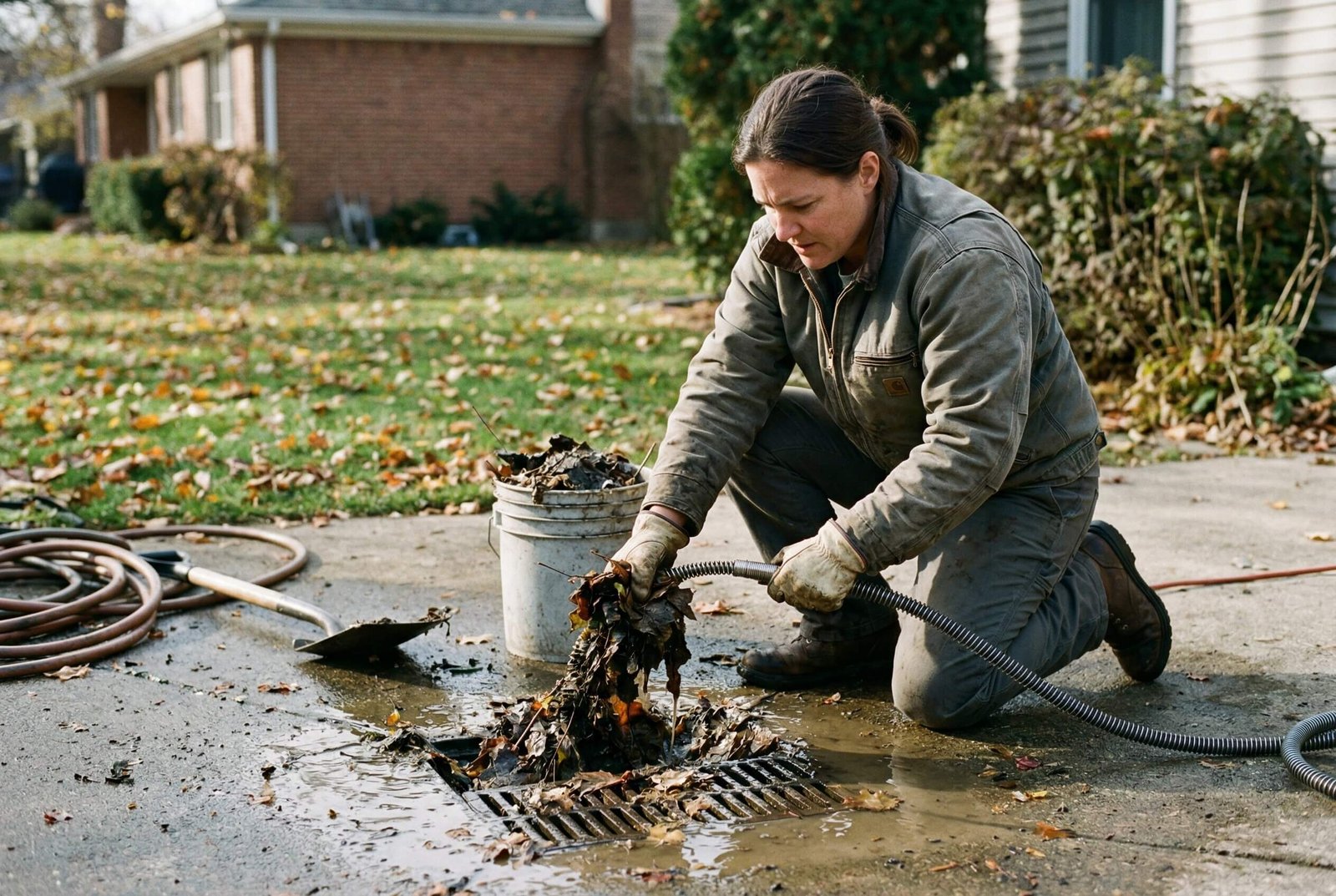
Outdoor drains are one of the most overlooked parts of a home’s drainage system—until they stop working. Whether it’s a yard drain, driveway drain, patio drain, or a stormwater catch basin, these systems are designed to move rainwater away from your home quickly. When they clog, water has nowhere to go, leading to pooling, flooding, soil erosion, and even foundation damage if ignored.
In most U.S. homes, outdoor drain clogs are caused by a mix of natural debris and environmental buildup. Leaves, dirt, mulch, grass clippings, and even small trash particles get washed into the drain during rain. Over time, this material compacts inside the pipe, forming a blockage that restricts or completely stops water flow. In some cases, the issue goes deeper—tree roots can invade underground drain lines, or the pipe itself may collapse or shift.
The key to fixing a clogged outdoor drain is understanding that not all clogs are the same. Some are simple surface blockages that you can clear in minutes, while others require tools like augers or even professional equipment like hydro jetting. Starting with the wrong method can waste time—or worse, push the clog deeper into the system.
This guide walks you through exactly how to fix a clogged outdoor drain step by step. You’ll learn how to identify the type of clog, choose the right fix method, and avoid common mistakes homeowners make. We’ll also cover when a DIY fix is enough and when it’s smarter to call a professional plumber to prevent costly damage.
What This Page Covers
ToggleIdentify the Type of Outdoor Drain Clog Before Fixing
Before you attempt to fix a clogged outdoor drain, the most important step is identifying what kind of blockage you’re dealing with. Outdoor drains fail for very different reasons compared to indoor plumbing, and choosing the wrong fix method can either do nothing—or make the situation worse by pushing debris deeper into the pipe.
In real-world U.S. residential systems, outdoor drains typically connect to underground stormwater lines or dry wells. These systems handle large volumes of water and debris, which means clogs can occur at multiple points—from the surface grate all the way to the buried pipe network. That’s why proper diagnosis comes first.
Surface Debris Clog vs Deep Blockage
A surface clog is the easiest to fix and the most common. This happens when leaves, mud, grass, or trash collect around the drain opening or just below the grate. You’ll usually see visible debris, and water will sit on top of the drain without entering.
A deep blockage, on the other hand, occurs inside the underground pipe. This could be caused by compacted dirt, sludge buildup, or even tree roots. In this case, the drain opening may look clear, but water still backs up or drains very slowly.
Quick way to tell:
- If you see debris at the top → likely a surface clog
- If the top is clear but water still pools → likely a deeper blockage
Standing Water vs Slow Drainage
The way water behaves gives you strong clues about the severity of the clog.
Standing water that doesn’t move at all usually indicates a complete blockage. This often means the pipe is fully clogged or collapsed somewhere downstream.
Slow drainage suggests a partial clog. Water eventually drains, but not at the rate it should. This is commonly caused by buildup along the pipe walls—like mud, organic sludge, or early-stage root intrusion.
What this means for fixing:
- Standing water → stronger methods may be needed
- Slow drainage → you can usually start with basic or intermediate fixes
Temporary Clog vs Recurring Issue
If your outdoor drain clogs once after a heavy storm, it’s often just a temporary debris buildup. Clearing it and improving maintenance may solve the issue completely.
But if the clog keeps coming back, that’s a red flag. Recurring clogs usually point to a deeper problem inside the system.
Common causes of recurring outdoor drain clogs:
- Tree roots growing into the pipe
- Poor drain slope causing water and debris to settle
- Damaged or cracked underground pipes
- Excessive debris from nearby landscaping
Recurring issues should not be treated as simple clogs—they often require deeper cleaning or professional inspection.
Warning Signs of a Serious Drainage Problem
Some signs indicate that the problem goes beyond a basic clog and may require professional attention.
Watch for these:
- Water backing up toward your home’s foundation
- Multiple outdoor drains clogging at the same time
- Foul or sewer-like odors coming from the drain
- Sinkholes or soft ground near the drain line
- Drain overflowing during moderate rain (not just heavy storms)
These symptoms suggest issues like main line blockage, pipe damage, or root intrusion. Attempting aggressive DIY fixes in these cases can damage the pipe further or delay necessary repairs.
Understanding exactly what type of clog you’re dealing with allows you to choose the safest and most effective method to fix your outdoor drain. It also helps you avoid wasting time on solutions that won’t work for your specific situation.
Quick Fixes You Can Try First (Low Risk)
Once you’ve identified that the clog is likely minor or near the surface, it’s always best to start with simple, low-risk methods. In many U.S. homes, outdoor drain clogs are caused by loose debris like leaves, mud, and organic matter that can be cleared without specialized tools. These quick fixes are safe, effective, and often enough to restore proper drainage without going deeper into the system.
The goal here is not to force anything through the pipe, but to remove or loosen the blockage without pushing it further down. Start with these methods before moving to more aggressive solutions.
Remove Visible Debris (Leaves, Mud, Trash)
This is the most common and easiest fix for a clogged outdoor drain. In many cases, the blockage sits right at the grate or just below it.
Start by removing the drain cover or grate if possible. Use gloved hands or a small scoop to pull out leaves, dirt, mulch, and any other debris. Be thorough—what you see on the surface is often just part of the clog.
Focus on:
- Leaves and grass buildup
- Mud or sediment packed around the opening
- Small trash or organic waste
Clearing this layer often immediately restores water flow, especially after storms.
Flush with a Garden Hose
After removing visible debris, flushing the drain helps push out loose material further inside the pipe.
Insert a garden hose into the drain and run water at full pressure. Let it flow steadily for several minutes. This can break apart soft clogs and carry debris through the system.
Watch how the water behaves:
- If it drains quickly → clog is likely cleared
- If water backs up → blockage is deeper
Avoid forcing the hose too far into the pipe, especially if you feel resistance.
Hot Water + Mild Detergent Method
For drains clogged with greasy or organic residue—especially near outdoor kitchen areas or patios—a simple hot water and detergent flush can help.
Mix a small amount of dish soap with hot water and pour it into the drain. Then follow with additional hot water to help break down buildup along the pipe walls.
This method works best for:
- Light organic sludge
- Grease residue
- Early-stage buildup
It won’t fix heavy clogs, but it can improve flow and prevent buildup from getting worse.
Basic Plunger Method for Outdoor Drains
A standard plunger can work surprisingly well on outdoor drains, especially when there’s standing water.
Place the plunger over the drain opening and ensure a good seal. Then perform steady plunging motions to create pressure and suction. This can help loosen blockages just below the surface.
For best results:
- Make sure there is enough water to cover the plunger head
- Use consistent, controlled pressure
- Avoid aggressive force that could damage the drain cover or pipe
This method is particularly useful for partial clogs that haven’t hardened or compacted yet.
These quick fixes solve a large percentage of outdoor drain clogs, especially those caused by recent debris buildup. If the drain still isn’t flowing properly after trying these methods, it’s a sign that the blockage is deeper or more compact—at that point, you’ll need to move to more effective tools and techniques.
Intermediate Fix Methods (More Effective)
If basic cleaning and flushing didn’t fully fix the clogged outdoor drain, the blockage is likely deeper or more compact. At this stage, you need methods that can break apart buildup inside the pipe or physically pull it out. These techniques are still DIY-friendly but require a bit more effort and the right tools.
In many U.S. homes, this is where most outdoor drain issues get resolved—especially when the clog is caused by compacted dirt, organic sludge, or debris that has settled further down the line.
Baking Soda and Vinegar Flush (Organic Buildup)
This method is useful when the clog is caused by organic material like dirt, leaves, and light sludge buildup inside the pipe.
Start by pouring baking soda directly into the drain, followed by vinegar. The reaction creates fizzing action that helps loosen debris stuck along the pipe walls. After letting it sit for about 15–20 minutes, flush the drain with hot water.
This works best for:
- Early-stage organic buildup
- Mild sludge accumulation
- Drains with slow but not completely blocked flow
It’s not powerful enough for heavy clogs, but it can improve drainage and break down softer material before using other tools.
Drain Snake or Hand Auger Usage
A drain snake (also called a hand auger) is one of the most effective tools for fixing a clogged outdoor drain without professional equipment.
Insert the snake into the drain opening and slowly feed it into the pipe. When you feel resistance, rotate the handle to break through or hook onto the clog. Then pull the snake back out to remove debris.
Key tips:
- Go slowly to avoid damaging the pipe
- Expect to pull out mud, roots, or organic matter
- Repeat multiple passes if needed
This method is ideal for:
- Deeper clogs
- Compacted debris
- Minor root intrusion
Wet/Dry Vacuum Extraction
A wet/dry vacuum can be very effective for outdoor drains, especially when the clog is near the surface or consists of loose debris.
Set the vacuum to liquid mode and create a tight seal over the drain opening. Turn it on and let it pull out water, mud, leaves, and other material from inside the pipe.
This works well for:
- Loose debris buildup
- Shallow blockages
- Catch basins filled with sludge
It’s a clean and controlled way to remove material without pushing it further down the system.
Cleaning Drain Catch Basin or Grate System
Many outdoor drains include a catch basin—a small collection area designed to trap debris before it enters the main pipe. If this area gets full, it can completely block water flow.
Remove the grate and inspect the basin. Scoop out all accumulated debris, including mud, leaves, and sediment. In some cases, you may need to rinse the basin with a hose to fully clear it.
Focus on:
- Clearing the basin completely
- Checking the pipe opening inside the basin
- Ensuring water can flow freely into the pipe
At this stage, you’ve used both chemical and mechanical methods to try and fix the clogged outdoor drain. If the problem still isn’t resolved, the blockage is likely more severe—such as deep pipe buildup, heavy root intrusion, or hardened debris. That’s when stronger solutions come into play.
Advanced Fix Methods (Stronger Solutions)
If intermediate methods didn’t fully fix the clogged outdoor drain, you’re likely dealing with a more stubborn blockage deeper in the system. At this stage, the clog may be compacted, spread across a longer section of pipe, or caused by heavier organic buildup or early root intrusion. These methods are stronger and more effective—but they must be used carefully to avoid damaging the drain line.
In real U.S. residential systems, this is typically where DIY reaches its limit. You can still try these methods, but you need to pay close attention to how the drain responds.
Enzyme-Based Drain Cleaners (Safer for Organic Sludge)
Enzyme cleaners are designed to break down organic material like leaves, sludge, and biofilm inside the pipe. Unlike harsh chemicals, they use natural bacteria and enzymes to slowly digest buildup.
Pour the cleaner into the drain and allow it to sit for several hours or overnight. Then flush with water to move the loosened material through the pipe.
Best used for:
- Organic sludge buildup
- Slow drains caused by long-term accumulation
- Preventive maintenance after partial clearing
These are not instant solutions, but they are safe for pipes and effective over time.
Chemical Drain Cleaners (Use with Caution)
Chemical cleaners can dissolve tough clogs, but they come with risks—especially in outdoor drainage systems where pipe materials may vary.
Only consider this option if:
- Other methods have failed
- The clog is not caused by tree roots or pipe damage
- You follow all safety instructions carefully
Important precautions:
- Avoid repeated use—it can weaken pipes
- Never mix different chemical products
- Use proper protective gear (gloves, eye protection)
These cleaners work best on:
- Greasy buildup
- Organic blockages that haven’t hardened completely
They are not effective against roots or solid obstructions.
High-Pressure Water Flushing (Basic Jetting)
Using higher water pressure can help break apart and push out stubborn clogs. This can be done with a strong garden hose setup or a basic drain jet attachment.
Insert the hose into the drain and apply steady pressure to force water through the pipe. The goal is to dislodge and carry debris out of the system.
Effective for:
- Compacted dirt or mud
- Sludge buildup along pipe walls
- Partial blockages deep in the line
Be careful not to over-pressurize older or fragile pipes, especially in older homes.
Deep Drain Snaking (Extended Reach)
If a standard hand auger didn’t reach the clog, you may need a longer or heavier-duty snake to go deeper into the system.
Feed the auger further into the pipe until you reach resistance. Use controlled rotation to break apart or hook the clog. This may require multiple passes to fully clear the blockage.
This method is often effective for:
- Deep clogs beyond the first few feet
- Early-stage root intrusion
- Dense debris buildup
At this level, you’ve applied strong DIY methods to fix the clogged outdoor drain. If the drain is still not functioning properly, the issue is likely beyond what standard homeowner tools can handle. That’s when professional-grade equipment and inspection become necessary.
Professional Drain Fix Methods
When advanced DIY methods don’t fully fix the clogged outdoor drain, it usually means the blockage is deeper, heavier, or caused by structural issues in the pipe. At this point, professional equipment and experience are required to properly diagnose and resolve the problem without causing further damage.
In real U.S. residential systems, outdoor drains often connect to long underground pipes, stormwater systems, or dry wells. These setups can develop complex issues like root intrusion, pipe misalignment, or heavy sediment buildup—problems that standard homeowner tools simply can’t handle.
Hydro Jetting for Heavy Outdoor Blockages
Hydro jetting is one of the most effective methods plumbers use to completely clear outdoor drain lines. It involves sending high-pressure water through the pipe to break apart and flush out debris, sludge, grease, and even small root intrusions.
This method doesn’t just punch a hole through the clog—it cleans the entire pipe interior.
Hydro jetting is ideal for:
- Thick sludge and sediment buildup
- Recurring clogs
- Long sections of partially blocked pipe
It’s especially useful in outdoor systems where dirt and organic material accumulate over time.
Motorized Drain Augers for Root Intrusion
When tree roots enter the pipe, basic snakes won’t be enough. Plumbers use motorized augers (power augers) with cutting heads designed to slice through roots and clear the path.
This method is commonly used in yards where trees are planted near drainage lines.
Best for:
- Root blockages inside underground pipes
- Dense, compact clogs
- Long-distance clearing
Keep in mind—this removes the roots but doesn’t stop them from coming back unless the pipe is repaired or treated.
Drain Camera Inspection for Accurate Diagnosis
Before or after clearing a stubborn clog, many plumbers use a drain camera to inspect the inside of the pipe. This allows them to see exactly what’s causing the blockage and check the condition of the line.
A camera inspection can reveal:
- Root intrusion
- Pipe cracks or collapses
- Misaligned joints
- Heavy buildup areas
This step is critical if the clog keeps returning or if there are signs of a deeper issue.
Pipe Repair or Replacement (If Needed)
If the drain pipe is damaged, collapsed, or heavily invaded by roots, cleaning alone won’t solve the problem. In these cases, repair or replacement is necessary.
Common solutions include:
- Spot repair for small damaged sections
- Pipe relining (in some systems)
- Full pipe replacement for severe damage
While this is the most expensive option, it permanently fixes the underlying issue and prevents recurring clogs.
Professional drain repair methods are designed to not only fix the current clog but also address the root cause of the problem. If your outdoor drain continues to clog despite repeated cleaning, investing in professional inspection and repair can save you from ongoing maintenance and potential property damage.
Tools Used to Fix Outdoor Drain Clogs
Fixing a clogged outdoor drain becomes much easier—and safer—when you use the right tools for the job. The type of tool you need depends on how deep and severe the blockage is. In real U.S. residential drainage systems, plumbers always match the tool to the problem rather than forcing a one-size-fits-all solution.
As a homeowner, you can handle many clogs with basic and intermediate tools. But for deeper or recurring issues, professional-grade equipment is often required to properly fix the drain without damaging the pipe.
Basic Homeowner Tools
These tools are commonly used for surface-level clogs and light blockages. Every homeowner dealing with outdoor drains should have access to these.
- Gloves, scoop, and bucket for removing leaves, mud, and debris
- Garden hose for flushing out loose material
- Plunger for creating suction and pressure to loosen clogs
These tools are best for:
- Surface debris clogs
- Shallow blockages
- Routine maintenance
They are low-risk and often enough for minor issues.
Intermediate Tools
When the clog is deeper or more compact, intermediate tools allow you to reach inside the pipe and physically remove or break apart the blockage.
- Hand auger (drain snake) to reach and pull out debris
- Wet/dry vacuum to extract water, sludge, and loose material
These tools are effective for:
- Moderate clogs inside the pipe
- Organic buildup and mud
- Catch basin and shallow pipe cleaning
They require a bit more effort but significantly increase your chances of clearing the drain without professional help.
Professional Tools
For severe clogs or system-level problems, plumbers rely on specialized equipment designed for deep cleaning and accurate diagnosis.
- Power auger for cutting through roots and dense blockages
- Hydro jet for high-pressure cleaning of entire pipe interiors
- Inspection camera for identifying hidden issues inside the drain line
These tools are used for:
- Deep underground clogs
- Tree root intrusion
- Recurring drainage problems
- Structural pipe issues
Using the right tool not only improves your chances of fixing the clogged outdoor drain but also prevents accidental damage. For example, forcing a basic tool into a deep clog can compact the blockage further or harm the pipe. That’s why it’s important to escalate tools gradually based on the severity of the problem.
Cost to Fix a Clogged Outdoor Drain
The cost to fix a clogged outdoor drain in the U.S. can vary widely depending on how severe the blockage is and what method is required to clear it. Simple surface clogs can cost almost nothing to fix, while deeper or recurring issues involving underground pipes can quickly become more expensive.
Understanding the cost range helps you decide whether to attempt a DIY fix or call a professional early to avoid bigger problems.
DIY Cost Range
If you’re handling the clog yourself, the cost is usually low—especially if you already have basic tools at home.
Typical DIY costs include:
- Basic tools (gloves, scoop, plunger): $10–$40
- Garden hose (if needed): $20–$60
- Hand auger (drain snake): $25–$100
- Wet/dry vacuum (if not owned): $80–$200
- Enzyme cleaners: $15–$40
- Chemical cleaners: $10–$30
Most homeowners can fix a clogged outdoor drain for under $100 if the issue is minor to moderate.
Plumber Cost Range (U.S.)
When the clog is deeper or requires professional tools, hiring a plumber becomes necessary. Costs depend on the method used and the complexity of the job.
Typical professional pricing:
- Basic drain cleaning: $100–$300
- Snaking with motorized auger: $150–$400
- Hydro jetting: $300–$800
- Camera inspection: $150–$400 (sometimes included with service)
For standard outdoor drain clogs, most homeowners pay between $150 and $500.
Factors Affecting Cost
Several factors influence how much it will cost to fix the problem:
- Depth of clog: Deeper blockages require more time and advanced tools
- Pipe condition: Damaged or collapsed pipes increase repair costs
- Root intrusion: Requires specialized equipment and may need repeat service
- Accessibility: Hard-to-reach drains or buried systems take longer to service
- Length of drain line: Longer pipes require more extensive cleaning
These factors can significantly increase the total cost if the issue is complex.
Emergency Repair Pricing
If your outdoor drain is causing flooding or water is backing up toward your home, you may need emergency service.
Emergency plumbing costs typically include:
- After-hours service fee: $100–$300 extra
- Total emergency visit cost: $300–$1,000+ depending on severity
Emergency calls are more expensive, but they can prevent costly property damage—especially if water is threatening your foundation or basement.
The smartest approach is to start with simple, low-cost fixes and escalate only if needed. If you notice signs of a deeper issue—like recurring clogs or water backing up—it’s often more cost-effective to bring in a professional early rather than repeatedly attempting DIY fixes.
When NOT to Fix It Yourself
While many outdoor drain clogs can be handled with DIY methods, there are situations where attempting to fix the problem yourself can lead to bigger damage, higher costs, or even safety risks. In real U.S. plumbing scenarios, outdoor drainage systems often connect to deeper underground lines, and not all issues are simple blockages.
Knowing when to stop and call a professional is just as important as knowing how to fix the clog.
Water Backing Up Toward the Foundation
If you notice water flowing back toward your home instead of draining away, this is a serious warning sign. Outdoor drains are designed to protect your foundation by directing water away. When they fail, water can seep into the soil around your home and cause structural damage.
Do not attempt aggressive DIY methods in this situation. Forcing water or tools into the drain can worsen the blockage or redirect water into vulnerable areas.
Multiple Outdoor Drains Clogged at Once
If more than one outdoor drain is clogged at the same time, the problem is likely not at the surface level. This usually points to a blockage in the main drainage line or a shared underground pipe.
Common causes include:
- Main line blockage
- Heavy sediment buildup in the system
- Pipe collapse or misalignment
This type of issue requires professional equipment and inspection.
Suspected Tree Root Intrusion
Tree roots are one of the most common causes of serious outdoor drain clogs. They grow toward moisture and can enter small cracks in underground pipes, eventually expanding and blocking the entire line.
Signs of root intrusion:
- Recurring clogs even after cleaning
- Slow drainage that keeps returning
- Gurgling sounds or inconsistent flow
DIY tools may temporarily clear some roots, but they won’t solve the underlying problem. Professional cutting and inspection are required.
Recurring Clogs After Cleaning
If you’ve already cleared the drain and the clog comes back within a short time, there is likely a deeper issue inside the pipe.
Recurring clogs often indicate:
- Partial blockage further down the line
- Pipe damage or sagging
- Ongoing buildup that isn’t fully removed
Continuing to use DIY methods in this case can waste time and may push debris deeper into the system.
Risk of Pipe Damage or Underground Issues
Outdoor drain pipes, especially in older homes, can be fragile or made of materials that don’t handle pressure well. Using excessive force, high-pressure water, or aggressive tools can crack or collapse the pipe.
Be cautious if:
- Your home has older drainage systems
- You’re unsure of pipe material or layout
- The drain shows signs of structural problems
In these situations, calling a professional plumber is not just a convenience—it’s the safest and most cost-effective decision. Proper diagnosis and repair can prevent ongoing issues and protect your property from long-term damage.
How to Prevent Future Outdoor Drain Clogs
Fixing a clogged outdoor drain is one thing—but preventing it from happening again is what saves you time, money, and frustration long term. In most U.S. homes, outdoor drains clog due to predictable causes like debris buildup, poor maintenance, or environmental factors. With the right habits and a little routine care, you can significantly reduce the chances of future blockages.
The key is to treat your outdoor drain system as part of your home’s regular maintenance—not something you only think about when water starts pooling.
Regular Debris Cleaning Habits
Outdoor drains are constantly exposed to leaves, dirt, grass, and debris. If this material isn’t cleared regularly, it builds up and eventually enters the pipe.
Make it a habit to:
- Remove leaves and debris from drain grates weekly (especially during fall)
- Check drains after heavy rain or storms
- Clear nearby areas where debris tends to collect
This simple step prevents most surface-level clogs before they even start.
Installing Drain Guards and Grates
Drain guards act as the first line of defense by blocking large debris from entering the system.
Consider installing:
- Metal or plastic drain covers with small openings
- Leaf guards for yard and driveway drains
- Catch basin filters for systems with built-in basins
These additions reduce how much debris reaches the pipe, making maintenance easier and less frequent.
Managing Landscaping and Tree Roots
Landscaping plays a major role in outdoor drain health. Trees and plants near drainage lines can cause serious problems over time.
To reduce risk:
- Avoid planting trees close to drain lines
- Trim roots and vegetation near drainage areas
- Be cautious with mulch and soil that can wash into drains
Tree root intrusion is one of the most expensive drainage problems, so prevention here is critical.
Seasonal Maintenance (Fall Leaves and Storms)
Different seasons bring different risks for outdoor drains.
Focus on:
- Fall: Heavy leaf buildup can quickly block drains
- Spring: Pollen, dirt, and storm runoff increase debris load
- Rainy seasons: Check drains frequently for proper flow
Seasonal checks help you catch small issues before they turn into full blockages.
Proper Water Flow Management Around Property
Outdoor drains work best when water flows naturally toward them without carrying excessive debris.
Improve drainage by:
- Keeping yard grading sloped away from your home
- Avoiding dumping dirt or debris near drains
- Ensuring downspouts direct water properly into drainage systems
Good water management reduces the strain on your drains and prevents unnecessary buildup.
Preventing clogs is far easier than fixing them. With consistent maintenance and a few smart upgrades, you can keep your outdoor drainage system working efficiently year-round and avoid emergency situations.
Final Thoughts
Fixing a clogged outdoor drain is all about using the right method at the right time. Most problems start small—leaves, mud, and debris blocking the surface—but if ignored, they can quickly turn into deeper issues involving underground pipes, root intrusion, or drainage system failure. That’s why the smartest approach is always to start simple and escalate only when necessary.
In many cases, you can fix a clogged outdoor drain with basic cleaning, flushing, or simple tools like a plunger or hand auger. These methods handle the majority of common clogs found in U.S. residential drainage systems. But when the blockage is deeper, recurring, or affecting multiple drains, stronger solutions—or professional help—become necessary to fully resolve the issue.
The most important takeaway is knowing your limits. Forcing DIY fixes on a serious problem can lead to pipe damage, higher repair costs, or even property damage if water backs up toward your home. Recognizing warning signs early and acting accordingly can save you from much bigger issues down the line.
Long-term, prevention plays a major role. Regular cleaning, proper landscaping, and seasonal maintenance can keep your outdoor drains functioning properly and reduce the chances of future clogs. A well-maintained drain system not only prevents flooding but also protects your foundation and overall property.
If you approach the problem step by step—starting with safe DIY methods and moving to professional solutions when needed—you’ll be able to handle outdoor drain clogs effectively and confidently.