
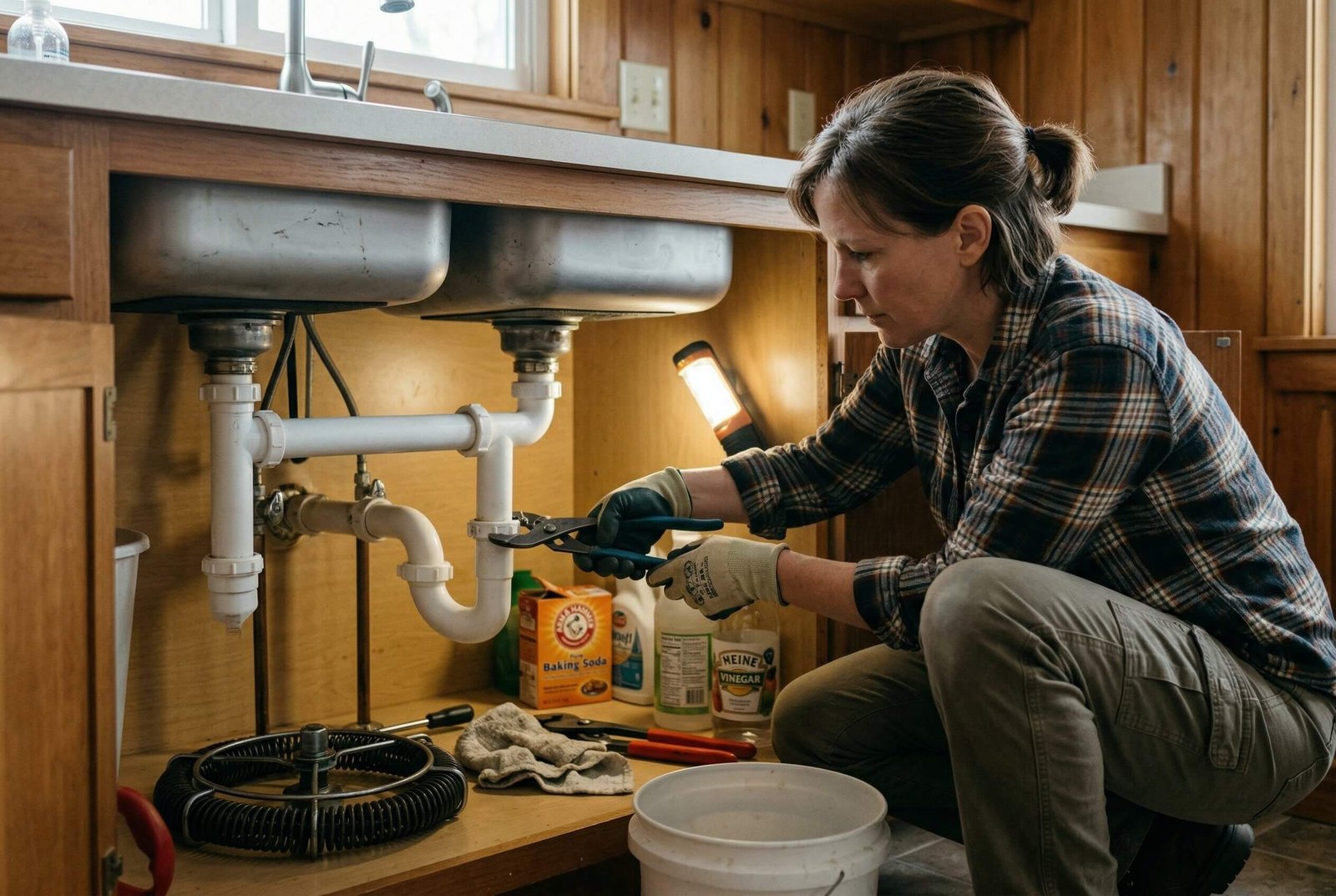
Most homeowners think drain cleaning is about clearing clogs quickly, but in real plumbing, the bigger goal is protecting your pipes over time. Every time you clean a drain, you’re not just removing buildup—you’re also affecting the condition of the pipe itself. Using harsh or aggressive methods might seem effective in the moment, but repeated use can slowly weaken pipes, damage joints, and create more serious problems down the line.
Many common drain cleaning products rely on strong chemicals that generate heat or corrosion to break down clogs. While they can work in certain situations, they often come with risks—especially in older plumbing systems or frequent use scenarios. These methods don’t just target the clog; they can also wear down pipe interiors, loosen seals, and reduce the overall lifespan of your plumbing system.
Safe drain cleaning focuses on maintaining flow without causing damage. Instead of forcing a solution, it works with the natural condition of your pipes—using gentle, consistent methods to manage buildup before it becomes a problem. This approach aligns with how professional plumbers maintain residential systems: prevent first, clean carefully, and avoid unnecessary stress on the pipes.
In this guide, you’ll learn how to clean your drains safely using methods that actually protect your plumbing. You’ll understand what works, what doesn’t, and how to build a routine that keeps your drains clear without risking long-term damage.
What This Page Covers
ToggleWhat Safe Drain Cleaning Really Means
Difference between safe cleaning and aggressive unclogging
Safe drain cleaning is about maintaining flow without damaging the pipe, while aggressive unclogging focuses on forcing a blockage out as quickly as possible. Safe methods work gradually and are designed for early-stage buildup, not full clogs. Aggressive methods—like strong chemicals or excessive pressure—can remove blockages faster but often stress the pipe in the process.
Protecting pipe material, joints, and long-term flow
Every pipe system has weak points—joints, seals, and bends. Safe cleaning methods are designed to avoid stressing these areas. Instead of relying on heat, corrosion, or force, they use controlled techniques that keep the internal surface of the pipe intact. This helps maintain smooth flow and prevents long-term damage that can lead to leaks or failures.
Balancing effectiveness with safety
The goal isn’t just to clean the drain—it’s to clean it without creating new problems. Safe methods may feel slower, but they reduce the risk of pipe wear, especially when used regularly. Over time, this balance between effectiveness and safety is what keeps your plumbing system stable and reliable.
Why “stronger” isn’t always better
Many homeowners assume that stronger products or more aggressive methods will give better results. In reality, stronger often means harsher, and harsher methods can damage pipes if used repeatedly. Safe drain cleaning focuses on consistency and timing, not intensity—because preventing buildup is always easier and safer than removing it after it hardens.
Cleaning vs Maintenance vs Unclogging (Critical Clarity)
What cleaning actually involves inside pipes
Drain cleaning means removing buildup that has already formed along the pipe walls. This includes grease layers, soap scum, biofilm, and mineral deposits that slowly restrict flow over time. Safe cleaning focuses on loosening and flushing these materials without damaging the pipe surface. It’s not about force—it’s about gradually restoring the pipe’s internal condition.
How maintenance differs from cleaning
Maintenance happens before buildup becomes a problem. It’s a routine approach that keeps residue from accumulating in the first place. Safe maintenance methods—like hot water flushing or mild treatments—work best when the drain is still flowing normally. Cleaning, on the other hand, is needed once buildup has already started to affect performance.
When you are dealing with a real clog
A clog means there is a physical blockage restricting water flow—such as hair, grease plugs, or debris trapped in the pipe. At this stage, safe cleaning methods alone are not enough. The issue requires mechanical removal or targeted intervention to clear the obstruction. Trying to “clean” a clog often leads to frustration because the problem is no longer surface-level.
Why using the wrong method causes damage
Using a method meant for one stage in another stage creates problems. For example, using aggressive chemicals for routine maintenance can slowly damage pipes, while using mild methods on a full clog won’t solve anything. Understanding the difference ensures you choose the right approach—protecting both your pipes and your time.
Why Safe Cleaning Methods Matter for Pipes
Preventing pipe corrosion and wear
Every time you use a drain cleaning method, you’re affecting the inside surface of your pipes. Harsh chemicals and aggressive treatments can slowly eat away at that surface, especially with repeated use. Safe cleaning methods avoid corrosion by using mild reactions and controlled techniques that remove buildup without damaging the pipe material. Over time, this helps maintain smooth internal walls, which allows water to flow freely and reduces future buildup.
Avoiding damage to seals and joints
Most plumbing systems are not made of a single continuous pipe—they include joints, seals, and connection points that are more vulnerable than straight sections. Strong chemical cleaners and high-pressure methods can weaken these areas, leading to leaks or joint failure. Safe cleaning focuses on protecting these weak points by avoiding excessive heat, pressure, or corrosive substances that could compromise the system.
Protecting older plumbing systems
Older homes often have pipes that are already worn or made from materials that are more sensitive to aggressive cleaning methods. In these cases, using harsh solutions can accelerate deterioration. Safe drain cleaning becomes even more important because it helps maintain function without adding stress to an already aging system.
Long-term cost savings from safe practices
While aggressive methods might offer quick results, they often lead to higher costs over time due to repairs or replacements. Safe cleaning methods reduce the risk of damage, helping extend the lifespan of your plumbing system. In the long run, maintaining pipes carefully is far more cost-effective than fixing problems caused by repeated harsh treatments.
Common Causes of Buildup in Residential Drains
Grease and food residue in kitchen drains
Kitchen drains deal with the most complex type of buildup—grease mixed with food particles. Grease enters the drain as a liquid but quickly cools and sticks to the pipe walls. Over time, it forms a sticky layer that traps other debris, creating a thick, restrictive buildup. Safe cleaning methods can help manage this early, but once it hardens, it becomes much harder to remove.
Soap scum and biofilm in bathroom drains
In bathroom sinks, showers, and tubs, soap mixes with minerals in water and forms a residue known as soap scum. This layer builds up gradually along the pipe walls. At the same time, organic matter creates a thin bacterial layer called biofilm, which contributes to odors. Safe cleaning methods are effective at managing these softer deposits when addressed early.
Hair and debris accumulation
Hair is one of the most common causes of clogs, especially in showers and bathtubs. It doesn’t dissolve easily and tends to bind with soap and other residues, forming dense clumps inside the pipe. Safe cleaning methods alone cannot remove hair, which is why physical prevention and removal are critical parts of maintaining these drains.
Mineral deposits in hard water areas
In areas with hard water, minerals like calcium and magnesium can build up inside pipes over time. These deposits create a rough surface that encourages other debris to stick more easily. Safe cleaning methods have limited impact on mineral buildup, so early prevention and periodic deeper cleaning become important in these situations.
Early Signs Your Drain Needs Safe Cleaning
Slight slow drainage
One of the first signs of buildup is water taking a little longer than usual to drain. It’s not a full slowdown, but you can notice the difference if you pay attention. This usually means residue has started forming along the pipe walls, reducing flow efficiency. At this stage, safe cleaning methods can still help restore normal flow.
Mild odors from drains
Unpleasant smells coming from a drain are often caused by organic residue and bacteria sitting inside the pipe. This is an early warning that buildup is present, even if water is still draining normally. Safe cleaning methods can help disrupt this layer and reduce the source of the odor before it worsens.
Gurgling sounds after use
If you hear light gurgling when water drains, it can indicate uneven flow caused by minor buildup or air pockets forming around residue inside the pipe. While not always serious, it’s a sign that the drain isn’t flowing as smoothly as it should. Addressing it early with safe cleaning helps prevent further accumulation.
Reduced water flow without blockage
Sometimes the flow feels slightly restricted even though there’s no visible clog or standing water. This usually points to buildup forming deeper in the pipe. Safe cleaning methods can still be effective here because the material hasn’t compacted into a solid obstruction yet.
Catching these signs early keeps you in the maintenance stage—where safe cleaning methods actually work—rather than waiting until the problem turns into a full clog.
Safe Drain Cleaning Methods Homeowners Can Use
Hot Water Flushing
Hot water is one of the simplest and most effective safe cleaning methods. It helps soften and move early-stage buildup before it sticks firmly to the pipe walls. This is especially useful in kitchen drains, where grease can begin to solidify quickly. Regular hot water flushing keeps residue moving and prevents it from settling into layers that restrict flow.
Dish Soap and Hot Water Method
Dish soap works by breaking down grease and allowing it to mix with water instead of sticking to the pipe. When combined with hot water, it becomes a powerful yet safe method for managing early grease buildup. This approach is ideal for kitchen sinks and should be used regularly to prevent grease from accumulating over time.
Baking Soda and Vinegar (Proper Use)
This method creates a mild reaction that can help disturb light residue and reduce odors. It works best in drains that are still flowing normally and dealing with early-stage buildup. While it’s safe for pipes, it’s important to use it as a maintenance tool—not as a solution for clogs or heavy buildup.
Enzyme-Based Cleaners
Enzyme cleaners are one of the most effective safe options for ongoing drain maintenance. They use natural bacteria and enzymes to break down organic material over time. Unlike quick reactions, they continue working for hours, making them suitable for deeper, slow-forming buildup in pipes.
Manual Cleaning (Hands-On Methods)
Physical cleaning is often the most effective and safest method when dealing with debris like hair or food particles. Removing buildup from drain openings, stoppers, and visible areas prevents it from entering the pipe and forming clogs. Combining manual cleaning with other safe methods creates a more complete maintenance system.
Step-by-Step Safe Drain Cleaning Routine
Step 1: Inspect and remove visible debris
Start by checking the drain opening, stopper, or strainer for any visible debris. Hair, food particles, and soap buildup often collect right at the entry point. Removing this material manually is critical because no cleaning method can dissolve or move solid debris effectively once it’s trapped inside.
Step 2: Choose the right method based on buildup type
Not all buildup is the same. Use hot water and dish soap for grease, enzyme cleaners for organic residue, and baking soda with vinegar for light odor and surface buildup. Matching the method to the problem ensures you’re cleaning effectively without stressing the pipes.
Step 3: Apply the cleaning method correctly
Pour or apply the chosen solution slowly so it reaches inside the pipe instead of staying at the surface. Avoid rushing this step. Safe cleaning methods rely on proper application and contact with buildup, not force or speed.
Step 4: Allow proper time for the method to work
Give the method enough time to interact with the residue. Enzyme cleaners may need several hours, while baking soda and vinegar typically need 10–15 minutes. Skipping this step reduces effectiveness because the solution doesn’t have time to do its job.
Step 5: Flush thoroughly with hot water
Finish with a strong hot water flush to move loosened material out of the pipe. This step is essential—it clears the drain and prevents residue from settling again. Without proper flushing, even safe cleaning methods lose most of their benefit.
Following this routine regularly helps maintain flow, reduce buildup, and protect your pipes without using harsh or damaging methods.
What Makes a Method “Safe” vs “Risky”
Pipe-friendly vs corrosive substances
Safe drain cleaning methods use mild, non-corrosive substances that clean without damaging the pipe material. These include hot water, dish soap, enzyme cleaners, and controlled natural reactions. Risky methods, on the other hand, rely on strong chemicals that generate heat or corrosion to break down buildup. While they may work faster, repeated use can weaken pipe walls and shorten the lifespan of your plumbing system.
Temperature and pressure considerations
Temperature and pressure play a big role in how safe a method is. Moderate heat, like hot tap water, helps loosen buildup without stressing the pipe. But extremely high temperatures or sudden pressure changes can damage certain materials, especially older or plastic pipes. Safe cleaning focuses on controlled conditions rather than extreme force.
Frequency of use impact
Even safe methods can become risky if used incorrectly or too often. For example, repeatedly applying any solution without proper flushing can lead to residue buildup instead of removal. Safe cleaning is about consistency and proper timing—not overuse. A balanced routine ensures effectiveness without unnecessary stress on the system.
Long-term vs short-term effects
Risky methods often provide quick, visible results but can create long-term damage that isn’t immediately noticeable. Safe methods may take longer to show results, but they protect the integrity of the pipes over time. In real plumbing, long-term reliability always matters more than short-term fixes.
Methods to Avoid or Use Carefully
Chemical Drain Cleaners
Chemical cleaners are one of the most commonly misused products in drain care. They work by creating heat or corrosion to break down clogs, but that same reaction can damage your pipes over time. Repeated use can weaken pipe walls, damage seals, and increase the risk of leaks—especially in older plumbing systems. While they may be necessary in certain situations, they should never be part of a regular maintenance routine.
Boiling Water Misuse
Hot water is helpful, but boiling water can be risky if used incorrectly. Extremely high temperatures can stress certain types of pipes, particularly older plastic or PVC systems. Sudden exposure to boiling water can cause expansion and potential weakening over time. It’s safer to use very hot tap water rather than pouring boiling water directly into the drain.
Overuse of DIY Mixtures
Many homeowners assume that combining or repeating DIY methods will increase effectiveness, but this often does more harm than good. Overusing mixtures like baking soda and vinegar doesn’t make them stronger—it just leads to unnecessary buildup or wasted effort. Safe cleaning is about using the right method at the right time, not repeating the same process excessively.
Understanding what to avoid is just as important as knowing what to use. Safe drain cleaning isn’t just about choosing the right methods—it’s also about avoiding habits that slowly damage your plumbing system.
Tools That Support Safe Drain Cleaning
Drain strainers and filters
Drain strainers are one of the simplest and most effective tools for preventing buildup. They sit at the drain opening and catch food particles, debris, and other solids before they enter the pipe. By reducing what goes inside, they lower the need for frequent cleaning and make safe methods more effective.
Hair catchers for bathrooms
In showers and bathtubs, hair is the primary cause of clogs. Hair catchers trap strands before they bind with soap and form blockages inside the pipe. Using this tool consistently is one of the most important steps in maintaining bathroom drains safely.
Plungers for minor issues
A basic plunger is a safe and useful tool for handling minor flow issues. It creates controlled pressure to move soft blockages without damaging the pipe. When used correctly, it can resolve small problems before they develop into larger clogs.
Drain snakes for safe manual removal
Drain snakes allow you to physically remove buildup like hair or debris from inside the pipe. Unlike chemical methods, they don’t rely on heat or corrosion, making them a safer option for dealing with localized blockages. They’re especially useful for bathroom drains where hair buildup is common.
These tools work alongside safe cleaning methods by preventing debris buildup and allowing physical removal when needed. Together, they create a more reliable and pipe-friendly maintenance system.
Safe Cleaning Schedule for Homeowners
Weekly light maintenance
For most households, a simple weekly routine goes a long way in preventing buildup. This includes running hot water through frequently used drains and checking for visible debris. In kitchen sinks, a quick hot water flush helps keep grease from settling, while in bathrooms, removing hair or residue at the surface prevents it from entering the pipe.
Monthly safe cleaning routine
Once a month, apply a deeper but still safe cleaning method based on the type of drain. This could be baking soda and vinegar for light residue, or enzyme cleaners for organic buildup. The goal is to manage early-stage deposits before they become thick enough to restrict flow.
Quarterly deeper inspection
Every few months, take time to inspect your drains more closely. Clean sink stoppers, remove trapped debris, and check for early signs of slow drainage or odor. This step helps catch issues that regular routines might miss and prevents hidden buildup from progressing further inside the pipe.
When to adjust based on usage
Not all drains require the same schedule. High-use areas like kitchen sinks or main bathroom drains may need more frequent attention, while less-used drains can be maintained less often. Adjusting your routine based on usage ensures you’re maintaining efficiency without overdoing it.
A consistent schedule keeps your drains in the maintenance stage, where safe cleaning methods are most effective and your pipes remain protected over time.
Cost of Safe Drain Cleaning in the U.S.
Low-cost DIY methods
Safe drain cleaning methods are generally very affordable. Most homeowners already have basic supplies like dish soap, baking soda, or vinegar at home. Even enzyme cleaners, which are more specialized, are relatively low-cost compared to professional services. When used correctly, these methods allow you to maintain your drains without spending much on products.
Comparison with chemical cleaners
Chemical drain cleaners often cost more per use and can create additional expenses over time. While they may seem effective in the short term, repeated use can damage pipes, leading to repairs that are far more expensive than the product itself. Safe methods, on the other hand, focus on prevention and long-term use, making them more cost-efficient overall.
Preventing expensive plumbing repairs
The real savings come from avoiding major plumbing issues. Regular use of safe cleaning methods helps prevent buildup from turning into clogs, reducing the need for emergency services or pipe repairs. Catching problems early is always less expensive than fixing them after they develop.
Long-term savings from safe practices
Over time, maintaining your drains safely extends the lifespan of your plumbing system. Fewer repairs, fewer replacements, and less reliance on aggressive treatments all contribute to lower overall costs. Safe drain cleaning is not just about saving money today—it’s about avoiding bigger expenses in the future.
Common Mistakes in Safe Drain Cleaning
Using safe methods too late
One of the most common mistakes is waiting until the drain is already slow or partially clogged before using safe cleaning methods. At that stage, buildup has usually thickened or compacted, making gentle methods ineffective. Safe cleaning is designed for early-stage maintenance, not for fixing established problems.
Ignoring physical debris removal
Many homeowners rely only on liquid solutions and skip removing visible debris like hair, food particles, or soap buildup. These materials don’t dissolve easily and continue to accumulate inside the pipe. Without manual removal, even the best cleaning routine won’t prevent clogs from forming.
Mixing incompatible methods
Combining different cleaning products or methods without understanding how they interact can reduce effectiveness or create unnecessary risks. For example, layering multiple treatments without proper flushing can leave residue inside the pipe instead of clearing it. Safe cleaning works best when methods are used correctly and separately.
Expecting instant results
Safe drain cleaning methods are designed to work gradually. Expecting immediate results often leads homeowners to overuse products or switch to aggressive solutions too quickly. Consistency and timing are more important than speed when it comes to maintaining drain health.
Avoiding these mistakes ensures that safe cleaning methods actually protect your pipes and keep your drains functioning properly over time.
How to Clean Different Drains Safely
Kitchen Sink
Kitchen drains require a grease-focused approach because most buildup comes from oils and food residue. Safe cleaning here relies heavily on hot water and dish soap to keep grease from sticking and hardening inside the pipe. Regular flushing after cooking helps move residue through the system before it settles.
Baking soda and vinegar can be used occasionally for odor control and light residue, but they won’t break down grease once it has formed a layer. Preventing grease buildup is far more effective than trying to clean it later.
Bathroom Sink
Bathroom sinks typically deal with softer buildup like toothpaste, soap, and grooming residue. Safe cleaning methods work well here because the material is easier to manage in early stages. Monthly maintenance using mild methods helps keep the drain clear and odor-free.
It’s also important to clean the stopper regularly, as buildup often collects there first. Removing this debris prevents it from entering the pipe and forming deeper blockages.
Shower and Bathtub
Hair is the main issue in these drains, and no safe cleaning method can dissolve it effectively. The priority should always be prevention and manual removal. Using a hair catcher and clearing it regularly is the most effective way to avoid clogs.
Safe cleaning methods can be used as a secondary step to manage soap scum and minor residue, but they only work if hair is already being controlled.
Laundry Drain
Laundry drains collect lint, detergent residue, and fabric fibers. Safe cleaning methods have limited impact on lint, so prevention is key. Ensuring lint doesn’t enter the drain and using occasional hot water flushing helps maintain flow.
Natural or enzyme-based methods can assist with odor control, but they won’t remove physical buildup like lint.
Basement and Floor Drains
These drains often suffer from lack of use, which leads to odors and stagnant conditions. Safe cleaning methods can help refresh the drain and reduce smells, but regular water flow is just as important to maintain the trap seal.
Periodic flushing and light maintenance keep these drains functional without needing aggressive cleaning methods.
When to Call a Professional Instead
Persistent slow drains
If a drain continues to run slow even after using safe cleaning methods, it usually means buildup has gone beyond the surface level. At this point, the restriction is deeper or more compacted than what gentle methods can handle. Continuing with DIY cleaning won’t fix the issue and can allow the problem to worsen over time.
Recurring clogs
When the same drain clogs repeatedly, it’s a sign that there’s an underlying issue—often buildup further down the pipe or a section that hasn’t been properly cleaned. Safe methods may provide temporary relief, but they won’t remove the root cause. Professional cleaning is needed to fully clear the line.
Multiple drain issues
If more than one drain in your home is showing signs of slow drainage or backup, the problem is likely in the main line rather than an individual fixture. This type of issue cannot be resolved with household methods and requires professional tools and inspection.
Signs of deeper pipe problems
Certain warning signs indicate more serious plumbing concerns, such as water backing up into other fixtures, strong sewer odors, or unusual gurgling across multiple drains. These symptoms often point to blockages or issues deeper in the system where safe cleaning methods have no effect.
Knowing when to stop DIY and call a professional helps prevent small issues from turning into major repairs. Safe drain cleaning is effective for maintenance—but it has clear limits when deeper problems develop.
Long-Term Pipe Maintenance Strategy
Combining safe cleaning with prevention
Long-term pipe health isn’t built on cleaning alone—it starts with prevention. Keeping grease, hair, and debris out of the drain reduces how much buildup forms in the first place. When combined with safe cleaning methods, this approach minimizes stress on your pipes and keeps flow consistent over time.
Building consistent routines
The most effective strategy is a simple, repeatable routine. Weekly hot water flushing, monthly safe cleaning, and periodic inspections help manage buildup before it becomes a problem. Consistency matters more than intensity—small, regular actions prevent the need for aggressive cleaning later.
Knowing when to escalate cleaning methods
Even with proper maintenance, there will be times when safe methods aren’t enough. Recognizing when buildup has moved beyond early stages allows you to switch to more appropriate solutions, such as mechanical cleaning or professional service. Acting early prevents damage and avoids more complex issues.
Maintaining pipe lifespan
Pipes last longer when they are not exposed to unnecessary stress. Safe cleaning methods reduce corrosion, protect joints, and maintain smooth internal surfaces. Over time, this leads to fewer repairs, better performance, and a more reliable plumbing system overall.
Final Thoughts
Safe drain cleaning isn’t about chasing quick results—it’s about making sure your pipes stay functional without taking damage over time. The biggest shift is understanding that not every drain issue needs a strong or aggressive solution. In most homes, problems build slowly, which means they can be managed early with the right approach.
The combination of prevention, routine care, and safe cleaning methods is what actually keeps drains working long-term. Simple habits like controlling what enters the drain, using mild methods consistently, and acting early when something changes will always be more effective than reacting to clogs after they form. Safe methods protect your pipes, reduce repair risks, and keep your system stable.
In the end, the goal isn’t just to clean your drains—it’s to maintain them in a way that avoids problems altogether.