
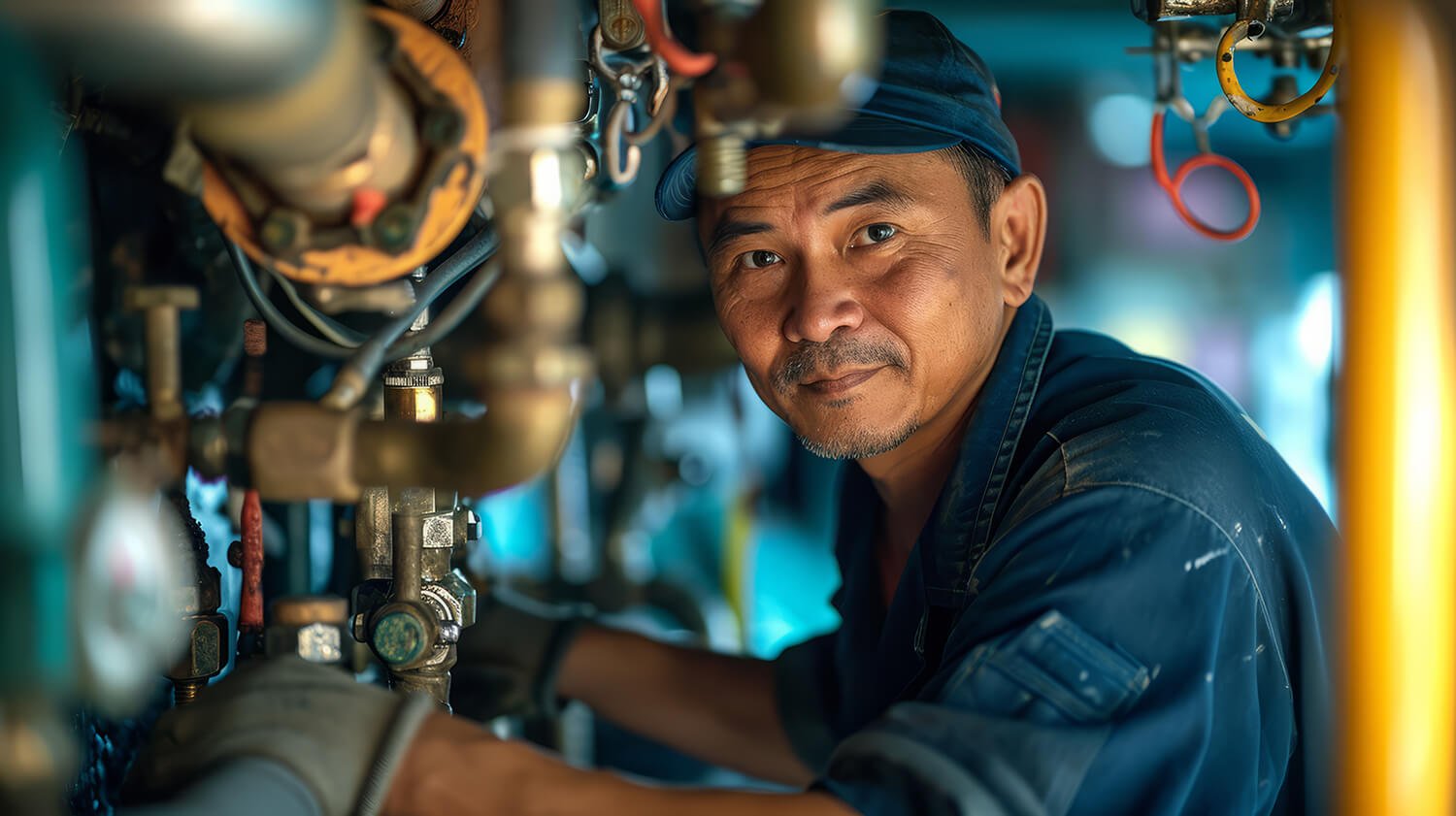
Philadelphia homes come with character—but that character often includes aging plumbing systems that behave very differently from what you’d find in newer cities. From century-old row homes in South Philly to mixed-use buildings in Center City, plumbing issues here are rarely straightforward. Pipes may be outdated, sewer lines often run through tight spaces, and even a simple drain problem can quickly turn into something more complicated.
Many homeowners in Philadelphia don’t just deal with clogs or leaks—they deal with recurring backups, slow drainage across multiple fixtures, and unexpected emergencies during colder months. Freezing winters can stress older pipes, while tree roots and shifting ground continue to affect underground sewer lines across many neighborhoods.
That’s why choosing a plumber in Philadelphia isn’t just about availability—it’s about finding someone who understands how these systems actually behave. A quick fix might solve today’s issue but create a bigger problem later if the root cause isn’t handled properly.
This guide is built to help you think clearly before calling someone. You’ll be able to compare different types of plumbers, understand realistic pricing, and recognize what matters most when dealing with plumbing problems in a city like this.
What This Page Covers
ToggleTop 10 Plumbers in Philadelphia
Philadelphia doesn’t have “one type” of plumber. Some focus on fast emergency response, others handle older home systems better, and a few specialize in sewer and drain work that’s common in this city. The difference isn’t just skill—it’s what kind of problems they deal with daily. That’s why comparing them properly matters before calling.
1. Best Choice Plumbing
Best Choice Plumbing is often called for everyday residential issues across Philadelphia, especially in older row homes where small problems can escalate quickly. They tend to handle a wide mix of work—leaks, clogged drains, fixture replacements—but what stands out is their familiarity with tight piping layouts and older systems. Homeowners dealing with recurring issues, rather than one-time problems, often end up working with them because they take time to trace root causes instead of applying quick fixes.
Approximate Pricing
- Drain cleaning: $150 – $350
- Leak repairs: $120 – $300
- Emergency visit: $200 – $500+
Why Homeowners Consider Them
- Comfortable working in older Philadelphia homes
- Handles both minor and recurring plumbing issues
- Willing to investigate underlying causes, not just surface problems
- Suitable for homeowners looking for practical, ongoing support
Website
bestchoiceplumbingphilly.com
2. Goodman Plumbing
Goodman Plumbing is often brought in when the issue goes beyond a basic clog or leak—especially in older Philadelphia homes where pipe condition and layout play a big role. They’re known for handling more involved work like sewer line concerns, recurring backups, and full system troubleshooting. In neighborhoods with aging infrastructure, homeowners tend to rely on them when the problem isn’t obvious and needs proper diagnosis before any repair begins.
Approximate Pricing
- Drain cleaning: $175 – $400
- Sewer line inspection: $250 – $600
- Emergency service: $250 – $600+
Why Homeowners Consider Them
- Strong focus on diagnosing deeper plumbing issues
- Experience with sewer line and backup-related problems
- Suitable for older properties with complex systems
- Handles situations where quick fixes have already failed
Website
goodmanplumbers.com
3. Philadelphia Plumbing & Heating
Philadelphia Plumbing & Heating is typically called for jobs that involve both plumbing and older mechanical systems, especially in long-standing homes where heating and water lines are closely tied together. Many homeowners dealing with recurring pipe leaks, pressure issues, or aging fixtures turn to them when the problem isn’t isolated to one area. Their work often involves understanding how the entire system behaves rather than just fixing a single symptom.
Approximate Pricing
- General repairs: $150 – $350
- Pipe replacement (partial): $400 – $1,200
- Emergency service: $250 – $600+
Why Homeowners Consider Them
- Familiar with combined plumbing and heating systems
- Works well in older Philadelphia properties
- Handles system-level issues, not just isolated fixes
- Useful for homeowners dealing with aging pipes and pressure inconsistencies
Website
philadelphiaplumbingheating.com
4. Zoom Drain Philadelphia
Zoom Drain Philadelphia is typically called when the issue is clearly drain- or sewer-related rather than general plumbing. In a city like Philadelphia, where older sewer lines and frequent backups are common, specialists like this become relevant when standard fixes stop working. They focus heavily on clogged drains, recurring backups, and underground line issues, often using tools like camera inspections and hydro jetting. Homeowners dealing with slow drains across multiple fixtures or repeated blockages often end up here after trying basic solutions.
Approximate Pricing
- Drain cleaning: $150 – $400
- Hydro jetting: $400 – $900
- Sewer camera inspection: $250 – $500
Why Homeowners Consider Them
- Specialized in drain and sewer-related problems
- Equipped for deeper blockages and recurring issues
- Useful when multiple drains are affected at once
- Handles problems that basic snaking doesn’t fully solve
Website
zoomdrain.com/philadelphia
5. Roto-Rooter Plumbing & Water Cleanup
Roto-Rooter is one of the more widely recognized names, and in Philadelphia, they’re often contacted during urgent situations—especially when homeowners need immediate response rather than scheduled work. They handle a broad range of issues, from clogged drains to water damage cleanup, which makes them a go-to in emergencies where multiple problems are happening at once. In older neighborhoods, where a backup can quickly affect basements or multiple fixtures, their ability to respond quickly is often the main reason people call.
Approximate Pricing
- Drain cleaning: $200 – $450
- Emergency plumbing: $300 – $700+
- Water cleanup services: $500 – $2,000+
Why Homeowners Consider Them
- Strong emergency response availability
- Handles both plumbing issues and water damage situations
- Suitable for urgent problems that can’t wait
- Nationwide system with consistent service processes
Website
rotorooter.com
6. My Plumber
My Plumber is often contacted for straightforward residential plumbing work where the goal is to fix the issue without turning it into a large project. In many Philadelphia homes—especially where systems are older but still functional—homeowners look for practical repairs rather than full replacements. This is where services like leak fixes, fixture changes, and localized pipe work become more relevant. They tend to handle these types of jobs consistently, making them a common choice for smaller but necessary repairs.
Approximate Pricing
- Minor repairs: $120 – $300
- Fixture installation: $150 – $400
- Emergency visit: $200 – $500+
Why Homeowners Consider Them
- Suitable for smaller, day-to-day plumbing issues
- Focus on practical fixes instead of large replacements
- Helpful for maintaining older systems without overhauling them
- Works well for homeowners managing ongoing minor problems
Website
myplumberphilly.com
7. John Snyder Plumbing & Heating
John Snyder Plumbing & Heating is often called for more established residential work, particularly in parts of Philadelphia where homes have older, layered systems that have been modified over time. These are situations where plumbing isn’t always straightforward—multiple past repairs, mixed piping materials, and inconsistent pressure can all be factors. Homeowners dealing with persistent issues or planning more involved upgrades tend to work with services like this, where the focus is on stabilizing the system rather than just fixing one symptom.
Approximate Pricing
- General plumbing repairs: $150 – $350
- Pipe upgrades/replacements: $500 – $1,500
- Emergency service: $250 – $600+
Why Homeowners Consider Them
- Experience with long-term plumbing issues in older homes
- Handles system adjustments and upgrades, not just quick fixes
- Familiar with mixed-material piping setups
- Suitable for homeowners looking to improve overall system reliability
Website
johnsnyderplumbing.com
8. Mr. Rooter Plumbing of Philadelphia
Mr. Rooter Plumbing is often considered when homeowners want a more structured, process-driven service experience—especially for common issues like clogged drains, slow lines, or routine plumbing repairs. In Philadelphia, where problems can range from simple blockages to more complex sewer concerns, they tend to sit somewhere between general plumbers and specialized drain services. Many homeowners call them when they want a clear explanation of the issue along with a defined repair approach.
Approximate Pricing
- Drain cleaning: $180 – $400
- General repairs: $150 – $350
- Emergency service: $250 – $600+
Why Homeowners Consider Them
- Consistent service approach with clear communication
- Handles both basic plumbing and drain-related problems
- Suitable for homeowners who want structured diagnostics
- Often used for repeat service and maintenance work
Website
mrrooter.com/philadelphia
9. Sila Heating, Air Conditioning & Plumbing
Sila is usually called in situations where plumbing is tied to larger home systems—especially in properties where heating, water lines, and overall infrastructure overlap. In Philadelphia, this often applies to older homes with upgraded systems or multi-unit buildings where plumbing isn’t isolated. Homeowners dealing with pressure issues, system-wide inefficiencies, or combined mechanical concerns often consider services like this when the problem isn’t limited to one fixture or pipe.
Approximate Pricing
- General plumbing repairs: $180 – $400
- System diagnostics: $250 – $600
- Emergency service: $300 – $700+
Why Homeowners Consider Them
- Handles plumbing issues connected to broader home systems
- Useful for multi-system troubleshooting (plumbing + heating)
- Suitable for larger homes or upgraded properties
- Focus on system-level performance rather than isolated fixes
Website
sila.com
10. Horizon Services
Horizon Services is typically considered when homeowners are dealing with larger residential systems or want a more structured service experience across plumbing and other home services. In Philadelphia and surrounding areas, they’re often called for planned work, system upgrades, or situations where multiple issues need coordination rather than a single quick repair. Their approach tends to suit homeowners who prefer scheduling, clear timelines, and handling multiple home service needs under one provider.
Approximate Pricing
- General plumbing repairs: $180 – $400
- Larger repairs/upgrades: $600 – $2,000+
- Emergency service: $300 – $700+
Why Homeowners Consider Them
- Handles larger or multi-part plumbing jobs
- Suitable for planned repairs and system upgrades
- Structured service process with scheduled work
- Useful when plumbing is part of broader home maintenance
Website
horizonservices.com
City-Specific Plumbing Challenges in Philadelphia
Philadelphia’s plumbing problems are shaped heavily by the city’s age, layout, and housing styles. Unlike newer cities where systems are more standardized, here you’re often dealing with decades—sometimes over a century—of layered repairs, outdated materials, and evolving infrastructure. That creates situations where the visible problem is rarely the actual problem.
One of the biggest challenges is aging piping systems, especially in row homes built long before modern plumbing standards. Many properties still have sections of galvanized steel, cast iron, or even older materials that have narrowed internally over time. This leads to slow drainage, recurring clogs, and inconsistent water pressure—not because of one blockage, but because the system itself has deteriorated.
Another major issue comes from underground sewer lines, which are frequently affected by tree root intrusion and ground movement. In neighborhoods with older trees and compact layouts, roots naturally find their way into small cracks in sewer pipes. Once inside, they expand and catch debris, eventually causing backups that affect multiple fixtures inside the home.
Common real-world problems homeowners face include:
- Basement backups during heavy rain or system overload
- Multiple drains slowing down at the same time
- Toilets and tubs reacting when other fixtures are used
- Persistent odors from older or partially blocked lines
Seasonal impact also plays a role. During winter, freezing temperatures can stress older pipes, especially those that have already weakened over time. Small cracks can expand, leading to leaks or bursts that aren’t always immediately visible.
Then there’s the challenge of access and layout. Philadelphia’s narrow streets and tightly packed homes can make it harder for plumbers to reach certain areas or bring in larger equipment. Inside homes, tight basements and limited pipe access often mean more time is required just to properly diagnose the issue.
All of this means plumbing in Philadelphia isn’t just about fixing what you see—it’s about understanding how older systems behave under stress, and why problems tend to repeat if the root cause isn’t addressed.
Plumbing Services Across Philadelphia and Nearby Areas
Plumbing in Philadelphia isn’t consistent across the city. The type of home, how old the system is, and even how closely properties are packed together can change how problems show up—and how they need to be handled. What works in one area may not apply in another, which is why understanding local differences actually helps you make better decisions when something goes wrong.
Center City
Center City presents a mix of high-rise buildings, condos, and older commercial-residential structures. Plumbing systems here are often shared or interconnected, especially in multi-unit buildings. This means a blockage or backup might not originate inside your unit at all—it could be coming from another floor or shared line.
Access is also a factor. Repairs may require coordination with building management, and even simple fixes can take longer due to restrictions. Water pressure issues, vertical pipe systems, and drainage backups in shared stacks are more common here than isolated pipe failures.
South Philadelphia
South Philadelphia is known for tightly packed row homes, many of which have older plumbing systems that have been modified over time. These homes often have narrow piping layouts and limited access points, making diagnosis more time-consuming.
Common issues here include recurring drain clogs, slow-moving sewer lines, and basement backups. Because homes are close together, sewer lines can be affected by neighboring properties, which means problems sometimes extend beyond a single house.
North Philadelphia
In North Philadelphia, aging infrastructure is a major factor. Many properties have older pipes that are more prone to leaks, corrosion, and pressure inconsistencies. Budget constraints also influence how repairs are handled, with homeowners often choosing partial fixes over full replacements.
This leads to situations where plumbing systems continue to function—but not efficiently. Frequent small leaks, temporary repairs, and repeated service calls are more common here than one-time solutions.
West Philadelphia
West Philadelphia has a mix of historic homes and renovated properties, which creates a different kind of challenge—mixed plumbing systems. It’s common to find newer pipes connected to older lines, which can lead to uneven performance.
Sewer line issues, especially involving tree roots, are also more common due to established neighborhoods with mature landscaping. Drainage problems may not be constant but tend to appear repeatedly over time if the underlying cause isn’t addressed.
Northeast Philadelphia
Northeast Philadelphia feels more suburban compared to other parts of the city. Homes here are generally newer, with more standardized plumbing layouts and fewer shared systems.
Issues are still present—like clogged drains or occasional pipe leaks—but they’re often more isolated and easier to diagnose. Repairs tend to be more straightforward, and full system replacements are less common compared to older parts of the city.
Understanding these differences helps explain why plumbing experiences vary so much across Philadelphia. The problem isn’t just what’s happening—it’s where it’s happening, and how the system behind it was built.
How to Choose the Right Plumber in Philadelphia
Choosing a plumber in Philadelphia isn’t just about who can show up first—it’s about who actually understands the kind of system they’re walking into. With older homes, shared lines, and inconsistent infrastructure, the wrong decision can turn a small issue into a repeated problem.
One of the first things to look for is experience with older plumbing systems. Many homes in Philadelphia don’t follow modern layouts, and pipes may have been modified multiple times over decades. A plumber who primarily works on newer homes may fix the immediate issue but miss the underlying cause. Someone familiar with older systems is more likely to recognize patterns—like why a drain keeps clogging or why pressure fluctuates.
Emergency availability is another factor, but it should be understood correctly. Just because someone offers emergency service doesn’t mean they’re the right fit for every situation. Some plumbers focus on rapid response and temporary stabilization, while others are better suited for deeper diagnosis and long-term fixes. Knowing which one you need helps avoid unnecessary costs.
Pricing transparency is where many homeowners make mistakes. A low initial quote can look appealing, but without proper inspection, it often leads to added costs later. In Philadelphia, where access is limited and systems are complex, pricing should reflect both the difficulty of the job and the time required to properly diagnose it.
Here’s what to pay attention to when deciding:
- Whether they inspect the issue before giving a final quote
- How clearly they explain what’s causing the problem
- If they distinguish between a temporary fix and a long-term solution
- Whether they’re comfortable working in older or tight-space systems
Common mistakes homeowners make include:
- Choosing based only on price without understanding scope
- Accepting quick fixes for recurring problems
- Not asking what caused the issue in the first place
Red flags to watch for:
- Vague answers about the root cause
- Immediate upselling without inspection
- Rushing through diagnosis to start work quickly
In a city like Philadelphia, the right plumber isn’t just fixing pipes—they’re interpreting a system that’s been evolving for decades. Choosing someone who understands that difference is what prevents repeat problems and unnecessary expenses.
Average Plumbing Cost in Philadelphia
Plumbing costs in Philadelphia vary more than most homeowners expect, mainly because the work itself is rarely straightforward. The age of the system, how accessible the pipes are, and whether the issue is isolated or part of a larger problem all influence pricing. Two homes on the same street can end up paying very different amounts for what seems like the same issue.
Drain Cleaning
For basic drain cleaning, homeowners typically pay anywhere from $150 to $400, depending on the severity of the clog and how easy it is to access. A simple kitchen or bathroom drain blockage may fall on the lower end, but if the issue involves deeper buildup or multiple affected fixtures, the cost increases.
If standard snaking doesn’t solve the issue and more advanced methods like hydro jetting are needed, pricing can move into the $400 to $900 range. This is often the case when clogs are recurring or located deeper in the system.
Emergency Plumbing
Emergency plumbing services usually cost between $250 and $700+, depending on timing and severity. Late-night calls, weekend visits, and urgent situations like active leaks or backups typically come with higher service charges.
In Philadelphia, emergencies can escalate quickly—especially in older homes where a small leak can spread through walls or into basements. The cost often reflects both the urgency and the effort required to stabilize the situation before a permanent fix is done.
Sewer Line Repair and Replacement
Sewer line work is where costs vary the most. Minor repairs may start around $800 to $2,500, but full replacements can range from $3,000 to $10,000+, depending on the length of the line, depth, and accessibility.
Older neighborhoods often require more labor due to narrow spaces, street access limitations, and the condition of surrounding infrastructure. If digging is required, costs can increase significantly, especially if sidewalks or driveways are involved.
Why Costs Vary So Much
In Philadelphia, pricing isn’t just about the job—it’s about the conditions around the job. Factors that influence cost include:
- Pipe condition – Older pipes are more fragile and harder to work with
- Access limitations – Tight basements, narrow streets, and buried lines increase labor time
- Extent of the problem – A visible issue may be part of a larger system failure
- Time and urgency – Emergency calls and after-hours work come at a premium
Hidden Costs Homeowners Don’t Expect
Many homeowners assume the initial quote covers everything, but additional costs often appear once the work begins. This happens when the true condition of the system isn’t fully visible at the start.
Common hidden factors include:
- Discovering additional blockages deeper in the line
- Needing extra time to access hard-to-reach pipes
- Replacing sections of pipe that were already weakened
- Cleanup or restoration after major repairs
Understanding these variables helps set realistic expectations. In a city like Philadelphia, plumbing costs are less about fixed pricing and more about how complex the situation becomes once the system is opened up.
When to Call a Professional Plumber
In Philadelphia homes, plumbing problems rarely stay small for long. What starts as a slow drain or minor leak can quickly turn into a larger issue because of how older systems are built and connected. Knowing when to stop trying quick fixes and call a professional can save both time and significant repair costs.
One clear sign is when the same issue keeps returning. A drain that clogs every few weeks or a toilet that behaves inconsistently usually points to a deeper problem in the system—not something a basic fix will solve. In many Philadelphia homes, this often ties back to partially blocked sewer lines or aging pipes that are narrowing internally.
You should also call a professional when multiple fixtures are affected at once. For example, if using the sink causes the toilet to react, or if water backs up in the tub while doing laundry, the issue is likely beyond a single drain. These are early indicators of system-wide pressure or blockage problems that need proper diagnosis.
Situations that typically require professional attention include:
- Water backing up into basement drains or lower-level fixtures
- Slow drainage across multiple areas of the home
- Persistent sewer odors that don’t go away
- Sudden drops in water pressure without a clear reason
There’s also a point where DIY becomes risky rather than helpful. Chemical cleaners, repeated plunging, or temporary fixes can sometimes worsen the problem—especially in older pipes that are already fragile. What feels like a simple blockage could actually be a buildup that requires professional tools or inspection.
Delaying action in Philadelphia homes carries its own risks. Water can spread quickly through shared walls or flooring, and sewer backups can create contamination issues that go beyond plumbing repairs. In colder months, even a small leak can freeze and expand, leading to pipe bursts that are far more expensive to fix.
The key is recognizing escalation. If the problem is affecting more than one area, coming back repeatedly, or showing signs of deeper system stress, it’s no longer a surface issue. That’s when calling a professional isn’t just helpful—it’s necessary to prevent larger damage.
Final Thoughts
Plumbing in Philadelphia isn’t just about fixing what’s visible—it’s about understanding how older systems behave under pressure. Many homes here have been modified over decades, which means problems don’t always follow a clear pattern. A slow drain, a minor leak, or an occasional backup can all be early signs of something deeper building inside the system.
That’s why rushing into a decision often leads to repeat issues. Calling the first available plumber may solve the immediate problem, but without proper diagnosis, the same issue can return in a different form. In many cases, homeowners end up paying more over time because the root cause was never fully addressed.
The better approach is to step back and assess the situation. Understand whether the issue is isolated or affecting multiple parts of the home. Pay attention to patterns—recurring clogs, pressure changes, or unusual noises—and use those clues when speaking to a plumber. The more clearly the problem is described, the easier it is to get an accurate solution.
Philadelphia’s plumbing challenges are unique, but they’re also predictable once you understand how the systems work. Choosing someone who takes the time to explain the issue, rather than rushing to fix it, makes a noticeable difference—not just in the quality of the repair, but in how long it lasts.
In the end, the goal isn’t just to fix a problem today. It’s to avoid dealing with the same issue again a few weeks or months later.