
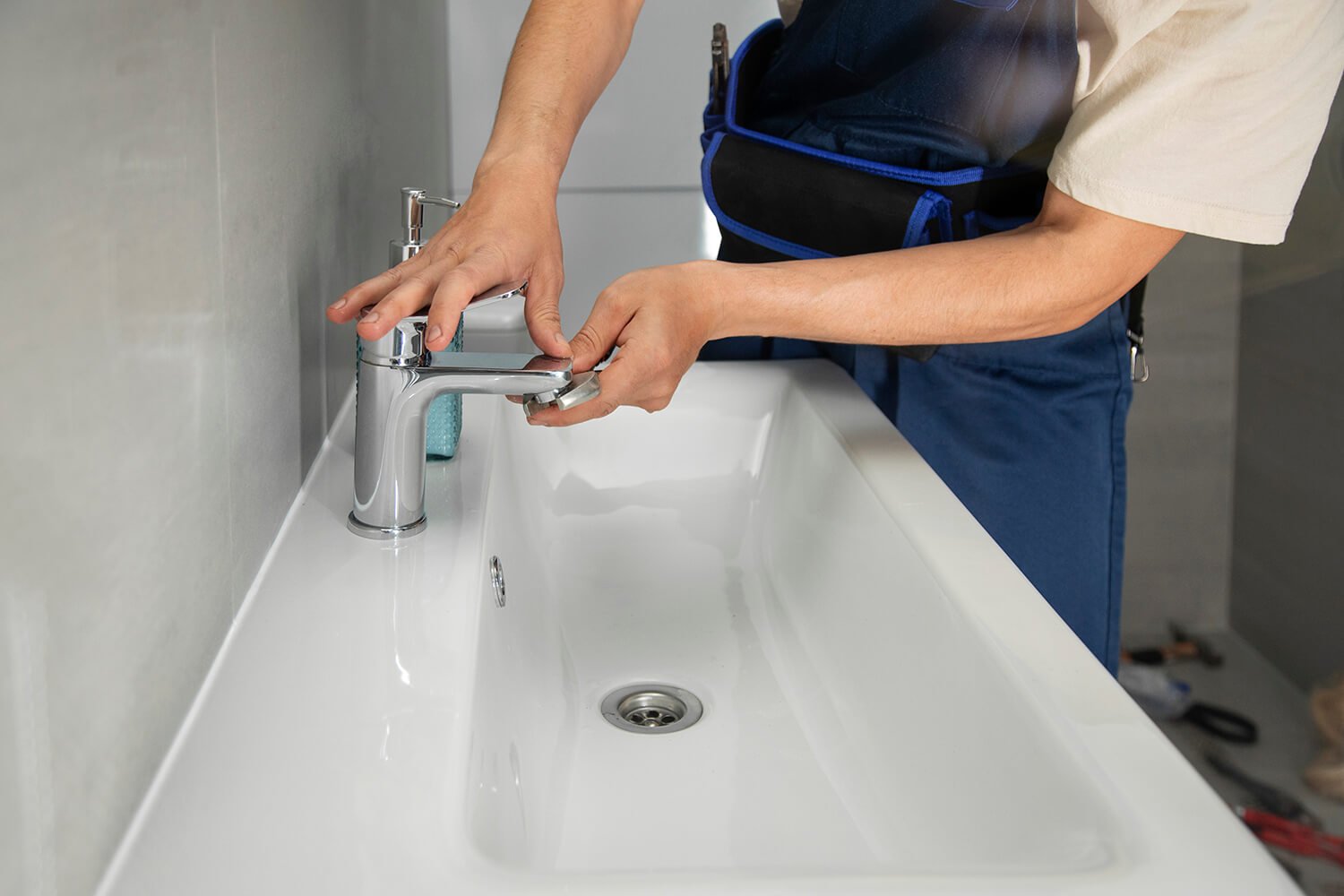
If you own a home in Pittsburgh, plumbing isn’t something you think about—until it suddenly becomes urgent. And in this city, problems tend to show up faster than expected. Between older homes, cold winters, and a mix of outdated and upgraded systems, even a small issue like a slow drain or minor leak can turn into something more serious if ignored.
A big part of the challenge here is the age of the infrastructure. Many properties still rely on older piping materials, and basements are common, which increases the risk of water-related issues like sump pump failures or sewer backups. Add in freezing temperatures during winter, and you start to see why plumbing problems in Pittsburgh aren’t always straightforward.
That’s why choosing the right plumber matters more than just picking the first available option. It’s not only about fixing the immediate issue—it’s about understanding your home, preventing repeat problems, and avoiding unnecessary costs.
This guide is designed to help you do exactly that. Instead of generic listings, you’ll get a clearer picture of what different plumbers are actually known for, what you can expect to pay, and how to make a confident decision based on your specific situation.
What This Page Covers
ToggleTop 10 Plumbers in Pittsburgh, PA
Finding a plumber in Pittsburgh isn’t just about who can show up fastest—it’s about who actually understands the kind of homes and plumbing systems common in this area. From older brick houses with aging pipes to newer suburban builds with sump pump dependencies, the right plumber often depends on the type of issue you’re dealing with.
Some companies are better suited for emergency plumbing situations, especially during winter when frozen pipes and sudden leaks are more common. Others focus more on long-term fixes like sewer line repair or full system upgrades, which are often needed in older neighborhoods. Pricing, response time, and equipment also vary more than most homeowners expect.
The goal here is to help you see those differences clearly—so you’re not just choosing a name, but choosing the right fit for your situation.
1. Gillece Services
Gillece Services has been around Pittsburgh for decades and is one of the more recognized names when it comes to residential plumbing. They tend to handle a wide range of issues—from basic drain cleaning to more complex problems like sewer line repair and whole-home plumbing upgrades. Because of their size, they’re often able to respond quickly, which is useful during emergencies.
What stands out is their focus on diagnostic work. Instead of jumping straight into repairs, they usually assess the full system, which can help uncover underlying issues—especially in older homes where multiple problems can exist at once. That said, their structured process can sometimes feel more formal compared to smaller local plumbers.
Approximate Pricing
- Drain cleaning: $150 – $350
- Emergency visit: $200 – $500+
- Sewer line repair: $3,000 – $8,000+
Why Homeowners Consider Them
- Handles both small fixes and large-scale plumbing issues
- Strong availability for emergency plumbing situations
- Experience with older Pittsburgh homes and outdated piping
- Uses advanced diagnostic tools (camera inspections, etc.)
- Structured service process reduces guesswork
- Can manage full plumbing system upgrades if needed
Website
gillece.com
2. Sullivan Super Service
Sullivan Super Service is another long-standing plumbing company in Pittsburgh that many homeowners come across when dealing with both urgent repairs and planned work. They cover a wide range of services, including drain cleaning, leak repairs, water heater work, and larger system issues like sewer line repair. Their team is typically well-equipped, which helps when dealing with older properties where access and pipe conditions can complicate repairs.
One thing homeowners often notice is their structured scheduling and communication process. You’re usually given a clear appointment window and a breakdown of the issue before work begins. This can be helpful if you’re trying to avoid surprises, especially on bigger jobs. However, like many larger service providers, pricing can vary depending on the complexity of the issue and how quickly service is needed.
Approximate Pricing
- Drain cleaning: $150 – $400
- Emergency plumbing visit: $250 – $550+
- Sewer line repair: $3,500 – $9,000+
Why Homeowners Consider Them
- Handles both routine plumbing and complex system repairs
- Reliable scheduling and communication compared to smaller crews
- Experience working with older Pittsburgh plumbing setups
- Equipped for diagnostic work and deeper inspections
- Covers emergency plumbing situations across multiple areas
- Can manage follow-up repairs after initial diagnosis
Website
sullivansuperservice.com
3. Mr. Rooter Plumbing of Pittsburgh
Mr. Rooter Plumbing operates as part of a national brand, but the Pittsburgh location focuses heavily on local residential issues—especially drain-related problems and sewer line work. They’re often called in for recurring clogs, slow drains, and situations where basic fixes haven’t worked. Their approach tends to lean toward inspection-first, using camera diagnostics to understand what’s actually happening inside the pipes before suggesting a solution.
This can be particularly useful in Pittsburgh, where tree root intrusion and older sewer lines are common. Instead of temporary fixes, they often recommend longer-term solutions when needed. Because they specialize in this type of work, they’re a common choice when homeowners are dealing with repeat plumbing issues rather than one-time problems.
Approximate Pricing
- Drain cleaning: $175 – $400
- Emergency plumbing visit: $250 – $600+
- Sewer line repair: $4,000 – $10,000+
Why Homeowners Consider Them
- Strong focus on drain cleaning and sewer line repair
- Uses camera inspections to identify root causes
- Suitable for recurring or complex plumbing issues
- Experience with tree root intrusion in older sewer lines
- Clear explanation of problem before starting work
- Offers both short-term fixes and long-term solutions
Website
mrrooter.com/pittsburgh
4. Matt Mertz Plumbing
Matt Mertz Plumbing is a locally rooted company that many Pittsburgh homeowners turn to when they want a more straightforward, less corporate service experience. They’ve built their reputation on handling everyday residential plumbing issues efficiently—things like leaking pipes, fixture replacements, drain cleaning, and smaller repair jobs that don’t always require a large team.
What sets them apart is their familiarity with older homes and typical Pittsburgh plumbing layouts. Instead of pushing large-scale replacements immediately, they often focus on practical fixes first, especially when the issue can be resolved without major disruption. This makes them a common choice for homeowners who prefer a more conservative, problem-solving approach rather than jumping into expensive upgrades.
They may not always be the fastest option for large emergencies compared to bigger companies, but for planned work and mid-level repairs, they tend to be consistent and predictable.
Approximate Pricing
- Drain cleaning: $120 – $300
- Emergency plumbing visit: $200 – $450+
- Sewer line repair: $3,000 – $7,000+
Why Homeowners Consider Them
- Strong focus on residential plumbing repairs
- Practical approach before suggesting major replacements
- Experience with older Pittsburgh home plumbing systems
- Suitable for mid-sized jobs and non-urgent repairs
- More straightforward service compared to larger companies
- Consistent for routine plumbing maintenance work
Website
mattmertzplumbing.com
5. Terry’s Plumbing
Terry’s Plumbing is a smaller, locally operated company that many Pittsburgh homeowners turn to when they want a more personal, hands-on service experience. Unlike larger operations, their work tends to focus on practical residential repairs—things like clogged drains, leaking fixtures, water line issues, and general troubleshooting. This makes them a good fit for homeowners dealing with everyday plumbing problems rather than large-scale system replacements.
One thing that stands out is their approach to problem-solving. Instead of immediately suggesting extensive repairs, they often try to identify the simplest effective fix first. In a city like Pittsburgh, where older plumbing systems can present multiple layered issues, this kind of approach can help avoid unnecessary work and cost. However, for highly complex or large infrastructure jobs, they may not have the same scale of resources as bigger companies.
Approximate Pricing
- Drain cleaning: $100 – $280
- Emergency plumbing visit: $180 – $400+
- Sewer line repair: $2,800 – $6,500+
Why Homeowners Consider Them
- More personal, one-on-one service experience
- Focus on practical fixes before major replacements
- Suitable for routine plumbing issues and smaller repairs
- Familiar with older Pittsburgh residential plumbing setups
- Often more flexible in handling mid-level problems
- Straightforward communication about what’s actually needed
Website
terrysplumbingpgh.com
6. Roto-Rooter Plumbing & Water Cleanup (Pittsburgh)
Roto-Rooter is one of the most widely recognized names in plumbing, and their Pittsburgh team is often called in when homeowners are dealing with urgent or messy situations. They handle everything from clogged drains and backups to water damage cleanup, which makes them a common choice when plumbing issues start affecting the home beyond just the pipes.
Their strength lies in availability and equipment. They’re typically able to respond quickly, including after-hours, and come prepared with tools for both clearing blockages and handling cleanup. This is especially useful in Pittsburgh where basement flooding or sewer backups can escalate quickly if not handled properly. However, because of their emergency-focused model, costs can vary depending on timing and severity.
Approximate Pricing
- Drain cleaning: $200 – $450
- Emergency plumbing visit: $300 – $700+
- Sewer line repair: $4,000 – $12,000+
Why Homeowners Consider Them
- Strong availability for emergency plumbing situations
- Equipped for both plumbing repair and water cleanup
- Handles severe backups and flooding scenarios
- Suitable for urgent issues that can’t wait
- Uses specialized equipment for drain and sewer problems
- Covers a wide service area across Pittsburgh
Website
rotorooter.com/pittsburgh
7. Stahl Plumbing, Heating & Air Conditioning
Stahl Plumbing is a long-established company in the Pittsburgh area that handles both plumbing and HVAC work, which can be useful for homeowners dealing with interconnected systems—especially in older homes where heating and plumbing often overlap. They’re commonly called for water heater issues, pipe repairs, and system upgrades that require a broader understanding of how everything works together.
One thing that stands out is their experience with full-system work rather than just isolated fixes. In Pittsburgh, where older homes may have a mix of outdated and updated components, this can help avoid situations where one repair creates another issue elsewhere. They tend to approach jobs with a more comprehensive view, which is helpful for long-term reliability, though it may not always be the fastest option for very small repairs.
Approximate Pricing
- Drain cleaning: $150 – $350
- Emergency plumbing visit: $250 – $550+
- Sewer line repair: $3,500 – $9,000+
Why Homeowners Consider Them
- Experience with both plumbing and heating systems
- Suitable for homes with complex or older infrastructure
- Handles water heater and system-level repairs
- Focus on long-term fixes rather than quick patches
- Familiar with full-home plumbing layouts
- Capable of managing multi-system issues
Website
stahlplumbing.com
8. O’Donnell Plumbing, Heating & Cooling
O’Donnell Plumbing is a family-run business that has been serving the Pittsburgh area for many years, and it shows in how they approach residential plumbing work. They’re often called for routine repairs, water heater issues, and troubleshooting problems that don’t always have an obvious cause—like intermittent leaks or inconsistent water pressure.
What homeowners tend to notice is their familiarity with day-to-day plumbing problems in Pittsburgh homes. Instead of overcomplicating things, they usually focus on identifying what’s actually causing the issue and fixing it in a practical way. This is especially useful in older neighborhoods where plumbing systems may have been modified over time, creating unexpected problem points.
They’re generally a better fit for planned work and non-emergency repairs, though they can still handle urgent situations depending on availability.
Approximate Pricing
- Drain cleaning: $120 – $300
- Emergency plumbing visit: $200 – $450+
- Sewer line repair: $3,000 – $7,500+
Why Homeowners Consider Them
- Family-run service with consistent local experience
- Strong focus on practical, everyday plumbing repairs
- Familiar with older and modified plumbing systems
- Suitable for troubleshooting less obvious issues
- Handles water heater and pressure-related problems
- More straightforward approach compared to larger companies
Website
odonnellplumbing.com
9. South Hills Plumbing & Heating
South Hills Plumbing & Heating is a well-known option for homeowners located in the southern parts of Pittsburgh, particularly in suburban neighborhoods where homes often rely on sump pumps, water lines, and more modern plumbing layouts. They handle a mix of routine repairs and larger system work, including pipe replacements, water heater installations, and sewer line repair.
What makes them relevant locally is their experience with homes that sit on sloped terrain or deal with drainage challenges—something common in parts of Pittsburgh. Issues like water pressure inconsistencies or drainage flow problems are areas they frequently work on. Their approach is generally practical, focusing on resolving the issue without unnecessary upgrades unless the system truly requires it.
They’re often chosen by homeowners who want a balance between local familiarity and the ability to handle mid-to-large plumbing jobs.
Approximate Pricing
- Drain cleaning: $130 – $320
- Emergency plumbing visit: $220 – $500+
- Sewer line repair: $3,200 – $8,500+
Why Homeowners Consider Them
- Strong presence in South Hills and surrounding areas
- Experience with suburban plumbing systems and layouts
- Handles both routine repairs and larger plumbing jobs
- Familiar with drainage challenges in sloped properties
- Suitable for water line and pressure-related issues
- Balanced approach between repair and replacement decisions
Website
southhillsplumbing.com
10. J&A South Park Plumbing & Heating
J&A South Park Plumbing & Heating is a smaller, locally focused company that many homeowners in the Pittsburgh area turn to for straightforward residential plumbing work. They typically handle common issues like clogged drains, leaking pipes, fixture installations, and general system troubleshooting. Their work is often centered around practical repairs rather than large-scale projects, making them a good fit for everyday plumbing needs.
What stands out is their familiarity with local homes, especially in suburban and older residential areas where plumbing systems may have been partially updated over time. Instead of pushing for major replacements, they tend to focus on resolving the immediate issue effectively. This can be helpful when you’re trying to manage costs or avoid unnecessary disruption. However, for highly complex jobs or large infrastructure work, homeowners may sometimes look toward larger companies.
Approximate Pricing
- Drain cleaning: $100 – $280
- Emergency plumbing visit: $180 – $400+
- Sewer line repair: $2,800 – $6,500+
Why Homeowners Consider Them
- Local, hands-on service approach
- Suitable for routine plumbing repairs and smaller jobs
- Familiar with suburban and older Pittsburgh homes
- Focus on practical fixes before recommending upgrades
- Straightforward communication about scope and cost
- Often a flexible option for mid-level plumbing issues
Website
jasouthparkplumbing.com
City-Specific Plumbing Challenges in Pittsburgh
Plumbing in Pittsburgh comes with a very specific set of challenges that you don’t see in newer or flatter cities. A big part of it comes down to three things working together—weather, aging infrastructure, and terrain. If you understand these, you’ll understand why certain plumbing problems keep showing up again and again.
One of the biggest factors is winter weather. Pittsburgh gets freezing temperatures that can drop quickly, and that puts stress on pipes—especially in older homes where insulation may not be consistent. Frozen pipes aren’t just a temporary inconvenience. When water freezes, it expands, and that pressure can crack pipes from the inside. Often, homeowners don’t notice the damage until the pipe thaws and starts leaking.
Another major issue is the age of the plumbing systems. Many homes in Pittsburgh were built decades ago and still rely on older materials like cast iron or galvanized steel. Over time, these pipes corrode, narrow, and become more prone to blockages. That’s why problems like slow drains or recurring clogs are so common—they’re often symptoms of aging pipes rather than simple buildup.
Then there’s the issue of basements and water management. Pittsburgh homes frequently have basements, and many rely on sump pumps to keep water out. During heavy rain or snowmelt, these systems are under pressure. If a sump pump fails or a drain line backs up, water can accumulate quickly, leading to flooding and damage.
Terrain also plays a role. Pittsburgh is known for its hills, and that affects how water flows through both supply lines and drainage systems. Homes on slopes can experience pressure differences, while sewer lines may be more vulnerable to shifting or root intrusion.
Here are some of the most common real-world issues homeowners deal with:
- Frozen or burst pipes during winter months
- Recurring drain clogs due to aging pipe interiors
- Basement flooding from sump pump failure
- Sewer backups caused by tree root intrusion
- Water pressure inconsistencies in hillside homes
- Slow drainage due to partial pipe collapse or buildup
These challenges are why plumbing issues in Pittsburgh often require more than quick fixes. Understanding the root cause—whether it’s weather, pipe age, or terrain—makes a big difference in choosing the right solution.
Plumbing Services Across Pittsburgh and Nearby Areas
Plumbing conditions in Pittsburgh don’t stay consistent across the city. The type of home, age of construction, and even the neighborhood layout can change how plumbing systems behave. That’s why a solution that works in one area may not apply the same way in another.
Understanding these differences helps you choose the right type of service—whether it’s simple drain cleaning, deeper sewer line repair, or ongoing maintenance.
Downtown / Central Pittsburgh
Homes and buildings in central Pittsburgh are often older, with tight spaces and limited access to plumbing lines. Many systems have been modified over time, which can make repairs less straightforward. Accessing pipes may require more labor, especially in multi-unit buildings.
Drain issues here are often tied to aging infrastructure, and sewer lines may be shared or interconnected. This makes diagnosis more important before any repair work begins. Emergency plumbing situations can also be more complex due to building constraints.
South Side & Oakland
These areas have a high concentration of student housing and rental properties. Plumbing systems here tend to experience more wear and tear due to heavy usage. Frequent issues include clogged drains, overworked fixtures, and inconsistent maintenance history.
Because of this, temporary fixes are common—but not always effective long-term. Many homes in these areas benefit from more thorough inspections, especially when dealing with recurring problems. Sewer line repair may also be needed if systems have been neglected over time.
North Hills
North Hills has more suburban-style homes, often with basements and sump pump systems. Here, plumbing issues are more tied to water management—especially during heavy rain or snowmelt.
Sump pump failure is a major concern in this area, and homeowners often rely on backup systems to prevent flooding. Water pressure and supply lines are usually more stable than in older city homes, but drainage systems still need regular maintenance to avoid backups.
East End
The East End includes a mix of older homes and partially renovated properties. Many houses have had updates, but not always full system replacements. This creates a situation where new fixtures are connected to older pipes.
Problems here often involve compatibility issues—like reduced water pressure, uneven drainage, or hidden leaks. Drain cleaning may provide temporary relief, but underlying pipe conditions sometimes require more permanent solutions.
Surrounding Suburbs
In areas outside the city center, plumbing systems are generally newer but still face challenges related to terrain and seasonal changes. Homes may have longer sewer lines, which increases the risk of root intrusion or blockages over time.
These properties often require a balance between maintenance and prevention. Regular inspections, especially of sewer lines and drainage systems, can help avoid larger repairs later.
Across all these areas, one thing stays consistent—plumbing issues in Pittsburgh are rarely one-size-fits-all. The right approach depends heavily on where you live, how your home was built, and how the system has been maintained over time.
How to Choose the Right Plumber in Pittsburgh
Choosing a plumber in Pittsburgh isn’t just about availability—it’s about finding someone who understands the kind of problems your specific home is likely to have. With older infrastructure, basements, and winter-related risks, the wrong choice can lead to repeat issues or unnecessary costs.
One of the first things to look at is experience with your type of home. A plumber who regularly works on newer suburban houses may approach a problem very differently than someone used to older city properties with aging pipes. In Pittsburgh, that distinction matters. Older systems often need careful diagnosis rather than quick replacements.
Emergency availability is another factor that becomes important, especially during winter. Frozen pipes or sudden leaks don’t wait for business hours. Knowing whether a plumber can respond quickly—and how they handle after-hours work—can make a real difference in preventing damage.
Pricing transparency is where many homeowners get caught off guard. Some plumbers provide clear ranges upfront, while others may only give partial estimates. It’s not about choosing the cheapest option—it’s about understanding what you’re actually paying for, especially for services like drain cleaning or emergency plumbing.
You should also consider how they diagnose problems. In Pittsburgh, many plumbing issues are symptoms of deeper causes—like corroded pipes or partial sewer line collapse. A plumber who uses proper inspection methods, like camera diagnostics, is more likely to solve the problem properly rather than just treating the surface issue.
Here’s the kind of decision logic homeowners often overlook:
- Choosing based only on speed, not long-term solution
- Accepting vague pricing without understanding scope
- Ignoring recurring issues instead of investigating root causes
- Going for temporary fixes when the system needs deeper work
Red flags to watch for:
- No clear explanation of the issue before starting work
- Pricing that changes significantly mid-job without reason
- Pushing full replacements without proper inspection
- Lack of familiarity with older plumbing systems
In a city like Pittsburgh, the right plumber isn’t just someone who can fix a problem—it’s someone who understands why that problem keeps happening and helps prevent it from coming back.
Average Plumbing Costs in Pittsburgh
Plumbing costs in Pittsburgh can vary more than most homeowners expect, and the reason usually comes down to access, pipe condition, and urgency. Two homes with the same issue can end up with very different pricing depending on how easy it is to reach the problem and how long it’s been developing.
Let’s break down realistic ranges for the most common services.
Drain Cleaning
- Typical range: $120 – $400
Simple clogs—like hair buildup or minor grease—are usually on the lower end. But in Pittsburgh, many drain problems are tied to older pipes that have narrowed over time. That means clearing the blockage can take longer, and sometimes multiple passes are needed.
If the issue keeps coming back, it’s often not just a clog—it could be early signs of pipe deterioration or partial blockage deeper in the line.
Emergency Plumbing
- Typical range: $200 – $700+
Emergency pricing depends heavily on timing and severity. A small leak during regular hours may stay on the lower end, but a burst pipe in winter or a major backup after hours can increase costs quickly.
In Pittsburgh, winter emergencies tend to be more expensive because frozen pipes can lead to hidden damage that only becomes visible after thawing.
Sewer Line Repair
- Typical range: $3,000 – $10,000+
This is where costs vary the most. Older homes often have sewer lines made from materials that degrade over time, and tree root intrusion is common. If the issue is localized, repairs may stay on the lower end. But if the line is severely damaged or requires excavation, costs rise significantly.
Homes with longer sewer lines—especially in suburban areas—can also see higher costs due to increased labor and access requirements.
Why Costs Vary So Much
Several factors influence pricing in Pittsburgh:
- Age of plumbing system (older pipes require more careful work)
- Accessibility (tight basements, walls, or underground lines)
- Severity of the issue (minor clog vs structural pipe damage)
- Weather impact (frozen pipes, seasonal strain)
- Emergency timing (after-hours or urgent calls increase cost)
Hidden Costs Homeowners Often Miss
- Diagnostic fees (especially for camera inspections)
- Temporary fixes that don’t solve the root issue
- Additional repairs discovered during the job
- Cleanup or restoration after leaks or backups
Understanding these factors helps you avoid surprises. In Pittsburgh, plumbing isn’t always about the initial problem—it’s often about what’s happening behind the scenes in an older system.
When to Call a Professional Plumber
In Pittsburgh, one of the biggest mistakes homeowners make is waiting too long before calling a plumber. Because many issues start small—a slow drain, a slight drop in pressure, a minor leak—it’s easy to assume they can be handled later or fixed with a quick DIY solution. But in a city with older plumbing systems and seasonal stress, small problems often escalate faster than expected.
A good rule is this: if the issue is repeating, spreading, or getting worse, it’s no longer something to delay.
For example, a slow drain might seem manageable at first. But if it keeps coming back even after basic drain cleaning, it could be a sign of buildup deep in the pipe or early-stage sewer line issues. Ignoring it often leads to full blockages or backups later.
Similarly, low water pressure is often dismissed as a minor inconvenience. In reality, it can point to hidden leaks, pipe corrosion, or partial blockages inside older lines. These are problems that don’t fix themselves—and usually become more expensive over time.
Here are some situations where calling a professional plumber early makes a significant difference:
- Water draining slower than usual across multiple fixtures
- Recurring clogs that return after temporary fixes
- Unusual sounds like gurgling in sinks or drains
- Water stains, damp walls, or unexplained moisture
- Sudden drop in water pressure
- Sump pump running constantly or failing during heavy rain
Emergency situations should never be delayed:
- Burst or frozen pipes during winter
- Sewer backups or water coming up through drains
- Flooding in basement areas
- No water supply or major leaks
In Pittsburgh, delays can make things worse because of how systems are built. A small crack in a pipe during winter can turn into a major leak once temperatures rise. A partial blockage can quickly become a complete backup if ignored.
DIY fixes can help in very minor cases, but they usually don’t address the root cause—especially in older plumbing systems. Knowing when to step in and call a professional isn’t just about fixing the issue—it’s about preventing a much bigger problem later.
Final Thoughts
Plumbing in Pittsburgh isn’t just about fixing problems—it’s about understanding the system you’re dealing with. Between older homes, seasonal weather changes, and varied terrain, most issues aren’t isolated. What looks like a simple clog or leak is often part of a larger pattern within the plumbing system.
That’s why the biggest advantage you can have as a homeowner is awareness. Knowing how your home is built, how your plumbing behaves during different seasons, and how issues typically develop in this area helps you make better decisions. It also helps you avoid the cycle of temporary fixes that don’t last.
When choosing a plumber, the goal shouldn’t be to find the fastest or cheapest option—it should be to find someone who understands the problem fully and approaches it with the right level of detail. In many cases, a proper diagnosis upfront can save significant time and cost later.
It’s also worth remembering that not every issue needs a major repair. Sometimes, early intervention—like proper drain cleaning or addressing a minor leak—can prevent larger work like sewer line repair or emergency plumbing situations down the line.
In the end, the difference comes down to this:
Reacting to problems vs understanding them early.
In a city like Pittsburgh, homeowners who stay proactive tend to face fewer surprises, lower long-term costs, and more reliable plumbing systems overall.