
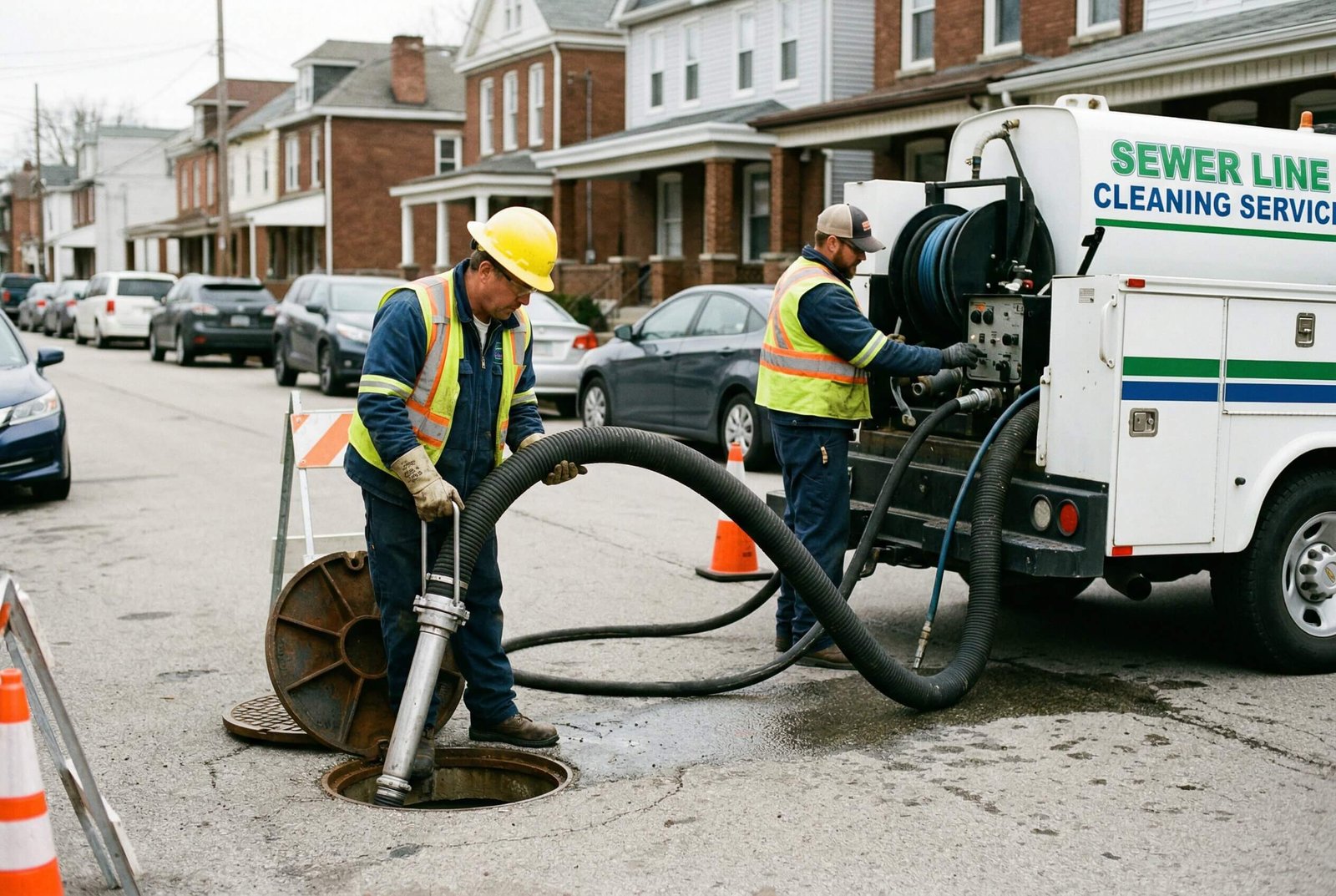
Sewer line problems are one of those issues most homeowners don’t think about until something clearly isn’t right. It usually starts small—maybe a drain that’s slower than usual, or a toilet that sounds different when you flush—but over time, those signs begin to show up in more than one place. When multiple fixtures start acting up together, it’s often a sign that the problem isn’t isolated to a single drain but tied to the main sewer line that carries all wastewater out of the house.
In real situations, these issues don’t fix themselves. What starts as a minor restriction inside the pipe can gradually turn into a full blockage, affecting the entire plumbing system. Sewer line cleaning is the process of clearing that buildup before it leads to backups, damage, or more serious repairs. Understanding how this works—and recognizing the early signs—helps you deal with the problem at the right time instead of waiting until it becomes disruptive.
What This Page Covers
ToggleWhat Sewer Line Cleaning Service Actually Means
Sewer line cleaning isn’t the same as clearing a clogged sink or shower—it deals with the main pipe that carries all wastewater out of your home. Every drain connects into this one line, so when it starts to clog, the impact spreads across multiple fixtures instead of staying in one place. That’s why homeowners often notice problems in different rooms at the same time without realizing the cause is centralized.
In real-world situations, this buildup doesn’t happen overnight. Grease, soap residue, debris, and even tree roots slowly collect along the inside of the pipe, narrowing the flow over time. A proper sewer line cleaning focuses on removing that buildup throughout the length of the pipe, not just creating a temporary opening. The goal is to restore normal flow so the system works reliably again, not just for a few days but for the long term.
How the Main Sewer Line Works in a Real Home
In a typical home, every drain you use feeds into one main pipe that runs out toward the city sewer or septic system. The kitchen sink, bathroom drains, toilets, and even the washing machine all connect into this single line. As long as that pipe stays clear, everything flows out of the house without much thought.
When that main line starts to narrow, the system reacts in subtle ways first. You might see slower drainage in one area, then another, until it becomes clear the issue isn’t isolated. Because everything depends on this one pipe, even a partial blockage can affect how the entire plumbing system behaves.
Drain Cleaning vs Sewer Line Cleaning
A lot of confusion comes from treating all clogs the same, but there’s a clear difference once you look at how the system is structured. A standard drain cleaning targets a specific fixture—like a sink, tub, or floor drain—where the blockage is close and limited in scope.
Sewer line cleaning, on the other hand, deals with the main pipeline that serves the entire home. When multiple drains are slow, toilets don’t flush properly, or water backs up in unexpected places, it usually points to this larger system. Treating it like a simple clog often leads to short-term results, because the deeper buildup remains untouched.
What Plumbers Actually Do During Cleaning
A proper sewer line cleaning is more than just pushing water through a blockage and hoping it clears. The process focuses on understanding what’s inside the pipe and removing it in a way that restores full flow, not just partial relief.
In most cases, the work involves:
- Accessing the main sewer line through a cleanout
- Inspecting the pipe to identify the type of blockage
- Breaking apart buildup or cutting through roots
- Flushing out debris along the pipe walls
- Ensuring water flows freely through the entire line
The difference between a quick fix and a proper cleaning comes down to how thoroughly that buildup is removed. If only a small opening is created, the problem often returns. A complete cleaning clears the pipe walls, which helps prevent the same issue from coming back too quickly.
When You Actually Need Sewer Line Cleaning
Most sewer line problems don’t show up all at once—they build gradually, and the early signs are easy to overlook. A single slow drain might not seem like a big deal, but when similar issues start appearing in different parts of the house, that’s usually a sign the problem is deeper in the system. Recognizing these patterns early helps you deal with the issue before it turns into a full blockage or backup.
In real homes, the key difference is whether the problem is isolated or system-wide. Sewer line cleaning becomes necessary when multiple fixtures are affected, when issues keep coming back, or when there are signs that wastewater isn’t moving properly through the main line. At that point, it’s no longer about a simple clog—it’s about restoring proper flow through the entire system.
Early Warning Signs Homeowners Usually Ignore
Some of the first signals are easy to dismiss because they don’t feel urgent. A sink drains a little slower than usual, or a shower takes longer to clear. On their own, these might not seem serious, but when they start happening in more than one place, they point toward a developing restriction in the sewer line.
Another common sign is a change in how fixtures behave. Toilets may flush differently, or you might hear faint gurgling sounds after using a sink or tub. These are early indicators that air and water aren’t moving freely through the system.
Signs the Problem Is in the Main Sewer Line
Once the issue progresses, the symptoms become more noticeable and harder to ignore. These are the situations where sewer line cleaning is usually needed:
- Multiple drains slowing down at the same time
- Gurgling sounds from toilets or floor drains
- Water backing up into a lower fixture when another is used
- Persistent sewage smell inside the home or outside near the yard
- Recurring clogs even after previous cleaning attempts
When you see these patterns together, it’s rarely a coincidence—it usually means the main line is partially blocked.
Recurring Problems That Keep Coming Back
One of the clearest signs of a sewer line issue is when the same problem keeps returning. You clear a clog, things seem fine for a few days or weeks, and then the issue comes back again. This typically means the blockage was only partially cleared, and the underlying buildup is still there.
In many homes, this happens when grease, debris, or buildup coats the pipe walls. A basic cleaning may open a small path through it, but unless the entire line is properly cleaned, the restriction remains and continues to cause problems.
Tree Root Intrusion in Sewer Lines
In older homes or properties with large trees, roots are a common cause of sewer line issues. They naturally seek out moisture and can enter small cracks in underground pipes. Once inside, they expand and create a dense blockage that restricts flow.
This type of problem often develops slowly. You might notice gradual drainage issues at first, followed by more frequent clogs. Standard drain cleaning methods usually don’t remove roots completely, which is why the problem tends to return unless it’s properly addressed.
When It Becomes an Emergency Situation
There’s a point where sewer line problems move from manageable to urgent. If wastewater starts backing up into the house, or multiple fixtures stop working at the same time, the line is likely heavily blocked.
In these situations, waiting usually makes things worse. The longer the blockage remains, the higher the risk of indoor flooding, contamination, and damage to flooring or walls. At that stage, sewer line cleaning is no longer preventive—it’s necessary to restore basic function to the home.
How Sewer Line Cleaning Is Performed (Step-by-Step)
Sewer line cleaning follows a structured process in real-world situations. It’s not about guessing where the problem is—it’s about identifying exactly what’s inside the pipe and choosing the right way to clear it. Skipping steps often leads to temporary fixes, so the focus is always on proper diagnosis first, then thorough cleaning.
In most homes, the process starts with understanding the symptoms and gaining access to the main sewer line. From there, each step builds on the previous one to ensure the blockage is fully cleared and the system is working as it should.
Initial Inspection and Understanding the Problem
The first step is usually a conversation and basic inspection. The plumber asks what you’ve been noticing—slow drains, backups, smells—and where those issues are happening in the house. This helps determine whether the problem is likely in a single drain or affecting the main sewer line.
Once that’s clear, access to the sewer line is established. This is typically done through a cleanout pipe located outside the home or sometimes in a basement. Without proper access, any cleaning would be limited and less effective.
Camera Inspection Inside the Sewer Line
Before doing any cleaning, a camera inspection is often performed. A small waterproof camera is fed into the pipe to see exactly what’s causing the blockage and how severe it is.
This step helps identify:
- Grease or sludge buildup along pipe walls
- Solid debris causing obstruction
- Tree root intrusion inside the pipe
- Pipe condition (cracks, corrosion, or collapse risks)
Without this inspection, cleaning becomes guesswork, and the real cause might be missed.
Identifying the Type of Blockage
Once the inside of the pipe is visible, the next step is understanding what kind of blockage is present. Not all clogs are the same, and the cleaning method depends heavily on this.
For example, soft buildup like grease requires a different approach than dense root intrusion. In some cases, the issue isn’t just a blockage but early signs of pipe damage, which changes how aggressively the line can be cleaned.
Choosing the Right Cleaning Method
Based on what’s found during inspection, the plumber selects the appropriate method. This decision is important because using the wrong approach can either leave buildup behind or damage the pipe.
The choice depends on:
- Type of blockage
- Severity of restriction
- Age and condition of the pipe
- Accessibility of the line
This step is what separates a proper sewer line cleaning from a quick temporary fix.
Performing the Cleaning Process
Once the method is selected, the actual cleaning begins. The goal is to remove the blockage and clear buildup along the pipe walls so water can flow normally again.
Depending on the situation, this may involve breaking apart debris, cutting through roots, or flushing out buildup. The focus isn’t just on opening a small path—it’s on restoring the full capacity of the line.
Testing and Final Check
After cleaning, the system is tested by running water through multiple fixtures in the home. This ensures that everything drains properly and no backup occurs.
In many cases, a follow-up camera inspection is done to confirm that the blockage has been fully cleared and that the pipe is in good working condition. If any concerns remain, they’re usually pointed out at this stage so you have a clear understanding of the line’s condition moving forward.
Methods Used in Sewer Line Cleaning
Not all sewer line problems are handled the same way. The method used depends on what’s inside the pipe, how severe the blockage is, and the overall condition of the line. In real situations, choosing the right approach makes the difference between a long-lasting result and a problem that comes back quickly.
Most sewer line cleaning services rely on a few proven methods, each suited for specific types of buildup or obstruction. Understanding these helps you know what’s actually being done—not just that “the line was cleared.”
Hydro Jetting (High-Pressure Water Cleaning)
Hydro jetting is one of the most effective ways to clean a sewer line thoroughly. It uses high-pressure water to break apart buildup and wash the inside of the pipe clean, not just open a small passage.
This method is especially useful when there’s heavy grease, sludge, or long-term buildup coating the pipe walls. Instead of leaving residue behind, it clears the full diameter of the pipe, which helps restore proper flow and reduces the chance of quick re-clogging.
However, hydro jetting isn’t used in every situation. If the pipe is older or already weakened, high pressure may not be the safest option. That’s why inspection usually comes first before choosing this method.
Drain Snaking / Auger Cleaning
Drain snaking is a more traditional method that uses a rotating cable to break through blockages. It’s effective for creating an opening in the pipe so water can pass through again.
This approach works well for:
- Localized clogs or compact debris
- Situations where quick access is needed
- Pipes that may not handle high-pressure cleaning
The limitation is that it often clears a path through the blockage rather than removing all buildup from the pipe walls. Because of that, problems can return if the underlying issue isn’t fully addressed.
Mechanical Root Cutting
Tree roots are a common cause of sewer line problems, especially in older properties. When roots enter the pipe, they grow and form dense blockages that restrict flow.
Mechanical cutting tools are used to break and remove these roots from inside the pipe. This clears the immediate obstruction and allows water to flow again. In many cases, additional cleaning (like flushing or jetting) is needed afterward to remove leftover debris.
Even after removal, roots can grow back over time, so this method often addresses the current issue but may not be a permanent solution on its own.
Manual Cleaning in Accessible Sections
In some situations—especially where parts of the sewer line are exposed or easily accessible—manual cleaning may be used. This typically involves physically removing debris or buildup from sections of the pipe.
This method is less common for full sewer lines but can be useful in specific areas where direct access is possible and more controlled cleaning is needed.
Video Camera Inspection Tools
While not a cleaning method itself, camera inspection plays a critical role throughout the process. It’s used before cleaning to identify the problem and often after cleaning to confirm the result.
It helps ensure:
- The blockage is fully removed
- No major damage is present
- The chosen method was effective
Without this step, it’s difficult to know whether the line has been properly cleared or if issues remain.
When Sewer Line Repair Becomes Necessary
There are cases where cleaning alone isn’t enough. If the pipe is collapsed, severely cracked, or structurally failing, no cleaning method will provide a lasting solution.
Signs that cleaning may not be enough include:
- Repeated blockages in the same location
- Visible pipe damage during inspection
- Sections where water cannot flow even after clearing
In these situations, sewer line repair becomes the next step. Cleaning may still be done initially to improve flow, but the underlying issue needs to be addressed to prevent ongoing problems.
DIY vs Professional Sewer Line Cleaning (Decision Section)
When sewer problems start, many homeowners naturally try to handle things themselves first. That approach can work in certain situations, especially when the issue is minor or limited to a single drain. But with sewer lines, the difference between what’s manageable and what requires professional help is important to understand.
In real homes, DIY methods often provide temporary relief when the problem is deeper in the system. Knowing when to try something yourself—and when to step back—can save both time and unnecessary damage.
When DIY Methods Can Work
If the issue is still minor and hasn’t spread across the system, there are a few things homeowners can try. These usually apply when the problem is isolated and early.
DIY can be useful when:
- Only one sink, tub, or drain is slow
- There’s no backup in other fixtures
- The issue appeared recently
- No unusual smells or gurgling sounds are present
In these cases, basic tools like a plunger or a small drain snake may clear a localized blockage and restore normal flow.
Limitations of Store-Bought Tools
Most consumer tools are designed for shallow clogs, not for problems deep inside the sewer line. They can open a small path through a blockage, but they don’t clean the pipe thoroughly.
This often leads to a situation where things seem fixed for a short time, but the buildup inside the pipe remains. Over time, that leftover residue collects more debris and the problem comes back—sometimes worse than before.
When DIY Becomes Ineffective
Once the issue starts affecting multiple fixtures or becomes recurring, DIY methods usually stop working. At this stage, the blockage is deeper in the system and requires more than basic tools.
Common signs that DIY is no longer enough:
- Multiple drains slowing down at the same time
- Recurring clogs after repeated attempts
- Gurgling sounds from toilets or drains
- Water backing up in unexpected areas
These situations indicate that the problem is in the main sewer line, not just near the surface.
When DIY Can Make the Problem Worse
In some cases, trying to fix the issue yourself can actually create more problems. For example, pushing a blockage deeper into the line can make it harder to remove later. Using the wrong type of chemical cleaner can also damage pipes over time, especially in older homes.
There’s also the risk of missing the real cause. If tree roots or structural issues are involved, no amount of DIY cleaning will solve it—and delays can lead to more serious damage.
Clear Signs You Need a Professional Immediately
There’s a point where it’s no longer about trying different solutions—it’s about restoring the system before damage occurs.
You should consider professional sewer line cleaning when:
- Wastewater backs up into sinks, tubs, or floor drains
- Strong sewage odors are present inside the home
- Multiple fixtures stop working at once
- The problem returns quickly after temporary fixes
At this stage, proper equipment and inspection are needed to fully clear the line and understand what’s causing the issue. Waiting longer usually increases the risk of more extensive repairs.
Cost of Sewer Line Cleaning in the U.S.
The cost of sewer line cleaning can vary quite a bit depending on what’s actually happening inside the pipe. In simple situations, where there’s a minor blockage and easy access to the line, the cost stays relatively low. But as the problem becomes more complex—like heavy buildup, root intrusion, or limited access—the price increases accordingly.
What’s important to understand is that you’re not just paying for “clearing a clog.” The cost reflects the level of inspection, equipment, and effort required to properly clean the entire sewer line. A quick fix might cost less upfront, but if the problem comes back, it often ends up costing more over time.
Typical Price Range for Basic Sewer Line Cleaning
For straightforward cases where the blockage is not severe and access is easy, sewer line cleaning is usually on the lower end of the pricing range.
In most U.S. homes, basic cleaning typically falls between:
- $150 to $400 for simple blockages
- Slightly higher if additional time or effort is required
This usually involves snaking or clearing a localized obstruction without extensive buildup.
Cost of Hydro Jetting Services
Hydro jetting is a more thorough cleaning method, and the cost reflects the equipment and time involved. Since it clears the pipe walls completely, it’s often used for heavier buildup or recurring problems.
Typical hydro jetting costs:
- $300 to $800 for standard residential jobs
- Can go higher depending on pipe length and condition
This method is often recommended when basic cleaning won’t provide a lasting result.
Emergency Sewer Line Cleaning Cost
When sewer problems happen outside regular hours or involve backups inside the home, the service is considered an emergency. These situations require immediate attention, which usually increases the cost.
Emergency cleaning can range from:
- $400 to $1,000+ depending on severity and timing
The urgency and potential damage involved are what drive the higher pricing in these cases.
Severe Blockage or Root Removal Cost
If the sewer line is heavily blocked—especially with tree roots or dense buildup—the cleaning process becomes more involved. Specialized tools or multiple steps may be required to fully clear the line.
Costs in these cases typically fall between:
- $500 to $1,200+ depending on difficulty
If damage is found during the process, repair costs would be separate from cleaning.
What Affects the Cost of Sewer Line Cleaning
Several factors influence how much the service will cost. These are based on real conditions inside the pipe and how difficult the job is to complete.
Key factors include:
- Severity of blockage → Light buildup vs fully blocked line
- Pipe length and access → Longer lines or hard-to-reach cleanouts increase effort
- Equipment used → Basic snaking vs hydro jetting or root cutting
- Condition of pipes → Older or fragile pipes require more careful handling
- Timing of service → Emergency or after-hours calls cost more
Understanding these factors helps set realistic expectations and avoids surprises when the work is done.
Risks of Delaying Sewer Line Cleaning
Sewer line problems rarely stay the same—they almost always get worse over time. What starts as a partial blockage can gradually turn into a full restriction, and the longer it’s left unaddressed, the more pressure it puts on the entire plumbing system. In many homes, the real damage doesn’t come from the clog itself, but from waiting too long to deal with it.
Delaying sewer line cleaning often leads to more than just inconvenience. As the blockage grows, wastewater has fewer places to go, which increases the chances of backups, leaks, and damage inside the home. Addressing the issue early is usually far simpler than dealing with the consequences later.
Pipe Damage and Long-Term Deterioration
When flow is restricted, pressure builds up inside the pipe. Over time, this can stress the pipe walls, especially if they’re older or already weakened. Buildup like grease or debris can also trap moisture and accelerate internal deterioration.
In some cases, what could have been resolved with cleaning turns into structural damage that requires repair or replacement.
Water Damage Inside the Home
One of the most immediate risks is water backing up into the house. When the sewer line is blocked, wastewater can’t exit properly and may return through the lowest drains in the home.
This often affects:
- Basement floor drains
- Showers or bathtubs
- Toilets in lower levels
Even a small backup can cause damage to flooring, walls, and personal belongings if not handled quickly.
Mold and Contamination Risks
Standing water or repeated moisture from backups creates the right conditions for mold growth. This is especially true in areas that aren’t immediately visible, like behind walls or under flooring.
In addition to mold, sewer backups introduce contaminated water into the home. This isn’t just dirty water—it can carry bacteria and waste, which creates health concerns if exposure is prolonged.
Sewage Backup Situations
As the blockage worsens, the likelihood of a full sewage backup increases. This is one of the most disruptive outcomes, as it affects multiple fixtures at once and requires immediate cleanup.
Once it reaches this stage, the issue is no longer just about cleaning—it often involves restoration work, sanitation, and potentially higher repair costs.
Higher Costs Over Time
Waiting too long usually means the problem becomes more complex. What might have been handled with a standard cleaning can turn into a more involved job, requiring specialized equipment or even repairs.
Costs tend to increase because:
- The blockage becomes harder to remove
- Additional damage needs to be addressed
- Emergency service may be required
Dealing with the issue early keeps the solution simpler and more predictable, both in terms of effort and cost.
Where Sewer Line Issues Happen in Homes
Sewer line problems don’t originate in just one place—they develop along the path where all household wastewater eventually meets. Because every fixture connects into the same main line, the issue can be influenced by different areas of the home, depending on usage patterns, buildup, and how the plumbing system is laid out.
Understanding where these problems typically start helps you connect symptoms to causes. In many homes, the source of the issue isn’t always where the symptoms appear, which is why sewer line problems can feel unpredictable at first.
Main Sewer Line from House to Street
The most critical section is the main line running from your home to the city connection or septic system. This underground pipe carries everything out of the house, and when it becomes restricted, the entire system is affected.
This is also where larger issues tend to occur, such as:
- Heavy buildup from long-term use
- Tree root intrusion
- Pipe shifting or settling over time
Because this section is buried, problems here often go unnoticed until multiple symptoms appear inside the home.
Kitchen Lines and Grease Buildup
The kitchen is one of the biggest contributors to sewer line problems over time. Grease, oils, and food particles don’t always wash away completely—they can stick to the inside of pipes and gradually build up.
As this buildup grows, it narrows the flow and makes it easier for other debris to get caught. Even if the kitchen sink itself seems fine, the accumulation further down the line can still cause system-wide issues.
Bathroom Lines (Toilets, Showers, Sinks)
Bathroom drains contribute a different type of buildup. Soap residue, hair, and paper products move through the system regularly, and over time, they can combine with other materials already in the line.
Toilets, in particular, play a major role because they send larger volumes of water and waste through the system. If the sewer line is already restricted, toilet usage often triggers noticeable symptoms like slow flushing or backups.
Basement Drain Systems
Basement drains are usually the lowest point in the home, which makes them the first place where problems show up during a sewer line blockage. When water can’t flow out properly, it naturally backs up into the lowest available opening.
This is why homeowners often notice:
- Water appearing in basement floor drains
- Backups during heavy usage (like laundry or multiple showers)
These aren’t isolated issues—they’re signals that the main line is struggling to handle flow.
Outdoor Sewer Connections and Yard Lines
In many properties, part of the sewer line runs through the yard before connecting to the main system. This outdoor section is especially vulnerable to external factors.
Common issues in this area include:
- Tree roots entering the pipe
- Soil movement affecting pipe alignment
- Debris entering through small cracks
Because these problems occur outside the home, they often go unnoticed until they begin affecting indoor plumbing.
Finding Sewer Line Cleaning Help Locally
When sewer line problems reach the point where they affect multiple fixtures or cause backups, most homeowners start looking for help quickly. The challenge isn’t just finding someone—it’s understanding what kind of help you actually need. Not every plumber handles sewer line work the same way, and the difference often shows up in how thoroughly the problem is diagnosed and resolved.
In real situations, sewer issues tend to require more than a basic service call. Because the problem is deeper in the system, it’s important to find someone equipped to inspect the line properly and handle the type of blockage involved. Knowing what to look for at this stage helps you avoid temporary fixes and repeated service calls.
How Homeowners Typically Search for Help
Most people start with a quick local search when the issue becomes noticeable. That might be after repeated clogs, unusual smells, or the first sign of backup. At this stage, urgency often drives the decision, which can lead to choosing the first available option rather than the most suitable one.
Common ways homeowners look for help include:
- Searching for drain cleaning or sewer line cleaning in their area
- Looking for emergency plumbing services when backups occur
- Checking local listings or reviews for nearby plumbers
The key is recognizing that not all services listed under “drain cleaning” are equipped for full sewer line work.
Understanding Local Plumbing Conditions
Plumbing systems can vary depending on the area—older neighborhoods may have aging pipes or more tree root intrusion, while newer developments may have different types of materials and layouts. These local factors influence how sewer line problems develop and how they should be handled.
A provider familiar with local conditions is more likely to recognize common issues quickly and approach the cleaning process accordingly. This doesn’t require anything special on your part—it simply means being aware that experience with similar homes and systems can make a difference.
Why Response Time Matters for Sewer Issues
Unlike minor drain problems, sewer line issues can escalate quickly once they reach a certain point. A partial blockage might be manageable for a short time, but if it turns into a full backup, the situation changes immediately.
That’s why response time becomes important, especially when:
- Water starts backing up inside the home
- Multiple fixtures stop working at once
- Strong sewage odors are present
In these cases, timely service helps prevent further damage and reduces the overall impact on the home. Waiting too long can turn a manageable issue into something that requires cleanup and repair in addition to cleaning.
How to Choose the Right Sewer Line Cleaning Provider
Choosing the right provider for sewer line cleaning isn’t just about availability—it’s about finding someone who can properly diagnose the issue and clean the line in a way that actually solves the problem. In real situations, the difference often comes down to equipment, experience, and how clearly the work is explained before it’s done.
A rushed or incomplete job might get things flowing temporarily, but if the underlying buildup or cause isn’t addressed, the problem usually returns. Taking a little time to understand what to look for helps avoid repeat issues and unnecessary costs.
Experience With Sewer Systems (Not Just Drains)
Not every plumber handles sewer line work the same way. Some focus mostly on fixture-level drain issues, while others deal regularly with main line problems.
Experience matters because sewer lines behave differently than smaller drains. A provider familiar with these systems is more likely to recognize patterns like recurring blockages, root intrusion, or early signs of pipe damage, and adjust the approach accordingly.
Equipment Capability and Tools Used
The tools available often determine how thoroughly the job can be done. Basic equipment may clear a blockage, but more advanced tools are needed to fully clean the line and confirm the result.
It helps when the provider has access to:
- Camera inspection tools to see inside the pipe
- Equipment for deeper cleaning (such as high-pressure methods)
- Tools for handling tougher obstructions like roots
Without proper equipment, the work may be limited to short-term fixes.
Clear Explanation of the Problem and Method
A reliable provider should be able to explain what’s happening inside the sewer line and how they plan to address it. This doesn’t need to be overly technical, but it should make sense based on what you’re experiencing in the home.
You should have a clear understanding of:
- What the blockage is
- Where it’s located
- What method will be used to clean it
- What kind of result to expect
If this isn’t explained clearly, it’s harder to know whether the solution is appropriate for the situation.
Transparency in Pricing
Sewer line cleaning costs can vary, but the reasoning behind the pricing should be straightforward. It usually depends on factors like severity, access, and equipment required.
A clear breakdown helps you understand what you’re paying for and reduces the chance of unexpected charges after the work is completed.
Emergency Availability and Responsiveness
Since sewer issues can escalate quickly, availability matters in certain situations. If there’s already a backup or multiple fixtures aren’t working, waiting too long can lead to additional damage.
A provider who can respond in a reasonable timeframe helps limit the impact and keeps the situation from getting worse.
Common Mistakes Homeowners Make
Some of the most common issues come from decisions made under pressure. When the problem feels urgent, it’s easy to choose quickly without considering whether the solution is complete.
Typical mistakes include:
- Treating a sewer issue like a simple drain clog
- Choosing based only on the lowest price
- Accepting a quick fix without understanding the cause
- Ignoring recurring problems until they escalate
These often lead to repeat service calls instead of a lasting solution.
Red Flags to Watch For
There are also a few signs that the approach may not be thorough enough.
Watch for situations where:
- No inspection is done before cleaning
- The method isn’t explained clearly
- The focus is only on “clearing the clog” without addressing buildup
- The same issue keeps returning without a deeper look
These can indicate that the problem is being treated temporarily rather than fully resolved.
Final Thoughts
Sewer line problems are rarely sudden—they build over time, often giving small warning signs before turning into something more disruptive. Paying attention to those early patterns, like multiple slow drains or recurring clogs, makes a big difference in how the situation unfolds. Addressing the issue early usually keeps the solution simpler, more predictable, and less costly.
Sewer line cleaning isn’t just about fixing what’s happening right now—it’s about restoring the system so it works the way it should. When done properly, it clears the buildup, improves flow, and reduces the chances of the same problem coming back soon. Understanding how the process works, when it’s needed, and what to expect helps you make decisions with clarity instead of reacting under pressure.