
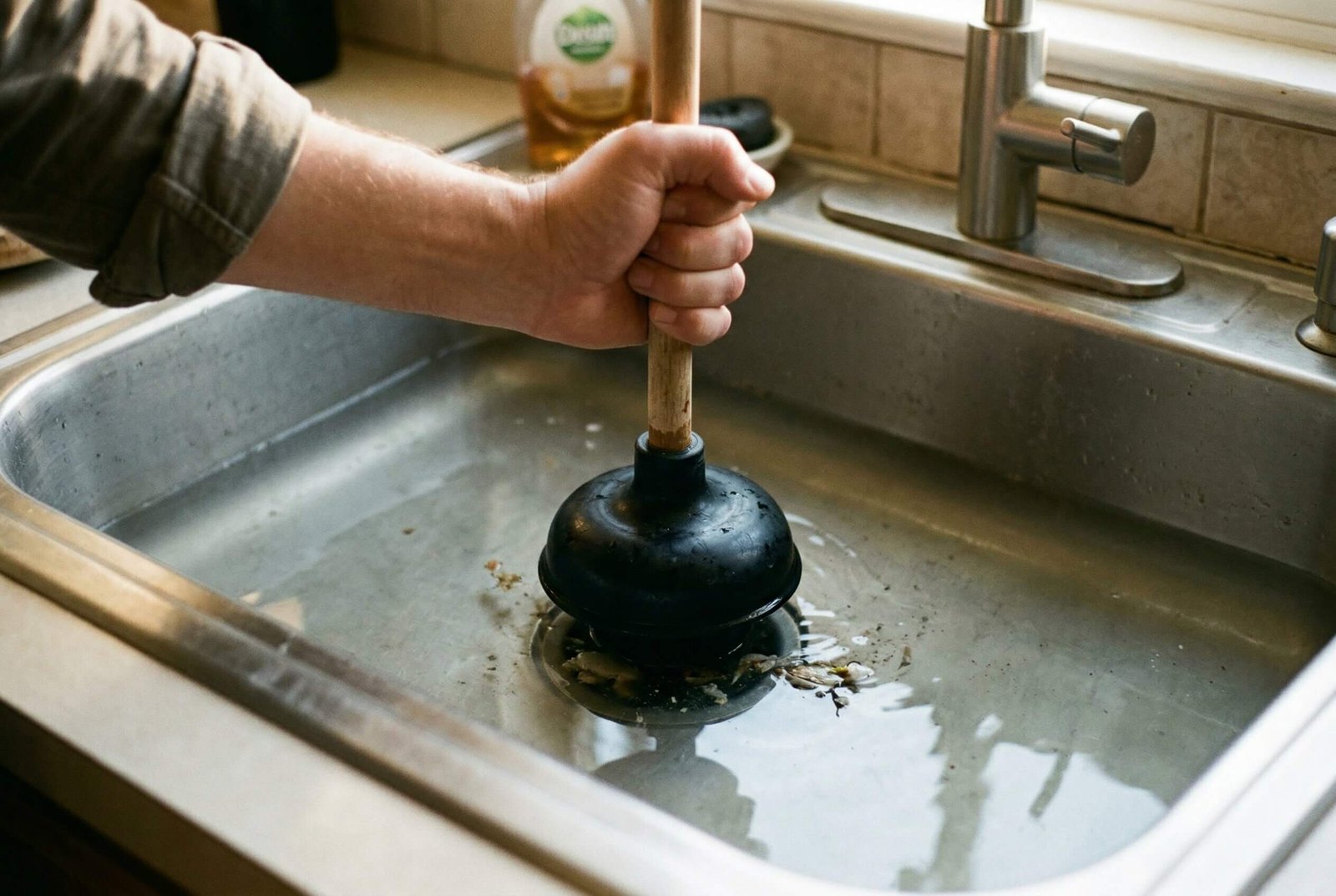
A completely blocked drain is one of the most frustrating plumbing problems you can face in a home. Unlike a slow drain, where water still moves gradually, a full blockage means water does not drain at all. Instead, it sits in the sink, tub, or floor drain, making the fixture unusable and often creating a messy, stressful situation.
In real U.S. homes, this problem commonly occurs in kitchen sinks filled with grease and food buildup, bathroom drains clogged with hair and soap residue, or utility drains overloaded with lint and debris. Over time, these materials accumulate inside the pipe until they completely stop water flow. In some cases, the blockage may also be caused by a foreign object stuck in the drain or a deeper issue in the main line.
Acting quickly is important when a drain is fully blocked. Standing water can lead to bad odors, bacteria growth, and even overflow if additional water is used. The longer the blockage remains, the harder it becomes to clear, especially if the material inside the pipe hardens or compacts.
The good news is that many completely blocked drains can still be cleared using safe, step-by-step methods—starting with simple techniques and progressing to more advanced solutions if needed. This guide will walk you through exactly how to clear a completely blocked drain, from identifying the type of blockage to choosing the right method and knowing when it’s time to call a professional plumber.
What This Page Covers
ToggleIdentify the Type of Blockage Before Clearing
Before you try to clear a completely blocked drain, it’s critical to understand what you’re dealing with. Not all blockages are the same, and using the wrong method can either fail completely or push the clog deeper into the plumbing system. In real-world plumbing, proper identification is what separates a quick fix from a repeated problem.
A fully blocked drain usually means something has either completely sealed the pipe or restricted it to the point where water cannot pass at all. The location and type of blockage determine which method will actually work.
Surface-Level vs Deep Drain Blockage
The first step is figuring out where the blockage is located. Some clogs sit close to the drain opening, while others are deeper in the pipe or even in the main line.
Surface-level blockages are typically caused by visible debris such as:
- Hair in bathroom sinks or showers
- Food particles in kitchen sinks
- Soap and sludge buildup near the drain
These are easier to remove and usually respond well to plunging or manual cleaning.
Deep blockages occur further down the pipe or beyond the P-trap. These are often caused by long-term buildup or compacted material and may require tools like a drain snake or professional equipment.
Soft Blockage vs Solid Obstruction
Understanding what the clog is made of also helps determine the right approach.
Soft blockages are made up of materials like grease, soap, sludge, or organic waste. These can sometimes be broken down or loosened using flushing methods or cleaners.
Solid obstructions, on the other hand, involve something physically stuck in the pipe, such as:
- Food chunks or bones
- Foreign objects accidentally dropped into the drain
- Hardened grease that has fully solidified
These usually require mechanical removal using tools like an auger.
Signs of a Severe Drain Blockage
Some symptoms indicate that the blockage is more serious and may extend beyond a single fixture. Recognizing these signs early can help you avoid wasting time on ineffective methods.
Warning signs include:
- Water not draining at all (standing water)
- Water backing up when using nearby fixtures
- Gurgling sounds from pipes
- Bad odors coming from the drain
- Multiple drains in the home are affected
If you notice multiple fixtures backing up or water coming up from another drain, the problem may be in a shared drain line or the main sewer system, which typically requires professional attention.
Taking the time to identify the type of blockage ensures that you use the right method in the next steps, increasing your chances of clearing the drain effectively without causing further issues.
Quick Methods to Try First (Low Risk)
When dealing with a completely blocked drain, it’s natural to assume you need strong solutions right away. However, in real plumbing situations, professionals still start with low-risk methods first—because many full blockages are caused by compacted but still breakable material near the drain. These simple approaches can sometimes restore flow without tools or chemicals.
Even if the drain appears fully blocked, there may still be a small passage that allows pressure-based methods to work effectively.
Hot Water Flush (If Partial Movement Exists)
If there is even slight movement in the water level, hot water can help soften and loosen grease or soap buildup that is sealing the pipe. This method works best in kitchen sinks where grease has hardened inside the drain.
How it helps:
- Softens grease and oily residue
- Loosens compacted sludge
- Helps open a small path for water flow
Avoid using extremely hot water repeatedly in PVC systems, as excessive heat can stress pipe joints.
Dish Soap Method for Grease Blockage
Dish soap acts as a degreaser and can help break down oily buildup inside the pipe. When combined with hot water, it becomes more effective at loosening grease that may be causing the blockage.
This is especially useful if the blockage formed after washing greasy dishes or cooking.
Best for:
- Kitchen sink blockages
- Grease-heavy clogs
- Early-stage full blockages
Let the soap sit briefly before flushing to allow it to coat and break down the buildup.
Manual Debris Removal from Drain Opening
Many complete blockages occur right at or just below the drain opening. Bathroom drains often get clogged with hair and soap residue, while kitchen drains can trap food particles.
Physically removing this material can immediately restore drainage.
What to check for:
- Hair buildup around the stopper
- Food or debris in the strainer
- Thick sludge near the drain opening
Using gloves or a simple drain tool can help you pull out the clog directly.
Proper Plunger Technique for Fully Blocked Drain
A plunger is one of the most effective tools for clearing a completely blocked drain when used correctly. It creates pressure that can break apart or dislodge the blockage, allowing water to pass through again.
Key techniques for success:
- Ensure a tight seal around the drain
- Cover the overflow opening (for sinks)
- Use steady, controlled plunging motions
- Maintain enough water in the sink to create suction
Plunging works well for soft or semi-solid clogs and is often the turning point in clearing a fully blocked drain.
Starting with these low-risk methods gives you a chance to clear the blockage quickly without introducing risk to your pipes. If the drain remains completely blocked after these attempts, it’s a sign that the clog is deeper or more compacted, requiring more effective intermediate methods.
Intermediate Clearing Methods (More Effective)
If the drain is still completely blocked after trying basic methods, the clog is likely deeper in the pipe or more tightly compacted. At this stage, you need more effective techniques that physically break apart or remove the blockage. These methods are still safe for homeowners but require a bit more effort and the right approach.
In real plumbing work, this is where most fully blocked drains get cleared—especially when the clog is located in the P-trap or just beyond it.
Baking Soda and Vinegar Method
This method can help loosen organic buildup such as grease, soap scum, and sludge. While it won’t dissolve solid obstructions, it can weaken the blockage and make it easier to remove with other methods.
The reaction creates fizzing action that helps break apart buildup and open small pathways in the clog.
Best for:
- Organic material buildup
- Grease and soap residue
- Supporting other clearing methods
It works best when followed by hot water to flush loosened debris.
Using a Hand Drain Snake / Auger
A hand auger is one of the most reliable tools for clearing a completely blocked drain. Instead of trying to dissolve the clog, it physically breaks it apart or pulls it out.
This is often the most effective DIY method when plunging fails.
What it handles well:
- Hair clogs
- Food buildup
- Compact sludge inside pipes
You feed the cable into the drain, rotate it to hook or break the blockage, and then pull it out. It directly removes the cause rather than pushing it further down.
Wet/Dry Vacuum Extraction Method
A wet/dry vacuum can be used to pull the clog out instead of pushing it deeper into the pipe. This method is especially useful when the blockage is not too far into the system.
Creating a tight seal around the drain is important for this method to work effectively.
Best use cases:
- Loose debris near the drain
- Hair or food particles
- Situations where plunging is not enough
This method is commonly used in utility sinks where access is easier.
Removing and Cleaning the P-Trap
The P-trap is one of the most common locations for complete blockages. It’s the curved section of pipe under the sink where debris, grease, and sludge tend to collect.
Cleaning the P-trap often fully resolves the issue when other methods fail.
Signs the P-trap is blocked:
- Water not draining at all
- Foul smell coming from the sink
- Repeated clogging despite other attempts
Removing it allows you to directly clear out the blockage, making it one of the most effective solutions for stubborn clogs near the sink.
At this stage, most completely blocked drains can be cleared successfully if the clog is within reach. If the drain is still fully blocked after these methods, it typically means the obstruction is deeper in the system, requiring stronger or professional-level solutions.
Advanced Methods for Fully Blocked Drains
If the drain is still completely blocked after intermediate methods, the obstruction is likely deeper in the pipe or extremely compacted. At this stage, stronger solutions are required to break down, dislodge, or push through the blockage. These methods are more aggressive and should be used carefully to avoid damaging pipes—especially in older plumbing systems or PVC installations commonly found in U.S. homes.
In real plumbing situations, these approaches are used when standard tools cannot fully clear the blockage or when buildup has hardened over time.
Enzyme Cleaners for Organic Blockages
Enzyme-based cleaners use natural bacteria to break down organic material such as grease, food waste, soap scum, and hair. They are much safer than chemical cleaners and do not damage pipes, making them suitable for long-term use.
However, they work slowly and are not ideal for instant results in a completely blocked drain.
Best for:
- Organic clogs in kitchen and bathroom drains
- Breaking down residue after partial clearing
- Preventing future blockages
They are most effective when used after some flow has been restored.
Chemical Drain Cleaners (Risks + Use Cases)
Chemical drain cleaners are designed to dissolve tough clogs quickly using strong reactions that generate heat. They can be effective in breaking down grease, sludge, and some organic material, but they come with risks.
Professional plumbers generally avoid frequent use because these chemicals can weaken pipes over time.
Use only when:
- Other methods have failed
- The clog is not caused by a solid object
- Pipes are in good condition
Risks include:
- Pipe damage or corrosion
- Harmful fumes and safety hazards
- Reduced lifespan of plumbing
This should be treated as a last DIY option before calling a professional.
High-Pressure Water Flushing
A high-pressure water flush uses force to push through and break apart buildup inside the pipe. While homeowners may not have access to professional-grade hydro jetting, certain hose attachments or pressure tools can still help increase water force.
Effective for:
- Semi-solid buildup
- Grease and sludge deeper in the pipe
- Partially compacted blockages
Care must be taken not to apply excessive pressure that could loosen joints or damage weaker pipes.
Deep Drain Snaking Techniques
When a standard hand auger isn’t enough, deeper snaking is required to reach clogs further down the drain line. This involves feeding a longer cable deeper into the plumbing system to break apart or retrieve the obstruction.
This method is typically used when:
- The clog is beyond the P-trap
- Multiple attempts with basic tools have failed
- The blockage is dense or hardened
Deeper snaking can be challenging without experience, especially in pipes with multiple bends, so caution is important.
At this stage, you’re dealing with a more serious blockage that requires stronger intervention. If the drain remains completely blocked even after these methods, it’s usually a sign that the issue lies deeper in the plumbing system or involves the main line—where professional tools and expertise are necessary.
Professional Methods to Clear a Blocked Drain
When a completely blocked drain doesn’t respond to DIY or advanced methods, the issue is usually deeper in the plumbing system or more severe than expected. In real U.S. homes, this often means a compacted blockage in the main drain line, heavy buildup along pipe walls, or even early pipe damage. At this stage, professional plumbers use specialized equipment to not only clear the blockage but also ensure the drain is fully restored.
These methods are designed to solve the root problem rather than provide temporary relief.
Hydro Jetting
Hydro jetting is one of the most powerful and effective methods used by plumbers. It uses high-pressure water to blast through the blockage and completely clean the inside of the pipes.
Unlike basic flushing, this method removes grease, sludge, scale, and debris from the pipe walls.
Best for:
- Severe grease buildup in kitchen drains
- Recurring complete blockages
- Sludge lining the entire pipe
This method restores the pipe close to its original condition but must be used carefully in older or weakened plumbing systems.
Motorized Drain Augers
Motorized augers (power snakes) are advanced tools designed to cut through dense and stubborn blockages deep inside the drain line. They use a rotating cable powered by a motor to break apart the obstruction.
Common uses:
- Deep clogs beyond reach of manual tools
- Hardened or compacted blockages
- Foreign objects stuck in the pipe
These tools are highly effective but require proper handling to avoid damaging the pipe.
Drain Camera Inspection
Professional plumbers often use a camera inspection to locate the exact position and cause of the blockage. This eliminates guesswork and ensures the correct method is used to clear the drain.
It is especially useful when:
- The blockage keeps coming back
- The location of the clog is unknown
- There may be pipe damage or alignment issues
What it helps identify:
- Exact blockage location
- Pipe condition and buildup
- Cracks, corrosion, or misalignment
- Main line issues
Pipe Repair or Replacement (If Needed)
In some cases, the blockage is not just caused by buildup but by a damaged or failing pipe. Issues like corrosion, collapsed sections, or improper slope can prevent water from flowing properly.
When this happens, clearing the clog alone won’t fix the problem permanently.
Situations requiring repair:
- Recurring full blockages
- Visible damage during inspection
- Persistent drainage failure after clearing
Repairs may involve replacing a section of pipe or correcting the system to restore proper flow.
Professional methods are used when the blockage goes beyond basic cleaning and requires precise, long-term solutions. If your drain remains completely blocked after multiple attempts, calling a plumber at this stage ensures the issue is resolved safely and effectively.
Tools Used to Clear a Completely Blocked Drain
Clearing a completely blocked drain requires the right tools, especially when basic methods don’t work. In real plumbing work, professionals choose tools based on how deep and severe the blockage is. As a homeowner, understanding these tools helps you handle simple situations confidently and recognize when the job requires professional equipment.
Some tools are designed for quick fixes near the drain, while others are meant for deeper, more stubborn blockages.
Plunger
A plunger is one of the most effective first tools for clearing a completely blocked drain. It creates pressure and suction that can dislodge the clog and allow water to pass through again.
Best for:
- Soft blockages like grease, soap, or food waste
- Clogs near the drain opening
- Kitchen and bathroom sinks
For best results, ensure a tight seal around the drain and cover any overflow openings to build proper pressure.
Hand Auger
A hand auger (drain snake) is a flexible cable tool that reaches deeper into the pipe to break apart or pull out the blockage. It’s one of the most reliable tools for homeowners dealing with a fully blocked drain.
Best for:
- Hair clogs
- Sludge buildup
- Blockages beyond the P-trap
It works by physically removing the obstruction rather than pushing it further down.
Power Auger
A power auger is a motorized version of the hand auger used by professionals. It can handle tougher and deeper clogs that manual tools cannot clear.
Used for:
- Dense or compacted blockages
- Deep drain line clogs
- Situations where DIY tools fail
Improper use can damage pipes, so this tool is typically handled by professionals.
Hydro Jet Equipment
Hydro jetting equipment uses high-pressure water to completely clear and clean pipes. Unlike snaking, which creates a hole through the clog, hydro jetting removes buildup along the pipe walls.
Effective for:
- Heavy grease buildup
- Recurring full blockages
- Sludge and scale inside pipes
This is a professional-grade solution and not typically available for DIY use.
Inspection Camera
A drain inspection camera is used to visually inspect the inside of pipes. It helps locate the blockage and determine the exact cause of the issue.
Helps identify:
- Exact clog location
- Pipe condition and damage
- Recurring problem areas
- Main line blockages
This tool ensures accurate diagnosis and prevents unnecessary guesswork.
Using the correct tool for the situation makes a significant difference in successfully clearing a blocked drain. Starting with basic tools and progressing to advanced equipment when needed is the same approach used by professional plumbers.
Cost to Clear a Completely Blocked Drain
The cost to clear a completely blocked drain depends on how severe the blockage is, where it’s located, and whether you fix it yourself or hire a professional plumber. In many cases, minor blockages can be handled at a low cost, but deeper or more complex issues can require specialized equipment and higher expenses.
Understanding the cost helps you decide whether to continue with DIY methods or move directly to professional help.
DIY Cost Breakdown
If you choose to clear the drain yourself, the cost is usually minimal and depends on the tools or materials you need. Many basic methods use items you may already have at home.
Typical DIY costs:
- Hot water, dish soap: $0–$10
- Baking soda and vinegar: $5–$15
- Plunger: $10–$25
- Hand drain snake: $15–$40
- Enzyme cleaner: $15–$30
- Chemical cleaner: $10–$25
DIY is most cost-effective when the blockage is close to the drain and not too severe.
Plumber Cost in the U.S.
Hiring a plumber costs more but provides a complete and reliable solution, especially for fully blocked drains that require advanced tools.
Typical plumber pricing:
- Basic drain clearing: $100–$250
- Snaking a drain line: $150–$400
- Hydro jetting service: $300–$800
- Camera inspection: $150–$400
- Minor pipe repair: $200–$600+
These costs vary depending on location, access, and severity of the blockage.
Cost Factors
Several factors influence how much you’ll pay to clear a completely blocked drain. The more complex the issue, the higher the cost.
Key factors include:
- Depth and location of the blockage
- Type of drain (kitchen, bathroom, main line)
- Severity and type of clog
- Accessibility of pipes
- Equipment required
- Condition of plumbing system
A simple blockage near the drain is always cheaper than one deep in the main line.
Emergency Service Pricing
If the blockage causes water backup or creates an urgent situation, emergency plumbing services may be needed.
What to expect:
- After-hours or weekend fees: +$100–$300
- Emergency service calls: $200–$500+
- Faster response but higher pricing
Emergency services cost more due to immediate availability and priority handling.
Starting with DIY methods can save money, but if the drain remains completely blocked or shows signs of a deeper issue, calling a plumber early can prevent bigger problems and more expensive repairs later.
When NOT to Attempt Clearing It Yourself
While many blocked drains can be cleared using DIY methods, there are situations where trying to fix it yourself can make the problem worse or lead to costly damage. In real plumbing scenarios, knowing when to stop is critical—especially when the blockage is part of a larger system issue rather than a simple clog.
If the problem goes beyond a single fixture or keeps returning, it usually requires professional tools and proper diagnosis.
Main Sewer Line Blockage Signs
If the blockage is in the main sewer line, DIY methods will not solve the issue and may even push the problem further into the system.
Warning signs include:
- Multiple drains in the home are completely blocked
- Water backing up into sinks, tubs, or floor drains
- Sewage odors coming from drains
- Gurgling sounds across different fixtures
These are strong indicators that the problem is not isolated and requires professional equipment like hydro jetting or camera inspection.
Multiple Drain Backup Situations
When more than one fixture is affected at the same time, the blockage is likely in a shared pipe or deeper in the system. Trying to clear it from a single drain opening won’t fix the root cause.
This situation can escalate quickly, leading to water overflow or damage if not handled properly.
Recurring Complete Blockages
If the drain becomes fully blocked again shortly after clearing, it means the underlying issue hasn’t been resolved. This is often due to buildup further down the line or structural problems within the pipe.
Recurring blockages are commonly caused by:
- Grease buildup lining the pipe
- Partial obstructions deeper in the system
- Poor pipe slope or design
Repeated DIY attempts usually provide only temporary relief.
Risk of Pipe Damage
Using aggressive methods without proper knowledge can damage your plumbing system. Chemical cleaners, excessive force while snaking, or high-pressure flushing can weaken or break pipes.
Potential risks:
- Cracked or corroded pipes
- Loose joints causing leaks
- Internal pipe damage from chemicals
Once pipes are damaged, repairs become significantly more expensive than clearing the original blockage.
If you encounter any of these situations, it’s best to stop and call a professional plumber. Acting early can prevent further damage, reduce repair costs, and ensure the blockage is handled safely and effectively.
How to Prevent Drains from Getting Fully Blocked
Clearing a completely blocked drain can be time-consuming and stressful, which is why prevention is always the better approach. In real U.S. homes, most severe blockages develop over time due to everyday habits that allow buildup to accumulate inside pipes. By making a few simple changes and maintaining your drains regularly, you can significantly reduce the risk of dealing with a full blockage again.
Preventive care is not complicated—it’s about consistency and awareness of what goes into your plumbing system.
Proper Drain Usage Habits
The way you use your sink directly impacts how your pipes perform over time. Many blockages happen simply because materials that shouldn’t go down the drain are allowed to enter the system.
Good habits to follow:
- Avoid disposing of food scraps in the sink, even with a garbage disposal
- Always run water while using the disposal to move waste through
- Use sink strainers to catch debris before it enters the drain
- Do not flush non-drain-safe items into any plumbing system
These small habits prevent buildup from starting in the first place.
Grease and Waste Management
Grease is one of the leading causes of completely blocked drains, especially in kitchen sinks. When poured down the drain, grease cools and solidifies inside the pipes, creating a sticky layer that traps other debris.
Better practices:
- Pour grease into a container and dispose of it in the trash
- Wipe oily cookware with paper towels before washing
- Avoid rinsing heavy food residue into the drain
Managing grease properly can prevent some of the toughest blockages.
Hair and Debris Control
Bathroom drains are highly prone to blockages caused by hair and soap residue. Over time, these materials combine to form dense clogs that can completely block the pipe.
Prevention tips:
- Install drain covers to catch hair
- Clean the drain opening regularly
- Remove visible buildup before it accumulates
This is especially important in households with frequent sink or shower use.
Routine Drain Maintenance
Regular maintenance helps keep pipes clear and prevents minor buildup from turning into a complete blockage. In professional plumbing, preventive cleaning is always recommended instead of waiting for a problem to occur.
Simple maintenance steps:
- Flush drains with hot water weekly
- Use enzyme cleaners periodically to break down organic buildup
- Perform occasional light snaking if needed
Routine care keeps your plumbing system functioning efficiently and reduces the chances of sudden blockages.
Preventing a completely blocked drain comes down to consistent habits and simple maintenance. By controlling what goes into your drains and taking small preventive steps, you can avoid major clogs, reduce repair costs, and keep your plumbing system running smoothly.
Final Thoughts
A completely blocked drain is a problem that demands immediate attention, but the solution doesn’t always have to be complicated. In many cases, starting with simple, low-risk methods like plunging or removing visible debris can quickly restore flow, especially if the blockage is close to the surface. Acting early gives you the best chance of clearing the drain without needing advanced tools or professional help.
As the severity of the blockage increases, moving step by step—from basic methods to intermediate tools like a drain snake, and then to stronger solutions—ensures you’re using the right approach without risking damage to your plumbing system. Jumping straight to aggressive methods can sometimes make things worse, especially in older or sensitive pipes.
It’s also important to recognize when the issue goes beyond a simple clog. Signs like multiple blocked drains, recurring full blockages, or water backing up into other fixtures usually point to deeper problems in the plumbing system. In these situations, calling a professional plumber early can save time, prevent damage, and provide a long-term solution.
Taking a structured approach—starting simple, progressing carefully, and knowing when to stop—will help you clear a completely blocked drain safely and effectively while protecting your plumbing system from unnecessary stress or damage.