
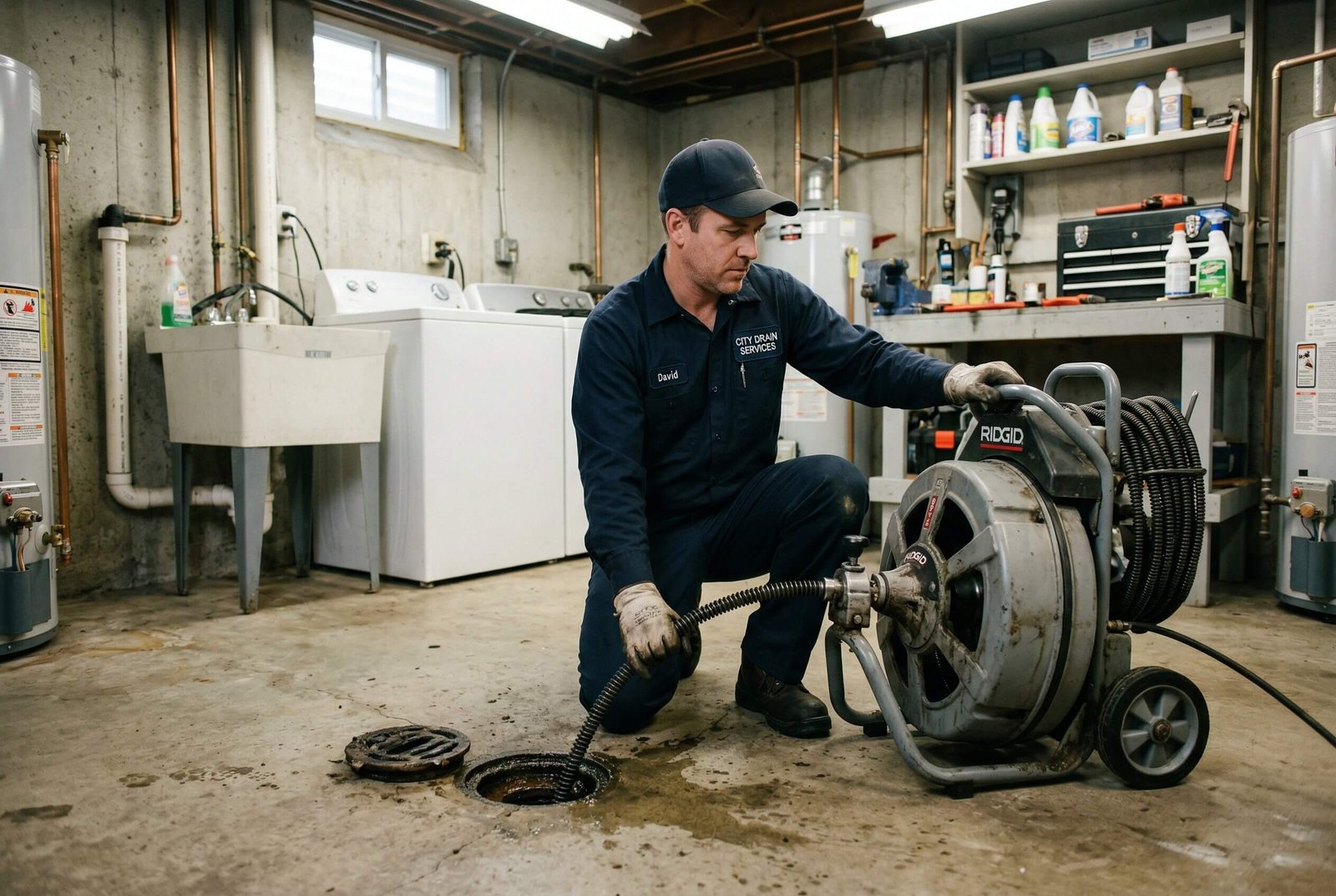
A drain backup is one of those problems that instantly turns a normal day into a stressful situation. You might notice water rising in your kitchen sink while using the washing machine, or worse, dirty water coming up through a basement floor drain. In some homes, it starts with a slow drain and suddenly becomes a full backup where water has nowhere to go except back into the house.
This usually happens when something blocks the normal flow inside your pipes—grease buildup, hair, debris, or even a deeper issue in the main sewer line. The pressure builds as water continues to be used, and eventually, it reverses direction. That’s when you see standing water, hear gurgling sounds, or smell unpleasant odors coming from drains.
Ignoring a drain backup doesn’t just make things inconvenient—it often leads to bigger problems like water damage, contamination, and even structural issues if it reaches flooring or walls. A proper drain backup cleaning service is meant to not just clear the immediate blockage, but restore full flow inside the pipe so the problem doesn’t keep coming back.
What This Page Covers
ToggleWhat Drain Backup Cleaning Service Actually Means
When most homeowners hear “drain backup cleaning service,” they assume it just means clearing a clog. But in real situations, a backup is more than a simple blockage—it’s a flow failure inside the pipe system. Water isn’t just draining slowly; it’s reversing direction because something is restricting or fully blocking the line.
In a typical slow drain, water still finds its way out, just at a reduced speed. In a backup situation, the pipe can’t handle incoming water at all. That’s why you may see water coming up in a completely different fixture—like a bathtub filling when you run the kitchen sink. This usually points to a deeper issue in shared drain lines or even the main sewer connection.
A proper drain backup cleaning service is not about pushing the clog further down or temporarily opening a small gap. The goal is to restore the full internal diameter of the pipe so water flows normally again. That means removing grease layers, debris buildup, or root intrusion—not just poking a hole through it.
What Plumbers Actually Do During This Service
A professional doesn’t just “clear a clog” and leave. The process is more deliberate and based on what’s happening inside the pipe.
- Identify whether the issue is local (single drain) or systemic (multiple fixtures)
- Locate where the blockage is forming within the line
- Determine the type of buildup—grease, sludge, hair, or external intrusion
- Use the appropriate method to fully clean the pipe, not just open it
- Check whether the pipe condition suggests a deeper issue like damage or collapse
Temporary Fix vs Real Cleaning
Many quick fixes only create a narrow opening in the blockage. Water starts draining again, so it feels solved—but the buildup remains along the pipe walls. Over time, the problem returns, often worse than before.
A proper cleaning service removes the material causing the restriction and clears the pipe walls as much as possible. In some cases, especially with recurring backups, this connects directly to deeper services like full drain cleaning or even sewer line repair if the structure of the pipe is compromised.
This is why understanding what the service actually involves helps you avoid repeated issues instead of dealing with the same backup again and again.
When You Actually Need Drain Backup Cleaning Service
Most drain backups don’t happen suddenly without warning. In many homes, there are early signs that something inside the pipe is starting to restrict flow. The challenge is that these signs are often ignored until the problem becomes severe and water starts coming back up.
Understanding when to act can help you avoid a full backup situation and reduce the chances of damage inside your home.
Early Warning Signs of a Developing Backup
In the early stage, the system is still draining—but not efficiently. This is when buildup is forming along the pipe walls, narrowing the space water can pass through.
You might notice that water drains slower than usual in sinks or tubs, especially after regular use. Gurgling sounds from drains or toilets are another common signal, often caused by trapped air trying to escape through restricted pipes. In some cases, using one fixture affects another—for example, running the washing machine causes water to rise slightly in a nearby drain.
These signs usually indicate that a drain cleaning service may be needed before it turns into a full backup.
Clear Signs You Already Have a Backup
Once the blockage becomes severe, the system can no longer handle normal water flow. This is when backups become obvious and more urgent.
You may see water coming up through a floor drain in the basement, or wastewater appearing in a sink or bathtub when another fixture is used. Unpleasant sewage odors often become noticeable, and in some cases, visible debris or dirty water may come back through the drain.
When multiple fixtures are affected at the same time, it usually points to a deeper issue in the main drain or sewer line rather than a single localized clog.
Recurring Backup Problems That Need Proper Cleaning
Some homeowners deal with backups that seem to go away and then return after a few weeks or months. This usually means the previous fix didn’t fully clear the pipe.
If the same drain keeps backing up, or if you’ve already tried temporary solutions that only worked for a short time, the underlying buildup is still present. Seasonal patterns—like backups during heavy water use or rain—can also suggest a partially blocked main line.
At this stage, a more thorough drain backup cleaning service is needed to fully remove the restriction and restore proper flow, rather than relying on short-term fixes.
How Drain Backup Cleaning Service Is Performed (Step-by-Step)
When a plumber handles a drain backup, the goal isn’t just to make the water go down again—it’s to understand why it backed up and restore proper flow so the problem doesn’t return. The process usually follows a structured approach based on what’s happening inside the pipe.
Initial Inspection and Assessment
The first step is understanding how widespread the problem is. A plumber will usually ask what you’ve noticed—whether it’s one drain or multiple fixtures—and how the issue started.
They’ll check affected areas like sinks, tubs, toilets, or basement drains to see where the backup is showing up. This helps determine whether the issue is isolated or connected to a larger section of the drainage system. At this stage, they’re also judging how severe the blockage might be based on how the water behaves.
Diagnosing the Cause
Once the situation is assessed, the next step is identifying what’s actually causing the backup. This isn’t guesswork—it’s based on experience and sometimes tools like inspection cameras.
The plumber tries to locate where the blockage is sitting in the line and what it’s made of. It could be grease buildup in kitchen lines, hair and soap accumulation in bathroom drains, or something more serious like tree roots or compacted debris in the main sewer line.
Understanding the cause matters because different blockages require different cleaning methods.
Choosing the Right Method
After identifying the problem, the plumber decides how to approach it. Not every backup is handled the same way.
For smaller or localized clogs, a drain snake may be enough to break through the blockage. But for thicker buildup or recurring issues, hydro jetting might be used to clean the pipe walls more thoroughly. The condition of the pipe is also considered—older or fragile pipes may not handle high-pressure methods safely.
This step is about choosing a solution that solves the problem without causing additional damage.
Performing the Cleaning
This is where the actual clearing happens. Depending on the method chosen, the plumber will either break apart the blockage or flush it out completely.
With snaking, the goal is to open the blockage and restore flow. With more advanced cleaning like hydro jetting, the process removes layers of buildup along the pipe walls, not just the center obstruction. The idea is to bring the pipe closer to its original internal capacity so water can move freely again.
Final Testing and Flow Check
After the cleaning is done, the system is tested to make sure everything is working properly. Water is run through the system from different fixtures to confirm that it drains smoothly without backing up.
In some cases, especially with recurring problems, the plumber may check again with a camera to ensure nothing significant is left behind or to confirm there’s no structural issue like a damaged pipe.
This final step is important because it verifies that the problem has been properly resolved—not just temporarily relieved.
Methods Used in Drain Backup Cleaning
Not every drain backup is the same, and that’s why different cleaning methods are used depending on what’s inside the pipe. A light grease buildup in a kitchen line is very different from a main sewer line blocked with roots or compacted debris. The right method is chosen based on severity, pipe condition, and how deep the problem is.
Drain Snaking (Auger Method)
This is one of the most common methods used for clearing backups, especially in localized clogs. A flexible metal cable with a cutting or grabbing head is inserted into the drain and pushed toward the blockage.
The main purpose of snaking is to break through or pull out the obstruction so water can start flowing again. It works well for:
- Hair clogs in bathroom drains
- Small debris or buildup near the surface
- Early-stage blockages
However, snaking usually creates a path through the clog rather than cleaning the entire pipe wall. That’s why some backups return if deeper buildup is still present.
Hydro Jetting
Hydro jetting is a more thorough method used for heavier or recurring backups. It uses high-pressure water to clean the inside of the pipe, removing grease, sludge, and debris stuck along the walls.
Instead of just opening a hole through the blockage, this method clears the full diameter of the pipe. It’s often used when:
- Grease buildup is thick and widespread
- The backup keeps coming back
- The main drain or sewer line is affected
Hydro jetting is commonly associated with deeper drain cleaning and can sometimes prevent the need for more serious sewer line repair if the pipe structure is still intact.
Manual Cleaning and Access Point Work
In some situations, especially with accessible drains or outdoor systems, parts of the blockage can be removed manually. This may involve opening a cleanout point or accessing a section of pipe directly.
This approach is usually used when:
- Debris is concentrated in one accessible location
- Outdoor drains or yard systems are involved
- There’s visible material that can be physically removed
It’s not always the primary method but can be part of the overall cleaning process.
Camera Inspection Tools
Camera inspection isn’t a cleaning method itself, but it plays an important role in understanding what’s happening inside the pipe.
A small camera is inserted into the drain to visually inspect the condition of the pipe and identify the exact cause of the backup. This helps:
- Confirm whether the blockage is fully cleared
- Detect deeper issues like cracks, misalignment, or root intrusion
- Decide whether further cleaning or repair is needed
In cases of recurring backups, camera inspection often connects the problem to larger issues that may go beyond basic drain cleaning and move toward sewer line repair.
DIY vs Professional (Decision Section)
When a drain starts acting up, most homeowners try a quick fix first—and in some situations, that makes sense. But with drain backups, the line between a manageable issue and a serious problem can be thin. Knowing when to handle it yourself and when to step back is what prevents small issues from turning into expensive repairs.
When DIY Can Work
In early-stage clogs, especially when only one fixture is affected, a simple approach can sometimes resolve the issue. These are situations where the blockage is close to the surface and hasn’t fully restricted the pipe.
You might get results using a plunger or a basic hand auger if the drain is just starting to slow down. Hot water or mild cleaning solutions can also help loosen light grease buildup in kitchen lines. When water still drains—just slowly—it usually means there’s still some open space in the pipe.
These methods are best suited for minor issues before they turn into a full drain backup.
When DIY Starts to Fail
Once multiple fixtures are involved or water starts coming back up, DIY methods usually stop being effective. At this point, the blockage is deeper or more compacted, and surface-level tools can’t reach or properly clear it.
You may notice that temporary fixes work for a few days and then the problem returns. This is a common sign that the clog was only partially opened, not removed. Repeated attempts without fully clearing the buildup often make the situation worse over time.
If you’re dealing with recurring issues or system-wide slowdowns, it typically means a proper drain cleaning service is needed.
When It Becomes Risky to Handle Yourself
A full drain backup—especially involving sewage—is where DIY should stop. When contaminated water is coming back into the home, the issue is no longer just about drainage—it becomes a health and safety concern.
Using chemicals or excessive force can also damage pipes, especially if they are older or already weakened. High pressure in a blocked system can lead to cracks, leaks, or even pipe failure in some cases.
At this stage, professional tools and controlled methods are necessary to safely clear the blockage and check for deeper issues like sewer line problems or structural damage.
Cost of Drain Backup Cleaning Service in the U.S.
The cost of a drain backup cleaning service can vary quite a bit depending on how severe the problem is and where it’s located in the system. A simple localized clog is very different from a main line backup affecting multiple fixtures. That’s why pricing isn’t fixed—it’s based on access, equipment, and how much work is needed to fully restore flow.
Typical Price Ranges
For a basic drain backup cleaning involving a single fixture, homeowners usually see costs on the lower end. This might involve simple snaking or clearing a nearby blockage that hasn’t spread far into the system.
As the issue becomes more complex—like deeper blockages or multiple drains affected—the cost increases because more time and stronger equipment are needed. In cases where the main drain or sewer line is involved, pricing reflects the complexity of reaching and properly cleaning that section.
- Basic localized cleaning: $100 – $250
- Moderate blockage (deeper or multiple fixtures): $250 – $500
- Severe backup or main line cleaning: $500 – $1,000+
These ranges are typical across many U.S. areas, but exact pricing can vary depending on region and access conditions.
Emergency Drain Backup Cleaning Cost
When a backup happens outside regular hours—late night, weekends, or holidays—the cost usually increases due to urgency and availability.
Emergency situations often involve active water or sewage backup, which requires immediate response. Because of this, service charges can be higher than standard appointments.
- Emergency service call: $150 – $300 extra
- Total emergency job cost: $300 – $1,200+ depending on severity
Emergency drain cleaning is often tied to urgent situations where delaying the service would cause further damage inside the home.
What Affects the Cost
Several factors influence how much you’ll end up paying. It’s not just about clearing the clog—it’s about what it takes to do it properly and safely.
- Severity of blockage → Light buildup vs fully blocked pipe
- Location of the clog → Easy access vs deep in the main line
- Equipment required → Basic auger vs hydro jetting
- Pipe condition → Older or damaged pipes may need careful handling
In some cases, if the issue is linked to pipe damage or structural problems, cleaning alone may not be enough. That’s when the situation moves toward deeper solutions like sewer line repair, which comes with a different cost range altogether.
Understanding these factors helps you see why pricing varies—and why a proper diagnosis matters before assuming what the cost should be.
Risks of Delaying Drain Backup Cleaning
A drain backup rarely stays the same—it usually gets worse over time. What starts as a slow or occasional issue can quickly turn into a situation where water or sewage comes back into the home. The longer the blockage sits inside the pipe, the more pressure builds and the more damage it can cause.
Pipe Damage and Internal Pressure
When a pipe is partially or fully blocked, water has nowhere to go. Every time you use a sink, shower, or washing machine, pressure builds inside the system. Over time, this pressure can weaken joints, stress older pipes, and in some cases, cause cracks or small leaks.
This kind of damage isn’t always visible right away. A pipe might start leaking behind a wall or under the floor, which means the issue continues unnoticed until it becomes more serious.
Water Damage Inside the Home
Once a backup reaches the point where water starts coming back up, it can spread into areas not designed to handle it. Basement floors, bathroom tiles, or even kitchen cabinets can be affected.
Standing water doesn’t just sit on the surface—it can seep into materials like wood, drywall, and subflooring. Even a small backup can lead to long-term damage if moisture gets trapped underneath surfaces.
Mold and Air Quality Issues
Any time moisture lingers in hidden areas, it creates conditions where mold can develop. This is especially common in basements or enclosed spaces where airflow is limited.
Over time, this can affect indoor air quality and create additional problems that go beyond plumbing. What started as a drain issue can turn into a broader home maintenance concern if it isn’t handled early.
Sewage Backup and Contamination
In more severe cases, especially when the main line is involved, backups can include wastewater. This isn’t just dirty water—it may contain bacteria and contaminants that require careful cleanup.
At this stage, the problem is no longer just about clearing a drain. It becomes a sanitation issue that may involve cleanup, disinfection, and in some cases, restoration work depending on how far the backup has spread.
Where Drain Backups Commonly Happen in Homes
Drain backups don’t happen in just one place—they depend on how your home’s drainage system is used and where buildup tends to form over time. Some areas are more prone to backups simply because of the type of waste flowing through them or their connection to the main line.
Kitchen Drain Systems
Kitchen drains are one of the most common places for backups, mainly because of grease, food particles, and soap residue. Over time, grease sticks to the inner walls of the pipe and gradually narrows the passage.
You might notice the sink draining slower after cooking or washing dishes, especially if oils and food scraps are frequently going down the drain. Eventually, this buildup can restrict flow enough to cause water to back up into the sink or even affect nearby fixtures if the blockage spreads deeper into the line.
Bathroom Drains
Bathroom drains deal with a different type of buildup—hair, soap scum, toothpaste, and hygiene products. These materials tend to clump together and form dense blockages, especially in shower and bathtub drains.
In many homes, bathroom drains are connected through shared lines. That’s why a blockage in one area can affect another, causing water to rise in a tub when a sink is used or vice versa. These backups often start small but become more noticeable over time.
Basement Floor Drains
Basement floor drains are closely connected to the main drain or sewer line, which makes them a common point where deeper backups show up.
If the main line is partially or fully blocked, water will often come up through the lowest point in the system—which is usually the basement drain. This is why backups here can feel more serious, as they often indicate a larger issue beyond a single fixture.
Outdoor and Yard Drains
Outdoor drains handle rainwater, debris, dirt, and sometimes roots from nearby trees. These factors can create blockages that are different from indoor clogs.
Leaves, soil, and root intrusion can restrict flow over time, especially during heavy rain. When these drains get blocked, water may pool in the yard or push back toward the home’s drainage system, contributing to backups inside.
Finding Help Locally
When a drain backup reaches the point where water is coming back into the home, timing starts to matter. This isn’t a situation where waiting a few days usually helps—especially if multiple fixtures are affected or the issue involves the main line. In these cases, homeowners typically look for local plumbers who can respond quickly and handle backup situations specifically, not just basic clogs.
Local professionals are familiar with common issues in the area, whether it’s older pipe systems, tree root intrusion, or heavy usage patterns in certain neighborhoods. That local experience often helps in diagnosing the problem faster and choosing the right method—whether it’s standard drain cleaning, deeper line clearing, or something that may lead toward sewer line repair.
It also helps to understand that not every plumber handles backup situations the same way. Some focus on quick clearing, while others take a more complete approach by inspecting the line and ensuring the pipe is fully cleaned. In urgent cases—like water rising through a basement drain or multiple fixtures backing up—this is often treated as an emergency plumbing situation, where response time becomes just as important as the method used.
Many homeowners also explore city-based plumber lists or comparison pages to understand who regularly deals with these kinds of problems. This can make it easier to find someone equipped to handle a full drain backup cleaning service rather than a temporary fix.
How to Choose the Right Drain Backup Cleaning Service
Not all drain backup situations are handled the same way, and the quality of the service often depends on how the problem is approached—not just how quickly the water starts draining again. Choosing the right provider is less about finding the fastest fix and more about finding someone who understands what’s happening inside the pipe.
What to Look For
A reliable professional focuses on identifying the cause of the backup, not just clearing the immediate blockage. They take the time to understand whether the issue is local or connected to the main line and explain what they’re seeing in simple terms.
Look for someone who has experience dealing specifically with drain backups and uses the right equipment for the situation. In many cases, proper cleaning requires more than basic tools, especially if the issue is recurring or deeper in the system.
- Experience with multi-fixture or main line backups
- Ability to explain the problem clearly
- Use of appropriate equipment based on pipe condition
- Willingness to check if the issue could return
Questions That Help You Understand the Service
Before the work begins, it helps to ask a few practical questions. The answers can tell you whether the approach is thorough or just focused on a quick fix.
- What method will be used to clear the blockage?
- Will the pipe be fully cleaned or just opened?
- Is inspection included to check for deeper issues?
- What could cause the backup to come back again?
Clear answers to these questions usually indicate a more complete approach to drain cleaning rather than a temporary solution.
Common Mistakes and Red Flags
Some issues come back simply because the initial cleaning didn’t address the full problem. There are a few warning signs that the service may not be thorough enough.
- Only breaking the clog without cleaning pipe walls
- No inspection when the problem is recurring
- Vague explanations about what caused the backup
- Pricing that changes without clear reasoning
Drain backups are often connected to larger issues like buildup over time or even early-stage sewer line problems. A proper service identifies and addresses these factors, rather than just restoring flow for the moment.
Final Thoughts
A drain backup is one of those issues that quickly moves from minor inconvenience to something that affects how your entire home functions. What makes it challenging is that the visible problem—water coming back up—is usually just the result of something building inside the pipes over time. Without understanding that underlying cause, it’s easy to end up dealing with the same issue again.
In many cases, acting early makes a significant difference. Addressing slow drainage or early warning signs can prevent a full backup situation, which is not only more disruptive but often more expensive to handle. Once multiple fixtures are involved or water starts reversing into the home, the problem usually requires a more thorough approach rather than a quick fix.
The key is to focus on restoring proper flow inside the pipe, not just temporarily clearing the blockage. Whether the issue is grease buildup, debris, or something deeper in the system, a complete cleaning helps reduce the chances of repeat problems and keeps the drainage system functioning the way it should.