
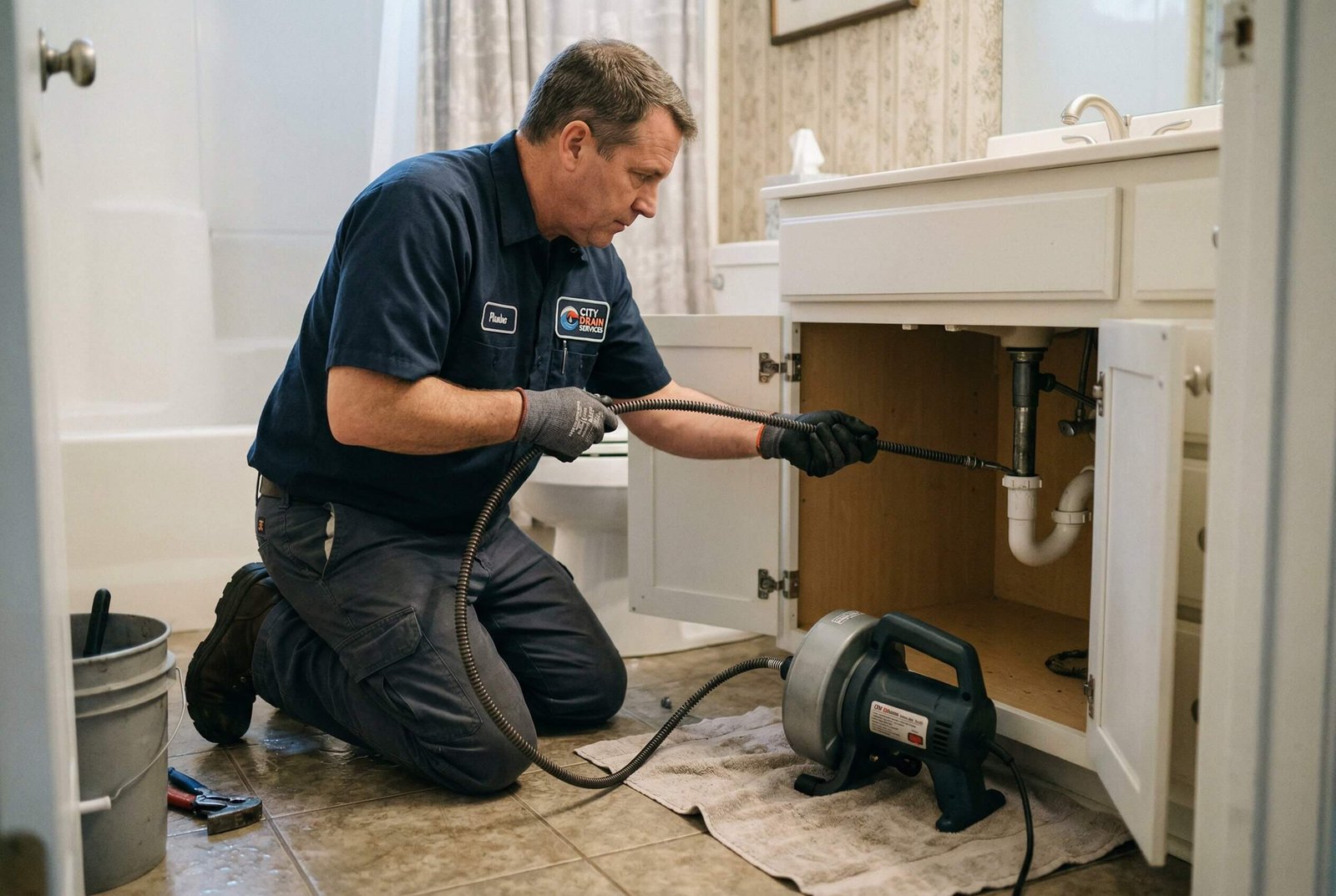
Drain clogs are one of the most common plumbing issues in any home, but they rarely start as a serious problem. It usually begins with something small—a sink that drains a little slower than usual, water pooling briefly in the shower, or a toilet that doesn’t flush as cleanly as before. At first, it’s easy to ignore or work around, especially if everything still functions.
Over time, though, these small signs tend to build up. What was once a minor slowdown can turn into standing water, recurring clogs, or even complete blockage. In many cases, the issue is caused by everyday buildup inside the pipes—things like grease, soap residue, hair, or debris gradually narrowing the passage where water flows.
Drain unclogging service focuses on clearing that buildup and restoring proper flow before the problem spreads or becomes more disruptive. Understanding how these clogs develop, when they need attention, and what actually happens during the process helps you deal with them early—and avoid larger issues connected to deeper parts of the plumbing system.
What This Page Covers
ToggleWhat Drain Unclogging Service Actually Means
Drain unclogging is about clearing a blockage from a specific pipe so water can move freely again. Unlike issues deeper in the system, these clogs are usually closer to the fixture—inside a sink line, shower drain, toilet trap, or a short section of pipe leading away from it. That’s why the symptoms are typically isolated to one area at first.
In real homes, clogs build gradually. Grease sticks to kitchen pipes, soap and hair collect in bathroom drains, and small debris settles where water flow slows down. A proper unclogging isn’t just about forcing water through—it’s about removing that buildup so the pipe works normally again, not just for a short time but without the clog quickly returning.
What a “Clogged Drain” Really Means
A clogged drain doesn’t always mean the pipe is fully blocked. In many cases, it’s partially restricted, which slows the flow rather than stopping it completely. This is why water may still drain, but more slowly than usual.
As buildup increases, the restriction becomes tighter. Eventually, the pipe can’t handle normal water flow, leading to standing water or complete blockage.
Minor Clog vs Deeper Blockage
Not all clogs are the same. Some are simple and close to the surface, while others sit deeper in the pipe and are harder to reach.
- Minor clog → Near the drain opening, easier to clear
- Deeper blockage → Further inside the pipe, may require tools or professional cleaning
Understanding this difference helps explain why some clogs clear easily while others keep coming back.
Types of Drains Commonly Affected
Clogs can happen in different parts of the home, depending on how each drain is used.
Common areas include:
- Kitchen sinks (grease and food buildup)
- Bathroom sinks (soap and toothpaste residue)
- Showers and tubs (hair and soap accumulation)
- Toilets (paper and foreign objects)
- Floor drains (dirt and debris over time)
Each type of drain tends to develop clogs in slightly different ways based on what flows through it.
What Plumbers Actually Do During Unclogging
A proper drain unclogging service focuses on removing the obstruction, not just pushing it further down the line. The approach depends on where the clog is and what it’s made of.
In most cases, the process involves:
- Locating the blockage within the pipe
- Using tools to break apart or remove the clog
- Clearing buildup from the pipe walls
- Testing water flow to ensure the drain works properly
The goal is to restore normal drainage so the same issue doesn’t return immediately after.
Temporary Relief vs Proper Clearing
Some methods provide quick results but don’t fully solve the problem. For example, opening a small path through the clog may allow water to pass temporarily, but the remaining buildup can cause the blockage to return.
A proper unclogging clears enough of the obstruction and residue so the pipe functions normally again. That’s what makes the difference between a short-term fix and a longer-lasting result.
When You Actually Need Drain Unclogging
Drain clogs don’t usually appear all at once—they build gradually, and the early signs are easy to overlook. A slightly slow drain or occasional pooling might not feel urgent, but these are often the first indications that buildup is forming inside the pipe. Knowing when to act helps prevent the problem from turning into a full blockage.
In most homes, the decision comes down to patterns. If the issue stays isolated and minor, it may be manageable. But when it becomes persistent, worsens over time, or starts affecting how the drain normally behaves, it’s usually time to properly clear it.
Early Signs That a Drain Is Starting to Clog
The first warning signs are subtle and often ignored. Water may take a little longer to drain, or you might notice slight pooling before it clears.
These early indicators include:
- Slow drainage after normal use
- Small amounts of standing water that eventually clear
- Slight changes in how quickly sinks or tubs empty
At this stage, the clog is usually forming but not yet fully restricting the pipe.
Visible Signs of a Developing Blockage
As the buildup increases, the symptoms become more noticeable. The drain may struggle to keep up with normal water flow, especially during regular use.
Common signs at this stage:
- Water pooling for longer periods
- Drains that empty inconsistently
- Frequent need to run water longer to clear the drain
These are signs that the restriction is becoming more significant.
Gurgling Sounds and Air Movement
When a drain is partially blocked, air can get trapped in the pipe. This often creates gurgling or bubbling sounds when water flows through.
You might notice:
- Gurgling noises after draining water
- Air bubbles coming up through water in sinks or tubs
This usually indicates that water isn’t moving smoothly through the pipe.
Bad Odors Coming From the Drain
As debris builds up inside the pipe, it can start to break down and create unpleasant smells. These odors often come from organic material like food particles, grease, or hair trapped in the drain.
If the smell persists even after cleaning the surface, it usually means the buildup is deeper inside the pipe.
Recurring Clogs After DIY Attempts
One of the clearest signs you need proper unclogging is when the problem keeps coming back. You might clear the drain temporarily, but after a few days or weeks, it slows down again.
This typically means:
- The clog wasn’t fully removed
- Buildup remains along the pipe walls
- The underlying cause hasn’t been addressed
Recurring issues are a strong indication that a more thorough cleaning is needed.
Single Fixture vs Multiple Fixture Issues
Understanding whether the problem is isolated or widespread helps determine what you’re dealing with.
- Single drain affected → Usually a localized clog
- Multiple drains affected → May indicate a deeper issue in the system
If more than one drain starts acting up at the same time, the problem may go beyond simple unclogging and require a closer look at the main line.
How Drain Unclogging Is Performed (Step-by-Step)
Drain unclogging usually follows a simple but structured process. The goal isn’t just to get water moving again for the moment, but to clear the blockage in a way that restores normal flow and reduces the chance of it coming back. In most homes, the approach depends on where the clog is located and how severe it has become.
Even for smaller clogs, taking the right steps in the right order makes a noticeable difference. Rushing straight into clearing without understanding the problem often leads to temporary results rather than a proper fix.
Initial Assessment of the Problem
The first step is understanding what’s happening and where. This usually involves observing how the drain behaves and identifying patterns—whether it’s slow drainage, standing water, or a complete blockage.
The goal here is to determine:
- Which fixture is affected
- Whether the issue is recent or recurring
- How severe the restriction appears
This helps narrow down where the clog is likely located within the pipe.
Identifying the Location of the Clog
Once the symptoms are clear, the next step is figuring out how deep the blockage is. Some clogs are near the surface, while others sit further down the line.
Clues that help identify location include:
- Immediate blockage → likely near the drain opening
- Slow drainage → buildup deeper in the pipe
- Recurring issues → blockage further along the line
Knowing the location guides which method will be most effective.
Choosing the Right Method
Different clogs require different approaches. A soft buildup of grease or soap is handled differently than a compact obstruction or tangled debris like hair.
The method is selected based on:
- Type of clog (grease, hair, debris)
- Depth of blockage
- Condition of the pipe
Using the wrong method may either fail to clear the clog or leave residue behind.
Performing the Unclogging Process
Once the method is chosen, the actual clearing begins. The focus is on removing the blockage rather than pushing it further down the pipe.
This may involve:
- Breaking apart the clog
- Pulling debris out of the pipe
- Clearing buildup from the inner pipe walls
The goal is to open the full flow path so water drains normally again.
Testing Water Flow
After the clog is cleared, water is run through the drain to check how well it flows. This step confirms whether the blockage has been fully removed or if any restriction remains.
If the drain still slows down or behaves inconsistently, additional cleaning may be needed.
Final Check and Observations
Before finishing, the overall condition of the drain is considered. If there are signs of recurring buildup or patterns that may cause future clogs, they are usually noted.
This step isn’t about adding extra work—it’s about understanding whether the issue was isolated or part of a larger pattern that may need attention later.
Methods Used in Drain Unclogging
Not all drain clogs are handled the same way. The method used depends on what’s causing the blockage, how deep it is, and how severe the restriction has become. In real homes, choosing the right method is what determines whether the drain works properly for a while—or keeps clogging again after a few days.
Most unclogging methods are designed either to break through the blockage or remove it completely. The more thoroughly the buildup is cleared, the better the long-term result.
Plunging (Basic Pressure Clearing)
Plunging is often the first step for simple clogs. It uses pressure and suction to dislodge blockages near the surface of the drain.
This method works best when:
- The clog is close to the drain opening
- The blockage is soft (like food, soap, or paper)
- The issue is recent and not deeply built up
It’s a quick and effective solution for minor problems, but it doesn’t clean the pipe beyond the immediate clog.
Drain Snaking / Auger Cleaning
A drain snake (or auger) is a flexible cable that goes deeper into the pipe to break apart or pull out blockages. It’s one of the most commonly used tools for unclogging.
This method is useful for:
- Hair buildup in bathroom drains
- Compact clogs further inside the pipe
- Recurring blockages that plunging can’t fix
While it can clear a path through the clog, it may not remove all residue from the pipe walls, which is why some clogs return over time.
Chemical or Enzymatic Cleaners
Chemical cleaners are designed to break down organic material inside the pipe, while enzymatic cleaners use bacteria to digest buildup more gradually.
These are sometimes used for:
- Light organic buildup (like grease or soap)
- Maintenance between deeper cleanings
However, they have limitations. Chemical cleaners can be harsh on pipes if used frequently, and they often don’t work well on solid or dense blockages. They may also fail if the clog is too deep or compact.
Hydro Jetting (For Deeper Blockages)
Hydro jetting uses high-pressure water to clean the inside of the pipe more thoroughly. Unlike snaking, it doesn’t just open a path—it washes away buildup along the pipe walls.
This method is typically used when:
- There’s heavy grease or sludge buildup
- Clogs keep returning after basic cleaning
- A more complete cleaning is needed
It’s more effective for long-term results but usually requires professional equipment and inspection before use.
Manual Trap Cleaning
Some clogs are located in the trap—the curved section of pipe under sinks. In these cases, manually removing and cleaning the trap can resolve the issue quickly.
This method works well when:
- The blockage is very close to the fixture
- Debris has collected in the trap area
- The clog is accessible without deeper tools
It’s one of the simplest ways to remove localized buildup when the location is clear.
DIY vs Professional Drain Unclogging (Decision Section)
Most homeowners try to deal with a clogged drain themselves first, and in many cases, that makes sense. Some clogs are simple and close to the surface, and basic tools can clear them without much effort. But not every clog behaves the same way, and knowing where DIY stops being effective helps avoid repeated frustration and unnecessary damage.
In real situations, the key is understanding whether the clog is minor and isolated or deeper and recurring. That difference determines whether a quick fix will work or whether a more thorough approach is needed.
When DIY Methods Can Work
There are situations where handling a clog yourself is reasonable and often effective. These usually involve simple, recent blockages that haven’t built up over time.
DIY methods can work when:
- Only one drain is affected
- The clog formed recently
- Water still drains, even if slowly
- There are no unusual smells or gurgling sounds
In these cases, tools like a plunger or a small drain snake can often clear the blockage and restore normal flow.
Common DIY Methods Homeowners Use
Most DIY approaches focus on loosening or breaking apart the clog near the drain opening. These methods are easy to try and don’t require specialized equipment.
Typical methods include:
- Using a plunger to create pressure and dislodge the clog
- Running a small drain snake to break up or pull out debris
- Flushing with hot water to loosen grease buildup
- Using baking soda and vinegar for mild buildup
These can be effective for light clogs but are limited in how deep they can reach.
Limitations of DIY Solutions
The main limitation of DIY methods is reach. Most tools and techniques only work near the surface of the drain and don’t address buildup further inside the pipe.
This often leads to situations where:
- The clog clears temporarily but returns later
- Only part of the blockage is removed
- Residue remains along the pipe walls
Because of this, DIY solutions are often short-term fixes rather than complete solutions.
When DIY Methods Stop Working
As the clog becomes deeper or more compact, basic methods lose effectiveness. At this stage, repeated attempts may not improve the situation and can sometimes make it worse.
Signs that DIY is no longer enough:
- The clog keeps returning after multiple attempts
- Water stops draining completely
- Multiple attempts don’t improve flow
- The problem gradually worsens over time
These indicate that the blockage is beyond what basic tools can handle.
When Professional Help Is Needed
There’s a point where clearing the clog requires tools and methods that go beyond typical household solutions. This is especially true when the blockage is deeper, more severe, or recurring.
Professional unclogging is usually needed when:
- The drain is completely blocked
- The clog returns quickly after clearing
- There are strong odors coming from the drain
- Multiple drains start showing similar issues
At this stage, a more thorough cleaning is needed to fully restore flow and prevent the problem from coming back.
Cost of Drain Unclogging in the U.S.
The cost of drain unclogging depends largely on how simple or complex the blockage is. A minor clog near the surface can be cleared quickly with basic tools, while deeper or more stubborn blockages require more time, effort, and equipment. That’s why pricing can vary even for what seems like a similar issue.
It’s also important to understand that cost isn’t just about clearing the clog—it reflects how difficult it is to access and remove it properly. A quick fix may cost less upfront, but if the clog returns, it often leads to repeated service calls and higher total cost over time.
Average Cost for Basic Drain Unclogging
For simple clogs that are easy to access and remove, the cost usually stays on the lower end of the range.
Typical pricing includes:
- $100 to $250 for minor clogs in sinks or tubs
- Slightly higher if extra time or effort is needed
These jobs usually involve basic tools like plungers or drain snakes and are completed relatively quickly.
Cost Differences by Drain Type
The type of drain also affects pricing because some are easier to access and clear than others.
Common variations include:
- Sink drains → Generally lower cost due to easy access
- Shower or tub drains → Moderate cost depending on buildup
- Toilets → Can vary based on blockage type
- Floor drains → May cost more if access is limited
Each type presents different challenges, which influences the time and method required.
Cost for More Severe or Deep Clogs
When the blockage is deeper in the pipe or more compact, the process becomes more involved. This increases both the time required and the type of equipment used.
Typical range for more difficult clogs:
- $250 to $600+ depending on severity
These cases often require more thorough cleaning to prevent the issue from returning.
Emergency Drain Unclogging Cost
If the clog causes overflow or needs immediate attention outside normal hours, the service is considered an emergency. This usually comes with higher pricing due to urgency.
Emergency services may range from:
- $300 to $800+ depending on timing and severity
The added cost reflects faster response and immediate availability.
Factors That Affect the Cost
Several factors influence how much drain unclogging will cost. These are based on real conditions inside the pipe and how complex the job is.
Key factors include:
- Severity of the clog → Light buildup vs complete blockage
- Location of the clog → Near the drain vs deeper in the pipe
- Type of drain → Sink, toilet, shower, or floor drain
- Tools required → Basic tools vs advanced equipment
- Time required → Quick fix vs extended work
- Timing of service → Regular hours vs emergency
Understanding these factors helps set realistic expectations and explains why costs can vary from one situation to another.
Risks of Delaying Drain Unclogging
Drain clogs often seem manageable at first, especially when water still drains slowly and the issue doesn’t feel urgent. But in most homes, a clog doesn’t stay the same—it gradually builds up, restricting more of the pipe over time. What starts as a minor inconvenience can turn into a complete blockage if it’s left unaddressed.
The longer a clog sits in the pipe, the more it affects how the system functions. Water flow becomes less efficient, pressure builds behind the blockage, and debris continues to collect. Addressing the problem early is usually straightforward, while delaying it often leads to more noticeable disruption and additional damage.
Increased Pipe Pressure and Stress
As a clog grows, water has less space to pass through. This creates pressure inside the pipe, especially during normal usage like running a sink or shower.
Over time, this added stress can:
- Weaken pipe joints
- Increase wear on older plumbing
- Make existing buildup harder to remove
While this doesn’t always cause immediate damage, it contributes to long-term deterioration.
Water Overflow and Property Damage
When water can’t drain properly, it starts to collect at the fixture. If the blockage becomes severe, this can lead to overflow.
Common situations include:
- Sinks filling up during use
- Showers or tubs holding standing water
- Toilets struggling to flush properly
If ignored, these can lead to water spilling over onto floors, which may damage surrounding areas.
Mold and Persistent Odor Issues
Clogs often trap organic material inside the pipe. As this material breaks down, it can create unpleasant odors that come up through the drain.
At the same time, slow drainage and standing water create moisture buildup, which can contribute to mold growth over time—especially in areas that don’t dry out easily.
Full Blockage and System Backup
If the clog continues to grow, it can eventually block the pipe completely. At this point, water has nowhere to go, and the drain stops working altogether.
In more severe cases, this can lead to:
- Water backing up into the fixture
- Overflow during normal use
- Increased strain on the entire drainage system
What could have been handled as a minor issue becomes a more disruptive problem.
Higher Cost and More Complex Repairs
Delaying a clog often leads to a more difficult and time-consuming solution. What might have been resolved with simple unclogging can turn into a deeper cleaning or require additional work.
Costs increase because:
- The blockage becomes more compact and harder to remove
- More advanced tools may be needed
- The issue may spread further into the system
Handling the problem early keeps the process simpler and reduces the chances of needing more extensive work.
Where Drain Clogs Commonly Happen
Drain clogs don’t occur randomly—they usually develop in areas where specific types of waste regularly pass through the pipes. Each drain in the home handles different materials, which is why clogs form differently depending on the location. Understanding where clogs typically happen helps you connect the cause with the symptoms you’re seeing.
In most homes, these issues start in high-use areas where buildup happens gradually over time. The type of material entering the drain often determines how quickly the clog forms and how severe it becomes.
Kitchen Sink Drains
Kitchen drains are one of the most common places for clogs. Even when water flows normally, grease and food particles can stick to the inside of the pipe and build up over time.
Typical causes include:
- Grease and oil solidifying inside the pipe
- Food scraps that don’t fully wash away
- Soap residue combining with grease buildup
These clogs often start as slow drainage and gradually become more restrictive.
Bathroom Sink Drains
Bathroom sinks handle a mix of soap, toothpaste, and small debris. While these materials seem harmless, they can collect along the pipe walls and create a sticky buildup.
Common causes:
- Soap residue accumulating over time
- Toothpaste thickening inside the pipe
- Small particles getting trapped in buildup
These clogs usually develop slowly and may not be noticed until drainage becomes noticeably slower.
Shower and Tub Drains
Hair is one of the main causes of clogs in showers and tubs. It combines with soap and forms dense blockages that are difficult to break down.
Frequent causes:
- Hair tangling inside the drain
- Soap creating a binding residue
- Gradual buildup forming a thick blockage
These clogs often lead to standing water during use.
Toilets
Toilet clogs are usually caused by materials that don’t break down easily or by flushing items that shouldn’t go into the system.
Typical causes include:
- Excessive toilet paper
- Non-flushable items
- Foreign objects accidentally flushed
Toilet clogs tend to be more immediate and noticeable compared to other drains.
Floor Drains
Floor drains are less frequently used, which makes them more prone to buildup over time. Dirt, debris, and occasional water flow can lead to blockages.
Common issues:
- Dirt and dust settling inside the drain
- Debris washing in from surrounding areas
- Lack of regular water flow allowing buildup to harden
These clogs may go unnoticed until drainage is needed and the water doesn’t clear properly.
Finding Drain Unclogging Help Locally
When a drain clog starts interfering with daily use, most homeowners begin looking for help fairly quickly. In simple cases, the goal is just to get the water flowing again, but when the issue keeps returning or becomes more severe, it’s important to find someone who can properly clear the blockage rather than just provide a temporary fix.
In real situations, the difference often comes down to how the problem is handled. Some services focus on quick unclogging, while others take a more thorough approach to remove buildup and reduce the chances of the issue coming back. Knowing what to expect helps you choose the right kind of help for your situation.
How Homeowners Typically Search for Help
Most people start with a quick local search once the problem becomes noticeable. This usually happens when basic attempts don’t work or the clog starts affecting regular use.
Common ways homeowners look for help include:
- Searching for drain cleaning or unclogging services in their area
- Looking for emergency plumbing help if water is backing up
- Checking local listings or reviews for nearby providers
At this stage, urgency often influences the decision, especially if the drain is no longer usable.
Local Plumber vs General Drain Service
There are different types of service providers, and they don’t always handle problems the same way. Some focus on general plumbing, while others specialize more in drain cleaning.
A local plumber may handle a wide range of issues, including fixtures and repairs, while a dedicated drain service may focus more on clearing blockages efficiently. The right choice depends on how simple or complex the clog is.
Why Response Time Matters
For minor clogs, waiting a short time may not cause much trouble. But when the drain is fully blocked or water starts backing up, the situation can escalate quickly.
Response time becomes important when:
- Water is not draining at all
- Overflow is starting or likely
- The clog is affecting daily use of the fixture
Quick service in these situations helps prevent further inconvenience and potential damage.
Understanding Service Capability
Not every service handles clogs with the same level of detail. Some focus on clearing the immediate blockage, while others aim to remove buildup more thoroughly.
It helps to be aware of:
- Whether the approach is a quick fix or a more complete cleaning
- What tools are being used to clear the clog
- Whether recurring issues are being addressed or just temporarily resolved
Understanding this difference helps you avoid repeated problems and unnecessary service calls.
How to Choose the Right Drain Cleaning Provider
Choosing the right provider for drain unclogging is less about finding someone quickly and more about finding someone who will actually solve the problem properly. In many real situations, clogs come back not because they’re unavoidable, but because the initial cleaning didn’t remove the full buildup inside the pipe.
A reliable approach focuses on understanding the cause, using the right method, and making sure the drain works normally after the job is done. That’s what separates a one-time fix from repeated service calls.
Experience With Different Types of Drains
Not all drains behave the same way. Kitchen, bathroom, shower, and toilet clogs each develop differently, and the approach to clearing them can vary.
Experience matters because it helps in:
- Identifying the type of buildup quickly
- Choosing the right method for the specific drain
- Avoiding unnecessary steps or ineffective solutions
Someone familiar with different drain types is more likely to resolve the issue efficiently.
Tools and Methods Used
The tools used during unclogging affect how thorough the result will be. Basic tools may clear the blockage, but more effective methods can remove buildup more completely.
It helps when the provider can use:
- Manual tools for surface-level clogs
- Mechanical tools for deeper blockages
- Methods that clear buildup along the pipe, not just open a path
This ensures the drain functions properly beyond just the immediate fix.
Clear Explanation of the Issue
A clear explanation of what’s causing the clog helps you understand whether the solution makes sense. You don’t need technical details, but the reasoning should match what you’re experiencing.
You should be able to understand:
- What caused the clog
- Where it is located
- What method will be used to clear it
This clarity helps avoid confusion and ensures the approach is appropriate.
Transparency in Pricing
Drain unclogging costs can vary, but the explanation behind the price should be straightforward. It usually depends on how severe the clog is and how much work is required.
Clear pricing helps you:
- Know what you’re paying for
- Avoid unexpected charges
- Understand the difference between simple and more involved work
Common Mistakes Homeowners Make
Some issues come from decisions made when the clog becomes frustrating or urgent. Acting too quickly without understanding the situation can lead to temporary fixes.
Common mistakes include:
- Treating recurring clogs as separate minor issues
- Relying only on the cheapest option
- Accepting quick fixes without addressing buildup
- Repeating DIY attempts that don’t resolve the problem
These often lead to the same issue coming back again.
Red Flags to Watch For
There are also signs that the unclogging approach may not be thorough enough.
Watch for situations where:
- The focus is only on “getting water moving” quickly
- No effort is made to understand the cause
- The same clog returns shortly after being cleared
- The method used isn’t clearly explained
These can indicate that the blockage was only partially addressed.
Final Thoughts
Drain clogs are a normal part of how plumbing systems are used, but they don’t stay minor forever. What starts as a slow drain is usually the result of gradual buildup, and if left alone, that buildup continues to grow until it restricts flow more seriously. Paying attention to early signs and addressing them at the right time keeps the situation simple and manageable.
Drain unclogging isn’t just about getting water to go down again—it’s about clearing the pipe in a way that restores normal flow and reduces the chance of the problem coming back. Understanding what causes clogs, how they develop, and when to take action helps you handle the issue with confidence instead of dealing with repeated disruptions.