
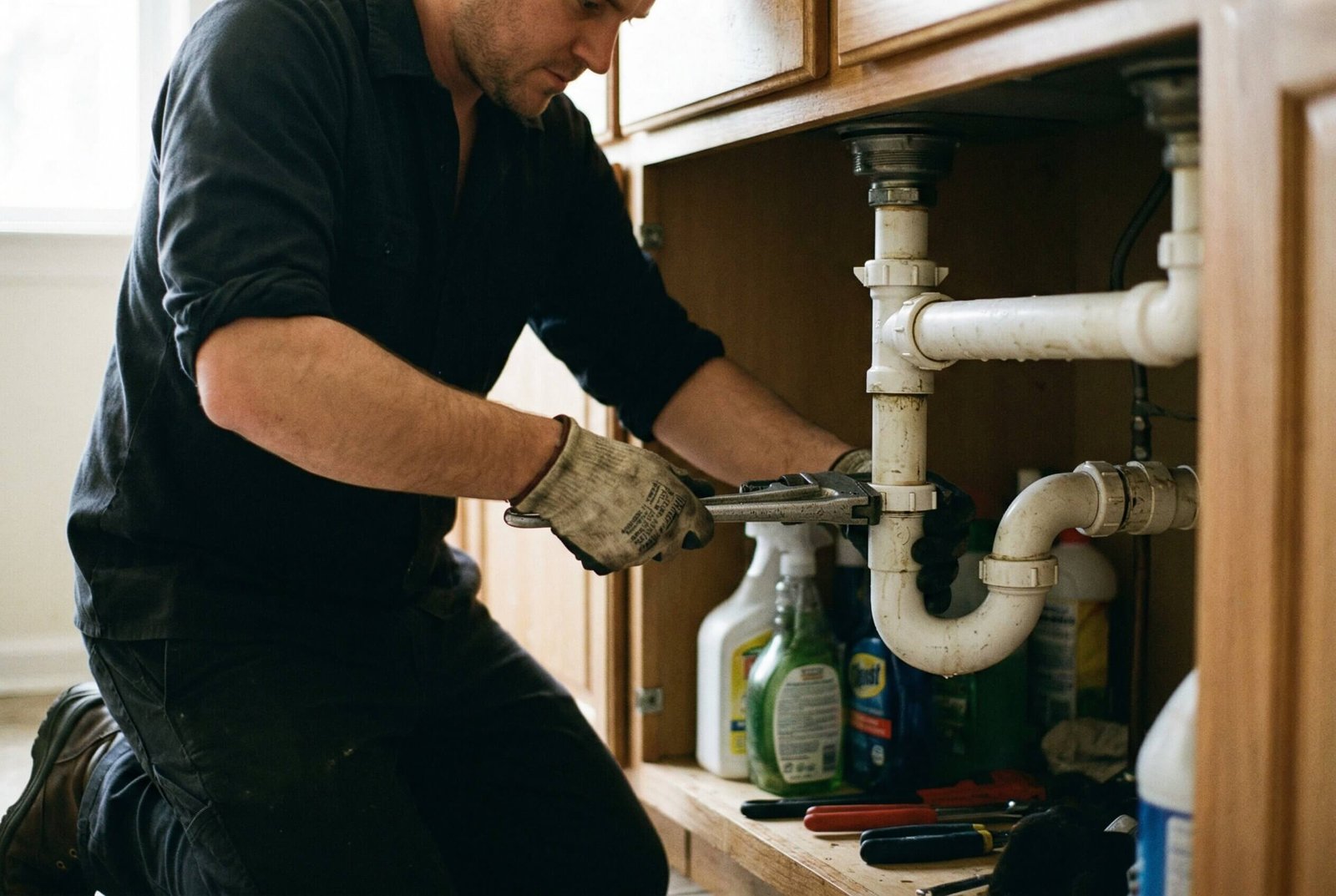
A gurgling drain in your pipes is more than just an annoying sound—it’s a clear warning sign that something is wrong inside your plumbing system. That bubbling or “glugging” noise happens when air is trapped in the pipes and forced through water, usually because the normal flow of air and water has been disrupted.
In real U.S. homes, this issue commonly appears in kitchen sinks, bathroom drains, or even toilets when nearby fixtures are used. You might hear the drain gurgle after flushing a toilet, running a sink, or draining a bathtub. While it may seem harmless at first, a gurgling drain often points to a developing clog, a venting issue, or pressure imbalance inside the system.
The most common causes include partial blockages in the drain line, buildup restricting water flow, or problems with the vent pipe that allows air to move freely through the system. When airflow is blocked or restricted, pressure builds up and forces air through the water trap—creating that gurgling sound.
The good news is that many gurgling drain issues can be fixed using step-by-step methods, starting with simple solutions and progressing to more advanced techniques if needed. This guide will show you exactly how to fix a gurgling drain in pipes, identify the root cause, and prevent the problem from turning into a full blockage or backup.
What This Page Covers
ToggleIdentify the Cause of a Gurgling Drain
Before trying to fix a gurgling drain in pipes, it’s important to understand what’s causing the sound. In real plumbing systems, gurgling is almost always related to air movement problems inside the pipes. When water flows, air should move freely through the vent system—but if something blocks that airflow or restricts water movement, pressure builds up and creates that bubbling noise.
Identifying the root cause helps you choose the correct fix instead of just masking the symptom.
Air Pressure vs Water Flow Problem
A healthy drain system maintains a balance between water flow and air movement. When water flows down the pipe, air is pulled in through the vent to prevent pressure buildup.
If this airflow is restricted, air gets trapped and is forced through the water in the trap, creating a gurgling sound.
Common triggers:
- Restricted airflow in pipes
- Sudden pressure changes when water drains
- Air being pulled through water traps
This is often the earliest sign of a developing issue.
Partial Blockage in Drain Line
One of the most common causes of gurgling drains is a partial clog inside the pipe. When buildup starts forming, it doesn’t block water completely, but it slows the flow and disrupts how air moves through the system.
Typical causes:
- Grease buildup in kitchen drains
- Hair and soap residue in bathroom drains
- Sludge accumulation in pipes
As water struggles to pass through the narrowed pipe, it creates air pockets that produce the gurgling noise.
Vent Pipe Issues (Critical Cause)
The vent pipe is responsible for allowing air to enter and exit the plumbing system. If it becomes blocked or damaged, airflow is restricted, and pressure builds up inside the pipes.
Common vent issues:
- Blockage from debris, leaves, or nests
- Ice buildup in colder regions
- Improper or missing vent connections
When the vent system isn’t functioning properly, even normal water flow can cause gurgling sounds.
Warning Signs of a Serious Problem
Sometimes, a gurgling drain is a sign of a more serious plumbing issue. Recognizing these signs early can prevent bigger problems.
Watch for:
- Multiple drains making gurgling sounds
- Slow drainage along with noise
- Foul or sewage-like odors
- Water backing up into other fixtures
These symptoms may indicate a deeper blockage in the main line or a major venting problem that requires professional attention.
Understanding the cause of the gurgling is the most important step. Once you know whether it’s a partial clog, airflow issue, or vent problem, you can move on to the right fix method with confidence.
Quick Fixes You Can Try First (Low Risk)
If you hear a gurgling drain, it’s best to start with simple, low-risk methods before moving to tools or advanced solutions. In real plumbing situations, gurgling is often caused by early-stage buildup or minor airflow disruption, which means basic fixes can sometimes resolve the issue quickly.
These methods are safe for most plumbing systems and are ideal when the problem has just started.
Run Water to Test Drain Behavior
Before attempting any fix, run water through the affected drain and observe how it behaves. This helps you confirm whether the issue is related to airflow, partial blockage, or both.
What to check:
- Does the gurgling happen immediately or after a few seconds?
- Does water drain slowly or normally?
- Does another fixture make noise when this one is used?
This quick test gives you valuable clues about the severity and location of the problem.
Hot Water Flush
Hot water can help break down light grease or soap buildup that may be partially blocking the pipe and disrupting airflow.
How it helps:
- Loosens grease and residue
- Improves water flow
- Reduces minor air pressure issues
This method works best for early-stage clogs, especially in kitchen sinks.
Dish Soap Method
Dish soap acts as a degreaser and can help loosen sticky buildup inside the pipes. When combined with hot water, it improves flow and may reduce gurgling caused by grease.
Best for:
- Kitchen drain issues
- Grease-related buildup
- Minor airflow restriction
Let the soap sit briefly before flushing to allow it to coat the pipe walls.
Check and Clean Drain Opening
Sometimes the problem starts right at the drain opening. Debris like hair, food particles, or sludge can restrict flow and disrupt air movement.
What to look for:
- Hair or debris around the stopper
- Food particles in strainers
- Sticky buildup near the drain
Removing this material can immediately improve drainage and reduce gurgling.
These quick fixes are often enough to solve minor gurgling issues. If the noise continues after trying these steps, it usually means the problem is deeper in the drain or related to the vent system—requiring more effective intermediate methods.
Intermediate Fix Methods (Address Common Causes)
If the gurgling sound continues after basic fixes, it usually means the issue is not just surface-level. In most U.S. homes, this points to a partial blockage or airflow imbalance deeper in the drain line. At this stage, you need methods that go beyond flushing and actually remove buildup or restore pressure balance inside the pipes.
These techniques are still DIY-friendly but more effective in targeting the root cause.
Baking Soda + Vinegar Method
This method helps loosen organic buildup like grease, soap scum, and light sludge that may be restricting water flow and trapping air inside the pipe.
The reaction creates fizzing action that can break apart residue and improve airflow.
Best for:
- Early-stage buildup
- Bathroom sink residue
- Supporting deeper cleaning methods
Follow it with hot water to flush out loosened material.
Plunger Technique for Air Blockage
A plunger can help correct pressure imbalance by forcing water and air through the pipe. This can dislodge minor blockages and restore proper airflow.
How it helps:
- Breaks apart soft clogs
- Releases trapped air pockets
- Restores pressure balance
Make sure to cover any overflow openings to create proper suction.
Hand Auger / Drain Snake
A hand auger is one of the most effective tools for fixing a gurgling drain caused by partial blockages. It physically removes buildup that is disrupting both water flow and airflow.
What it handles well:
- Hair clogs
- Grease and sludge buildup
- Debris beyond the drain opening
This method directly targets the cause rather than just relieving symptoms.
Cleaning the P-Trap
The P-trap is a common location for buildup that can cause both slow drainage and gurgling sounds. Debris can accumulate in this curved section and restrict flow.
Signs the P-trap may be the issue:
- Persistent gurgling from a single fixture
- Slow drainage combined with noise
- Foul odors
Cleaning it removes trapped material and can restore normal flow and airflow.
At this stage, you are addressing the most common causes of gurgling drains—partial clogs and pressure imbalance. If the problem continues after these methods, it often indicates deeper blockages or vent-related issues that require stronger or professional solutions.
Advanced Fix Methods (Airflow + Deeper Issues)
If the gurgling sound continues even after intermediate methods, the issue is likely deeper in the system or related to airflow problems rather than just surface buildup. In real plumbing systems, this usually means either a deeper blockage in the drain line or a problem with the vent pipe that controls air movement.
At this stage, the goal is not only to improve water flow but also to restore proper air balance inside the pipes.
Enzyme Cleaners for Buildup
Enzyme-based cleaners are effective for breaking down organic material inside pipes over time. They help clean the pipe walls, which improves both water flow and airflow.
Best for:
- Grease buildup in kitchen drains
- Soap scum and organic residue
- Preventing recurring gurgling issues
They work slowly, so they are more useful as part of a long-term solution rather than an instant fix.
Chemical Cleaners (Use Carefully)
Chemical cleaners can break down stubborn buildup that may be restricting flow and causing air pressure issues. However, they should be used cautiously due to potential pipe damage.
Use only when:
- Other methods have failed
- The clog is not caused by a solid object
- Pipes are in good condition
Risks include:
- Pipe corrosion or weakening
- Safety hazards if mishandled
- Ineffectiveness for vent-related issues
This should be treated as a last DIY option.
Deep Drain Snaking
When the blockage is further down the pipe, deeper snaking is required. This involves feeding a longer auger deeper into the system to break apart or remove the clog.
This method is useful when:
- Gurgling is accompanied by slow drainage
- Previous snaking attempts didn’t reach the blockage
- The issue keeps returning
It directly targets deeper obstructions affecting airflow.
Clearing Vent Pipe (Basic Access Only)
Vent pipe issues are a major cause of gurgling drains. The vent allows air to enter the system, and if it’s blocked, pressure builds up inside the pipes.
In some cases, homeowners can check for obvious blockages if the vent opening is accessible (usually on the roof).
Possible blockages:
- Leaves or debris
- Bird nests
- Dirt accumulation
Clearing visible obstructions can restore proper airflow, but deeper vent issues usually require professional help.
At this level, you are dealing with airflow and deeper system issues rather than simple clogs. If the gurgling persists after these methods, it’s a strong indication that professional inspection and repair are needed to fully resolve the problem.
Professional Solutions for Gurgling Drains
If the gurgling sound in your pipes continues after trying advanced methods, the issue is likely deeper in the system or related to the plumbing vent setup. In real U.S. homes, persistent gurgling often points to a combination of partial blockages and airflow problems that cannot be fully resolved with basic tools. At this stage, professional solutions are required to diagnose and fix the issue correctly.
These methods are designed to restore both proper water flow and air balance inside the plumbing system.
Hydro Jetting for Blockages
Hydro jetting is one of the most effective ways to eliminate buildup inside pipes. It uses high-pressure water to remove grease, sludge, and debris lining the pipe walls.
Best for:
- Recurring gurgling caused by buildup
- Grease and sludge inside kitchen drains
- Partial blockages affecting airflow
This method cleans the pipe completely rather than just opening a path, which helps prevent future gurgling.
Motorized Augers
Motorized augers (power snakes) are used to break apart deep or compacted blockages that disrupt water flow and airflow. These tools are more powerful than manual augers and can reach further into the system.
Used for:
- Deep clogs beyond reach of DIY tools
- Hardened buildup
- Persistent drainage issues
Professional handling ensures the pipe is cleared without damage.
Vent System Inspection and Repair
A blocked or malfunctioning vent pipe is one of the most common causes of gurgling drains. Professionals can inspect the vent system to identify blockages or design issues.
Common fixes include:
- Removing debris from vent pipes
- Repairing damaged or disconnected vents
- Correcting improper vent installation
Restoring proper vent function ensures air can move freely, eliminating pressure-related noise.
Camera Inspection of Drain Lines
A camera inspection allows plumbers to see inside the pipes and identify the exact cause of the gurgling. This is especially useful when the problem is unclear or keeps returning.
What it helps detect:
- Partial blockages deep in the line
- Pipe damage or corrosion
- Misaligned or sagging pipes
- Vent-related airflow issues
This step ensures the right solution is applied instead of repeated trial-and-error fixes.
Professional solutions focus on fixing the root cause of the gurgling, not just the symptom. If the noise persists despite multiple attempts, calling a plumber ensures the issue is resolved safely and permanently.
Tools Used to Fix Gurgling Drains
Fixing a gurgling drain requires tools that can address both water flow and air pressure issues inside the pipes. In real plumbing work, professionals select tools based on whether the problem is caused by a blockage, airflow restriction, or vent issue. For homeowners, understanding these tools helps you handle common causes and recognize when specialized equipment is needed.
Plunger
A plunger is one of the simplest tools used to fix gurgling caused by minor blockages or pressure imbalance. It creates suction and pressure that can dislodge soft clogs and restore airflow.
Best for:
- Early-stage gurgling
- Soft clogs like grease or soap buildup
- Temporary pressure issues
It’s often the first tool used before moving to deeper methods.
Hand Auger
A hand auger (drain snake) is highly effective for removing buildup inside the pipe that may be disrupting airflow. It physically breaks apart or pulls out the clog.
Best for:
- Hair and debris clogs
- Sludge buildup
- Partial blockages causing gurgling
This tool targets the root cause rather than just relieving symptoms.
Power Auger
A power auger is a motorized tool used for deeper and more stubborn blockages. It can reach further into the plumbing system and handle compacted clogs.
Used for:
- Deep or hardened blockages
- Recurring gurgling issues
- Clogs beyond reach of manual tools
This tool is typically used by professionals to avoid pipe damage.
Hydro Jet Equipment
Hydro jetting equipment uses high-pressure water to clean the entire pipe. It removes buildup along the walls, improving both water flow and airflow.
Effective for:
- Grease and sludge buildup
- Recurring gurgling problems
- Full pipe cleaning
This is a professional-grade solution for long-term results.
Inspection Camera
An inspection camera allows plumbers to see inside the pipes and diagnose the exact cause of the gurgling. It is essential for identifying deeper or hidden issues.
Helps identify:
- Exact location of blockages
- Pipe damage or misalignment
- Vent-related issues
- Recurring problem areas
This tool ensures accurate diagnosis and prevents unnecessary repairs.
Using the right tools is key to fixing a gurgling drain effectively. Starting with basic tools and progressing to more advanced equipment when needed is the same approach used by professional plumbers.
Cost to Fix a Gurgling Drain
The cost to fix a gurgling drain can vary depending on whether the issue is a simple partial clog or a more complex problem involving the vent system or main drain line. In many cases, early-stage gurgling can be resolved with low-cost DIY methods, but persistent or system-wide issues may require professional inspection and repair.
Understanding the cost helps you decide when to continue with DIY fixes and when to invest in a proper long-term solution.
DIY Cost
If the gurgling is caused by minor buildup or early-stage blockage, DIY methods are usually inexpensive and effective.
Typical DIY costs:
- Hot water, dish soap: $0–$10
- Baking soda and vinegar: $5–$15
- Plunger: $10–$25
- Hand drain snake: $15–$40
- Enzyme cleaner: $15–$30
- Chemical cleaner (if used): $10–$25
These methods are cost-effective but may not fully resolve deeper or vent-related issues.
Professional Cost (U.S.)
If the gurgling persists or involves deeper plumbing problems, professional services are often required.
Typical plumber costs:
- Basic drain cleaning: $100–$250
- Drain snaking: $150–$400
- Hydro jetting: $300–$800
- Camera inspection: $150–$400
- Vent pipe repair: $200–$600+
Costs vary depending on the complexity of the issue and accessibility of the system.
Cost Factors
Several factors influence how much it will cost to fix a gurgling drain.
Key factors include:
- Cause of the problem (clog vs vent issue)
- Location of the blockage
- Severity of buildup
- Accessibility of pipes or vent system
- Equipment required
- Condition of the plumbing system
Vent-related issues can sometimes increase costs due to roof access or specialized repairs.
Vent Repair Costs
If the gurgling is caused by a vent pipe issue, additional costs may apply. Vent systems are critical for airflow, and repairs may involve clearing blockages or fixing damaged sections.
Typical vent-related costs:
- Clearing vent blockage: $100–$300
- Minor vent repair: $200–$500
- Major vent system repair: $500–$1,500+
These costs depend on how accessible the vent is and the extent of the problem.
While many gurgling drain issues can be fixed with simple DIY methods, persistent problems often require professional attention. Addressing the issue early can prevent more serious plumbing problems and reduce overall repair costs.
When NOT to Fix It Yourself
While many gurgling drain issues can be resolved with basic DIY methods, there are situations where trying to fix the problem yourself can lead to bigger issues or unnecessary damage. In real plumbing systems, persistent gurgling is often a sign of deeper problems involving the main drain line or vent system—both of which require professional tools and expertise.
Knowing when to stop DIY attempts is critical to protecting your plumbing system.
Multiple Drains Gurgling
If more than one drain in your house is making gurgling sounds, it usually indicates a problem in a shared drain line or the main sewer system. This is not a localized issue and cannot be fixed by treating a single drain.
Warning signs:
- Gurgling sounds from multiple fixtures
- Noise when using water in different areas
- Slow drainage across several drains
This situation often requires professional inspection and cleaning.
Sewer Line Warning Signs
Gurgling can sometimes be an early warning of a developing sewer line blockage. Ignoring these signs can lead to serious backups.
Watch for:
- Foul or sewage-like odors
- Water backing up into sinks or tubs
- Gurgling combined with slow drainage
- Frequent recurring issues
These symptoms suggest a deeper issue that DIY methods cannot resolve.
Persistent Air Pressure Issues
If the gurgling continues even after clearing visible clogs, the issue may be related to the vent system. Vent problems affect how air moves through the pipes and can’t always be fixed without proper access and tools.
Common signs:
- Gurgling without visible blockage
- Noise after using other fixtures
- Inconsistent drainage behavior
Vent system issues often require professional inspection and repair.
Risk of Pipe Damage
Using aggressive methods—such as repeated chemical cleaners or forceful snaking—can damage your pipes, especially if the issue is not caused by a simple clog.
Potential risks:
- Cracked or weakened pipes
- Loose joints causing leaks
- Internal corrosion from chemicals
Damaged pipes can lead to more expensive repairs than the original problem.
If any of these conditions are present, it’s best to stop DIY efforts and call a professional plumber. Addressing the issue early with the right tools and expertise can prevent larger problems and ensure your plumbing system functions properly.
How to Prevent Gurgling Drains
Preventing gurgling drains is all about maintaining proper balance between water flow and airflow in your plumbing system. In real U.S. homes, gurgling usually starts when partial blockages form or when airflow through the vent system is restricted. By managing buildup and keeping the system clear, you can avoid both the noise and the underlying problems that cause it.
Small, consistent habits can prevent minor issues from turning into serious plumbing concerns.
Proper Drain Usage
What goes into your drains directly affects how your pipes function. Poor usage habits are one of the main reasons buildup forms and disrupts airflow.
Good practices include:
- Avoid putting grease, oil, or food waste down kitchen drains
- Use strainers to catch debris before it enters the pipe
- Run water while using garbage disposals
- Avoid flushing non-degradable items
These habits reduce the chances of buildup that can cause gurgling.
Avoiding Partial Blockages
Gurgling often begins with a partial clog that restricts flow and traps air. Preventing these early-stage blockages is key to avoiding the problem altogether.
Prevention tips:
- Regularly clean drain openings
- Remove visible debris before it accumulates
- Avoid letting soap residue and sludge build up
Keeping pipes clear helps maintain smooth water and air movement.
Maintaining Vent System
The vent system plays a critical role in allowing air to move through your plumbing. If the vent is blocked, pressure builds up and causes gurgling sounds.
Basic maintenance steps:
- Check for visible debris around vent openings (if accessible)
- Ensure vents are not covered or obstructed
- Address unusual noises early before they worsen
For deeper vent issues, professional inspection may be required.
Routine Drain Maintenance
Regular maintenance helps prevent buildup and keeps your plumbing system functioning efficiently. In professional plumbing, prevention is always easier and cheaper than repair.
Simple maintenance routine:
- Flush drains with hot water weekly
- Use enzyme cleaners periodically
- Perform occasional light snaking if needed
Consistency is key—small maintenance steps can prevent recurring gurgling issues.
Preventing gurgling drains comes down to keeping both water flow and airflow unrestricted. By following proper habits and maintaining your system regularly, you can avoid noise, improve drainage, and prevent more serious plumbing problems from developing.
Final Thoughts
A gurgling drain is not something to ignore—it’s an early warning sign that your plumbing system is struggling with airflow or developing a blockage. In many cases, the noise starts small but gradually worsens as buildup increases or vent issues become more serious. Addressing it early can prevent a simple problem from turning into a full clog or backup.
The most effective approach is to follow a step-by-step process. Start with simple fixes to rule out minor buildup, then move to more effective methods that remove deeper obstructions or restore airflow. If the issue continues, it’s usually a sign that the problem lies further in the drain line or within the vent system, where professional tools and inspection are required.
It’s also important to recognize warning signs like multiple gurgling drains, slow drainage, or foul odors. These symptoms often indicate a larger issue that should not be handled with repeated DIY attempts. Acting early and choosing the right solution can save time, prevent damage, and reduce repair costs.
Ultimately, fixing a gurgling drain is about restoring balance in your plumbing system—both water flow and air movement. With the right approach and proper maintenance, you can eliminate the noise and keep your drains working smoothly long-term.