
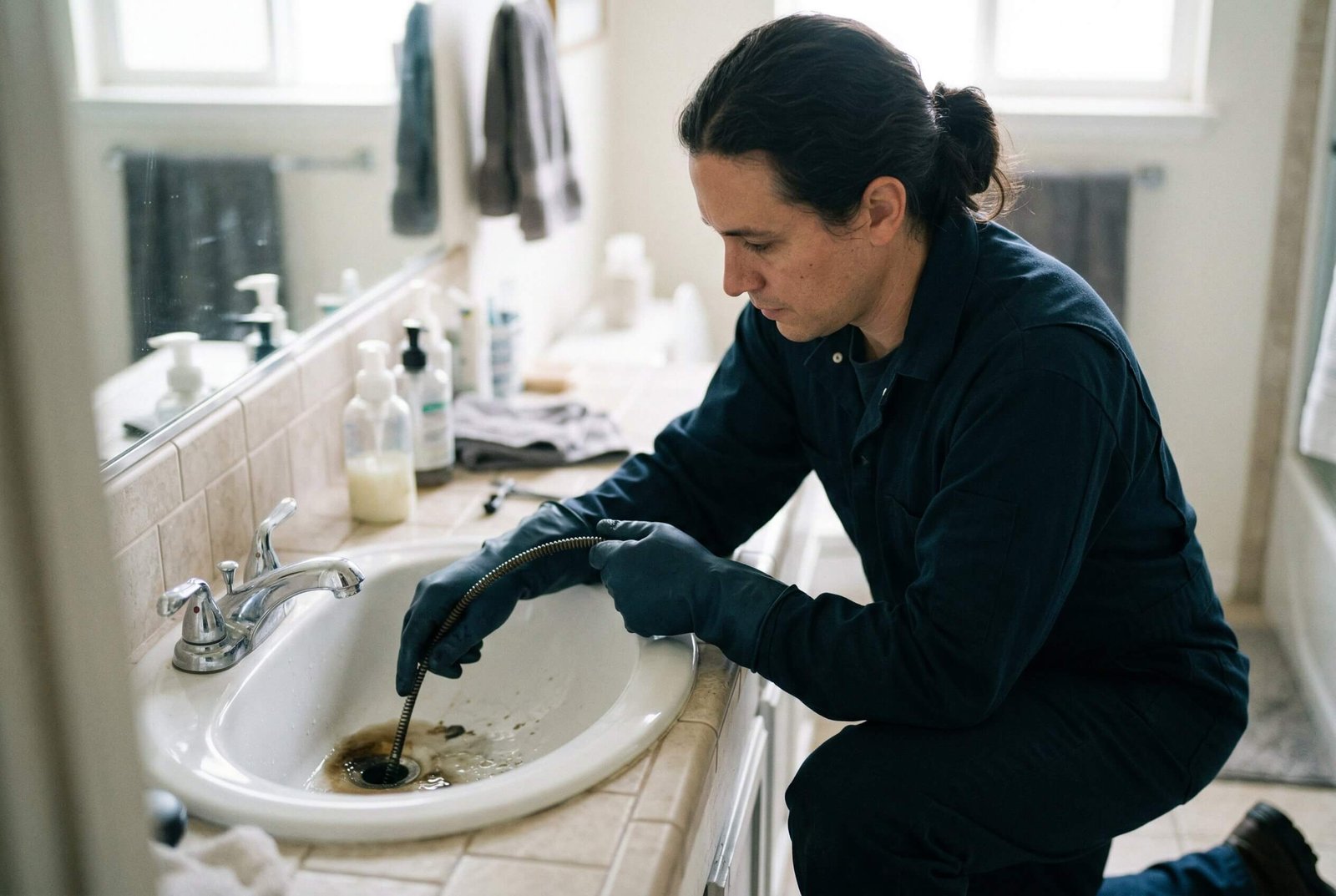
When multiple drains in your house are clogged at the same time, it’s no longer a simple plumbing issue—it’s usually a sign of a larger problem within your drainage system. Unlike a single slow or blocked sink, multi-drain clogs often point to a shared pipe or the main sewer line, which carries wastewater away from your entire home.
In real U.S. homes, this situation commonly shows up as kitchen sinks draining slowly while bathroom fixtures start backing up, or toilets making gurgling sounds when water is used elsewhere. In more severe cases, water may even come back up through the lowest drain in the house, such as a basement floor drain or shower. These are clear indicators that the blockage is not isolated to one fixture.
The most common cause is a partial or complete blockage in the main drain line. This can happen due to grease buildup over time, debris accumulation, or even tree roots entering underground pipes. As the blockage grows, it restricts water flow from multiple fixtures, causing backups throughout the home.
Acting quickly is critical in this situation. Continuing to use water can worsen the blockage and lead to overflow or sewage backup, which can cause significant damage and health risks. While some early-stage issues may be manageable with limited DIY methods, multi-drain clogs often require a more careful approach—and in many cases, professional intervention.
This guide will walk you through how to fix multiple drains clogged in the house, starting with identifying the cause, trying safe initial steps, and understanding when it’s time to call a plumber.
What This Page Covers
ToggleIdentify the Cause of Multiple Drain Clogs
Before attempting to fix multiple drains clogged in your house, it’s critical to understand what’s causing the issue. In real plumbing systems, when more than one drain is affected at the same time, the problem is almost never at the fixture level. Instead, it usually points to a blockage somewhere in a shared drain line or the main sewer line that connects your home to the municipal system.
Identifying the cause correctly will determine whether a limited DIY approach is possible or if professional intervention is required.
Main Sewer Line vs Individual Drain Issue
If only one sink or fixture is clogged, the issue is usually local. But when multiple drains are slow, backing up, or completely blocked, it strongly indicates a problem in the main sewer line or a shared branch line.
This happens because all drains in your home eventually connect to a central pipe. When that pipe is partially or fully blocked, water from different fixtures cannot flow out properly.
Partial vs Complete Main Line Blockage
Understanding whether the blockage is partial or complete helps determine urgency and the type of fix required.
A partial blockage allows some water to pass through, but drainage is slow across multiple fixtures. You might notice:
- Sinks draining slowly
- Toilets bubbling or gurgling
- Water rising slightly before draining
A complete blockage stops water flow entirely, leading to more serious symptoms:
- Water backing up into sinks, tubs, or floor drains
- Standing water in multiple fixtures
- Overflow when using any plumbing fixture
Complete blockages require immediate attention to prevent damage.
Common Causes of Multi-Drain Clogs
Several issues can lead to multiple drains clogging at the same time. These are usually more serious than standard clogs and often develop over time.
Typical causes include:
- Grease buildup inside the main line, especially from kitchen waste
- Tree root intrusion into underground sewer pipes
- Accumulation of debris, sludge, or waste materials
- Foreign objects flushed into the system
- Pipe damage, collapse, or misalignment
Each of these restricts the flow of water from multiple fixtures simultaneously.
Warning Signs of Serious Plumbing Problems
Some symptoms indicate that the issue is severe and likely involves the main sewer system rather than individual drains.
Watch for:
- Water backing up in more than one fixture
- Toilets making gurgling or bubbling sounds
- Strong sewage odors inside the house
- Water coming up from the lowest drain (basement or shower)
- Frequent recurring issues across different drains
These warning signs suggest that the blockage is deeper in the system and may require professional tools such as hydro jetting or camera inspection.
Taking the time to identify the cause of multiple drain clogs helps you avoid ineffective fixes and ensures you take the right next steps to resolve the problem safely and efficiently.
Quick Fixes You Can Try First (Low Risk)
When multiple drains are clogged in the house, the situation can escalate quickly if handled incorrectly. In real plumbing scenarios, the first step is not aggressive cleaning—it’s controlling the situation and preventing further backup. These low-risk actions won’t fix a main line blockage completely, but they can reduce pressure in the system and help you assess the severity of the problem.
Stop Water Usage Immediately
The most important first step is to stop using water in the house. Every time you run a sink, flush a toilet, or use a washing machine, you’re adding more water into a system that can’t drain properly.
Why this matters:
- Prevents water from backing up into fixtures
- Reduces pressure in the drain system
- Minimizes risk of overflow or sewage backup
This step alone can prevent serious damage while you figure out the next move.
Check the Lowest Drain in the House
In most homes, the lowest drain (such as a basement floor drain, shower, or tub) is where backup appears first. This is because gravity pushes water toward the lowest exit point when the main line is blocked.
Checking this area helps you confirm whether the issue is in the main drain line.
What to look for:
- Standing water in the lowest drain
- Water rising when other fixtures are used
- Signs of backup or slow drainage
If the lowest drain is affected, it strongly indicates a main line blockage.
Hot Water Flush (If Partial Flow Exists)
If the blockage is partial and water is still moving slowly, a controlled hot water flush may help loosen grease or sludge buildup in the main line.
Useful for:
- Grease-related buildup
- Early-stage main line restriction
- Slightly slow drainage across fixtures
Avoid excessive flushing if water is not draining at all, as it can worsen backups.
Plunger Use on Key Fixtures
Using a plunger on one or two affected fixtures can sometimes help relieve pressure or dislodge minor blockages near branch lines.
Best approach:
- Use on sinks or toilets showing slow drainage
- Ensure proper sealing for effective pressure
- Use controlled, steady plunging
This method is limited in multi-drain situations but may provide temporary relief if the blockage is not too deep.
These quick steps are mainly about stabilizing the situation and identifying how severe the blockage is. If multiple drains remain clogged after these actions, it usually means the problem lies in the main line—where more advanced or professional solutions are required.
Intermediate Fix Methods (Limited DIY Options)
When multiple drains are clogged in the house, DIY options become more limited because the issue is often deeper in the system. However, there are still a few intermediate methods you can try if the blockage is not fully severe or if you have access to certain parts of the plumbing. These methods focus on reaching deeper sections of the drain system where the blockage may be forming.
In real plumbing situations, these steps can sometimes relieve a partial main line blockage—but they are not always enough for a complete obstruction.
Snaking Individual Drains
Using a hand auger on individual drains can sometimes help if the blockage is located in a shared branch line rather than the main sewer line. This method works best when only certain fixtures are affected more than others.
Best for:
- Partial blockages in branch lines
- Localized buildup contributing to system-wide slowdown
- Supporting other clearing methods
While it may improve flow temporarily, it won’t fully fix a main line blockage.
Cleaning Accessible Cleanouts
Some homes have a cleanout access point, which allows direct entry into the main drain line. This is one of the most effective DIY access points if available.
What you can do:
- Open the cleanout carefully
- Check for standing water or blockage signs
- Attempt to clear minor buildup near the opening
This gives a better indication of whether the blockage is in the main line.
Wet/Dry Vacuum Method
A wet/dry vacuum can be used to extract debris from accessible drains or cleanouts. Instead of pushing the clog deeper, this method attempts to pull material out of the pipe.
Best use cases:
- Loose debris near the drain or cleanout
- Partial blockages
- Situations where suction can be effectively applied
This method has limited reach but can help in early-stage blockages.
Clearing Main Drain Access Point (If Available)
If your home has a main drain access point (often located outside or in a basement), it can be used to attempt clearing the blockage more directly.
Important considerations:
- This requires caution to avoid exposure to wastewater
- Only attempt if you are comfortable and understand the setup
- Limited success if the blockage is deep or compacted
This is one of the few ways homeowners can attempt to reach the main line without professional tools.
These intermediate methods can sometimes relieve pressure in the system or partially clear the blockage. However, if multiple drains are still clogged after these attempts, it strongly indicates a deeper main line issue—where advanced or professional methods are necessary.
Advanced Fix Methods (Main Line Focus)
If multiple drains in your house are still clogged after trying intermediate steps, the blockage is likely deeper in the main drain line or more compacted. At this stage, the focus shifts from individual fixtures to the main line itself. These advanced methods are stronger and can sometimes improve the situation, but they must be used carefully to avoid damaging the plumbing system.
In real plumbing scenarios, these methods may provide temporary or partial relief, but complete resolution often requires professional equipment.
Enzyme Treatments for Main Line Buildup
Enzyme-based cleaners can help break down organic material such as grease, soap residue, and sludge inside the main drain line. They work slowly by using natural bacteria to digest buildup over time.
Best for:
- Grease accumulation in the main line
- Organic sludge buildup
- Preventive maintenance after partial clearing
These treatments are safe for pipes but are not effective for immediate results in severe blockages.
Chemical Cleaners (Limited Use + Risks)
Chemical drain cleaners are sometimes used to break down stubborn buildup, but they are generally not recommended for main line issues. In multi-drain clogs, the blockage is often too large or too far away for chemicals to be effective.
Use only when:
- The blockage is confirmed to be minor
- Other methods have failed
- Pipes are in good condition
Risks include:
- Pipe damage or corrosion
- Ineffectiveness for large blockages
- Safety hazards if misused
This method should be approached with caution and not relied on for major clogs.
High-Pressure Flushing Attempts
Using higher water pressure (such as a hose with pressure attachment) may help push through partial blockages in the main line. This can sometimes improve flow if the buildup is not fully compacted.
Effective for:
- Semi-solid grease buildup
- Early-stage main line restriction
- Supporting other cleaning methods
Care must be taken not to use excessive pressure that could damage pipes or joints.
Extended Drain Snaking
Extended snaking involves using a longer auger to reach deeper into the main line. This method attempts to break apart or retrieve the blockage from further inside the system.
This is typically used when:
- The clog is beyond standard reach
- Multiple fixtures are affected
- Previous methods have failed
This approach can be difficult without experience, especially in complex pipe layouts.
At this stage, you are dealing with a serious blockage affecting the main drain line. If these methods do not restore proper drainage across all fixtures, it is a strong indication that professional tools—such as hydro jetting or sewer inspection—are required to fully resolve the issue.
Professional Methods to Fix Multiple Drain Clogs
When multiple drains in your house are clogged, and DIY or advanced attempts don’t resolve the issue, the problem is almost always in the main sewer line. In real U.S. homes, this typically involves heavy buildup, deep blockages, or structural pipe issues that require professional tools and expertise. At this stage, professional methods are not just recommended—they are often necessary to prevent serious damage or sewage backup.
These solutions are designed to fully clear the system and restore proper drainage across all fixtures.
Hydro Jetting the Main Line
Hydro jetting is one of the most effective ways to fix multiple drain clogs. It uses high-pressure water to clean the entire main line, removing grease, sludge, debris, and buildup stuck to the pipe walls.
Unlike basic methods, hydro jetting doesn’t just open a path—it restores full pipe capacity.
Best for:
- Heavy grease buildup in the main sewer line
- Recurring multi-drain clogs
- Sludge and debris lining the entire pipe
This method provides long-term results but must be used carefully in older or weakened pipes.
Motorized Sewer Augers
Motorized sewer augers (power snakes) are used to break apart dense blockages deep inside the main line. They are more powerful than standard tools and can reach further into the system.
Used for:
- Deep or compacted clogs
- Tree root intrusion
- Foreign objects stuck in the line
These tools are highly effective but require professional handling to avoid pipe damage.
Sewer Camera Inspection
A sewer camera inspection allows plumbers to see inside the main line and identify the exact cause and location of the blockage. This step is critical for ensuring the problem is fully resolved.
What it helps detect:
- Buildup inside the main line
- Tree roots entering the pipe
- Cracks, corrosion, or pipe collapse
- Misalignment or sagging sections
This eliminates guesswork and ensures the right solution is applied.
Sewer Line Repair or Replacement
In some cases, the issue is not just a blockage but a damaged or failing pipe. Problems like collapsed sections, severe corrosion, or root intrusion can prevent proper drainage even after clearing.
Situations requiring repair:
- Recurring multi-drain clogs
- Structural damage identified during inspection
- Persistent backup issues
Repairing or replacing sections of the sewer line provides a permanent solution when cleaning alone is not enough.
Professional methods are designed to fix the root cause of multi-drain clogs rather than provide temporary relief. If multiple drains in your home are affected and the issue persists, calling a plumber ensures the problem is handled safely, effectively, and permanently.
Tools Used for Multi-Drain Clog Fixes
When multiple drains in your house are clogged, the tools required are very different from those used for a single sink clog. In real plumbing situations, the focus shifts to tools that can reach deeper into the system—especially the main drain line. Understanding these tools helps you know what can be handled at home and what typically requires professional equipment.
Plunger
A plunger is still useful, but its role is limited in multi-drain clogs. It can help relieve pressure or clear minor blockages near individual fixtures.
Best for:
- Minor branch line clogs
- Temporary pressure relief
- Early-stage issues affecting one or two fixtures
It will not fix a blockage in the main sewer line.
Hand Auger
A hand auger (drain snake) can be used on individual drains to clear localized buildup. It’s helpful when part of the issue is caused by debris near the fixture.
Best for:
- Partial clogs in branch lines
- Hair, grease, or sludge buildup
- Supporting other clearing methods
Its reach is limited, so it may not solve deeper problems.
Power Auger
A power auger is a motorized tool used to break through blockages deeper in the system. It is more effective than a hand auger and can reach into the main line.
Used for:
- Deep and compacted clogs
- Main line blockages
- Tree root intrusion
This tool is typically handled by professionals due to the risk of pipe damage.
Hydro Jet Equipment
Hydro jetting equipment uses high-pressure water to clean the entire main drain line. It removes buildup from the pipe walls rather than just creating an opening.
Effective for:
- Grease buildup in main lines
- Sludge and debris accumulation
- Recurring multi-drain issues
This is one of the most effective solutions but requires professional service.
Sewer Inspection Camera
A sewer inspection camera allows plumbers to inspect the inside of the main drain line. It helps identify the exact location and cause of the blockage.
Helps detect:
- Deep blockages
- Tree roots
- Pipe damage or collapse
- Misaligned or sagging pipes
This tool ensures accurate diagnosis and prevents unnecessary or repeated fixes.
Using the right tools is essential when dealing with multiple drain clogs. While basic tools can help with minor issues, deeper blockages in the main line usually require professional-grade equipment to fully resolve the problem.
Cost to Fix Multiple Drains Clogged
The cost to fix multiple drains clogged in a house can vary significantly depending on whether the issue is minor or involves the main sewer line. Unlike single drain problems, multi-drain clogs are often more complex, which means higher costs—especially if professional equipment or repairs are required.
Understanding the cost helps you decide when to attempt limited DIY steps and when to call a plumber to avoid further damage.
DIY Cost
DIY options are limited in multi-drain situations, but some basic attempts can still be made at a low cost. These are mainly for early-stage or partial blockages.
Typical DIY costs:
- Hot water and dish soap: $0–$10
- Basic plunger: $10–$25
- Hand auger: $15–$40
- Enzyme cleaner: $15–$30
DIY methods may provide temporary relief, but they rarely solve main line blockages completely.
Professional Cost (U.S.)
Most cases of multiple clogged drains require professional service, especially when the main sewer line is involved.
Typical plumber costs:
- Basic drain clearing: $150–$300
- Main line snaking: $200–$500
- Hydro jetting service: $400–$1,000
- Sewer camera inspection: $150–$400
- Sewer line repair: $500–$3,000+
- Sewer line replacement: $3,000–$10,000+
Costs vary based on severity, location, and accessibility of the plumbing system.
Cost Factors
Several factors influence how much it will cost to fix multiple drain clogs. These issues are usually more expensive because they involve the main system.
Key factors include:
- Location of the blockage (main line vs branch line)
- Severity of the clog
- Type of blockage (grease, roots, debris)
- Accessibility of the sewer line
- Equipment required
- Condition of existing pipes
The deeper and more complex the issue, the higher the cost.
Emergency Plumbing Costs
If the blockage causes water backup or sewage overflow, emergency service may be required.
What to expect:
- After-hours or weekend fees: +$100–$300
- Emergency service calls: $250–$700+
- Faster response but higher pricing
Emergency costs are higher due to urgency and immediate availability.
While DIY methods can help in minor cases, most multi-drain clogs require professional intervention. Addressing the problem early can help avoid more expensive repairs, especially if the issue involves the main sewer line.
When NOT to Fix It Yourself
When multiple drains in your house are clogged, there are clear situations where attempting to fix the problem yourself can make things worse. In real plumbing scenarios, multi-drain issues often involve the main sewer line, which requires professional tools and proper handling. Knowing when to stop DIY efforts is critical to avoid property damage, health risks, and higher repair costs.
Sewer Line Blockage Signs
If the blockage is in the main sewer line, DIY methods will not solve the issue and may even worsen it by pushing the clog further.
Warning signs include:
- Multiple drains backing up at the same time
- Water coming up from the lowest drain (basement or shower)
- Toilets bubbling or gurgling
- Strong sewage odors inside the home
These symptoms indicate a serious issue that requires professional equipment like hydro jetting or camera inspection.
Multiple Fixture Backups
When water backs up into more than one fixture, it confirms that the blockage is not localized. Attempting to fix one drain at a time will not resolve the root cause.
This situation can escalate quickly, especially if water continues to be used in the house.
Risk of Sewage Exposure
Multi-drain clogs can lead to sewage backing up into sinks, tubs, or floor drains. This creates a health hazard due to bacteria and contaminants in wastewater.
Risks include:
- Exposure to harmful bacteria
- Contamination of living spaces
- Unpleasant odors and unsanitary conditions
Handling this without proper precautions can be unsafe.
Structural Pipe Damage
If the issue is caused by pipe damage—such as cracks, collapse, or tree root intrusion—DIY methods cannot fix the problem. In some cases, aggressive attempts can worsen the damage.
Possible risks:
- Worsening pipe cracks or breaks
- Misalignment of pipe sections
- Increased repair costs
These situations require inspection and repair by a professional plumber.
If any of these conditions are present, it’s best to stop DIY efforts and call a professional immediately. Acting early can prevent major damage, reduce cleanup costs, and ensure the problem is handled safely and correctly.
How to Prevent Multiple Drain Clogs
Preventing multiple drains from clogging in the house is all about protecting the main drain line. In real U.S. homes, multi-drain clogs don’t happen suddenly—they develop over time due to repeated buildup, poor disposal habits, or lack of maintenance. Once the main line starts to narrow, even normal usage can trigger backups across multiple fixtures.
The goal is to reduce what enters the system and maintain the main line before problems begin.
Proper Waste Disposal Habits
What goes down your drains directly affects the health of your plumbing system. Many multi-drain issues start because materials that should never enter the drain are regularly flushed or washed down.
Good habits to follow:
- Avoid flushing wipes, paper towels, or non-degradable items
- Do not dispose of food waste in sinks unnecessarily
- Use garbage disposals properly with running water
- Keep foreign objects out of drains
These habits prevent unnecessary strain on the main line.
Grease Management
Grease is one of the leading causes of main line blockages. Even small amounts poured down the drain can accumulate over time and create a thick layer inside pipes.
Best practices:
- Dispose of grease in containers instead of sinks
- Wipe oily cookware before washing
- Avoid pouring cooking oils down the drain
Managing grease is one of the most effective ways to prevent large-scale clogs.
Regular Main Line Maintenance
Unlike individual drains, the main line is often ignored until a problem occurs. Regular maintenance helps prevent buildup from reaching a critical level.
Simple maintenance steps:
- Periodically flush drains with hot water
- Use enzyme cleaners to break down organic material
- Schedule occasional professional cleaning if needed
Preventive maintenance reduces the risk of sudden multi-drain issues.
Early Warning Monitoring
Catching problems early can prevent a full system blockage. Small signs often appear before multiple drains become affected.
Watch for:
- Slow drainage in more than one fixture
- Occasional gurgling sounds
- Minor odors from drains
- Water level changes in toilets or sinks
Addressing these early signs can prevent a complete blockage of the main line.
Preventing multiple drain clogs requires consistent habits and awareness of how your plumbing system works. By controlling what enters your drains and maintaining the main line, you can avoid serious blockages and keep your entire drainage system functioning smoothly.
Final Thoughts
When multiple drains in your house are clogged, it’s a clear signal that the problem is larger than a single fixture. In most U.S. homes, this situation points to a blockage in a shared drain line or the main sewer system, which affects how water flows throughout the entire house. Treating it like a regular clog can lead to wasted effort and even worsen the issue.
The right approach is to act quickly but carefully. Start by stopping water usage and assessing the severity of the problem. If the blockage is minor, limited DIY methods may provide temporary relief. However, in most cases, resolving multi-drain clogs requires deeper cleaning or professional tools to fully restore the system.
It’s also important to recognize warning signs early. Symptoms like backups in multiple fixtures, gurgling toilets, or sewage odors indicate a serious issue that should not be ignored. Addressing these problems promptly can prevent damage to your home and reduce repair costs.
Ultimately, fixing multiple drains clogged in the house is about identifying the root cause and choosing the right level of solution. Whether it’s a minor buildup or a main line blockage, taking a structured approach—and knowing when to call a professional—will ensure the problem is handled safely and effectively.