
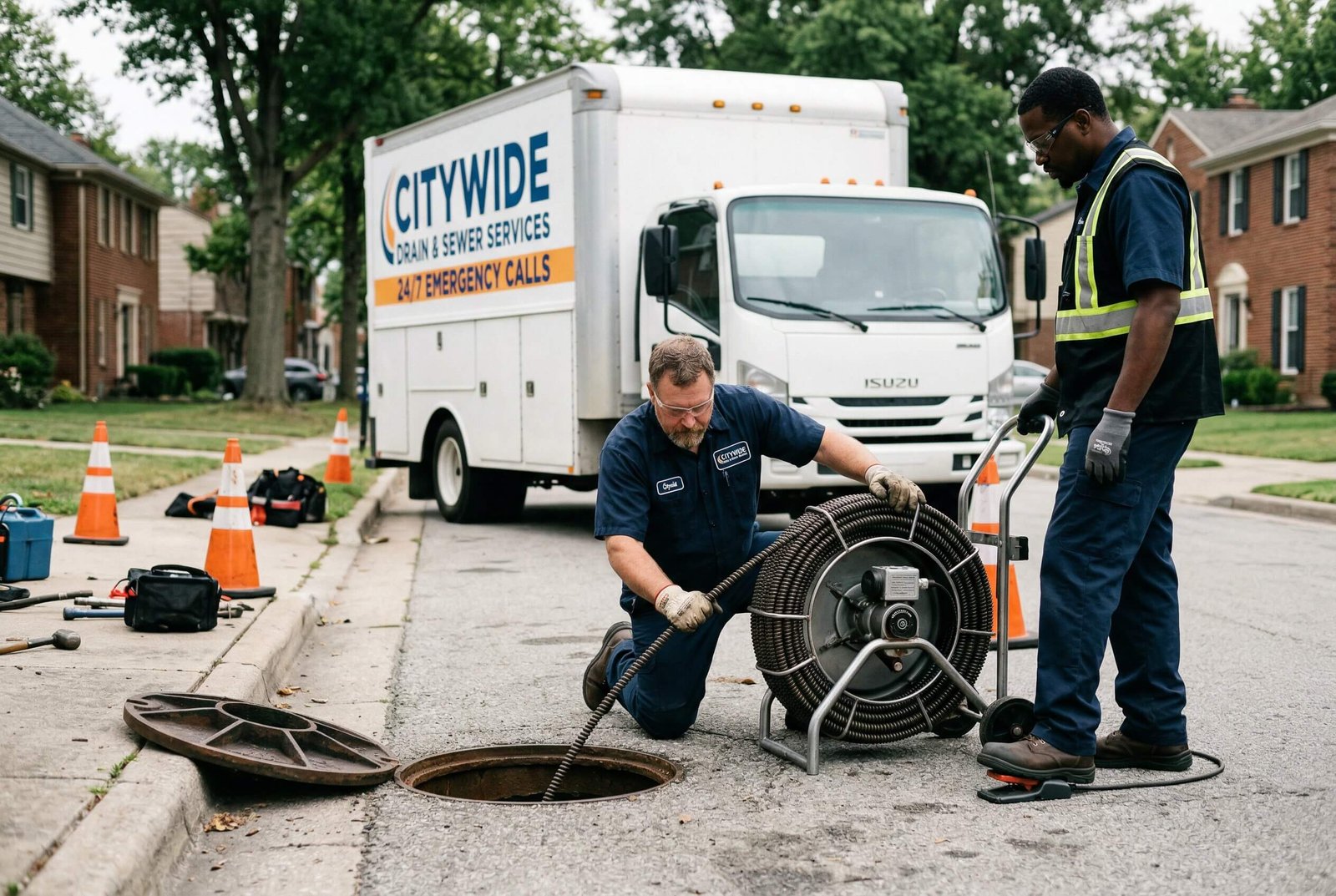
A main sewer line clog is one of the most serious drainage problems a homeowner can face. Unlike a single drain issue, this affects the entire plumbing system because every sink, toilet, shower, and appliance in the home eventually drains into the same main line. When that line becomes restricted, the problem doesn’t stay in one place—it starts showing up across multiple fixtures at once.
In many homes, the early signs are easy to overlook. A toilet may start draining slower than usual, or you might hear gurgling sounds when water flows elsewhere. Over time, these signs become more noticeable. Drains begin backing up, water may rise in unexpected places, and normal daily use becomes unreliable.
What makes this issue more critical is that the blockage sits deeper in the system, often underground or outside the home. It can be caused by buildup, tree roots, or structural problems in the pipe. Ignoring it doesn’t make it go away—it allows pressure to build inside the system, increasing the risk of a full sewage backup.
A main sewer line clog removal service is designed to address this type of problem at its source, restoring proper flow and preventing it from affecting the entire home.
What This Page Covers
ToggleWhat Main Sewer Line Clog Removal Service Actually Means
A main sewer line clog removal service is not the same as clearing a sink or shower drain. The difference lies in where the problem exists and how it affects the home. While a regular drain clog is usually isolated to one fixture, a main sewer line clog sits in the central pipe that carries all wastewater out of the house.
When this line becomes restricted, the issue spreads across the entire system. Instead of one drain slowing down, multiple fixtures begin showing problems at the same time. This is why the approach to fixing it is more involved and focused on the whole system rather than a single point.
Main Line vs Branch Drain (Understanding the Difference)
Inside a home, smaller branch drains connect individual fixtures—like sinks, tubs, and toilets—to the main sewer line. These branch lines handle localized flow, so a clog in one typically affects only that fixture.
The main sewer line, however, collects everything and directs it out toward the municipal sewer or septic system. When this central line is clogged, water from different fixtures has nowhere to go. As a result, the problem starts appearing in multiple areas, often in unpredictable ways.
This distinction is important because it explains why main line issues feel more widespread and disruptive compared to standard drain clogs.
What “Removal” Actually Involves
Removing a main sewer line clog is not just about pushing the blockage forward. It involves identifying the exact cause—whether it’s grease buildup, root intrusion, compacted waste, or pipe damage—and clearing it in a way that restores full flow.
Because the blockage is usually deeper in the system, specialized equipment is used to reach and remove it properly. The process often includes inspection to understand what’s happening inside the pipe before choosing the right method.
Temporary Clearing vs Full Sewer Line Cleaning
A temporary clearing might open a narrow path through the blockage, allowing water to pass again. This can make it seem like the problem is solved, but the remaining material inside the pipe continues to restrict flow.
Full sewer line cleaning, on the other hand, removes buildup from the pipe walls and clears the obstruction completely. This reduces the chances of the clog returning and helps restore consistent drainage across the home.
Why Main Line Clogs Are More Serious
Main sewer line clogs are more serious because they affect the entire plumbing system and carry a higher risk of backup. When water cannot exit the home, it begins to return through the lowest available openings, such as floor drains or basement fixtures.
This is not just a drainage issue—it can become a sanitation problem if wastewater enters living spaces. That’s why main line clogs are treated as a system-level issue rather than a simple blockage.
What Causes Main Sewer Line Clogs
A main sewer line doesn’t clog suddenly without reason. In most homes, the problem builds up over time as different materials collect inside the pipe or as external factors start affecting its structure. Understanding these causes helps explain why the issue keeps getting worse instead of resolving on its own.
Grease and Sludge Buildup Over Time
Even though kitchen drains are separate at the fixture level, everything eventually flows into the main sewer line. Grease, oils, and food residue travel through the system and begin to coat the inner walls of the pipe.
Over time, this forms a thick sludge layer that narrows the pipe’s diameter. As more waste passes through, it sticks to this layer, gradually creating a restriction. This buildup doesn’t clear on its own and often becomes a long-term cause of recurring or full blockages.
Flushing Improper Materials
One of the most common causes of sewer line clogs is flushing materials that don’t break down easily. Items like wipes (even those labeled “flushable”), paper towels, hygiene products, and excessive toilet paper can accumulate inside the pipe.
Unlike normal waste, these materials tend to catch on rough surfaces or small obstructions, creating a base for more debris to collect. Over time, this leads to dense blockages that restrict flow across the entire system.
Tree Root Intrusion
Tree roots are a major cause of main sewer line clogs, especially in older homes. Roots naturally seek moisture, and even a small crack or joint in the pipe can attract them.
Once inside, roots grow and expand, creating a network that traps waste and debris. Even if part of the roots are cleared, they often grow back unless the entry point is addressed. This makes root intrusion one of the most persistent causes of recurring sewer line problems.
Pipe Damage or Misalignment
Over time, sewer lines can develop structural issues such as cracks, collapsed sections, or misaligned joints. These problems create areas where waste cannot flow smoothly.
Debris tends to collect at these weak points, leading to repeated blockages. In such cases, cleaning alone may not fully resolve the issue because the pipe itself is contributing to the restriction.
Mineral Scaling and Long-Term Deposits
In some systems, especially those affected by hard water, minerals can build up inside the pipe. This creates a rough surface that reduces flow and makes it easier for other materials to stick.
Unlike soft buildup, scaling hardens over time and does not wash away easily. It gradually reduces the pipe’s internal space and contributes to long-term clogging issues.
When You Actually Need Main Sewer Line Clog Removal Service
Main sewer line problems rarely start with a sudden, obvious failure. In most homes, there are early warning signs—but they’re often overlooked or mistaken for minor drain issues. Recognizing these signs early can help prevent a much more serious situation.
Multiple Drains Acting Up at the Same Time
One of the clearest signs of a main sewer line issue is when more than one drain starts having problems together. For example, the kitchen sink, bathroom sink, and shower may all begin draining slowly or clogging around the same time.
This happens because the blockage is not in a single branch drain—it’s in the main line that connects everything. As a result, multiple fixtures are affected simultaneously, even if they are located in different parts of the home.
Water Backing Up in Unexpected Places
Another strong indicator is when water starts coming up in places where it shouldn’t. For example, flushing a toilet might cause water to rise in a shower or floor drain.
This occurs because the wastewater has nowhere to go, so it finds the lowest available exit point. These cross-fixture backups are a key sign that the problem is deeper in the system and not isolated to one drain.
Gurgling Sounds in the Plumbing System
Unusual gurgling sounds from drains or toilets are often an early sign of a main line restriction. These sounds happen when air gets trapped and forced through water as it tries to move past a blockage.
While it may seem minor at first, gurgling indicates that the flow inside the pipe is not smooth. Over time, this can develop into slower drainage and eventually full blockages.
Slow Drainage Across the Entire Home
When nearly every drain in the home starts slowing down, it usually means the main sewer line is partially restricted. The system can still handle some flow, but not at normal capacity.
This type of slowdown often progresses gradually. At first, it may only be noticeable during heavy use, but eventually it becomes consistent, affecting everyday activities.
How Main Sewer Line Clog Removal Service Is Performed (Step-by-Step)
Clearing a main sewer line clog is not a quick, surface-level task. Because the issue affects the entire system and is often located deeper in the line, the process is more structured and focused on identifying the exact cause before removing it. This ensures the problem is resolved properly and not just temporarily relieved.
Initial System Evaluation
The process usually starts by understanding how the problem is showing up in the home. A plumber will look at which fixtures are affected, how often backups occur, and whether the issue happens under certain conditions like heavy water use.
They may run water in multiple fixtures or flush toilets to observe how the system responds. This helps determine whether the restriction is partial or severe and whether it is likely located in the main sewer line.
Sewer Camera Inspection
Once a main line issue is suspected, a camera inspection is often used to look inside the pipe. A flexible camera is inserted through a cleanout or accessible entry point, allowing a clear view of the blockage and the condition of the pipe.
This step is important because it shows exactly what is causing the clog—whether it’s grease buildup, roots, debris, or structural damage. It also reveals how far into the line the problem is and whether there are multiple trouble spots.
Identifying the Blockage Type and Location
After inspection, the exact nature of the problem is identified. Not all clogs are the same, and the method used depends heavily on what is found inside the pipe.
For example, a soft blockage caused by buildup is handled differently from a hard obstruction like roots or a collapsed section. Knowing the location also helps determine the best access point for removal.
Choosing the Proper Removal Method
Based on the diagnosis, the appropriate method is selected. For main sewer line clogs, this often involves heavy-duty equipment capable of reaching deep into the system.
If the clog is caused by buildup, hydro jetting may be used to clean the pipe walls. If roots are present, cutting tools may be required. In cases of structural damage, the solution may involve repair rather than just cleaning.
The goal is to match the method to the cause so the problem is fully resolved.
Performing the Cleaning or Removal
This is the stage where the blockage is actually removed. The chosen method is applied to clear the obstruction and restore flow through the main line.
Unlike simple drain clearing, this step focuses on opening the pipe completely and, where possible, removing buildup that could lead to future clogs. The effectiveness of this step determines whether the issue is temporary or long-term resolved.
Final Testing and Verification
After the clog is removed, the system is tested to ensure proper flow has been restored. Water is run through multiple fixtures to confirm that drainage is consistent across the home.
In many cases, a follow-up inspection may be used to verify that the pipe is clear and that no underlying issues remain. This step helps ensure the problem has been fully addressed and reduces the risk of immediate recurrence.
Methods Used for Main Sewer Line Clog Removal
Main sewer line clogs require stronger and more targeted methods than regular drain cleaning because the blockage is deeper, larger, and often involves more complex conditions. The goal is not just to push the clog away, but to fully clear the line and restore smooth flow across the entire system.
Hydro Jetting (Deep Sewer Line Cleaning)
Hydro jetting is one of the most effective methods used for main sewer line clogs because it cleans the entire pipe, not just the center of the blockage. High-pressure water is sent through the line, breaking apart grease, sludge, and debris while also washing away buildup stuck to the pipe walls.
This method is especially useful in cases where the pipe has accumulated layers of material over time. Instead of leaving behind residue, hydro jetting restores the pipe closer to its original internal diameter, allowing water to flow freely again.
It is often used after inspection to ensure the pipe can handle the pressure, particularly in older systems. When applied correctly, it not only removes the current clog but also reduces the chances of future buildup.
Heavy-Duty Drain Snaking (Auger)
For dense or localized blockages, heavy-duty drain snaking is used to break through the clog and restore flow. Unlike small household tools, professional augers are designed to reach deep into the sewer line and handle tougher obstructions.
This method is commonly used when the pipe is fully blocked and immediate flow needs to be restored. It cuts or drills through the obstruction, creating an opening so water can pass again.
However, on its own, snaking may not remove all buildup from the pipe walls. That’s why it is often combined with other methods, especially in recurring or heavy clog situations.
Root Cutting Equipment
Tree roots are a major cause of sewer line clogs, and removing them requires specialized cutting tools. These tools are attached to mechanical equipment and are designed to cut through roots inside the pipe.
Once roots enter the sewer line, they expand and trap debris, making clogs more severe over time. Root cutting removes the bulk of the obstruction, allowing flow to return.
In many cases, this step is followed by additional cleaning to remove smaller root fragments and buildup. If root intrusion is ongoing, further evaluation may be needed to prevent it from recurring.
Descaling Methods
In pipes affected by mineral buildup, descaling methods are used to remove hardened deposits from the pipe walls. This type of buildup reduces the internal diameter of the pipe and creates a rough surface where debris can easily accumulate.
Descaling helps smooth the pipe interior and restore proper flow. It is particularly useful in older systems or areas with hard water, where scaling develops gradually over time.
Camera Inspection (Before and After)
Camera inspection is used both to diagnose the problem and to confirm that it has been properly resolved. Before cleaning, it helps identify the exact cause and location of the clog.
After the work is completed, it verifies that the pipe is clear and that no underlying issues remain. In main sewer line problems, this step is important because it ensures the solution is complete and not just temporary.
DIY vs Professional (Decision Section)
A main sewer line clog is one of those situations where the limits of DIY methods become very clear. While minor drain issues can sometimes be handled with basic tools, the main sewer line is deeper, larger, and connected to the entire plumbing system. That makes it far more complex to deal with effectively.
Why DIY Methods Don’t Work for Main Sewer Lines
Most household tools simply cannot reach far enough into the main sewer line to address the actual blockage. Even if you manage to create some movement in the water, the core problem usually remains untouched deeper in the pipe.
Plungers and small drain snakes are designed for short distances and localized clogs. When used on a main line issue, they may only relieve pressure temporarily without removing the obstruction. This creates the impression that the problem is fixed, but it often returns quickly.
Chemical cleaners are even less effective in this situation. They rarely reach the blockage in sufficient concentration and can sometimes damage pipes if used repeatedly, especially in older systems.
Temporary Relief vs Actual Removal
DIY methods often provide temporary relief because they only improve flow for a short time. They do not remove buildup from the pipe walls or address issues like roots, scaling, or structural problems.
In contrast, professional service focuses on removing the blockage completely and restoring the pipe’s full capacity. This includes using equipment that can reach deep into the system and clean the entire line rather than just a small section.
The difference becomes noticeable over time—temporary fixes lead to repeated problems, while proper removal reduces the chance of recurrence.
When Professional Service Becomes Necessary
Professional service is necessary when multiple drains are affected, when backups occur, or when the problem keeps returning despite attempts to fix it.
At this stage, the issue is no longer isolated or minor. It requires proper diagnosis and the right method to fully resolve it. Addressing it early helps prevent more serious problems like full system backups or damage to the sewer line itself.
Cost of Main Sewer Line Clog Removal in the U.S.
The cost of removing a main sewer line clog varies widely because the problem itself can range from a simple blockage to a deeper issue involving buildup, roots, or pipe condition. Unlike a standard drain clog, this service often requires specialized equipment and more time, which is why the cost is generally higher.
Typical Cost Ranges
For minor main line clogs where the blockage is still manageable and accessible, the cost stays on the lower end. These are usually partial restrictions that can be cleared without extensive work.
As the severity increases—such as heavy buildup, recurring blockages, or deeper obstructions—the cost rises due to the need for more advanced methods and longer service time.
In more complex cases, such as root intrusion or significant restriction in the line, the process becomes more involved, and the cost reflects that level of work.
- Basic main sewer line clearing: $200 – $400
- Moderate blockage (deeper or recurring issue): $400 – $900
- Severe clog or root intrusion: $900 – $2,500+
These ranges are typical across many U.S. regions but can vary depending on local conditions and accessibility.
Emergency Sewer Cleaning Cost
Emergency situations—such as active backups or overflow—usually cost more because they require immediate response and often involve more urgent handling of the issue.
Emergency sewer cleaning can add an additional $150 – $500+ depending on timing (nights, weekends) and the severity of the situation.
What Affects the Cost
The final cost depends on several real-world factors related to the condition of the line and how difficult it is to access and clean.
- Location of blockage → Near cleanout vs deep underground
- Type of clog → Grease, debris, roots, or structural issue
- Method required → Snaking vs hydro jetting vs root cutting
- Pipe condition → Older, fragile, or damaged pipes
- Accessibility → Easy access vs digging or limited entry points
If the issue is related to pipe damage or collapse, cleaning alone may not be enough. In those cases, the solution may extend into sewer line repair, which involves a different scope of work and cost.
Understanding these factors helps explain why main sewer line clog removal is priced differently—it’s not just about clearing a blockage, but restoring the system’s ability to function properly.
Risks of Ignoring Main Sewer Line Clogs
A main sewer line clog is not something that stays stable over time. Once a restriction begins forming in the line, it continues to collect waste, debris, and buildup with every use. Ignoring it allows the problem to grow deeper and more severe, often leading to consequences that affect the entire home.
Full Sewage Backup Into the Home
One of the most serious risks is a full sewage backup. When the main line is blocked, wastewater has nowhere to go, so it starts flowing back into the home through the lowest drains.
This can include floor drains, basement fixtures, tubs, or even toilets. At this point, the issue is no longer just about drainage—it becomes a sanitation problem, as contaminated water enters living spaces. Cleaning and restoring the area after a backup is far more complex than addressing the clog early.
Water Damage and Property Impact
When backups or overflows occur, water can spread into flooring, walls, and nearby structures. Even small amounts of repeated overflow can lead to long-term damage.
Moisture trapped in materials like wood or drywall can weaken them over time. What begins as a plumbing issue can quickly turn into a property repair problem, increasing both effort and cost.
Health and Hygiene Risks
Sewer water contains bacteria and contaminants that are not safe for direct exposure. When backups occur, these contaminants can spread into areas of the home that are used daily.
Even after the visible water is removed, surfaces may require thorough cleaning to ensure they are safe again. This adds another layer of complexity beyond just fixing the drain.
Pipe Damage and System Strain
A clogged main line creates pressure within the plumbing system. As water tries to move past the blockage, it puts stress on pipes and joints.
Over time, this pressure can contribute to cracks, leaks, or misalignment in the sewer line. If the pipe condition worsens, the solution may shift from cleaning to sewer line repair, which is more involved.
Increasing Cost Over Time
The longer a main sewer line clog is ignored, the more expensive it typically becomes to fix. What might have been resolved with cleaning early on can turn into a larger issue requiring deeper work or repairs.
Addressing the problem early not only restores proper flow but also helps avoid the added complications that come with long-term neglect.
Where Main Sewer Line Clogs Commonly Occur
Main sewer line clogs don’t happen randomly—they tend to form in specific areas of the system where flow conditions, pipe structure, or external factors create the right environment for buildup or blockage. Understanding where these problems typically occur helps explain why they affect the entire home.
Near the Main Cleanout
One of the most common locations for sewer line clogs is near the cleanout point. This is the access point where plumbers can enter the main line for inspection or cleaning.
Because this area often marks a transition between indoor and outdoor piping, it can become a spot where debris begins to collect. If buildup forms here, it can restrict flow early in the system, causing backups to affect multiple fixtures inside the home.
Basement or Lowest Floor Drains
Clogs in the main line often show their first visible signs in the lowest parts of the home, such as basement floor drains or low-level showers.
This happens because when wastewater cannot move forward through the main line, it looks for the lowest exit point. These drains become the first place where water backs up, even if the clog itself is located farther down the line.
Outdoor Sewer Line (Yard Area)
A large portion of the main sewer line runs outside the home, typically underground in the yard. This section is especially prone to issues like tree root intrusion, shifting soil, or pipe aging.
Roots are a major cause of clogs in this area because they grow toward moisture and can enter through small cracks or joints. Once inside, they expand and trap waste, leading to recurring or severe blockages.
Pipe Joints and Connection Points
Joints and connection points within the sewer line are naturally more vulnerable than straight pipe sections. Over time, these areas may weaken, shift, or develop small gaps.
Debris tends to catch at these points more easily, especially if there is even slight misalignment. This creates a starting point for buildup, which can gradually grow into a full clog.
Finding Help Locally
When dealing with a main sewer line clog, finding the right help is less about speed and more about choosing someone who understands system-level problems. This is not the same as clearing a kitchen sink or a bathroom drain—main line issues require a different level of experience, equipment, and approach.
Local plumbers who regularly handle sewer line problems tend to focus on identifying the cause before attempting removal. Instead of immediately using a tool to clear the blockage, they often evaluate how the issue is affecting the home—whether multiple drains are involved, whether backups are occurring, and how severe the restriction appears to be.
In many cases, professionals who deal with main sewer line clogs use inspection methods to understand what’s happening inside the pipe. This helps determine whether the issue is buildup, root intrusion, or something structural. Without this step, there’s a higher chance of only partially clearing the problem, which leads to repeat issues.
Homeowners often look through local plumber listings or city-based service pages to find professionals experienced in drain cleaning and sewer line work. This helps narrow down options to those who are equipped to handle deeper system problems rather than just surface-level fixes.
At this stage, the goal is not just to restore flow temporarily—it’s to find someone who can resolve the issue in a way that prevents it from coming back.
How to Choose the Right Main Sewer Line Clog Removal Service
Choosing the right service for a main sewer line clog is critical because the wrong approach often leads to repeated problems. Since this issue affects the entire drainage system, the focus should be on finding someone who can diagnose and resolve the root cause—not just restore flow temporarily.
What to Look For in a Proper Service
A reliable service starts by understanding what’s happening inside the pipe before attempting removal. Instead of jumping straight into clearing the clog, the approach should involve identifying the type of blockage and the condition of the sewer line.
Experience with sewer line issues matters because these problems can involve multiple factors, such as buildup, root intrusion, or structural damage. The method used should be based on that diagnosis, not a one-size-fits-all solution.
- Clear explanation of the cause of the clog
- Use of proper tools for deep sewer line cleaning
- Focus on long-term resolution, not quick clearing
- Willingness to inspect the pipe when needed
Questions That Help You Evaluate the Service
Asking the right questions helps you understand whether the approach is thorough or temporary. A proper service should be able to explain both the problem and the solution in simple terms.
- What is causing the blockage in the main line?
- Will the method remove buildup or just open a path?
- Is inspection being used to confirm the issue and solution?
- Is there a chance the problem will return, and why?
These questions help reveal whether the service is focused on solving the problem completely or just restoring flow for the moment.
Common Mistakes and Red Flags
Many sewer line issues continue because the initial work didn’t fully resolve the cause. Recognizing common mistakes can help avoid repeated service calls.
- Only breaking through the clog without cleaning the pipe walls
- No effort to identify the underlying cause
- Recommending repeated visits instead of a complete solution
- Vague explanations about what was done or why
A proper main sewer line clog removal service focuses on restoring the system so it functions consistently. When the root cause is addressed, the risk of backups and repeated clogs is significantly reduced.
Final Thoughts
A main sewer line clog is not just a plumbing inconvenience—it’s a system-level problem that affects how the entire home functions. When this line becomes restricted, every drain in the house is impacted, and what starts as a slow or minor issue can quickly escalate into something far more disruptive.
The most important thing to understand is that these problems rarely stay the same. A partial blockage today can become a full backup tomorrow if the underlying cause continues to build inside the pipe. Whether it’s grease, debris, roots, or structural wear, the condition inside the line will keep progressing unless it’s properly addressed.
The difference between a temporary fix and a long-term solution comes down to how thoroughly the issue is handled. Simply restoring flow may solve the immediate problem, but removing the cause is what prevents it from coming back. That’s what brings consistency back to the system and reduces the risk of unexpected failures.
When the main sewer line is functioning properly, everything else in the home works the way it should. Addressing the issue at its source is what turns a recurring or worsening problem into a resolved one.