
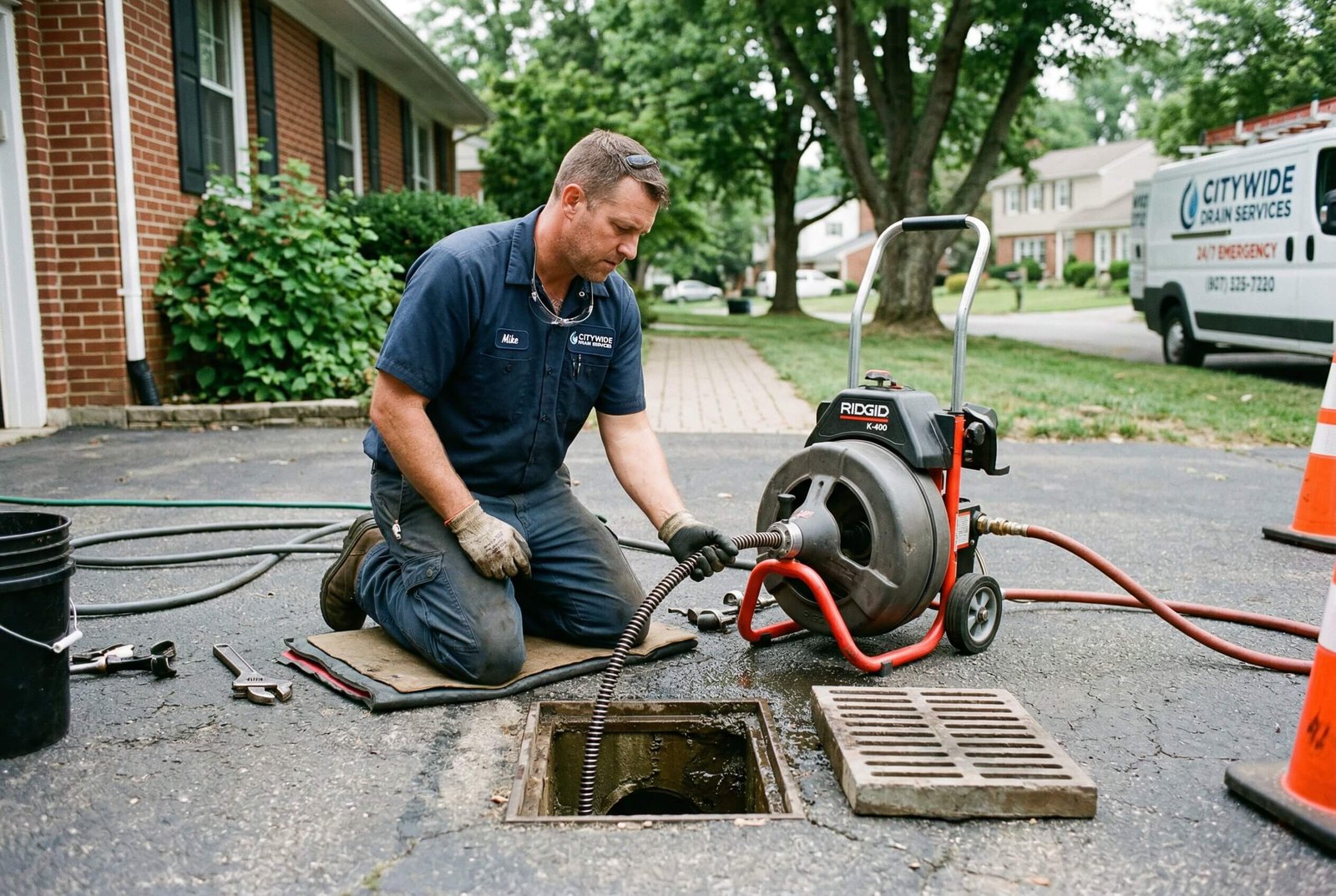
Outdoor drain problems usually don’t start as an emergency. In most homes, it begins with something small—water sitting in the yard a little longer than usual, a driveway drain that doesn’t clear as quickly, or a patio area that stays damp after rain. It’s easy to assume it’s temporary or just due to heavy weather, so it often gets ignored at first.
But outdoor drainage systems play a critical role in protecting your home. They are designed to move water away from your foundation, prevent pooling, and manage runoff from rain, soil, and surrounding surfaces. When these drains start to clog—whether from leaves, dirt, sediment buildup, or root intrusion—the water has nowhere to go. Instead, it begins collecting in areas where it can slowly cause damage.
Why Small Outdoor Drain Issues Turn Into Bigger Problems
What looks like a minor inconvenience can quietly develop into a more serious issue over time. Unlike indoor drains, outdoor systems deal with natural debris and changing conditions, which means blockages often build up gradually inside the pipes.
- Water starts pooling near foundation walls or basement entry points
- Soil around the house becomes overly saturated
- Drainage patterns shift, causing water to flow toward the home instead of away
- Repeated moisture creates conditions for mold and structural weakening
Outdoor drain cleaning service is meant to address these problems at their source—not just clear what’s visible on the surface, but remove buildup inside the pipes and restore proper water flow. It’s commonly needed in areas like yards, driveways, patios, and storm drains where natural debris constantly accumulates.
Ignoring these early signs often leads to more expensive repairs later, especially if water begins affecting the structure of the home or underlying drainage system.
What This Page Covers
ToggleWhat This Service Actually Means
Outdoor drain cleaning is often misunderstood as simply removing leaves or visible debris from a drain cover. While that’s part of it, the real work happens below the surface—inside the pipes and underground drainage lines that carry water away from your property.
These systems are constantly exposed to dirt, sand, organic waste, and runoff from rain. Over time, this material builds up inside the pipes, narrowing the passage and restricting water flow. The problem is, most of this buildup isn’t visible from the outside. By the time you notice slow drainage or pooling water, the blockage is usually already formed deeper in the line.
Surface Cleaning vs Deep Drain Cleaning
There’s a big difference between clearing what you can see and actually restoring the full drainage system. Many temporary fixes only address the top layer of the problem.
- Removing leaves or debris from the drain opening improves short-term flow
- Flushing water from above may push some material further down, not remove it
- Basic cleaning doesn’t clear buildup stuck along pipe walls
True drain cleaning focuses on removing the restriction throughout the pipe, not just at the entry point. This ensures water can flow freely again under normal conditions.
What Plumbers Actually Do During This Service
A proper outdoor drain cleaning service involves more than just clearing a clog. It’s about identifying the cause and fixing it properly so the issue doesn’t return quickly.
- Locate where the blockage is forming (surface vs underground)
- Identify the type of blockage (mud, roots, grease, debris buildup)
- Select the right method like snaking or hydro jetting
- Break apart and flush out the buildup inside the pipe
- Test the system to confirm proper drainage
Temporary Fix vs Long-Term Solution
Many outdoor drain issues seem “fixed” after basic cleaning, but return after the next rain. That’s usually because the underlying buildup wasn’t fully removed.
- Temporary fixes restore flow for a short time
- Partial cleaning leaves residue that builds up again quickly
- Deep cleaning removes the root cause of the blockage
When Cleaning Reveals Bigger Problems
In some cases, what appears to be a clog turns out to be a more serious issue within the drainage system. Cleaning helps uncover these hidden problems.
- Tree root intrusion inside underground pipes
- Cracked or collapsed drain lines
- Poor slope causing repeated blockages
- Connection issues with sewer line systems
This is why outdoor drain cleaning isn’t just about unclogging—it’s about understanding how the entire drainage system is functioning and correcting the issue at its source.
When You Actually Need This Service
Outdoor drain problems rarely happen overnight. In most homes, they develop gradually, showing small warning signs before turning into bigger drainage failures. The key is not just noticing a single issue, but recognizing patterns—especially when the same problem keeps coming back or starts affecting multiple areas.
Slow Drainage in Yard, Driveway, or Patio
One of the earliest signs is water draining slower than usual after rain. Areas that used to clear quickly may start holding water longer, even when rainfall isn’t heavy.
- Puddles staying for hours instead of draining away
- Water spreading across surfaces instead of flowing toward the drain
- Ground remaining damp or soft even after dry weather
This usually points to partial blockage inside the drain line, restricting normal water flow.
Standing Water Near Foundation or Entry Points
Water collecting near the base of your home is a more serious signal. Outdoor drains are meant to direct water away from these areas, so when they fail, the risk shifts toward the structure.
- Water pooling near foundation walls
- Moisture collecting around basement entrances or steps
- Damp patches appearing close to exterior walls
This often indicates the drainage system is not moving water far enough away, usually due to a deeper clog.
Multiple Outdoor Drains Backing Up
When more than one drain starts showing issues at the same time, the problem is rarely isolated. It usually means there’s a blockage somewhere deeper in a shared line.
- Yard drain and driveway drain both slow or overflowing
- Water backing up across different outdoor areas
- Drainage failure during even moderate rainfall
This kind of pattern often requires professional drain cleaning to locate and clear the main restriction.
Foul Smells Coming From Outdoor Drains
Outdoor drains shouldn’t produce noticeable odors. When they do, it’s often a sign of organic material sitting and breaking down inside the pipes.
- Musty or sewage-like smell near drain openings
- Odor stronger after rain or water flow
- Persistent smell even after surface cleaning
This indicates buildup has been sitting for a while and needs proper internal cleaning.
Recurring Clogs After Basic Cleaning
If you’ve already cleared visible debris but the issue keeps returning, the problem is almost always deeper inside the system.
- Drain works temporarily, then clogs again
- Flow improves briefly after cleaning but slows again
- Same location repeatedly causing issues
This is one of the strongest indicators that surface-level cleaning isn’t enough.
Early Signs vs Late-Stage Problems
Understanding the difference between early and advanced symptoms helps decide how urgent the situation is.
- Early stage: slow drainage, occasional pooling, minor odor
- Mid stage: recurring clogs, multiple drains affected
- Late stage: standing water, overflow, water reaching structure
In most cases, waiting too long turns a manageable cleaning job into a more complex repair. Recognizing these signs early allows the issue to be addressed before it spreads deeper into the drainage system.
How Service Is Performed (Step-by-Step)
Outdoor drain cleaning is not a one-step process. A proper service follows a structured approach, because the goal is not just to remove a blockage, but to understand what caused it and restore full drainage flow. Each step builds on the previous one to make sure the problem doesn’t come back quickly.
Initial Inspection of the Drainage System
Every job starts with a basic inspection of the affected area. This helps determine whether the issue is surface-level or deeper inside the system.
- Checking visible drain openings for debris or blockage
- Observing water flow during testing (if possible)
- Identifying areas where water is pooling or backing up
This step gives an early idea of how severe the issue might be.
Identifying the Type of Blockage
Once the surface is checked, the next step is understanding what’s causing the restriction. Outdoor drains can clog for different reasons, and each requires a different approach.
- Mud, sand, and sediment buildup inside pipes
- Leaves and organic debris compacting over time
- Tree root intrusion in underground lines
- Grease or runoff buildup from driveways or outdoor areas
Correct diagnosis is important because using the wrong method can either fail or damage the pipe.
Choosing the Right Cleaning Method
After identifying the blockage, the appropriate method is selected. This depends on how deep the clog is and how severe the buildup has become.
- Light blockage may only need basic snaking
- Moderate buildup may require deeper mechanical cleaning
- Heavy or stubborn buildup often needs hydro jetting
The goal is to fully clear the pipe, not just create a temporary opening.
Clearing the Blockage
This is the main execution phase where the actual cleaning happens. The method used depends on the earlier diagnosis.
- Snaking breaks through localized clogs
- Hydro jetting uses high-pressure water to clean pipe walls
- Manual removal may be used for surface or shallow blockages
The focus here is not just restoring flow, but removing buildup that could cause future issues.
Flushing and Testing the System
Once the blockage is cleared, the system is tested to ensure proper flow has been restored.
- Running water through the drain to check speed and movement
- Ensuring there is no backup or slow drainage
- Confirming that multiple connected drains are functioning properly
This step helps verify that the issue has been fully resolved.
Final Inspection and Recommendations
The last step involves reviewing the condition of the drainage system and identifying any underlying concerns.
- Checking for early signs of pipe damage or wear
- Noting areas prone to repeated blockage
- Suggesting maintenance or further inspection if needed
In some cases, this step may reveal deeper issues like pipe damage or alignment problems that go beyond simple cleaning.
Methods Used
Outdoor drain cleaning isn’t done using a single tool or technique. The method depends on what’s causing the blockage, how deep it is, and the condition of the pipes. A proper approach focuses on choosing the right method for the situation, rather than using a one-size-fits-all solution.
Hydro Jetting for Deep and Stubborn Buildup
Hydro jetting is one of the most effective methods for cleaning outdoor drains, especially when there’s heavy buildup inside the pipes. It uses high-pressure water to clear and wash the entire pipe.
- Breaks apart compacted dirt, sludge, and organic buildup
- Cleans pipe walls, not just the center path
- Effective for long sections of underground drainage lines
- Helps prevent quick recurrence of clogs
This method is commonly used when standard cleaning methods are not enough or when the blockage has built up over time.
Drain Snaking for Localized Clogs
Drain snaking is used when the blockage is more localized and not spread across the entire pipe. It involves a flexible cable that breaks through the clog.
- Effective for smaller or isolated blockages
- Works well for debris stuck in one section of the pipe
- Faster and less intensive compared to hydro jetting
However, it usually clears a path through the blockage rather than fully cleaning the pipe walls.
Manual Cleaning for Surface Drains
In many outdoor setups, part of the problem starts at the surface level. Manual cleaning is used to remove visible debris before deeper cleaning begins.
- Removing leaves, dirt, and debris from drain covers
- Clearing shallow blockages near the entry point
- Restoring immediate surface flow
This step alone is rarely enough for long-term results but is often necessary as part of the process.
Camera Inspection for Hidden Issues
When the cause of the blockage isn’t clear, or when problems keep returning, camera inspection helps identify what’s happening inside the pipes.
- Locates exact position of blockage
- Detects tree root intrusion or pipe damage
- Identifies collapsed or misaligned sections
- Helps decide whether cleaning or sewer line repair is needed
This method is especially useful for underground outdoor drains where visibility is limited.
When Cleaning Turns Into Repair
Sometimes, cleaning alone doesn’t fully solve the issue. The process may reveal underlying problems that require additional work.
- Cracked or broken pipes restricting flow
- Root intrusion that keeps coming back after cleaning
- Poor pipe slope causing repeated buildup
- Connection issues with the main sewer line
In these cases, what starts as a drain cleaning job may lead to sewer line repair or partial pipe replacement to fix the root cause permanently.
DIY vs Professional (Decision Section)
Outdoor drain problems often tempt homeowners to try a quick fix first. In some cases, that works—especially when the issue is clearly visible and limited to the surface. But outdoor drainage systems are usually more complex than they appear, and what looks like a simple clog can extend deeper into underground pipes. Knowing where DIY ends and professional cleaning becomes necessary helps avoid wasted time and repeated problems.
When DIY Cleaning Can Work
There are situations where basic cleaning is enough, especially when the blockage hasn’t gone deep into the system.
- Leaves, dirt, or debris covering the drain opening
- Light blockage near the surface that’s easy to remove
- Water slowing slightly but still draining
- After storms where debris temporarily collects on top
In these cases, clearing the drain cover and flushing water can restore normal flow, at least temporarily.
Where DIY Starts to Fail
Problems begin when the blockage is not visible or sits deeper inside the pipe. Surface cleaning may improve flow for a short time but won’t solve the underlying issue.
- Water drains slowly even after cleaning the opening
- Problem keeps coming back after every rain
- Multiple drains start showing similar issues
- You can’t locate where the blockage actually is
At this stage, DIY efforts usually don’t reach far enough into the system to make a lasting difference.
Risks of Improper Tools and Methods
Using the wrong tools or techniques can sometimes make the situation worse instead of better. Outdoor drain systems are often connected to larger lines, and improper handling can damage them.
- Forcing tools into pipes can scratch or crack older lines
- Chemical cleaners may not work on outdoor debris and can harm pipes
- Pushing debris further down can create a deeper blockage
- High-pressure DIY methods without control can loosen joints
These risks are often overlooked until the problem becomes more complicated to fix.
When Professional Cleaning Becomes Necessary
There’s a point where deeper inspection and proper equipment are required to fully resolve the issue.
- Recurring clogs that return after basic cleaning
- Standing water that doesn’t clear over time
- Signs of blockage affecting multiple outdoor areas
- Suspicion of root intrusion or pipe damage
Professional drain cleaning is designed to reach inside the system, remove buildup completely, and identify whether the issue is just a clog or something more serious. It focuses on solving the problem at its source, not just improving symptoms temporarily.
Cost of Service in the U.S.
The cost of outdoor drain cleaning can vary quite a bit depending on how simple or complex the problem is. Some jobs involve clearing surface-level debris, while others require deep cleaning of underground lines using specialized equipment. The key difference in cost usually comes down to how severe the blockage is and how difficult it is to access and remove it.
Typical Cost Range
For most residential outdoor drain cleaning jobs in the U.S., homeowners can expect a range based on the level of work involved.
- Simple surface or minor blockage: $100 – $250
- Moderate clog (snaking required): $250 – $500
- Deep cleaning (hydro jetting): $400 – $900
- Complex cases (roots, heavy buildup): $800 – $1,500+
These are general ranges and can vary based on location and service conditions.
Emergency Drain Cleaning Cost
Outdoor drainage problems don’t always happen at convenient times. Heavy rain, storms, or sudden backups can require immediate attention, which usually increases the cost.
- After-hours or weekend service: additional $100 – $300+
- Urgent same-day service charges may apply
- Severe overflow situations may require multiple steps, increasing cost
Emergency drain cleaning is typically more expensive due to urgency and availability of equipment and labor.
What Affects the Final Cost
The final price depends on several practical factors that determine how much work is required to fully clear the system.
- Severity of blockage: Light debris vs heavy compacted buildup
- Depth and location: Surface drain vs deep underground line
- Pipe condition: Older or damaged pipes may require careful handling
- Equipment needed: Basic tools vs hydro jetting or camera inspection
- Accessibility: Easy access vs digging or difficult entry points
Simple vs Complex Jobs
Understanding the difference between a simple and complex job helps set realistic expectations.
- Simple jobs are quick, often resolved with basic tools and minimal effort
- Complex jobs involve deeper lines, multiple blockages, or hidden issues
- Some cases may start as cleaning but lead to further inspection or repair
Outdoor drain cleaning is usually straightforward when caught early, but delayed issues tend to increase both the complexity and cost of the service.
Risks of Delaying
Outdoor drain problems don’t usually feel urgent at first. A little standing water or slow drainage can seem harmless, especially if it goes away after some time. But when these issues are ignored, the effects build gradually beneath the surface. What starts as a minor blockage can turn into a problem that affects your home’s structure, surrounding soil, and overall drainage system.
Water Damage to Foundation
Outdoor drains are designed to move water away from your home. When they stop working properly, water begins collecting in areas it shouldn’t.
- Water pooling near foundation walls
- Increased moisture pressure against concrete or basement walls
- Slow seepage into lower levels over time
This kind of exposure weakens structural integrity and can lead to costly repairs if left unchecked.
Soil Erosion Around the Property
When water doesn’t drain properly, it starts moving unpredictably across the surface. Over time, this can affect the stability of the ground around your home.
- Soil washing away near drains or edges of the property
- Uneven ground or small depressions forming
- Loss of support around paved areas like driveways or patios
Erosion issues often develop slowly but can create long-term stability problems.
Mold and Moisture Issues
Excess moisture around the home creates the right conditions for mold growth, especially near walls, basements, or shaded outdoor areas.
- Persistent dampness near exterior walls
- Mold forming in basement or crawl spaces
- Musty smells developing over time
These issues don’t just affect the structure—they can also impact indoor air quality.
Increased Pressure on Sewer Lines
Blocked outdoor drains can push excess water into connected systems, including sewer lines. This adds unnecessary strain on the overall drainage network.
- Slower drainage across connected fixtures
- Higher risk of backups during heavy rain
- Overflow situations when the system can’t handle the load
This is especially common when outdoor drains are partially connected to the main sewer line.
Full Drainage System Failure
In more advanced cases, ignoring the problem can lead to complete drainage failure. At this stage, the system is no longer able to manage water flow effectively.
- Water backing up instead of draining away
- Flooding in yard, driveway, or near entry points
- Multiple drains failing at the same time
By this point, what could have been a routine cleaning job often turns into a more complex and expensive repair.
Where This Happens in Homes
Outdoor drain issues don’t occur in just one location. Most homes have multiple drainage points designed to handle water from different areas, and a problem in any one of them can affect how water moves across the entire property. Understanding where these issues typically happen helps identify the source more quickly and prevents the problem from spreading.
Yard and Garden Drains
These are some of the most common outdoor drains, especially in landscaped areas. They handle rainwater and excess irrigation from soil and plants.
- Drains placed in low points of the yard
- Areas where water naturally collects after rain
- Garden beds with heavy soil or mulch buildup
Over time, dirt, grass, and organic material settle into these drains, gradually restricting flow.
Driveway and Garage Drains
Driveways and garage entrances often include drains to prevent water from entering the structure. These drains deal with both rainwater and surface runoff.
- Linear trench drains across driveways
- Drain openings near garage doors
- Areas exposed to vehicle runoff (oil, dirt, debris)
Because of constant exposure, these drains often collect a mix of sediment and residue that builds up inside the pipe.
Patio and Poolside Drains
Outdoor living spaces like patios and pool areas rely on proper drainage to prevent water from sitting on surfaces.
- Drains around tiled or paved patio areas
- Pool deck drainage systems
- Areas where water flows during cleaning or rainfall
These drains often get clogged with fine debris, sand, and organic material that’s not always visible.
Basement Exterior Entry Drains
Homes with basement stairwells or exterior entry points usually have a drain at the bottom to prevent water accumulation.
- Drains at the base of basement steps
- Sunken entry areas where water can collect
- Spaces below ground level exposed to rain
When these drains clog, water can quickly accumulate and create a risk of entering the basement.
Stormwater Drainage Systems
Some homes have more extensive outdoor drainage systems designed to handle heavy rain and redirect water away from the property.
- Underground stormwater pipes
- Connections from multiple outdoor drains into one system
- Drainage lines leading toward street or main outlets
Blockages in these systems can affect multiple areas at once, making the problem more noticeable and harder to manage without proper cleaning.
Finding Help Locally
Outdoor drain issues often depend on local conditions more than homeowners expect. Soil type, rainfall patterns, tree coverage, and even how neighborhoods are built can all affect how drainage systems behave. What works in one area may not apply the same way in another, which is why these problems are usually handled best by someone familiar with local conditions.
Why Local Experience Matters
Outdoor drainage is closely tied to the environment around your home. A professional who regularly works in your area is more likely to recognize patterns and recurring issues.
- Soil that drains slowly or compacts easily
- Areas prone to heavy rain or seasonal flooding
- Tree roots commonly affecting underground pipes
- Older neighborhoods with aging drainage systems
This kind of experience helps identify problems faster and choose the right cleaning approach.
Understanding Local Drainage Patterns
Each region has its own drainage behavior based on weather and construction styles. Outdoor systems are often designed with these conditions in mind, but over time, they may not perform as expected.
- Sloped properties where water flows toward certain areas
- Flat areas where water tends to sit and requires active drainage
- Neighborhood layouts that affect how water exits the property
- Stormwater systems connected to city infrastructure
Recognizing these patterns helps determine whether the issue is isolated or part of a broader drainage concern.
Connecting to Local Plumbers and City Conditions
Outdoor drain cleaning isn’t just about clearing a clog—it’s about understanding how the system connects to everything around it. Local professionals are usually more familiar with these connections.
- How outdoor drains tie into sewer or storm lines
- Local building practices that affect drainage design
- Common issues seen in nearby homes
- Access points and system layouts specific to the area
This familiarity often leads to more accurate diagnosis and fewer repeat issues.
Why Generic Solutions Don’t Always Work
Trying to apply general fixes without considering local factors can lead to temporary results. Outdoor drainage systems are influenced by more variables than indoor plumbing.
- Same cleaning method may not suit every soil or pipe condition
- Recurring issues often tied to environmental factors
- Surface fixes may ignore deeper system design problems
Understanding the local context ensures the cleaning process addresses not just the symptom, but the actual cause behind recurring outdoor drain problems.
How to Choose the Right Provider
Choosing the right professional for outdoor drain cleaning isn’t just about finding someone available quickly. The quality of the work depends on how well they understand drainage systems, how they approach the problem, and whether they focus on fixing the cause instead of just clearing the symptom.
Look for Real Experience with Outdoor Drainage
Outdoor systems behave very differently from indoor plumbing. They involve soil, weather, and underground layouts that require practical, field experience.
- Familiarity with yard, driveway, and storm drain systems
- Understanding of underground pipe behavior and slope issues
- Experience handling recurring outdoor drainage problems
Someone who regularly works on outdoor drains is more likely to diagnose the issue correctly the first time.
Check for Proper Equipment and Approach
The tools used during cleaning make a significant difference in how effective the result will be. Basic tools may clear a blockage, but deeper issues require more advanced methods.
- Availability of hydro jetting for deep cleaning
- Use of drain cameras for accurate inspection
- Ability to handle both surface and underground problems
The right equipment ensures the cleaning is complete, not temporary.
Transparency in Assessment and Pricing
A clear explanation of the problem and expected cost is an important part of the process. Outdoor drain issues can vary widely, so understanding what’s involved helps avoid confusion later.
- Explanation of what’s causing the blockage
- Clear breakdown of required work
- Realistic cost estimate based on severity
Lack of clarity often leads to incomplete work or unexpected charges.
Emergency Readiness When Needed
Outdoor drain problems can sometimes escalate quickly, especially during heavy rain. Having access to timely service can prevent further damage.
- Availability during urgent situations
- Ability to handle overflow or sudden blockages
- Quick response during storm-related issues
This becomes important when delays could worsen the situation.
Common Mistakes Homeowners Make
Many issues with outdoor drain cleaning come from choosing based on convenience rather than capability.
- Going with the cheapest option without understanding the scope
- Assuming all drain cleaning services are the same
- Ignoring recurring issues instead of addressing the root cause
- Choosing surface cleaning when deeper cleaning is needed
These mistakes often lead to repeated problems and higher long-term costs.
Red Flags to Watch For
Certain signs can indicate that the service may not address the issue properly.
- No inspection before starting the work
- Immediate conclusions without checking the system
- Offering only one method regardless of the problem
- Avoiding discussion about deeper issues or pipe condition
A proper approach focuses on understanding the system first, then choosing the right solution based on what’s actually happening inside the drainage line.
Final Thoughts
Outdoor drain problems are easy to overlook in the beginning. A little standing water or slow drainage doesn’t always feel urgent, especially when it seems to go away on its own. But in most cases, these are early signs of a system that isn’t working as it should. The longer it’s left unaddressed, the more the issue builds inside the pipes and around the property.
What makes outdoor drainage different is that the problem is often hidden. You’re not just dealing with what you can see on the surface—there’s usually buildup, restriction, or even damage deeper inside the line. That’s why temporary fixes rarely last. Clearing debris from the top might improve flow for a short time, but it doesn’t resolve what’s happening underneath.
A proper outdoor drain cleaning focuses on restoring full flow through the system and identifying whether the issue is just a blockage or something more serious. In many cases, addressing it early keeps the job simple and manageable. Waiting too long, on the other hand, can turn a basic cleaning into a more complex repair involving multiple areas of the drainage system.
Understanding how these systems behave—and recognizing the signs early—helps you make better decisions. It allows you to deal with the problem at the right time, before it spreads or starts affecting the structure of your home.