
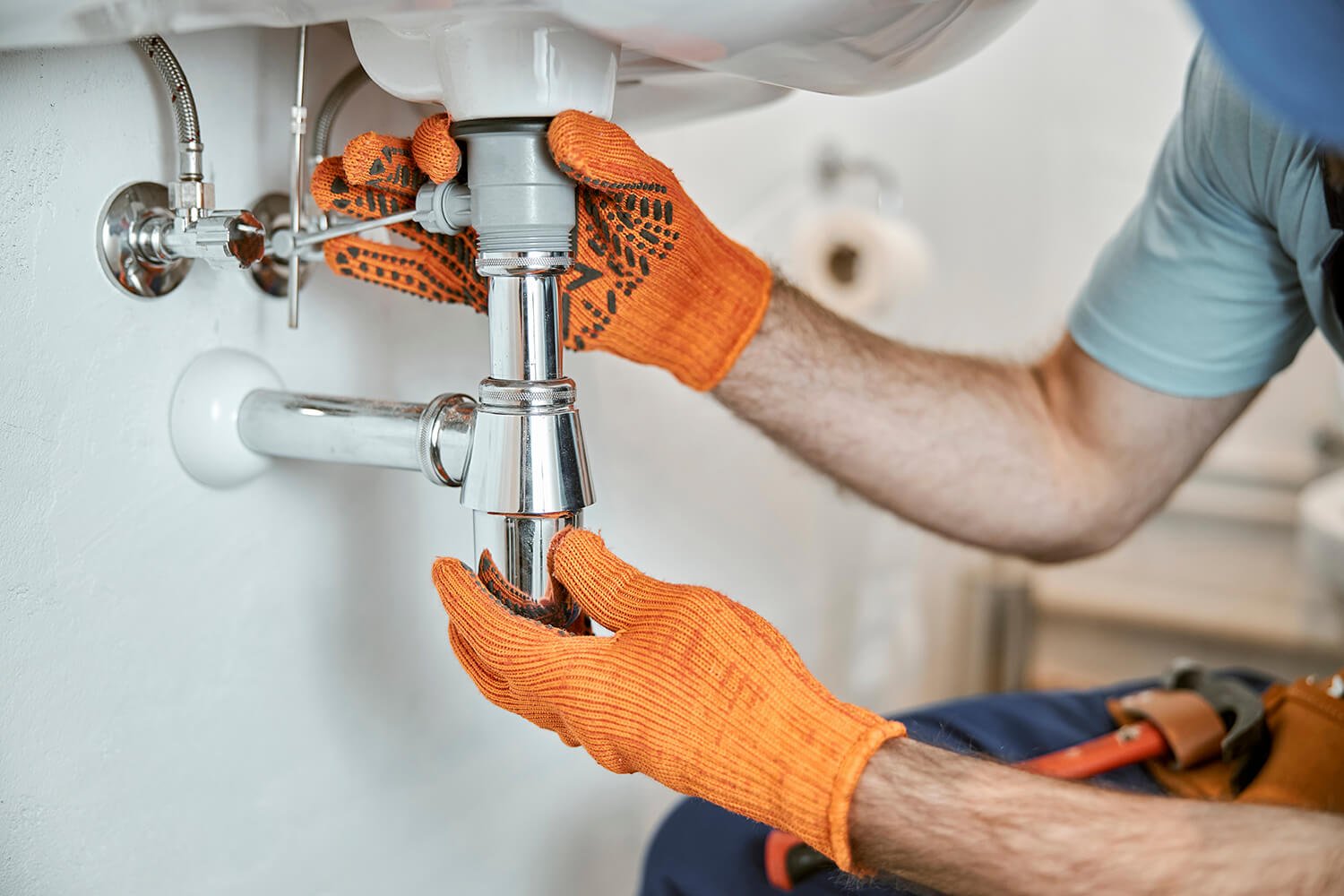
Fort Worth homes come with a unique mix of plumbing realities that you don’t fully understand until something goes wrong. You’ve got older properties near downtown with aging pipes, newer developments expanding rapidly in the north, and a large number of slab foundation homes across the region. Each of these brings its own set of problems—from hidden slab leaks to recurring drain issues and water pressure inconsistencies.
In this part of Texas, plumbing isn’t just about fixing a leak. Hard water gradually wears down fixtures and builds up inside pipes. Long, hot summers cause expansion and stress on plumbing lines. And when winter hits unexpectedly, even a short freeze can crack exposed pipes or weaken already stressed systems. Add to that tree root intrusion in sewer lines, and you start to see why quick, surface-level fixes often don’t last.
That’s why choosing the right plumber in Fort Worth matters more than just finding someone available. It’s about finding someone who understands these local conditions and can diagnose problems properly—not just patch them. This guide is designed to help you think clearly, compare options realistically, and make a confident decision when it actually matters.
What This Page Covers
ToggleTop 10 Plumbers in Fort Worth
Finding a plumber in Fort Worth isn’t difficult—finding the right one for your specific situation is where most homeowners struggle. Some companies are built for fast emergency response, others focus more on long-term repairs like sewer line work or slab leaks. Pricing can vary widely depending on how they diagnose the issue, not just what they fix.
In a city like Fort Worth, where slab foundations, hard water, and mixed-age plumbing systems are common, the difference between a temporary fix and a proper solution often comes down to experience and approach. The goal here isn’t just to list names—it’s to help you understand what each plumber is actually known for, where they fit best, and when they make sense to call.
1. Benjamin Franklin Plumbing of Fort Worth
Benjamin Franklin Plumbing is one of those companies that tends to show up when homeowners need fast, structured service rather than guesswork. They operate with a fairly standardized process, which makes them a common choice for urgent situations like leaks, water heater issues, or sudden drain problems. Their technicians typically arrive with clear diagnostic steps, and they’re known for being punctual—something that matters more when you’re dealing with active water damage.
In Fort Worth, they’re often called for issues tied to slab leaks or pressure inconsistencies, especially in mid-age homes. While they may not always be the cheapest option, the trade-off is predictability—homeowners usually know what to expect in terms of communication, timelines, and follow-up.
Approximate Pricing
- Service call: $70 – $120
- Drain cleaning: $150 – $350
- Water heater repair: $250 – $900
- Slab leak diagnosis: $300 – $800
Why Homeowners Consider Them
- Consistent scheduling and on-time arrival
- Clear, step-by-step diagnostic approach
- Strong handling of emergency plumbing situations
- Familiar with slab foundation leak patterns
- Structured pricing explanations before work begins
- Suitable for homeowners who want reliability over trial-and-error
2. Schrader Plumbing
Schrader Plumbing has been part of the Fort Worth area for decades, and that long-standing presence shows in the type of work they handle. They’re often called for issues where the plumbing system has history—older homes, recurring drain problems, or sewer line concerns that haven’t been fully resolved before. Instead of rushing into quick fixes, their approach tends to focus more on identifying root causes, especially when dealing with aging infrastructure.
In Fort Worth, where cast iron pipes and tree root intrusion are still common in certain neighborhoods, that experience becomes valuable. They’re not typically the first call for ultra-fast emergency response, but they’re a strong choice when the problem is persistent or complex. Homeowners who’ve dealt with repeat clogs or partial repairs often end up here after realizing the issue needs deeper evaluation.
Approximate Pricing
- Service call: $80 – $140
- Drain cleaning: $180 – $400
- Sewer line inspection (camera): $250 – $500
- Sewer line repair: $1,500 – $6,000+
Why Homeowners Consider Them
- Strong experience with older Fort Worth plumbing systems
- Reliable for recurring drain and sewer problems
- Focus on long-term fixes instead of temporary solutions
- Comfortable working with cast iron and aging pipe materials
- Detailed inspection process before recommending repairs
- Suitable for homeowners dealing with repeat plumbing issues
3. Baker Brothers Plumbing, Air & Electric
Baker Brothers is a larger, well-known service provider in the Dallas–Fort Worth area, and that scale shows in how they operate. They’re built for homeowners who want quick access, same-day availability, and a company that can handle multiple systems under one roof. In plumbing, they’re often called for urgent repairs—burst pipes, water heater failures, and major leaks—where response time matters more than anything else.
In Fort Worth, they frequently deal with slab leak detection and water pressure issues, especially in homes where plumbing problems start affecting multiple areas at once. Their process is structured, and technicians typically walk you through options before starting work. While pricing can be on the higher side, many homeowners value the convenience and speed, particularly when the situation can’t wait.
Approximate Pricing
- Service call: $75 – $130
- Drain cleaning: $160 – $380
- Water heater replacement: $1,200 – $3,500
- Slab leak repair: $2,000 – $8,000+
Why Homeowners Consider Them
- Fast response times, including same-day availability
- Equipped to handle emergency plumbing situations
- Clear communication and upfront explanation of options
- Experience with slab leaks and whole-home plumbing issues
- One company handling plumbing, HVAC, and electrical needs
- Suitable when speed and convenience are priorities
4. Legacy Plumbing
Legacy Plumbing is often the kind of company homeowners turn to when they want a balance between professional structure and a more detail-focused approach. They’re not built purely around speed like some larger service chains—instead, their work tends to lean toward careful diagnosis and cleaner execution, especially for repairs that need to last.
In the Fort Worth area, they’re commonly called for water heater work, leak detection, and mid-level repairs where the issue isn’t an emergency but still needs proper attention. They also handle repiping and fixture upgrades, which makes them relevant for homeowners doing partial renovations or improving older plumbing systems. Their approach usually involves explaining options clearly, without pushing immediate high-cost replacements unless necessary.
Approximate Pricing
- Service call: $70 – $120
- Drain cleaning: $150 – $320
- Water heater repair: $250 – $800
- Repiping (partial): $1,500 – $5,000+
Why Homeowners Consider Them
- Balanced approach between speed and quality of work
- Strong track record with water heater repairs and replacements
- Clear explanations without rushing decisions
- Suitable for both repairs and small upgrade projects
- Less pressure-driven compared to high-volume service companies
- Good fit for homeowners wanting long-term solutions without urgency
Website
https://legacyplumbing.net/
5. Metro Flow Plumbing
Metro Flow Plumbing is often the company homeowners reach out to when a plumbing issue starts affecting the entire system rather than just one fixture. They’re known for handling more technical problems—things like hidden leaks, sewer line complications, and situations where multiple drains or fixtures are acting up at the same time.
In Fort Worth, they’re frequently called for slab leak detection and sewer diagnostics, especially in homes where the problem isn’t obvious on the surface. Their team tends to rely more on inspection tools like camera scopes and pressure testing instead of jumping straight into repairs. That makes them a practical choice when the issue needs to be clearly identified before money is spent.
They’re not always the lowest-cost option, but homeowners often choose them when accuracy matters more than speed—particularly after previous attempts didn’t fully solve the problem.
Approximate Pricing
- Service call: $80 – $150
- Drain cleaning: $180 – $400
- Sewer camera inspection: $250 – $550
- Slab leak detection: $350 – $900
Why Homeowners Consider Them
- Strong diagnostic approach for complex plumbing issues
- Frequently used for slab leaks and sewer line problems
- Uses camera inspections and pressure testing
- Focus on identifying root causes before repair
- Suitable when multiple fixtures are affected at once
- Good option after repeated or unresolved plumbing issues
6. Mars Services
Mars Services is a long-standing plumbing company in the Fort Worth area, and their reputation is largely built around handling everyday residential plumbing without overcomplicating the process. They’re often called for straightforward issues—leaks, fixture replacements, water heater problems—where homeowners want the job done properly without being pushed into unnecessary upgrades.
In Fort Worth, they’re particularly relevant for homes dealing with aging fixtures or gradual wear from hard water. Instead of jumping straight into full replacements, their approach often leans toward repair-first when it makes sense. That makes them a practical option for homeowners who are trying to maintain their plumbing system rather than overhaul it.
They’re not built as a rapid-response emergency company, but for planned service work and non-urgent issues, they tend to offer a more steady and cost-conscious approach.
Approximate Pricing
- Service call: $70 – $120
- Leak repair: $150 – $500
- Faucet/fixture replacement: $120 – $400
- Water heater repair: $250 – $800
Why Homeowners Consider Them
- Reliable for standard residential plumbing work
- Repair-focused approach instead of immediate replacement
- Familiar with hard water-related wear and tear
- Suitable for maintaining older plumbing systems
- Less aggressive pricing compared to large service chains
- Good option for non-emergency, planned repairs
7. AugerPros Plumbing and Drain
AugerPros is a company that tends to stand out when the issue is clearly related to drains or sewer lines. While they handle general plumbing as well, their strength is in diagnosing and clearing stubborn blockages—especially the kind that keep coming back after temporary fixes. Homeowners dealing with slow drains, backups, or gurgling sounds often end up here after basic cleaning methods stop working.
In Fort Worth, where tree root intrusion and grease buildup are common causes of recurring drain problems, their specialized focus becomes useful. They rely on methods like hydro jetting and camera inspections to fully clear and assess the line, rather than just opening a temporary path through the blockage. That approach is more relevant when the goal is to avoid repeated service calls.
They’re typically not the cheapest upfront, but many homeowners choose them when they want the problem handled thoroughly instead of revisiting it again in a few months.
Approximate Pricing
- Service call: $80 – $140
- Standard drain cleaning: $150 – $350
- Hydro jetting: $400 – $900
- Sewer camera inspection: $250 – $500
Why Homeowners Consider Them
- Strong focus on drain cleaning and sewer line issues
- Uses hydro jetting for deeper, long-term cleaning
- Effective for recurring clogs and slow drains
- Identifies root causes instead of surface-level fixes
- Experienced with tree root intrusion problems
- Suitable when basic drain cleaning hasn’t solved the issue
Website
https://www.augerpros.com/
8. Willard Plumbing Company
Willard Plumbing is a smaller, family-operated company that many Fort Worth homeowners turn to when they want a more direct and personal service experience. Unlike larger service chains, their work often feels less rushed and more tailored to the specific issue at hand. They’re commonly called for general residential plumbing—leaks, fixture repairs, small pipe issues—where homeowners prefer steady, reliable work over speed-driven service.
In Fort Worth, they’re especially relevant for older neighborhoods where plumbing systems have been modified over time. These types of homes often need a bit more attention during repairs, and companies like Willard tend to take that extra time rather than applying a one-size-fits-all fix. Their approach is usually straightforward—diagnose, explain, and repair without pushing unnecessary upgrades.
They’re not built for large-scale emergency dispatch, but for homeowners who value consistency and communication, they’re often a comfortable choice.
Approximate Pricing
- Service call: $70 – $120
- Leak repair: $150 – $450
- Toilet repair/replacement: $150 – $500
- Minor pipe repair: $200 – $700
Why Homeowners Consider Them
- More personal, less rushed service approach
- Suitable for older homes with modified plumbing systems
- Clear explanations without upselling pressure
- Reliable for everyday residential plumbing issues
- Consistent workmanship across small to mid-size jobs
- Good fit for homeowners who prefer a local, steady service experience
9. Webb Family Plumbing
Webb Family Plumbing is typically the kind of company homeowners call when they want straightforward, honest service without the complexity of larger operations. Their work is often centered around everyday residential plumbing—leaks, clogged drains, water heater issues—handled in a practical, no-nonsense way. They’re not built around high-volume dispatch or upselling services, which appeals to homeowners who just want the issue fixed properly.
In Fort Worth, they’re commonly used for routine plumbing needs and smaller repairs where trust and communication matter more than speed. Their approach tends to be simple: identify the problem, explain what’s needed, and carry out the repair without pushing unnecessary add-ons. That makes them a solid option for homeowners who’ve had mixed experiences with larger service companies in the past.
They may not handle highly complex system-wide issues as frequently, but for standard residential work, they remain a dependable choice.
Approximate Pricing
- Service call: $70 – $110
- Drain cleaning: $140 – $300
- Water heater repair: $250 – $750
- Leak repair: $150 – $450
Why Homeowners Consider Them
- Straightforward, no-pressure service approach
- Reliable for routine plumbing repairs
- Clear communication without unnecessary upselling
- Good fit for homeowners seeking simple, effective solutions
- Consistent for smaller jobs and maintenance work
- More personal interaction compared to large service companies
10. Mr. Rooter Plumbing of Fort Worth
Mr. Rooter Plumbing is a nationally recognized name, but at the local level in Fort Worth, they’re often brought in for structured service and consistent execution—especially when the problem involves drains, sewer lines, or recurring backups. Their technicians usually follow a clear inspection-first approach, which makes them relevant when the issue isn’t immediately visible.
In Fort Worth homes, they’re commonly called for sewer line problems, recurring drain clogs, and situations where multiple fixtures are affected at once. They use camera inspections and systematic diagnostics before recommending repairs, which helps homeowners understand what’s actually going on below the surface. Pricing can vary depending on the complexity, but the process tends to be transparent.
They’re a practical choice when the goal is clarity and a structured repair plan rather than trial-and-error fixes.
Approximate Pricing
- Service call: $75 – $130
- Drain cleaning: $150 – $350
- Sewer camera inspection: $250 – $500
- Sewer line repair: $2,000 – $7,000+
Why Homeowners Consider Them
- Structured diagnostic approach before starting work
- Strong focus on drain and sewer line issues
- Uses camera inspections for accurate assessment
- Suitable for recurring or system-wide plumbing problems
- Clear explanation of repair options and scope
- Reliable for homeowners who want predictable service
City-Specific Plumbing Challenges in Fort Worth
Plumbing problems in Fort Worth aren’t random—they’re heavily influenced by the local environment, soil conditions, and the way homes are built. Understanding these factors helps you recognize why certain issues keep coming back and why some repairs need a more thoughtful approach.
One of the biggest factors is hard water, which is common across North Texas. Over time, mineral buildup forms inside pipes, water heaters, and fixtures. This reduces water flow, increases pressure in certain areas, and shortens the lifespan of appliances. Many homeowners don’t notice it immediately, but it slowly leads to frequent repairs—especially in faucets, showerheads, and water heaters.
Another major issue is the prevalence of slab foundation homes. Unlike homes with crawl spaces, plumbing lines run beneath the concrete foundation. When a pipe leaks, the damage isn’t visible—it spreads underneath the slab. By the time signs appear (warm spots on the floor, cracks, higher water bills), the issue is already advanced. Detecting and repairing slab leaks requires specialized methods, and not every plumber approaches it the same way.
Fort Worth also experiences extreme temperature swings. Long, hot summers cause pipes to expand, while sudden winter freezes—though short—can still crack exposed or weakened pipes. This combination puts ongoing stress on plumbing systems, especially in older homes where materials have already degraded.
Then there’s tree root intrusion, which is one of the most common causes of sewer line problems in established neighborhoods. Roots naturally seek moisture, and even a small crack in a sewer pipe can attract them. Over time, they expand inside the pipe, leading to slow drains, backups, and eventually full blockages.
You’ll also see a mix of old and new plumbing materials across the city:
- Older homes may still have cast iron or galvanized pipes, which corrode internally
- Mid-age homes often deal with partial upgrades, creating mismatched systems
- Newer developments rely on PVC, but rapid construction can sometimes lead to installation shortcuts
All of this means that plumbing in Fort Worth isn’t just about fixing what’s visible. It’s about understanding what’s happening beneath the surface—and choosing solutions that actually match the conditions of the home.
Plumbing Services Across Fort Worth and Nearby Areas
Plumbing conditions in Fort Worth aren’t the same across every neighborhood. The type of home, age of construction, and even soil movement can change how plumbing systems behave. What works in one area may not apply the same way in another, which is why local familiarity matters more than most homeowners expect.
Downtown / Central Fort Worth
This area has a higher concentration of older homes and buildings, many with aging plumbing systems that have been modified over time. You’ll often find cast iron pipes, partial upgrades, and tight access points that make repairs more complex. Drain issues and sewer line problems are common here, especially where tree roots have already found their way into older lines. Even simple repairs can take longer because of limited access and older infrastructure.
Arlington
Arlington sits in that middle range—homes are not extremely old but not new either. A large number of properties here are built on slab foundations, which makes slab leaks one of the more frequent concerns. These leaks often go unnoticed until they start affecting flooring or water bills. Water pressure inconsistencies are also common, especially in homes where plumbing hasn’t been updated since construction.
North Fort Worth / Alliance Area
This is one of the fastest-growing parts of the city, filled with newer developments. Plumbing systems here are generally modern, using PVC and updated layouts. However, rapid construction sometimes leads to issues like inconsistent water pressure, improper pipe grading, or early wear in certain components. Problems here are less about age and more about installation quality and system balancing.
South Fort Worth
South Fort Worth has a mix of older and mid-age homes, often dealing with drainage challenges due to soil conditions and aging pipes. You’ll see more recurring clogs and slower drainage issues here, particularly in homes that haven’t had major plumbing updates. Sewer line wear and partial collapses can also show up in certain pockets, especially where maintenance has been delayed.
West Fort Worth / Benbrook
This area brings a mix of suburban homes and properties that may rely on septic systems instead of city sewer lines. That adds another layer of responsibility for homeowners, as septic maintenance becomes part of the equation. Plumbing issues here often involve both indoor systems and external drainage management, especially during heavy rain or soil movement.
Across all these areas, the key takeaway is simple: plumbing isn’t just about the problem—it’s about the location, the structure of the home, and how the system was built or modified over time.
How to Choose the Right Plumber in Fort Worth
Choosing a plumber in Fort Worth isn’t just about availability or price—it’s about matching the plumber to the type of problem you have. A slab leak, for example, requires a very different skill set than a simple faucet repair. Many homeowners make the mistake of calling the first available option, only to end up with temporary fixes or repeated visits.
The first thing to look at is experience with local plumbing conditions. Fort Worth homes commonly deal with slab foundations, hard water buildup, and mixed piping systems. A plumber who understands these patterns will diagnose faster and avoid unnecessary work. If they treat every issue like a standard repair, that’s usually a sign they’re not thinking about the bigger system.
Emergency availability matters—but only when you actually need it. Some companies are built for speed and dispatch, which is useful for burst pipes or active leaks. But for non-urgent issues, a more diagnostic-focused plumber can often give better long-term results.
Pricing transparency is another key factor. You want clear explanations before work begins—not vague estimates that change midway. In Fort Worth, pricing can vary depending on access (especially under slab), materials, and how complex the repair is. A good plumber will explain why something costs what it does, not just give a number.
There are also a few common mistakes homeowners make:
- Choosing the lowest price without understanding the scope
- Ignoring recurring issues and only fixing symptoms
- Not asking how the problem started
- Rushing into full replacements when repair is possible
And just as important, watch for red flags:
- Immediate push toward expensive replacements without diagnosis
- No explanation of the root cause
- Unclear timelines or changing estimates
- Lack of proper inspection (especially for sewer or slab issues)
At the end of the day, the right plumber is the one who understands your specific situation—not just someone who can do the job quickly. Taking a little time to evaluate this upfront often saves much bigger costs later.
Average Plumbing Cost in Fort Worth
Plumbing costs in Fort Worth are not fixed—they vary based on access, severity, and how early the problem is caught. A simple clog and a hidden slab leak might both start as “minor issues,” but the final cost can be drastically different depending on what’s happening beneath the surface.
Drain Cleaning Cost
For most homeowners, this is the most common service call.
- Basic drain cleaning: $125 – $250
- Moderate / recurring clog: $250 – $450
- Hydro jetting / deep cleaning: $400 – $700+
- Severe main line blockage: $500 – $1,000+
The biggest cost factor here is location of the clog. A blockage under your sink is quick. A blockage deep in the sewer line requires equipment, time, and sometimes inspection tools.
Emergency Plumbing Cost
Emergency work always costs more—not because the repair is different, but because of timing and urgency.
- Standard repair (non-emergency): $125 – $450
- Emergency call (after hours): 1.5x to 2x pricing
- Leak repair: $150 – $800+
- Major underground/slab leak: $2,000 – $5,000+
In Fort Worth, emergency calls are often tied to burst pipes, slab leaks, or sewer backups—situations where waiting even a few hours can cause structural or water damage.
Sewer Line Repair Cost
This is where costs can escalate quickly because the problem is underground and often requires heavy work.
- Main sewer clog clearing: $425 – $800
- Basic sewer repair: $2,500 – $5,000
- Trenchless repair: $4,000 – $9,000+
- Full replacement: $7,500 – $15,000+
Costs depend heavily on:
- Depth of the pipe
- Whether excavation is needed
- Pipe material (cast iron vs PVC)
- Tree root damage
Slab Leak Repair Cost (Very Common in Fort Worth)
This is one of the most expensive—and most misunderstood—repairs in Texas homes.
- Leak detection: $150 – $600
- Minor slab repair: $1,500 – $3,000
- Typical repair: $1,500 – $4,500
- Major/complex repair: $4,000 – $10,000+
The reason slab leaks are expensive is simple:
👉 The pipe is under concrete, so access itself costs money.
Why Plumbing Costs Vary So Much
Two homeowners can have the “same issue” but pay very different amounts. Here’s why:
- Access difficulty → under slab vs open pipe
- Problem stage → early vs severe damage
- Tools required → basic snake vs hydro jetting vs camera inspection
- Labor time → 1 hour vs multi-day repair
- Material replacement → repair vs full replacement
Labor alone often makes up 60–70% of the cost in sewer-related work .
Hidden Costs Homeowners Often Miss
- Camera inspection fees
- Emergency service premiums
- Concrete cutting/restoration (slab work)
- Landscaping repair after sewer excavation
- Multiple visits due to incorrect diagnosis
Practical Takeaway
In Fort Worth, the real cost difference isn’t the plumber—it’s how early you act and how accurately the problem is diagnosed. A $150 drain cleaning today can turn into a $5,000 repair if ignored long enough.
When to Call a Professional Plumber
Many plumbing problems in Fort Worth don’t start as emergencies—they become emergencies because they’re ignored or misjudged early. The challenge for most homeowners is knowing where the line is between something manageable and something that needs professional attention.
One of the clearest signs is anything related to a slab leak. If you notice warm spots on the floor, unexplained increases in your water bill, or the sound of running water when nothing is on, that’s not something to wait on. In Fort Worth homes, slab leaks can quietly spread beneath the foundation and start affecting structural stability over time. What looks minor on the surface can already be significant underneath.
Recurring drain issues are another major indicator. A slow drain once in a while isn’t unusual—but if it keeps coming back, or multiple drains start acting up together, the issue is likely deeper in the system. This is often tied to buildup or sewer line problems, and basic DIY cleaning won’t fully resolve it.
Water pressure changes should also not be ignored. Low pressure can indicate hidden leaks, mineral buildup from hard water, or even partial blockages. Sudden pressure spikes, on the other hand, can stress pipes and lead to failures over time.
There are also situations where waiting makes the problem worse:
- Water backing up into sinks, tubs, or toilets
- Persistent sewer odors inside the home
- Visible water stains, wall dampness, or flooring changes
- Gurgling sounds from drains when using other fixtures
In Fort Worth, delaying these issues often leads to bigger repairs because of slab foundations and underground plumbing layouts. What could have been a targeted fix can turn into a larger excavation or system repair if ignored.
DIY vs Professional — Where to Draw the Line
Some minor issues can be handled at home, but only up to a point:
- Simple clogs near the fixture → usually manageable
- Loose fixtures or minor leaks → sometimes DIY
- Anything underground, recurring, or hidden → professional required
The risk with DIY attempts is not just failure—it’s misdiagnosis. Many homeowners temporarily clear a symptom, thinking the problem is solved, while the root cause continues to grow.
What Happens If You Delay
- Small leaks become structural damage (especially under slab)
- Minor clogs turn into full sewer backups
- Water pressure issues lead to pipe stress and bursts
- Repair costs increase significantly over time
In Fort Worth conditions, plumbing problems don’t stay small for long. Acting early isn’t just about convenience—it’s often the difference between a manageable repair and a major expense.
Final Thoughts
Plumbing in Fort Worth isn’t just about fixing what you can see—it’s about understanding what’s happening behind walls, under floors, and beneath the foundation. The combination of slab construction, hard water, and mixed-age plumbing systems means that small issues often have deeper causes.
The biggest mistake homeowners make is treating plumbing as a one-time fix. A quick repair might solve the immediate problem, but if the underlying issue isn’t addressed, it usually comes back—often more expensive the next time. That’s why the focus should always be on proper diagnosis first, repair second.
When choosing a plumber, think in terms of fit, not just availability. Some plumbers are better for emergencies, some for long-term system issues, and others for routine maintenance. Matching the plumber to your situation makes a noticeable difference in both cost and outcome.
It also helps to stay proactive:
- Address small signs early (slow drains, pressure changes, minor leaks)
- Don’t ignore patterns—repeat issues usually point to a deeper problem
- Ask questions about the cause, not just the fix
- Understand what part of the system is being repaired and why
In a city like Fort Worth, waiting too long often turns a manageable issue into a major repair—especially with slab leaks and sewer line problems. Acting early, choosing carefully, and focusing on long-term solutions is what keeps plumbing problems from escalating.
The goal isn’t just to fix today’s issue—it’s to avoid dealing with the same problem again a few months down the line.