
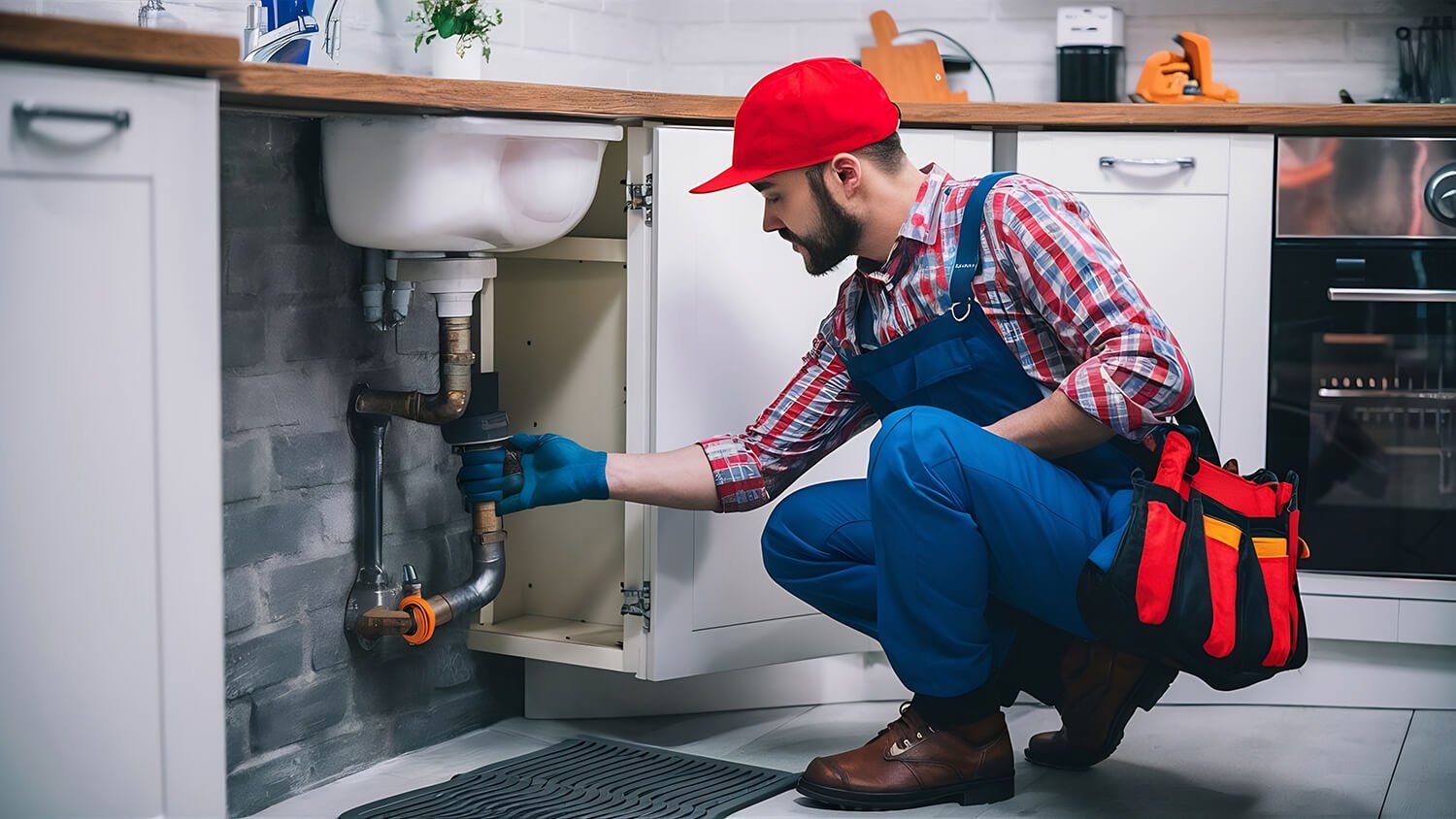
Plumbing in Milwaukee comes with a very different set of challenges compared to milder parts of the country. This is a city where winters aren’t just cold—they directly impact how your plumbing system performs. Frozen pipes, sudden bursts, and emergency calls during extreme weather are a regular part of the local reality. At the same time, many Milwaukee homes were built decades ago, which means older piping materials are still in use and gradually wearing down beneath the surface.
What makes things more complicated is how these factors overlap. A home might already have aging pipes, and then a harsh winter pushes those systems past their limit. Or a small crack in a sewer line—something barely noticeable at first—can turn into a major backup once snowmelt and rain increase pressure on the system. These aren’t isolated issues; they’re patterns that homeowners across Milwaukee deal with every year.
One of the biggest mistakes homeowners make is treating plumbing problems as one-time events. In a city like this, recurring issues usually point to something deeper. Whether it’s a slow drain that keeps coming back or a pipe that leaks after every winter, the real solution comes from understanding the cause—not just fixing the symptom.
This guide is designed to help you make more informed decisions—so you’re not just reacting to problems, but handling them in a way that actually lasts.
What This Page Covers
ToggleTop 10 Plumbers in Milwaukee, WI
Finding a plumber in Milwaukee isn’t just about availability—it’s about whether they understand how plumbing behaves in a cold-weather city. Winters here put real pressure on pipes, and that changes the type of work plumbers deal with. Frozen lines, burst pipes, and emergency calls spike during colder months, while older homes bring their own set of challenges year-round. Some companies are built for rapid emergency response, while others are better suited for detailed inspections and long-term repairs.
Another factor homeowners often overlook is how much pricing and service approach can vary depending on timing. A repair that’s manageable in fall can become far more complex—and expensive—during winter. That’s why choosing a plumber based on the situation, not just reputation, matters more in Milwaukee than in many other cities.
1. Roto-Rooter Plumbing & Water Cleanup
Roto-Rooter is one of the most commonly called services in Milwaukee when plumbing problems escalate quickly—especially during winter. They’re often involved in situations where immediate action is required, such as burst pipes, severe drain backups, or basement flooding. Their ability to respond quickly and handle large-scale issues makes them a frequent choice during high-pressure scenarios.
In Milwaukee, older homes combined with freezing temperatures create a pattern where small issues can suddenly turn into emergencies. This is where companies like Roto-Rooter are typically brought in. They’re equipped to handle not just the plumbing repair, but also cleanup in cases where water damage has already occurred. Many homeowners rely on them during critical situations rather than routine maintenance or minor repairs.
Approximate Pricing
- Drain cleaning: $180 – $400
- Emergency plumbing: $250 – $700+
- Burst pipe repair: $400 – $1,200+ depending on damage
Why Homeowners Consider Them
- Strong emergency plumbing response during winter conditions
- Equipped for burst pipes and severe water damage situations
- Available 24/7 across Milwaukee
- Handles both plumbing repair and cleanup
- Access to advanced tools for drain and sewer issues
- Experienced with high-pressure, time-sensitive scenarios
Website
https://www.rotorooter.com/
2. Rozga Plumbing Corp.
Rozga Plumbing is a long-established Milwaukee company that many homeowners turn to when they want a more traditional, steady approach to plumbing work rather than a fast-response, high-volume service model. They’ve been working in the area for decades, which shows in the type of jobs they typically handle—especially in older Milwaukee homes where plumbing systems require familiarity with outdated materials and layouts.
They’re often involved in planned repairs, system upgrades, and diagnostic work rather than just urgent service calls. In a city where many properties still rely on aging pipes, recurring issues like slow leaks, pressure inconsistencies, and partial drain blockages are common. Rozga tends to be used in situations where homeowners want a proper assessment and long-term fix instead of a temporary solution. Their experience with older infrastructure makes them particularly relevant in central Milwaukee neighborhoods.
Approximate Pricing
- Drain cleaning: $150 – $350
- General plumbing service: $120 – $300
- Pipe repair/replacement: $300 – $1,500+ depending on scope
Why Homeowners Consider Them
- Long-standing presence in Milwaukee with local system knowledge
- Strong experience with older homes and aging plumbing
- Suitable for planned repairs and system upgrades
- Focus on long-term solutions rather than quick fixes
- Handles both residential and light commercial work
- Reliable for recurring or developing plumbing issues
Website
https://rozga.com/
3. Knight Plumbing, Inc.
Knight Plumbing is a locally focused Milwaukee company that homeowners often choose when they want a more direct, service-oriented experience rather than a large corporate process. They’re typically involved in residential plumbing jobs where the issue requires attention and proper diagnosis, but not necessarily a large-scale emergency response. This includes recurring drain problems, fixture repairs, and smaller leaks that need to be handled correctly before they develop into something more serious.
In Milwaukee, where many homes have aging plumbing systems, issues don’t always present themselves clearly at first. A slow drain or minor leak can point to deeper pipe wear, especially after winter stress. Knight Plumbing is often called in these situations because they focus on understanding the condition of the system before jumping into repairs. This approach is useful for homeowners trying to avoid repeat service calls and looking for a more stable, long-term solution.
Approximate Pricing
- Drain cleaning: $120 – $300
- Leak repair: $100 – $250
- General plumbing service: $100 – $280
Why Homeowners Consider Them
- Local, residential-focused service approach
- Suitable for recurring or developing plumbing issues
- Clear communication and straightforward service process
- Handles common household repairs efficiently
- Focus on diagnosing before repairing
- Often preferred over larger companies for smaller jobs
4. Viking Plumbing
Viking Plumbing is often called by Milwaukee homeowners when the issue requires a more thorough, system-focused approach—especially in older homes where plumbing problems tend to build over time. Rather than focusing only on quick fixes, they’re commonly involved in situations where there’s a need to understand what’s happening behind walls or underground. This includes recurring drain issues, pipe deterioration, and sewer line concerns that haven’t been fully resolved with basic service calls.
In Milwaukee, winter stress combined with aging infrastructure often leads to hidden damage that doesn’t show up immediately. A pipe may weaken during freezing temperatures and start leaking later, or a sewer line may partially fail without a complete blockage. Viking Plumbing is typically used in these types of scenarios where homeowners want a deeper diagnosis before committing to repairs. Their work often bridges the gap between temporary fixes and long-term solutions.
Approximate Pricing
- Drain cleaning: $150 – $350
- Sewer line inspection: $250 – $500
- Pipe repair/replacement: $400 – $2,000+ depending on extent
Why Homeowners Consider Them
- Focus on deeper system-level plumbing issues
- Strong fit for older Milwaukee homes
- Suitable for recurring problems that need proper diagnosis
- Uses inspection tools to identify root causes
- Handles both indoor and underground plumbing concerns
- Often chosen after temporary fixes fail
5. H.J. Faust, Inc.
H.J. Faust is one of the older, well-established plumbing companies in Milwaukee, and that shows in the type of work they’re typically associated with. They’re often brought in for more traditional plumbing jobs—pipe replacements, system upgrades, and repairs in homes where the plumbing has aged significantly over time. In a city like Milwaukee, where many houses still have galvanized or older piping systems, this kind of experience becomes especially relevant.
They’re not usually the first call for fast emergency response, but rather for homeowners who want to address underlying plumbing issues properly. This includes situations like outdated piping that needs replacement, consistent water pressure problems, or systems that have been patched multiple times over the years. Their work often leans toward long-term reliability rather than short-term fixes, which is why they’re commonly used in planned repair scenarios.
Approximate Pricing
- Drain cleaning: $150 – $320
- Pipe replacement (partial): $500 – $2,500
- General plumbing service: $120 – $300
Why Homeowners Consider Them
- Strong experience with older Milwaukee plumbing systems
- Suitable for pipe upgrades and long-term repairs
- Focus on durability rather than temporary fixes
- Handles traditional residential plumbing work effectively
- Reliable for addressing aging infrastructure issues
- Often used for planned improvements rather than urgent calls
Website
https://www.hjfaust.com/
6. 24 Hour Plumbing Milwaukee
24 Hour Plumbing Milwaukee is typically contacted when homeowners need immediate help—especially during situations that can’t wait until regular business hours. In a city like Milwaukee, where freezing temperatures can cause pipes to burst overnight, this type of service becomes critical during winter months. They’re often involved in urgent residential calls where the priority is stopping damage and restoring basic function quickly.
Many of the calls they handle include burst pipes, sudden leaks, clogged drains that back up unexpectedly, or water heater failures during cold weather. These are situations where waiting even a few hours can lead to water damage or further complications. While they can perform standard repairs, their main role is to stabilize the situation first, giving homeowners time to decide on any larger or long-term fixes later.
Approximate Pricing
- Emergency service call: $150 – $300
- Burst pipe repair: $300 – $1,200+
- Drain cleaning: $150 – $350
Why Homeowners Consider Them
- 24/7 availability for urgent plumbing issues
- Strong response during winter-related emergencies
- Handles burst pipes and sudden leaks efficiently
- Suitable for time-sensitive residential problems
- Helps prevent further damage through quick action
- Flexible scheduling during off-hours
7. Tuff Shed Plumbing & Drain (Milwaukee Area)
Tuff Shed Plumbing & Drain is often contacted for practical, day-to-day plumbing issues that don’t necessarily require a large company setup but still need proper attention. In Milwaukee, where many homes deal with recurring drain problems due to aging pipes or buildup, companies like this are commonly used for routine service calls. These include clogged drains, minor leaks, and fixture-related repairs that homeowners want resolved without overcomplication.
They’re typically involved in situations where the problem is manageable but shouldn’t be ignored. For example, slow drains that keep returning or small leaks that worsen after seasonal changes. Milwaukee’s freeze-thaw cycles can quietly stress plumbing systems, and these smaller issues are often early indicators. Tuff Shed Plumbing tends to be used by homeowners who want straightforward service and clear communication without going through a larger, more structured service process.
Approximate Pricing
- Drain cleaning: $120 – $300
- Minor leak repair: $100 – $250
- General plumbing service: $100 – $280
Why Homeowners Consider Them
- Suitable for routine residential plumbing issues
- Straightforward, less process-heavy service approach
- Handles recurring drain and minor repair problems
- Practical choice for early-stage plumbing concerns
- Flexible scheduling for standard service calls
- Often preferred for smaller jobs over larger companies
8. Rozga Plumbing (Emergency Division)
Rozga’s emergency division is often called when homeowners need faster response but still want the reliability of an established Milwaukee company. Unlike standard scheduled service, this side of their operation is focused on time-sensitive situations—especially during winter when frozen or burst pipes become more common. In Milwaukee, these issues can escalate quickly, and having a team that understands both the urgency and the underlying system matters.
They’re typically involved in situations where the problem is already active—like water leaks spreading, pipes cracking due to freezing, or drains backing up suddenly. While they stabilize the issue quickly, they also tend to provide a clearer path toward follow-up repair rather than leaving it as a temporary fix. This makes them a practical option for homeowners who want both immediate response and continuity in handling the problem afterward.
Approximate Pricing
- Emergency service call: $180 – $350
- Burst pipe repair: $400 – $1,500+
- Emergency drain clearing: $200 – $450
Why Homeowners Consider Them
- Faster response backed by an established local company
- Strong experience with winter-related plumbing emergencies
- Handles both immediate repair and follow-up planning
- Familiar with older Milwaukee home plumbing systems
- Suitable for urgent leaks and pipe failures
- More structured approach than smaller emergency-only services
Website
https://rozga.com/
9. Borth-Wilson Plumbing & Bathroom Remodeling
Borth-Wilson is a Milwaukee-based company that homeowners often associate with more structured plumbing work tied to home upgrades and system improvements. While they do handle general plumbing repairs, they’re commonly involved in projects where plumbing is part of a larger plan—such as bathroom remodeling, fixture upgrades, or replacing aging systems in older homes.
In Milwaukee, where many houses have outdated plumbing materials, homeowners frequently reach a point where patchwork repairs are no longer enough. This is where companies like Borth-Wilson come into play. Instead of repeatedly fixing the same issues, they’re often used to update sections of the plumbing system to improve long-term reliability. They’re less focused on urgent emergency calls and more on planned work where coordination and execution matter.
Approximate Pricing
- Drain cleaning: $150 – $350
- Fixture installation: $300 – $1,200
- Bathroom plumbing remodel: $2,500 – $10,000+
Why Homeowners Consider Them
- Strong focus on plumbing tied to home upgrades
- Suitable for replacing outdated systems
- Handles both plumbing and remodeling coordination
- Works well for long-term improvements rather than quick fixes
- Experienced with older Milwaukee home layouts
- Structured approach for planned projects
Website
https://borthwilson.com/
10. Milwaukee Plumbing & Piping
Milwaukee Plumbing & Piping is typically contacted for more traditional residential plumbing work, especially in homes where systems are aging and require steady maintenance rather than one-time fixes. In a city like Milwaukee, where many properties still rely on older piping materials, issues often develop gradually—such as reduced water pressure, minor leaks, or recurring drain problems. This is the type of work they’re commonly involved in.
They’re often used by homeowners who prefer a straightforward, no-frills service approach for ongoing plumbing needs. Instead of focusing heavily on emergency response or large-scale projects, their role tends to be centered around maintaining functionality and addressing issues before they escalate. This includes routine repairs, pipe maintenance, and handling common household plumbing concerns that, if ignored, could turn into more expensive problems over time.
Approximate Pricing
- Drain cleaning: $120 – $300
- Leak repair: $100 – $250
- General plumbing service: $100 – $280
Why Homeowners Consider Them
- Suitable for ongoing residential plumbing maintenance
- Straightforward service for common household issues
- Familiar with older Milwaukee plumbing systems
- Handles minor repairs before they escalate
- Practical choice for routine service calls
- Less process-heavy compared to large companies
City-Specific Plumbing Challenges in Milwaukee
Milwaukee’s plumbing issues are heavily shaped by one dominant factor: weather. But it’s not just the cold—it’s how temperature swings interact with older infrastructure and groundwater conditions. When you combine freezing winters, spring snowmelt, and aging pipes, you get a set of recurring plumbing problems that many homeowners face year after year.
Extreme Winter Freezes and Burst Pipes
Milwaukee winters regularly push temperatures well below freezing, and that directly impacts plumbing systems—especially in older homes where insulation may not be sufficient. When water inside pipes freezes, it expands, putting pressure on the pipe walls. This often leads to cracks or full pipe bursts.
What makes this more challenging is that pipes don’t always burst immediately. Sometimes they weaken during a freeze and fail days or weeks later as temperatures fluctuate.
- Frozen pipes in basements, crawl spaces, and exterior walls
- Sudden pipe bursts during temperature drops
- Hidden cracks that leak after winter ends
- Outdoor plumbing failures (hose bibs, irrigation lines)
This is one of the most common reasons for emergency plumbing calls in Milwaukee.
Freeze–Thaw Cycles Affecting Underground Lines
It’s not just indoor pipes—underground plumbing also takes a hit. As the ground freezes and thaws, it expands and contracts, shifting soil around sewer and water lines. Over time, this movement can cause pipes to crack, misalign, or collapse.
Older sewer lines made of clay or cast iron are especially vulnerable to this type of stress.
- Sewer line misalignment due to soil movement
- Cracks forming in underground pipes
- Increased likelihood of partial blockages
- Long-term structural damage to drainage systems
These issues often go unnoticed until symptoms like slow drainage or backups start appearing.
Aging Infrastructure in Older Homes
A large portion of Milwaukee’s housing stock was built decades ago, and many homes still rely on original plumbing systems. Materials like galvanized steel, cast iron, and clay pipes naturally degrade over time.
This creates a pattern where plumbing issues are not isolated—they’re part of a broader system decline.
- Corrosion inside pipes reducing water flow
- Frequent leaks due to weakened pipe walls
- Sewer lines nearing end of lifespan
- Recurring repairs on the same sections of plumbing
Homeowners often fix one issue at a time without realizing the system as a whole may need attention.
Basement Flooding from Snowmelt and Rain
Basements are common in Milwaukee homes, and with that comes a reliance on sump pumps and proper drainage systems. During spring, when snow melts and combines with rainfall, groundwater levels can rise quickly.
If drainage systems can’t keep up—or if a sump pump fails—water can enter the basement in a short amount of time.
- Sump pump overload or failure
- Water seeping through foundation walls
- Backflow from overwhelmed sewer systems
- Rapid flooding during heavy thaw periods
Many homeowners only realize how critical their drainage setup is after experiencing flooding once.
Sewer Backups from Heavy Precipitation
Milwaukee’s sewer systems can become overwhelmed during heavy rain or rapid snowmelt. When this happens, water has nowhere to go and can back up into homes—especially those with older connections or lower-level drains.
This is one of the more serious plumbing situations because it involves contaminated water entering living spaces.
- Sewer backups into basement drains or fixtures
- Gurgling sounds before a backup occurs
- Slow drainage during heavy rain
- Increased risk in older neighborhoods
These issues often require more than basic drain cleaning—they may involve system-level repairs or preventive upgrades.
Hard Water and Mineral Buildup
Milwaukee water is known to have moderate to high mineral content, which leads to gradual buildup inside pipes and appliances. This isn’t an immediate problem, but over time it reduces efficiency and contributes to wear.
- Reduced water pressure due to internal buildup
- Scale accumulation in water heaters
- Shortened lifespan of fixtures and appliances
- Increased maintenance requirements
Many homeowners don’t connect these issues to water quality, but they play a significant role in long-term plumbing performance.
The Bigger Picture
Milwaukee plumbing problems are rarely caused by a single factor. It’s usually a combination—aging pipes, seasonal stress, and environmental conditions working together. That’s why temporary fixes often don’t hold up here.
Understanding these local challenges helps you approach plumbing issues more strategically—not just reacting to what’s visible, but recognizing what’s likely happening behind the scenes.
Plumbing Services Across Milwaukee and Nearby Areas
Plumbing conditions across the Milwaukee metro area aren’t the same everywhere. The type of homes, age of infrastructure, and even soil and drainage patterns vary from one area to another. That’s why the kind of plumbing service needed in central Milwaukee can be very different from what homeowners deal with in surrounding suburbs.
Understanding these differences helps you choose a plumber who’s familiar with the specific challenges of your area—not just general plumbing work.
Milwaukee (City Core)
In central Milwaukee, many homes are older and still rely on original plumbing systems. This includes cast iron drains, galvanized water lines, and clay sewer pipes. Over time, these materials degrade, leading to recurring problems.
Drain cleaning and sewer line repair are among the most common services here, but the real issue is often deeper than a simple blockage. Many homeowners deal with repeat clogs or slow drainage without realizing the pipe itself may be deteriorating.
Basement plumbing is also a major concern in this area, especially with sump pump dependency and the risk of sewer backups during heavy rain.
Waukesha, WI
Waukesha presents a mix of older homes and newer suburban developments, which creates a combination of plumbing issues. In older properties, pipe corrosion and sewer line wear are common, while newer homes tend to face drainage and water pressure concerns.
Groundwater levels and soil conditions can also impact drainage systems here, especially during periods of heavy rain. This makes sump pump performance and proper yard drainage important factors for homeowners.
Plumbers in this area often deal with both system aging and performance-related issues, depending on the property.
West Allis, WI
West Allis is known for mid-century homes, many of which have plumbing systems that are reaching the end of their lifespan. Common issues include pipe corrosion, reduced water pressure, and recurring leaks.
Unlike newer areas, where problems may be related to installation or design, the challenges here are more about wear and tear over time. Homeowners frequently deal with repeated repairs before eventually considering partial or full pipe replacement.
This is an area where long-term planning becomes important, rather than just fixing issues as they appear.
Brookfield, WI
Brookfield has a higher concentration of newer homes, which shifts the type of plumbing issues seen. Instead of aging pipes, homeowners here often deal with system performance concerns.
These include water pressure inconsistencies, fixture-related problems, and occasional drainage issues during heavy rainfall. Plumbing systems are generally modern, but improper installation or lack of maintenance can still lead to service calls.
Preventive maintenance tends to play a bigger role in Brookfield compared to older areas.
Oak Creek, WI
Oak Creek is an expanding area with a mix of new construction and established homes. Plumbing systems are typically more modern, but drainage and stormwater management are common concerns.
During heavy rain or snowmelt, water flow and yard grading can affect how well plumbing systems perform. While pipe failure is less common than in older areas, issues related to drainage and water movement still require attention.
Homeowners here often focus on keeping systems efficient and preventing problems rather than dealing with major repairs.
Why These Differences Matter
Plumbing problems aren’t just about the issue—they’re about the environment the system operates in. A plumber experienced with older Milwaukee homes will approach a problem differently than one used to working in newer suburban developments.
Choosing someone who understands your specific area increases the chances of getting an accurate diagnosis and a solution that actually lasts—rather than repeating the same repair over and over.
How to Choose the Right Plumber in Milwaukee
Choosing a plumber in Milwaukee requires a slightly different mindset than in milder regions. Here, plumbing systems are constantly under stress from freezing temperatures, aging infrastructure, and seasonal water pressure changes. That means the right plumber isn’t just someone who can fix a problem—but someone who understands how these conditions affect your system over time.
Experience with Cold-Weather Plumbing Systems
Not all plumbers handle winter-related issues the same way. In Milwaukee, problems like frozen pipes, burst lines, and seasonal leaks are common. A plumber who regularly works in this environment will recognize early warning signs that others might overlook.
For example, a pipe that freezes repeatedly may not just need insulation—it could be poorly routed or already weakened. Fixing the symptom without addressing the cause leads to repeat failures.
- Ask about experience with frozen and burst pipe repairs
- Look for familiarity with winterization techniques
- Pay attention to how they explain seasonal risks
Cold-weather experience isn’t optional here—it’s essential.
Emergency Availability During Winter Surges
Many plumbing companies advertise 24/7 service, but in Milwaukee, winter demand can overwhelm availability. During extreme cold, multiple homes experience issues at the same time, which affects response speed.
A company may technically be available but still have delayed arrival times due to high call volume.
- Ask for realistic response time, not just availability
- Understand how they prioritize emergency calls
- Clarify after-hours pricing and surge situations
Knowing this upfront helps avoid frustration when timing becomes critical.
Pricing Transparency (Especially for Emergencies)
Emergency plumbing in Milwaukee can be significantly more expensive during winter. What might cost a few hundred dollars under normal conditions can increase due to urgency, labor conditions, and demand.
A reliable plumber will explain:
- What the base cost is
- What could increase pricing
- Whether additional work might be needed after stabilization
- Avoid vague quotes without inspection
- Ask what factors affect final cost
- Look for clear explanations rather than quick estimates
Transparent pricing becomes even more important during high-pressure situations.
Knowledge of Pipe Insulation and Prevention
In Milwaukee, prevention is just as important as repair. A plumber who understands insulation, pipe placement, and freeze protection can help reduce future problems—not just fix current ones.
This includes identifying vulnerable areas like:
- Exterior walls
- Unheated basements
- Crawl spaces
- Garage plumbing lines
Homeowners who focus only on repairs often miss the opportunity to prevent the same issue from happening again next winter.
Real Decision Logic (What Actually Matters)
Instead of asking “Who is the best plumber?”, a better question is: “Who is best for this situation?”
- Emergency burst pipe → prioritize fast response
- Recurring issue → prioritize diagnosis and inspection
- System upgrade → prioritize planning and experience
Matching the plumber’s strength to your situation leads to better results than choosing based on reviews alone.
Common Mistakes Homeowners Make
Many plumbing decisions are made under stress, which leads to avoidable mistakes:
- Waiting too long during early warning signs
- Choosing the first available option without understanding the issue
- Repeating short-term fixes instead of diagnosing the cause
- Ignoring winter-specific risks until a failure occurs
These patterns are especially costly in Milwaukee due to how quickly problems escalate.
Red Flags to Watch
Certain behaviors can indicate that a plumbing service may not be the right fit:
- Immediate recommendations without proper inspection
- Lack of explanation about the cause of the problem
- Vague pricing or changing estimates without clarity
- Suggesting major work without discussing alternatives
A good plumber helps you understand the situation—not just the solution.
Final Perspective on Choosing
In Milwaukee, plumbing isn’t just reactive—it’s seasonal and predictive. The best outcomes come from working with someone who understands both the immediate issue and what could happen next.
Taking a few extra minutes to ask the right questions can save you from repeated breakdowns, especially during the times of year when plumbing problems are most disruptive.
Average Plumbing Cost in Milwaukee
Plumbing costs in Milwaukee are influenced heavily by two things: season and system condition. A repair that might be straightforward in warmer months can become significantly more complex—and expensive—during winter. Add in the fact that many homes have aging pipes, and pricing can vary more than homeowners expect.
Understanding realistic cost ranges helps you avoid surprises and make better decisions before a situation escalates.
Drain Cleaning
Drain cleaning is one of the most common plumbing services in Milwaukee, especially in older homes where buildup and pipe wear are more common. Simple clogs near fixtures are usually quick to resolve, but deeper blockages in the main line require more time and equipment.
Typical Cost Range
- Basic drain cleaning: $120 – $250
- Moderate blockage: $250 – $400
- Main line cleaning: $300 – $650
If a clog keeps coming back, the cost isn’t really in the cleaning—it’s in the underlying issue. Repeated service calls often point toward deeper problems like root intrusion or pipe damage.
Emergency Plumbing
Emergency plumbing costs in Milwaukee are where seasonal impact becomes most visible. During winter, when frozen or burst pipes are common, demand increases—and so does pricing.
Emergency work is not just about fixing the issue—it’s about responding quickly under difficult conditions.
Typical Cost Range
- Emergency service call: $150 – $350
- Burst pipe repair: $300 – $1,500+
- Major emergency repair: $600 – $2,000+
The same repair may cost significantly less during non-peak times. Timing plays a bigger role here than homeowners usually expect.
Sewer Line Repair
Sewer line repairs are among the highest-cost plumbing jobs in Milwaukee, especially in older neighborhoods where pipes are reaching the end of their lifespan. Freeze–thaw cycles and soil movement can also damage underground lines.
Typical Cost Range
- Sewer inspection (camera): $200 – $500
- Minor repair: $1,500 – $4,000
- Full replacement: $4,000 – $12,000+
Many homeowners only discover sewer issues after repeated drain problems. At that point, the repair is more extensive than if it had been diagnosed earlier.
Why Costs Vary So Much in Milwaukee
Pricing differences aren’t random—they’re tied to conditions that affect how difficult the repair is:
- Season and weather – Winter repairs require more time and care
- Pipe accessibility – Pipes inside walls or underground cost more to reach
- Depth of sewer lines – Deeper excavation increases labor and equipment
- Age of plumbing system – Older materials are harder to repair
- Severity of damage – Minor leaks vs full pipe failure
- Timing of repair – Emergency vs scheduled work
In Milwaukee, winter alone can change both the complexity and cost of a job.
Hidden Cost Factors Homeowners Often Miss
Many costs don’t come from the visible problem—they come from what’s discovered during the repair:
- Additional damage revealed after opening walls or floors
- Water damage restoration after leaks or flooding
- Permit requirements for major work like sewer replacement
- Multiple visits needed for diagnosis and repair
- Specialized equipment for frozen or blocked pipes
These factors explain why final costs sometimes differ from initial estimates.
The Practical Takeaway
In Milwaukee, plumbing costs are closely tied to timing and condition. The earlier a problem is properly diagnosed, the more control you have over both the repair process and the expense.
Delaying may seem like saving money—but in this environment, it usually leads to more complex and costly repairs.
When to Call a Professional Plumber
In Milwaukee, plumbing problems rarely stay small for long—especially with the added pressure of freezing temperatures and aging systems. What starts as a minor inconvenience can quickly turn into a costly repair if the timing is misjudged. Knowing when to call a professional isn’t just about urgency—it’s about recognizing patterns before they escalate.
Situations Where You Should Call Immediately
Some plumbing issues don’t give you time to wait. These situations require immediate professional attention to prevent damage or system failure.
- Burst pipes or visible water leaking rapidly
- Frozen pipes (before they thaw and rupture)
- Sewage backing up into drains or basement areas
- Sudden loss of water supply or pressure
- Sump pump failure during snowmelt or heavy rain
In Milwaukee, frozen pipes are one of the biggest risks. Even if a pipe hasn’t burst yet, it’s often under pressure—and waiting can turn a manageable issue into a major repair.
Warning Signs That Shouldn’t Be Ignored
Not all plumbing problems are emergencies, but many give early warning signs. These are often overlooked because they seem manageable—but they usually point to something deeper.
- Drains clogging repeatedly after cleaning
- Gurgling sounds in sinks or toilets
- Slow drainage across multiple fixtures
- Unusual smells coming from drains
- Small leaks that return after repair
In Milwaukee homes, especially older ones, these signs are often linked to pipe deterioration or sewer line issues. Ignoring them usually leads to repeat problems rather than resolution.
DIY vs Professional: Where to Draw the Line
Basic plumbing maintenance can be handled by homeowners, but once the issue involves the system as a whole, professional tools and experience are needed.
You should call a plumber when:
- The same issue happens more than once
- Multiple areas of the home are affected
- The cause of the problem isn’t clear
- The issue involves hidden or underground pipes
For example, repeatedly clearing a clogged drain without inspection may temporarily fix the symptom, but if the pipe is damaged, the problem will continue.
What Happens If You Delay
Delaying plumbing repairs is one of the main reasons costs increase. Small problems rarely stay contained.
- Minor leaks can lead to structural damage or mold
- Frozen pipes can burst unexpectedly
- Small clogs can develop into full sewer backups
- Weak pipes can fail during seasonal stress
In Milwaukee, winter conditions make delays even riskier. A pipe that seems stable today may fail overnight when temperatures drop.
Milwaukee-Specific Risks to Keep in Mind
Local conditions amplify the impact of plumbing problems:
- Freezing temperatures increase pipe failure risk
- Snowmelt and rain raise groundwater levels
- Older sewer lines are more prone to collapse
- Hard water contributes to long-term pipe wear
These factors mean that timing matters more than homeowners expect.
The Practical Way to Think About It
A simple way to decide:
If the problem is repeating, spreading, or unclear—it’s time to call a professional.
You don’t always need a major repair, but you do need clarity. In Milwaukee, early diagnosis is often the difference between a manageable fix and a much larger problem later.
Final Thoughts
Plumbing in Milwaukee is shaped by two realities that don’t go away—harsh winters and aging infrastructure. That combination means problems are rarely isolated. A frozen pipe might actually be the result of poor insulation or pipe placement. A recurring clog might not just be buildup, but an early sign of sewer line deterioration. When these patterns are ignored, homeowners often end up dealing with the same issue repeatedly.
The most practical approach is to stop thinking in terms of quick fixes and start thinking in terms of system condition. If something happens once, it might be incidental. If it happens twice, there’s usually a reason behind it. In Milwaukee, seasonal stress tends to expose weaknesses that already exist, which is why many problems appear during winter but actually start earlier.
It’s also important to match the response to the situation. Some problems need immediate action to prevent damage, while others require careful diagnosis to avoid unnecessary repairs. Rushing into a solution without understanding the cause often leads to higher costs over time.
In the end, the goal isn’t just to solve the current issue—it’s to reduce the chances of it happening again. In a city where plumbing systems are constantly under pressure, informed decisions make the biggest difference.