
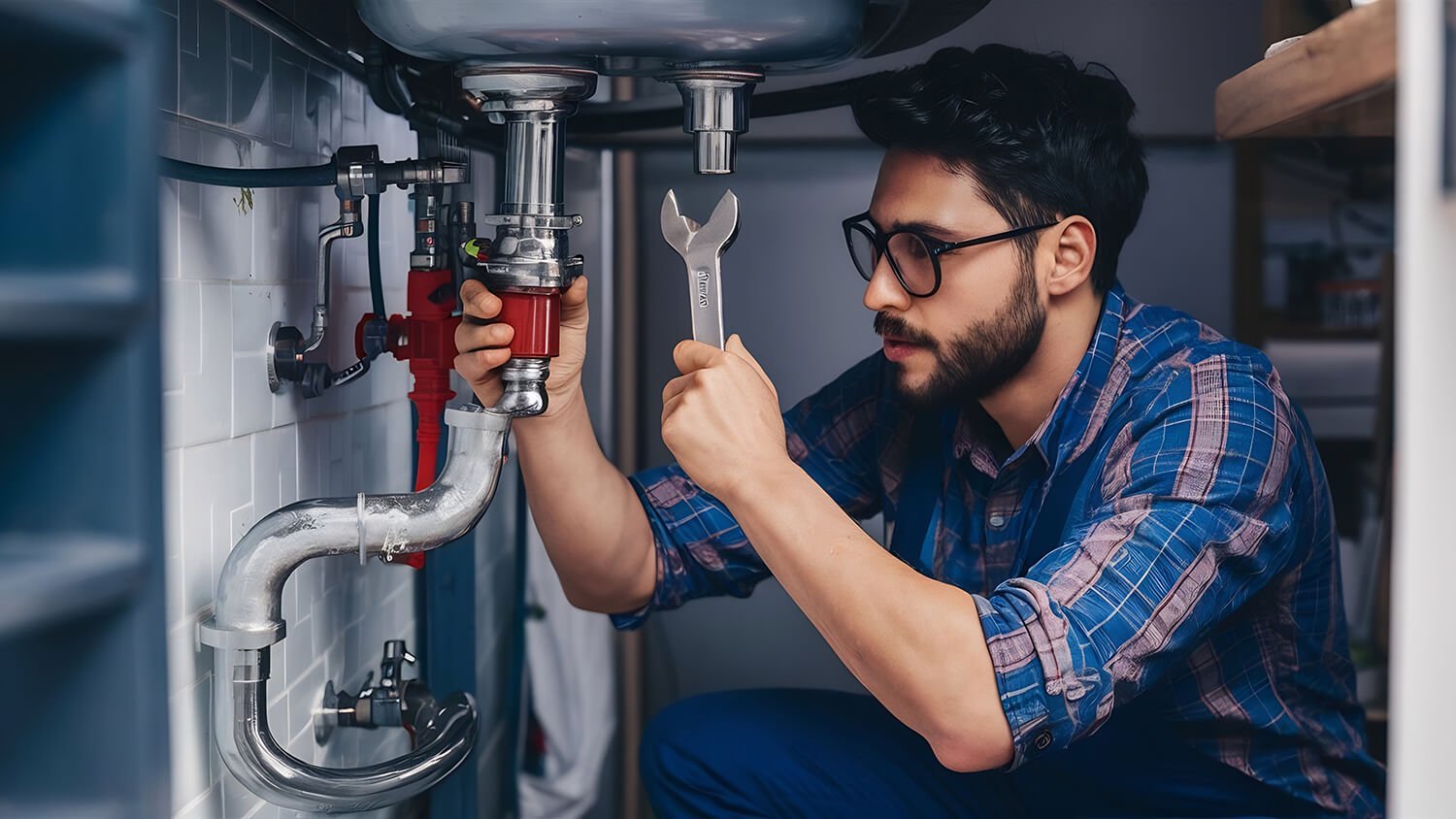
Finding a reliable plumber in Seattle isn’t as straightforward as it might seem. The city’s unique mix of older homes, modern developments, and constant exposure to moisture creates plumbing conditions that demand real experience—not just basic service. Many homes, especially in areas like Capitol Hill and Ballard, still rely on aging pipe systems that are more prone to corrosion, slow leaks, and unexpected failures. Add Seattle’s frequent rainfall and shifting ground conditions, and plumbing problems here tend to escalate faster than homeowners expect.
What makes things more challenging is that not all plumbers are equipped to handle these local realities. Some are great for quick fixes like drain cleaning, while others specialize in complex issues like sewer line repair or emergency plumbing situations. Choosing the wrong one can lead to repeated problems, higher costs, or temporary fixes that don’t last.
This guide is built to help you avoid that. Instead of listing names without context, it breaks down what each plumber is actually known for, how they typically price their work, and why homeowners in Seattle consider them. Whether you’re dealing with a sudden issue or planning ahead, the goal here is simple—help you make a confident, well-informed decision based on real-world insight.
What This Page Covers
ToggleTop 10 Plumbers in Seattle
Seattle homeowners deal with a wide range of plumbing issues—from slow drains in older homes to urgent sewer backups during heavy rain. That’s why choosing a plumber here isn’t just about availability—it’s about finding someone who understands local conditions, building types, and recurring problems specific to the area. The plumbers listed below are known for handling real-world Seattle plumbing situations, whether it’s emergency plumbing, drain cleaning, or more complex sewer line repair work.
1. Beacon Plumbing
Beacon Plumbing is one of the most recognized names in Seattle, especially when it comes to handling urgent plumbing issues. They’ve built a reputation around fast response times and their ability to deal with high-pressure situations like burst pipes, backed-up drains, and sudden water heater failures. In a city where heavy rain and aging pipes can quickly turn minor issues into emergencies, their availability makes them a common first call for many homeowners.
They tend to handle a wide range of services, from basic drain cleaning to more complex plumbing repairs, which makes them suitable for homeowners who prefer one company for everything. While they may not always be the lowest-cost option, their consistency and structured service approach appeal to those who want reliability over experimentation.
Approximate Pricing
- Drain cleaning: $150 – $350
- Emergency plumbing: $250 – $600+
- Water heater repair/replacement: $800 – $3,500
Why Homeowners Consider Them
- Strong presence for emergency plumbing situations
- Handles both small and large jobs reliably
- Structured service process (less guesswork for homeowners)
- Consistent availability across Seattle
- Familiar with older home plumbing issues
2. Fox Plumbing & Heating
Fox Plumbing & Heating is a long-established Seattle company known for handling both everyday plumbing issues and more technical system-level work. What sets them apart is their ability to deal with older plumbing systems—something that’s common across many Seattle neighborhoods. Homes with outdated piping, recurring leaks, or inconsistent water pressure often require a more diagnostic approach, and that’s where they tend to be a better fit.
They’re also known for combining plumbing with heating expertise, which can be useful in homes where systems overlap, especially during colder months. Instead of quick fixes, their work often leans toward identifying root causes—whether it’s a hidden pipe issue, buildup inside lines, or early signs of sewer line problems. This makes them a practical option for homeowners who want long-term solutions rather than repeated service calls.
Approximate Pricing
- Drain cleaning: $175 – $400
- General plumbing repairs: $200 – $600
- Sewer line repair/inspection: $1,500 – $6,000+
Why Homeowners Consider Them
- Strong experience with older Seattle homes
- Focus on diagnosing root causes, not just symptoms
- Handles both plumbing and heating-related systems
- Reliable for recurring or complex plumbing issues
- Good fit for homeowners dealing with long-term problems
Website
https://www.foxph.com/
3. Best Plumbing
Best Plumbing has built a reputation in Seattle for handling plumbing issues that go beyond simple fixes. They are often called in when homeowners are dealing with persistent drain problems, sewer line concerns, or plumbing systems that haven’t been properly maintained for years. In a city where tree root intrusion and aging underground pipes are common, their experience with sewer and excavation-related work makes them a practical choice.
Unlike companies focused mainly on quick service calls, they tend to approach jobs with a more investigative mindset. This is especially useful when issues like repeated backups or slow drainage aren’t clearly linked to a single cause. Their team often handles camera inspections, deeper cleaning, and structural pipe problems, which makes them more suitable for homeowners dealing with underlying system failures rather than surface-level issues.
Approximate Pricing
- Drain cleaning: $200 – $450
- Sewer camera inspection: $250 – $600
- Sewer line repair/replacement: $2,000 – $8,000+
Why Homeowners Consider Them
- Strong focus on sewer line repair and diagnostics
- Handles recurring and complex drain issues effectively
- Equipped for deeper inspection (camera + excavation work)
- Good option for older properties with hidden pipe problems
- Suitable for long-term fixes rather than temporary solutions
4. 2 Sons Plumbing, Sewer, Electric & Heating
2 Sons Plumbing is known in Seattle for handling a wide mix of residential plumbing issues, especially in homes that need both immediate fixes and system upgrades. They’re often called when homeowners are dealing with problems that aren’t isolated—like recurring drain clogs, aging pipes, or inconsistent water pressure across different parts of the house. Their broader service range (including sewer and electrical work) makes them useful when plumbing issues overlap with other home systems.
They tend to be a good fit for homeowners who want a more organized, process-driven approach rather than trial-and-error repairs. In many Seattle homes—especially those with older infrastructure—plumbing issues are rarely standalone. Their ability to assess the full system helps reduce repeated service calls, which is something homeowners often struggle with when dealing with ongoing issues.
Approximate Pricing
- Drain cleaning: $180 – $400
- Emergency plumbing: $250 – $650+
- Sewer line repair/replacement: $2,500 – $9,000+
Why Homeowners Consider Them
- Handles multi-system issues (plumbing + sewer + electrical overlap)
- Structured diagnostic approach for recurring problems
- Suitable for both emergency and planned upgrades
- Strong option for homes with aging infrastructure
- Reduces repeat issues by addressing system-wide causes
5. Southwest Plumbing
Southwest Plumbing is a Seattle-based company that many homeowners turn to for routine plumbing work and smaller-scale repairs that still require attention to detail. They are often a good fit for issues like slow drains, fixture replacements, minor leaks, and general maintenance—situations where you don’t necessarily need a large company, but still want reliable work done properly.
In a city like Seattle, where a lot of plumbing problems start small and worsen over time due to moisture and pipe wear, having a plumber who focuses on preventative work can make a noticeable difference. They tend to handle residential jobs with a more straightforward approach, which appeals to homeowners who want clear communication and predictable outcomes without overcomplicating the job.
Approximate Pricing
- Drain cleaning: $150 – $300
- Leak repair: $180 – $500
- Fixture installation (faucets, toilets): $200 – $600
Why Homeowners Consider Them
- Good for routine plumbing and maintenance work
- Straightforward service approach (less upselling)
- Reliable for smaller jobs that still need proper handling
- Suitable for early-stage plumbing issues
- Helps prevent small problems from becoming costly repairs
6. Gene Johnson Plumbing & Heating
Gene Johnson Plumbing & Heating is a long-standing Seattle company known for handling a wide range of residential plumbing needs, from routine maintenance to more complex system repairs. They’re often chosen by homeowners who want a structured, professional approach—especially in homes where plumbing systems have evolved over time with multiple upgrades or partial replacements.
One area where they stand out is consistency. Instead of focusing only on quick fixes, they tend to evaluate how different parts of the plumbing system interact, which is important in Seattle homes where old and new piping often coexist. Whether it’s recurring drain issues, water heater concerns, or early signs of sewer line trouble, their approach leans toward stability and long-term performance rather than temporary solutions.
Approximate Pricing
- Drain cleaning: $175 – $375
- General plumbing repairs: $200 – $650
- Water heater repair/replacement: $900 – $3,800
Why Homeowners Consider Them
- Strong track record with residential plumbing systems
- Focus on long-term system reliability
- Handles both minor and complex plumbing issues
- Good fit for homes with mixed old and new piping
- Consistent service experience across different job types
7. Green House Plumbing & Heating
Green House Plumbing & Heating is often considered by Seattle homeowners who are looking for a more detail-focused and environmentally conscious approach to plumbing. In a city where sustainability and efficiency are a growing priority, they tend to handle jobs with an emphasis on long-term water usage, system efficiency, and modern upgrades rather than just immediate fixes.
They are frequently called for projects involving system improvements—such as upgrading older piping, improving water efficiency, or installing newer fixtures and water heaters. This makes them a good fit for homeowners who are not just reacting to a problem but also looking to improve how their plumbing system performs over time. Their work often aligns well with newer homes or renovated properties, but they also handle older systems that need thoughtful upgrades.
Approximate Pricing
- Drain cleaning: $180 – $400
- Water heater installation: $1,200 – $4,000
- Plumbing system upgrades: $2,000 – $10,000+
Why Homeowners Consider Them
- Focus on efficient and long-term plumbing solutions
- Suitable for upgrades and modern plumbing systems
- Strong approach to water efficiency and sustainability
- Good fit for renovation or system improvement projects
- Handles both problem-solving and performance upgrades
8. Seatown Electric Plumbing Heating & Air
Seatown is a larger service company in Seattle that handles plumbing along with electrical and HVAC systems, which makes them a practical option when plumbing issues are connected to broader home systems. Many Seattle homes—especially newer builds or renovated properties—have integrated systems, so problems like water heater failures or pressure issues can overlap with electrical or heating components.
They’re often chosen by homeowners who want a more streamlined experience, especially during larger repairs or upgrades. Instead of coordinating between multiple contractors, having one company manage everything can reduce delays and miscommunication. While they handle routine jobs like drain cleaning and leak repairs, they are also well-equipped for system-level work, including water heaters and whole-home upgrades.
Approximate Pricing
- Drain cleaning: $180 – $400
- Emergency plumbing: $300 – $700+
- Water heater installation: $1,200 – $4,500
Why Homeowners Consider Them
- Handles plumbing alongside electrical and HVAC systems
- Good fit for integrated home system issues
- Suitable for both repairs and full system upgrades
- Organized service approach for larger projects
- Reduces need to coordinate multiple contractors
9. Ally Plumbing
Ally Plumbing is a smaller, locally focused company that many Seattle homeowners consider when they want a more direct and personalized service experience. Unlike larger companies with layered processes, they tend to offer a more hands-on approach, which can be helpful for homeowners who want clear communication and a better understanding of what’s actually going on with their plumbing system.
They are often called for common residential issues like clogged drains, leaking pipes, and fixture replacements, but they also handle more detailed work when needed. In neighborhoods with older homes, where plumbing problems don’t always have obvious causes, their approach of walking homeowners through the issue step-by-step can make a difference. This makes them a good option for those who prefer clarity and involvement rather than a quick in-and-out service call.
Approximate Pricing
- Drain cleaning: $150 – $300
- Leak repair: $180 – $500
- General plumbing services: $200 – $600
Why Homeowners Consider Them
- More personalized and direct communication
- Good for homeowners who want clarity on the problem
- Suitable for small to mid-level residential plumbing issues
- Hands-on approach rather than process-heavy service
- Reliable for routine repairs and maintenance
10. Fischer Plumbing
Fischer Plumbing is often considered by Seattle homeowners who are dealing with more complex or persistent plumbing problems that require careful diagnosis. They are known for handling situations where standard fixes haven’t worked—such as recurring drain backups, hidden leaks, or deeper system inefficiencies. In a city with many older homes and layered plumbing upgrades over time, this type of problem-solving approach becomes especially valuable.
Their work typically leans toward identifying root causes rather than applying quick fixes. Whether it’s a sewer line issue caused by tree roots or internal pipe deterioration, they focus on understanding what’s happening behind the scenes. This makes them a good fit for homeowners who are tired of repeated service calls and want a more permanent solution, even if it involves more detailed inspection or repair work upfront.
Approximate Pricing
- Drain cleaning: $200 – $400
- Sewer line inspection: $300 – $700
- Major plumbing repairs: $1,500 – $7,500+
Why Homeowners Consider Them
- Strong focus on diagnosing complex plumbing issues
- Suitable for recurring or unresolved problems
- Experienced with sewer line and hidden pipe issues
- Helps reduce repeat repairs through deeper analysis
- Good option for long-term plumbing reliability
Seattle-Specific Plumbing Challenges
Seattle’s plumbing problems aren’t random—they’re heavily influenced by the city’s climate, terrain, and housing history. If you’ve lived here long enough, you’ve probably noticed that issues like slow drains, backups, or hidden leaks tend to repeat. That’s because many of these problems are tied to conditions that don’t change easily.
One of the biggest factors is constant moisture and rainfall. Seattle’s wet climate puts continuous pressure on drainage systems, both inside homes and in underground sewer lines. When the ground stays saturated, it becomes easier for water to seep into weak points in pipes or overwhelm older drainage systems. This is why basement flooding and slow-draining fixtures are more common here than in drier cities.
Another major issue is aging infrastructure, especially in neighborhoods with older homes. Many properties still have galvanized steel or aging cast iron pipes, which corrode over time from the inside. This doesn’t just reduce water flow—it can also lead to hidden leaks, discolored water, and sudden pipe failures. The challenge is that these problems often build slowly, so homeowners don’t notice until the issue becomes serious.
Then there’s tree root intrusion, which is one of the most common causes of sewer line problems in Seattle. The city’s greenery is great for curb appeal, but tree roots naturally seek out moisture—and sewer lines are an easy target. Over time, roots can enter small cracks in pipes and expand, eventually causing blockages or even full collapses. This is a frequent reason behind repeated drain backups that don’t respond to standard drain cleaning.
Seattle’s mix of building types adds another layer of complexity. High-rise buildings in downtown areas deal with shared plumbing systems and pressure imbalances, while older homes often have outdated layouts that make repairs more difficult. Newer homes, on the other hand, may include modern plumbing systems that require different tools and expertise.
Finally, while Seattle isn’t known for extreme cold, seasonal temperature drops can still cause pipes to contract and expand. In poorly insulated homes, this can lead to cracks or minor leaks that go unnoticed until they cause visible damage.
Common real-world issues homeowners face:
- Recurring drain clogs that keep coming back
- Basement or lower-level water intrusion after heavy rain
- Slow water pressure due to pipe corrosion
- Sewer line backups caused by tree roots
- Hidden leaks inside walls or under floors
The key takeaway is simple: plumbing problems in Seattle are rarely isolated. They’re usually part of a bigger system issue influenced by the environment. That’s why quick fixes often don’t last—and why understanding these local challenges can help you make better decisions when something goes wrong.
Plumbing Services Across Seattle and Nearby Areas
Plumbing conditions in Seattle can vary significantly depending on the neighborhood. The type of buildings, age of infrastructure, and even elevation or distance from the city center all influence the kind of plumbing problems homeowners face. Understanding these differences helps in choosing the right approach—and the right plumber—for your specific situation.
Downtown Seattle
Downtown Seattle is dominated by high-rise buildings and multi-unit properties, which means plumbing systems are often shared across multiple floors. This creates unique challenges such as pressure imbalances, slow drainage due to vertical piping, and dependency on centralized systems.
When issues arise here, they tend to affect more than one unit at a time. Repairs often require coordination with building management, and access to pipes can be limited. This makes even routine services like drain cleaning or leak repair more complex than in standalone homes.
Capitol Hill
Capitol Hill has a large number of older homes and converted properties, many of which still rely on aging plumbing systems. Galvanized pipes, outdated layouts, and previous patchwork repairs are common here.
Homeowners in this area often deal with recurring issues like slow drains, inconsistent water pressure, and hidden leaks. Plumbing work here usually requires a careful approach—simple fixes rarely last unless the underlying system is properly evaluated and upgraded where needed.
Ballard
Ballard is a mix of older homes and newer developments, which creates a wide range of plumbing conditions. Some homes face traditional issues like pipe corrosion and sewer line wear, while newer constructions deal with modern system setups and efficiency expectations.
One common issue in Ballard is sewer line problems due to tree roots and aging underground infrastructure. Drain cleaning and sewer line repair are frequently needed, especially in properties that haven’t had recent inspections.
West Seattle
West Seattle presents a slightly different challenge due to its geographic separation from the main city. Plumbing services can sometimes take longer to reach certain areas, especially during peak demand or emergencies.
Homes here may also deal with drainage issues related to elevation and slope, particularly during heavy rainfall. Water flow and runoff can impact both outdoor drainage and internal plumbing systems, making preventative maintenance more important.
Bellevue
Bellevue is known for newer homes and modern construction, which means plumbing systems are generally more up-to-date. However, this also comes with higher expectations for performance and efficiency.
Homeowners here often look for services related to system upgrades, smart plumbing installations, and high-efficiency water heaters. While major structural issues are less common than in older Seattle neighborhoods, precision and proper installation matter more, especially for long-term reliability.
Across all these areas, one thing remains consistent: plumbing issues in Seattle are heavily influenced by location-specific factors. What works in a newer Bellevue home may not apply to an older Capitol Hill property. That’s why understanding your area’s plumbing conditions can help you avoid unnecessary repairs and choose solutions that actually last.
How to Choose the Right Plumber in Seattle
Choosing a plumber in Seattle isn’t just about who can arrive the fastest or offer the lowest quote. Because of the city’s mix of aging infrastructure, moisture-heavy conditions, and varied building types, the right choice often comes down to how well a plumber understands local realities—not just general plumbing work.
One of the first things to look for is experience with Seattle-specific issues. A plumber who regularly works in older neighborhoods will immediately recognize signs of pipe corrosion, root intrusion, or hidden leaks that others might overlook. In many cases, the difference between a temporary fix and a long-term solution comes down to this level of familiarity.
Another key factor is emergency availability. Plumbing issues in Seattle—especially during heavy rain—can escalate quickly. A slow drain can turn into a backup, and a minor leak can cause structural damage if left unresolved. Having access to reliable emergency plumbing services can prevent small problems from becoming expensive repairs.
Pricing transparency is where many homeowners make mistakes. Vague estimates or unusually low quotes often lead to unexpected costs later. A reliable plumber will explain what’s included, what might change based on findings, and how pricing is structured. This becomes especially important for services like sewer line repair, where hidden conditions can affect the final cost.
Familiarity with your type of home also matters.
- Older homes may require careful handling and partial system upgrades
- Newer homes may involve modern systems that need specific tools and knowledge
- Multi-unit buildings often require coordination and shared system awareness
Choosing someone who regularly works with your type of property reduces the chances of misdiagnosis or incomplete repairs.
Common mistakes homeowners make:
- Choosing the cheapest option without understanding the scope
- Ignoring early warning signs like slow drains or minor leaks
- Hiring for speed instead of long-term reliability
- Not asking about root causes of recurring issues
Red flags to watch for:
- No clear explanation of the problem
- Pricing that changes without justification
- Pushy recommendations for unnecessary work
- Lack of interest in inspecting the full system
The best approach is to think beyond the immediate issue. A good plumber doesn’t just fix what’s visible—they help you understand what caused it and how to prevent it from happening again. In a city like Seattle, where plumbing problems are often interconnected, this kind of thinking can save you time, money, and repeated frustration.
Average Plumbing Cost in Seattle
Plumbing costs in Seattle tend to be higher than the national average, and there’s a reason for that. It’s not just labor rates—it’s the complexity of the work. Between older homes, difficult access points, moisture-related damage, and stricter building standards, even a “simple” job can take more time and effort than expected.
Let’s break down what homeowners typically see.
Drain Cleaning
Drain cleaning is one of the most common services, especially in homes dealing with buildup from grease, hair, or debris.
- Typical cost: $150 – $400
- More complex blockages: $400 – $700+
Costs increase when:
- The clog is deep in the system (not just near the fixture)
- Multiple drains are affected (possible main line issue)
- Equipment like hydro jetting is required instead of basic snaking
In Seattle, recurring clogs often point to deeper problems like pipe buildup or early-stage sewer line issues, which is why prices can vary.
Emergency Plumbing
Emergency plumbing costs can vary widely depending on the urgency and time of service.
- Typical emergency visit: $250 – $600+
- After-hours or weekend calls: $400 – $900+
Why it costs more:
- Immediate response requirement
- Limited availability during peak times (storms, winter issues)
- Temporary fixes vs full repairs may be needed in stages
For example, a burst pipe during heavy rain can require immediate containment first, followed by a more detailed repair later—adding to total cost.
Sewer Line Repair
This is where costs increase significantly, especially in Seattle.
- Minor repair: $1,500 – $4,000
- Major repair/replacement: $4,000 – $10,000+
Key cost factors:
- Depth and accessibility of the pipe
- Tree root intrusion damage
- Whether excavation is required
- Pipe material (old clay, cast iron vs newer materials)
Seattle’s tree coverage and aging underground systems make sewer line repair one of the most common—and expensive—plumbing jobs homeowners face.
Why Costs Vary So Much in Seattle
Several local factors directly impact pricing:
- Older infrastructure → More time spent diagnosing and repairing
- Access difficulty → Pipes behind walls, under floors, or underground
- Permit and inspection requirements → Adds time and cost to major work
- Moisture-related complications → Hidden damage or mold risks
- Urgency → Emergency work always carries a premium
Hidden Cost Factors Homeowners Often Miss
- Initial issue may reveal deeper system problems
- Temporary fixes may require follow-up repairs
- Poor past repairs can increase current job complexity
- Water damage cleanup is usually separate from plumbing costs
The key thing to understand is that plumbing pricing in Seattle is rarely fixed upfront. Most costs depend on what’s discovered during the job. That’s why clear communication and proper inspection matter more than chasing the lowest estimate—because in many cases, the cheapest option ends up costing more over time.
When to Call a Professional Plumber
Many plumbing problems don’t start as emergencies—they build slowly. A slightly slow drain, a faint smell, or a small leak might not seem urgent at first. But in Seattle, where moisture and aging systems already put stress on plumbing, these small signs often lead to bigger issues if ignored.
One of the clearest signs it’s time to call a professional is recurring problems. If you’ve unclogged the same drain multiple times or noticed water backing up occasionally, it usually means the issue is deeper in the system. Basic drain cleaning might provide temporary relief, but it won’t fix underlying causes like buildup, pipe damage, or early sewer line issues.
Another situation where professional help is necessary is slow drainage across multiple fixtures. If your sink, shower, and toilet are all draining slowly, it’s often a sign of a main line blockage rather than an isolated clog. This is especially common in Seattle due to tree root intrusion and aging underground pipes.
Warning signs you shouldn’t ignore:
- Water backing up into sinks, tubs, or lower-level drains
- Gurgling noises when water drains
- Persistent sewer or musty odors
- Sudden drops in water pressure
- Damp spots on walls, floors, or ceilings
These are not surface-level issues—they usually indicate something deeper that requires proper inspection.
There’s also a clear line between DIY and professional work.
- DIY works for: minor clogs, basic maintenance, simple fixture replacements
- Professional help is needed for: repeated issues, hidden leaks, sewer problems, or anything involving internal piping
Trying to fix complex issues without the right tools or understanding often leads to more damage. For example, using chemical cleaners repeatedly can weaken pipes, especially in older Seattle homes.
What happens if you delay:
- Small leaks can turn into structural water damage
- Blockages can lead to full sewer backups
- Moisture buildup can create mold issues
- Repair costs increase as the problem spreads
Seattle’s climate adds urgency. Heavy rain and saturated ground conditions can amplify plumbing failures, especially in basements or lower-level units. What might seem like a manageable issue during dry periods can quickly escalate when external pressure increases.
The bottom line is simple: if a plumbing issue is repeating, spreading, or affecting multiple parts of your home, it’s no longer a small problem. Acting early doesn’t just fix the issue—it prevents a much bigger and more expensive situation later.
Final Thoughts
Plumbing in Seattle isn’t something you can treat casually. The combination of older homes, constant moisture, and complex underground systems means that even small issues often have deeper causes. What looks like a simple clog or minor leak is frequently a sign of a larger problem developing behind the scenes.
The biggest mistake homeowners make is focusing only on the immediate fix. A quick drain cleaning might solve the symptom, but if the root cause—like pipe buildup, corrosion, or early sewer line damage—is ignored, the problem will return. Over time, this leads to repeated service calls, higher costs, and more disruption.
The better approach is to think in terms of long-term reliability rather than short-term relief. That means paying attention to early warning signs, understanding how your plumbing system behaves, and choosing professionals who look beyond surface-level issues. In Seattle, where conditions naturally put more strain on plumbing systems, this mindset makes a noticeable difference.
It’s also important to match the plumber to the problem. Not every situation requires a large service company, and not every issue can be handled with a basic repair. Some situations need detailed inspection, while others benefit from straightforward maintenance. Knowing the difference helps you avoid overpaying or under-solving the issue.
At the end of the day, the goal isn’t just to fix a problem—it’s to prevent it from happening again. When you approach plumbing decisions with that mindset, you reduce stress, avoid unexpected costs, and maintain a system that works reliably over time.