
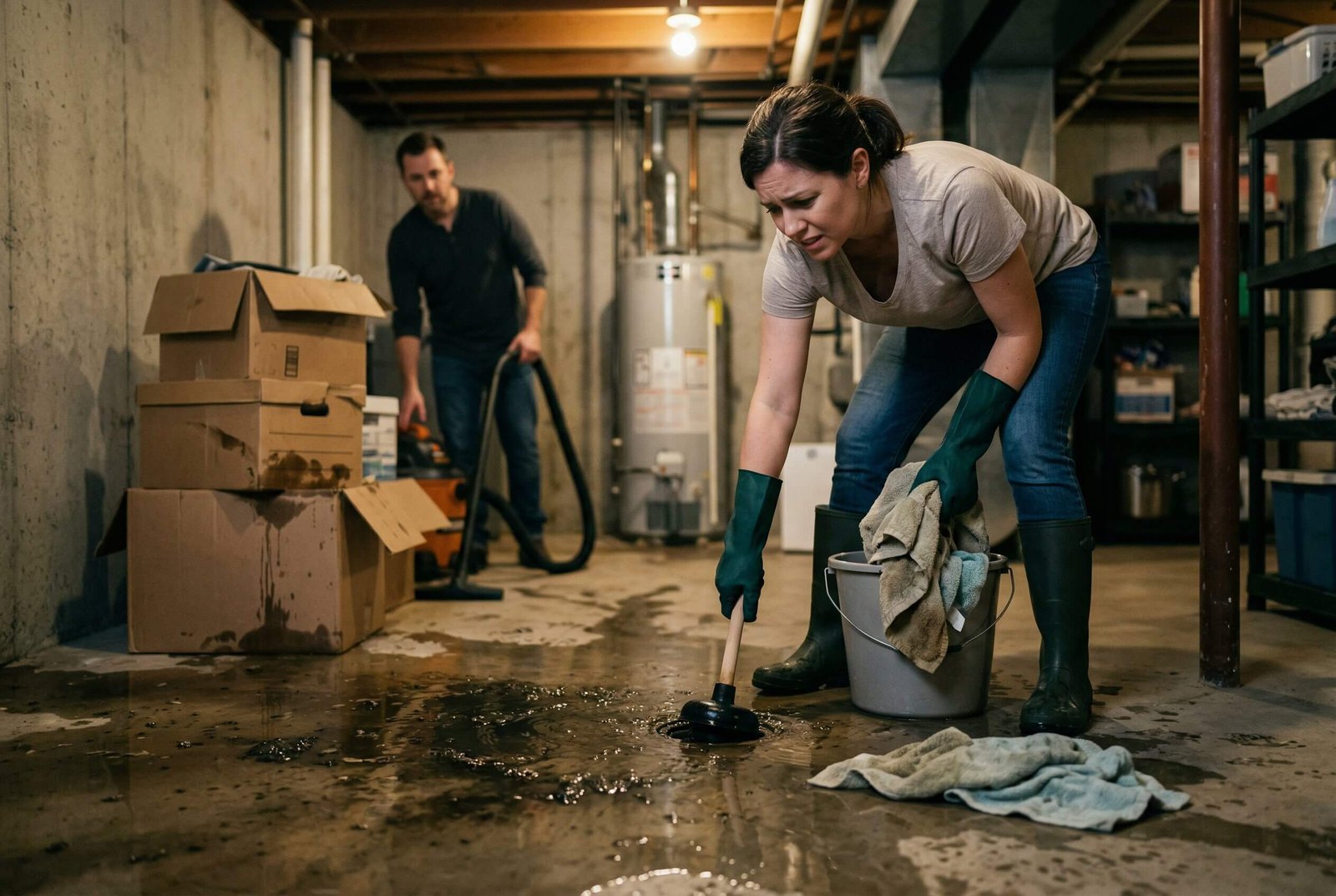
A sewer drain backup is one of the most serious emergencies a homeowner can face because it involves more than just water—it involves wastewater being forced back into your home. Unlike a typical clogged drain that slows things down, a sewer backup means the main pathway that carries all waste out of the house is no longer working properly. When that happens, water doesn’t just stop—it reverses direction and looks for the easiest place to come out, which is often inside your home.
What makes this situation more severe than other drain issues is how quickly it escalates. Once the main line is blocked, every use of water anywhere in the house adds pressure to the system. That pressure has nowhere to go, so it pushes wastewater up through the lowest drains—basement floor drains, showers, tubs, or even toilets. In many cases, homeowners first notice the problem in areas they don’t use often, which delays response and allows the situation to worsen.
Another critical factor is contamination. Sewer backups are not clean-water events. The water involved may contain waste, bacteria, and debris from inside the drainage system. Once it enters your living space, it can spread quickly across floors and into materials that absorb moisture. This turns a plumbing issue into a sanitation and damage-control situation almost immediately. The longer the water remains, the more difficult cleanup becomes and the greater the risk to both the home and the people in it.
The first few minutes during a sewer backup matter more than most people realize. Many homeowners instinctively try to fix the problem right away—flushing again, running water to check, or attempting quick solutions. In a sewer backup, these actions usually make things worse by increasing system pressure and forcing more contaminated water into the home. Acting quickly is important, but acting correctly is what actually limits damage.
The goal in a sewer drain backup emergency is not to solve the entire problem on your own. It is to stop the situation from escalating, contain the affected area, and avoid actions that increase risk. Once the situation is stable, it becomes much easier to determine the cause and take the right next steps. Staying calm, understanding what is happening, and following a clear response process is what keeps this type of emergency manageable.
What This Page Covers
ToggleWhat Counts as a Sewer Drain Backup Emergency
Not every clogged drain is a sewer backup, but when the main drainage system fails, the situation changes completely. A sewer drain backup emergency is defined by how the system behaves, not just by the presence of a clog. The key difference is that wastewater is no longer leaving the home properly and is instead being forced back inside through multiple points.
Understanding this distinction helps you avoid underestimating a serious problem or overreacting to a minor one. Sewer backups follow clear patterns, and once you know what to look for, it becomes much easier to recognize when the situation requires immediate action.
Difference Between a Regular Drain Issue and Sewer Backup
A regular drain issue is usually isolated. One sink, one toilet, or one shower may clog, but the rest of the house continues to function normally. Water may drain slowly or temporarily stop, but it does not affect other fixtures or cause widespread disruption.
A sewer backup, on the other hand, involves the main line—the central pipe that carries all wastewater out of your home. When this line is blocked, water from every fixture has nowhere to go. Instead of draining away, it begins to move backward through the system.
This is why sewer backups rarely stay confined to one location. You might start with a slow drain, but as pressure builds, water begins to appear in other fixtures. The system becomes interconnected in a way it normally isn’t, and that’s what turns the situation into an emergency.
Signs That Confirm a Sewer Backup Emergency
There are specific signs that clearly indicate you are dealing with a sewer drain backup rather than a simple clog. These signs reflect system-wide failure rather than a localized issue.
- Wastewater coming up through floor drains, tubs, or showers
- Multiple fixtures backing up or draining poorly at the same time
- Toilets bubbling, rising, or reacting when other fixtures are used
- Strong sewage odor inside the home
- Water appearing in the lowest drains first, especially in basements
These are not warning signs—they are confirmation that the main drainage system is compromised. At this point, the situation should be treated as urgent.
Situations That Require Immediate Action
Some sewer backup scenarios allow a short window to stabilize the situation, but others require immediate response without delay. The level of urgency depends on how active and widespread the backup is.
Situations that demand immediate action include:
- Active overflow of contaminated water onto floors
- Sewage backing up through basement or floor drains
- Rapid spread of water into multiple rooms
- Repeated backups occurring within a short period
- Any backup that worsens when water is used elsewhere in the house
In these cases, the system is already under pressure and failing to contain wastewater. Waiting or attempting multiple fixes increases both damage and risk.
The defining factor of a sewer drain backup emergency is loss of control. Once wastewater starts moving back into the home or affecting multiple fixtures, the situation has moved beyond a simple clog. Recognizing this early allows you to act quickly, avoid costly mistakes, and limit how far the problem spreads.
Most Common Sewer Backup Emergency Situations
Sewer drain backups tend to follow very specific patterns inside a home. These patterns are not random—they reflect how wastewater behaves when the main line is blocked. Recognizing these situations quickly helps you understand how serious the problem is and where it is likely coming from. In most cases, the location of the backup and how other fixtures respond will tell you whether the entire system is affected.
Sewage Coming Up Through Basement Floor Drain
This is one of the most common and serious sewer backup scenarios. Basement floor drains sit at the lowest point in the home’s plumbing system, which makes them the first place wastewater appears when the main line is blocked. As pressure builds, water is pushed backward and rises through this drain before reaching higher fixtures.
Homeowners often notice this after using water upstairs—such as running a washing machine or taking a shower—only to find dirty water pooling on the basement floor. This situation usually means the blockage is already significant. The risk here is not just the backup itself, but the speed at which contaminated water can spread across flooring, stored items, and structural areas.
Toilet Overflow Linked to Main Line Blockage
A toilet overflow becomes much more serious when it is connected to a sewer backup rather than a simple clog. In these cases, the toilet doesn’t just overflow once—it reacts unpredictably. You may see water rising without flushing, or the level changing when other fixtures are used.
Flushing the toilet often makes the situation worse instead of better. That’s because the water has nowhere to go, and each flush adds more volume into an already blocked system. This type of overflow is a strong indicator that the issue is not local to the toilet but part of a larger problem in the main drainage line.
Sewage Backing Up Into Shower or Bathtub
When wastewater starts appearing in a shower or bathtub, it is often an early or mid-stage sign of a sewer backup. These fixtures are connected in a way that allows water to reroute when the main path is blocked, which is why they frequently show symptoms before a full overflow occurs elsewhere.
You might notice dirty water pooling in the tub when using a sink or flushing a toilet. In some cases, the water drains slowly but returns after a short time. This behavior indicates that the system is struggling to move water out and is beginning to push it back into the home through alternate routes.
Multiple Fixtures Backing Up at Once
One of the clearest signs of a sewer backup emergency is when several fixtures begin to fail at the same time. A sink may drain slowly, a toilet may bubble or rise, and a shower may hold water—all within a short period.
This happens because all fixtures are connected to the same main line. When that line is blocked, pressure affects the entire system. The more water that is used, the more widespread the backup becomes. This type of situation rarely resolves on its own and usually requires immediate attention to prevent further escalation.
Outdoor Sewer Backup Affecting the Home
Not all sewer backups start inside the house. In some cases, the first sign appears outside—through a yard drain, sewer cleanout, or exterior pipe. When these overflow, it often means the blockage is significant enough to push wastewater out before it even reaches indoor fixtures.
This can quickly become an indoor problem if the water begins to move toward the home’s foundation or entry points. Basement walls, lower-level doors, and other openings can allow water to enter, leading to interior flooding. Because it starts outside, this type of backup is sometimes noticed later than it should be, increasing the risk of damage.
Each of these situations reflects how a blocked sewer line behaves under pressure. The more fixtures involved and the lower the point of backup, the more serious the situation becomes. Recognizing these patterns early allows you to respond quickly and avoid actions that could make the problem worse.
Warning Signs Before a Sewer Backup Emergency
Sewer drain backups rarely happen without warning. In most homes, the system gives clear signals that something is wrong well before wastewater starts coming back inside. The problem is that these signals are often subtle at first, easy to ignore, or mistaken for minor clogs. Recognizing them early gives you a chance to act before the situation turns into a full sewer backup emergency.
Early Signs Most Homeowners Miss
The earliest indicators usually appear as small changes across more than one fixture. A sink may drain a little slower than usual, a shower might take longer to clear, or a toilet may not flush as smoothly as it once did. Individually, these issues don’t feel urgent, but when they start appearing together, they point to a developing restriction in the main drainage line.
Another commonly missed sign is a faint sewage smell that comes and goes. This odor is not always strong at first, but it suggests that wastewater is not moving efficiently through the system. It may seem temporary, but it often returns as the blockage worsens. These early signs are your first opportunity to address the issue before pressure begins to build.
Escalation Indicators
As the blockage becomes more significant, the system starts to behave in ways that are harder to overlook. One of the most noticeable changes is sound. Gurgling noises in sinks, toilets, or tubs indicate that air is being displaced irregularly because water is struggling to move through the pipes.
You may also notice changes in water levels. A toilet bowl might rise or fall slightly after using another fixture, or water may hesitate before draining. These changes reflect pressure fluctuations inside the system. At this stage, the drainage line is no longer functioning normally, and the risk of backup is increasing quickly.
System-Wide Behavior Patterns
The clearest sign of a developing sewer backup is when fixtures begin to affect each other. In a healthy system, each drain works independently. When there is a blockage in the main line, they become interconnected in abnormal ways.
For example, running a sink might cause bubbling in a nearby toilet, or flushing a toilet might lead to water appearing in a bathtub. Another strong indicator is activity in lower-level drains. If water shows up in a basement or floor drain after using fixtures upstairs, it means wastewater is being pushed backward through the system.
These patterns are not random—they are direct evidence that the main drainage path is restricted. Once this behavior starts, the system is already under pressure, and a full sewer backup emergency may follow if no action is taken.
These warning signs are the stage where prevention is still possible. Acting when you notice system-wide changes is far easier than dealing with contaminated water entering your home. The more attention you pay to how your drains behave, the earlier you can respond and avoid escalation.
What to Do Immediately During a Sewer Backup
When a sewer backup starts, the priority is not fixing the blockage—it’s stopping contaminated water from spreading and preventing the situation from escalating. Because this involves wastewater, every action needs to be controlled and deliberate. The system is already under pressure, and small mistakes—like running water or flushing—can quickly make things worse.
Step 1: Stop All Water Use in the House
The first and most critical step is to stop using water completely. This includes sinks, toilets, showers, washing machines, and dishwashers. In a sewer backup, all fixtures feed into the same main line, so any additional water increases pressure and forces more wastewater back into the home.
Even a small action, like rinsing something in the sink or flushing once “to check,” can trigger additional backup. Once you suspect a sewer issue, assume the system cannot handle any more water until it is cleared.
Step 2: Shut Off Main Water Supply if Needed
If the backup is actively rising or continuing despite stopping fixture use, shutting off the main water supply is the safest way to prevent additional flow into the system. This step is especially important if someone in the home might accidentally use water or if the source of flow is unclear.
Turning off the main supply may feel extreme, but in an emergency situation, it helps you regain control. It ensures that no new water enters the system while you contain the existing problem.
Step 3: Avoid All Contact with Contaminated Water
Sewer backup water should always be treated as unsafe. It may contain bacteria, waste, and other contaminants that pose health risks. Direct contact should be avoided as much as possible, especially in areas where water has pooled or spread.
If you need to move within the affected area, limit exposure and avoid touching surfaces unnecessarily. Keeping distance reduces the risk of contamination spreading to other parts of the home.
Step 4: Contain the Spread of Sewage
Once water flow is stopped, focus on limiting how far it spreads. Wastewater that remains in one area is easier to manage than water that moves across multiple rooms or seeps into materials.
Use towels or barriers to block the flow into clean areas. If possible, create a controlled boundary around the affected zone. Avoid pushing water into other spaces while attempting to clean it up. The goal is containment, not full cleanup at this stage.
Step 5: Identify Scope of Backup
After stabilizing the situation, take a moment to understand how widespread the issue is. Look at nearby fixtures without running water. Check for standing water, signs of backup, or unusual smells in other drains.
If multiple fixtures are affected or if water appeared in unexpected places, the problem is likely in the main sewer line. If the issue seems isolated to one area, it may be less severe—but caution is still necessary until confirmed.
Step 6: Prepare for Professional Intervention
Most sewer backups require professional equipment and diagnosis to resolve properly. Once you’ve stopped the flow and contained the situation, the next step is preparing for that intervention rather than continuing trial-and-error fixes.
This includes keeping the area accessible, noting what happened, and avoiding actions that could change the condition of the system before it is inspected. Clear information and a stable environment help resolve the issue faster and more effectively.
In a sewer backup emergency, these steps are about control, not repair. Stopping water, limiting contamination, and understanding the scope of the problem are what prevent the situation from escalating further. Once stabilized, the path forward becomes much clearer and safer.
Safe Emergency Actions Homeowners Can Take
After a sewer backup has been stabilized, the next step is deciding what you can safely do without making the situation worse. This stage requires restraint. Because sewage is involved, the focus is not on clearing the blockage yourself but on controlling the environment, reducing risk, and preventing further spread while waiting for proper resolution.
Surface Containment and Protection
Once the flow of wastewater has stopped, your most useful action is controlling where that water goes next. Even after the initial overflow, small amounts of residual water may continue to spread across floors or seep into nearby areas.
Use absorbent materials to manage this carefully:
- Place towels or barriers to stop water from reaching clean areas
- Absorb standing water instead of pushing it around
- Keep the affected zone clearly separated from the rest of the home
This step helps limit damage and makes cleanup easier later. The key is to contain, not redistribute the water.
Ventilation and Isolation
Sewer backups often bring strong odors and poor air quality into the home. While ventilation can help, it should be done in a controlled way. Opening windows or allowing airflow can reduce discomfort, but the affected area should remain isolated.
Avoid using fans that might spread contamination to other parts of the house. The goal is to improve air conditions locally without carrying particles or odor into unaffected spaces.
Protective Measures
Any time you are near the affected area, basic protection becomes essential. Even brief exposure to contaminated water or surfaces can carry risk if handled carelessly.
Focus on simple, practical precautions:
- Wear gloves when handling anything in the affected zone
- Use footwear that can be cleaned or disinfected
- Avoid direct skin contact with wastewater or damp surfaces
- Wash thoroughly after leaving the area
These measures are not complicated, but they significantly reduce exposure and help keep the situation controlled.
Monitoring Without Disturbing the System
Once the situation is contained, observation becomes more important than action. Watch how the system behaves without introducing new water or disturbing the pipes.
Pay attention to:
- Whether water levels change on their own
- Any signs of additional seepage or slow return of water
- Odor intensity and spread
This information helps confirm whether the system is stabilizing or still under pressure. It also provides useful insight for the next step, especially if professional help is needed.
Safe actions during a sewer backup are limited by design. The goal is not to solve the blockage, but to prevent additional damage and reduce risk while keeping the situation stable. Knowing these limits is what protects both your home and your health during an emergency like this.
Actions to Avoid During a Sewer Backup
During a sewer backup emergency, the system is already under stress and behaving unpredictably. At this point, certain actions that might seem helpful can actually make the situation worse very quickly. Avoiding these mistakes is what keeps the problem contained and prevents additional damage, contamination, and repair complexity.
Do Not Use Any Plumbing Fixtures
One of the most damaging mistakes is continuing to use water anywhere in the house. Even if a fixture appears unaffected, it still feeds into the same main sewer line. Every bit of water added increases pressure in a blocked system and forces more wastewater back into the home.
This includes small actions like rinsing hands, flushing once more, or running appliances. In a sewer backup, there is no “safe” fixture to use. Until the blockage is resolved, all water use should remain completely stopped.
Avoid Chemical Cleaners
Chemical drain cleaners are ineffective in sewer backup situations and introduce unnecessary risk. These products are designed to sit in pipes and break down minor clogs, but in a backed-up system, they often cannot reach the blockage.
Instead, they remain concentrated in standing water or near the overflow point. This creates a hazardous environment during cleanup and can damage pipes if trapped in one area. In an emergency involving contaminated water, adding chemicals complicates the situation without solving the underlying problem.
Do Not Attempt Deep Snaking
Trying to clear a sewer backup with a handheld snake or auger is rarely effective and can make the blockage worse. Main line issues are often caused by heavy buildup, roots, or structural problems that require proper equipment and visibility inside the pipe.
Pushing a tool into the line without knowing what you’re dealing with can compact the blockage further or damage the pipe. It can also give a false sense of progress if temporary movement occurs without actually restoring proper flow.
Avoid Cleanup Without Protection
Sewer backup water should always be treated as contaminated. Attempting to clean it up quickly without protection increases exposure risk. Direct contact with wastewater, especially through skin or accidental ingestion, can lead to health issues.
Cleaning should only begin in a controlled way, using gloves and minimizing contact. Rushing into cleanup without precautions often spreads contamination to other areas of the home and creates more work later.
Do Not Disturb Plumbing Components
Opening pipes, removing traps, or taking apart fixtures during a sewer backup can release additional wastewater unexpectedly. Without knowing where pressure is building inside the system, this can cause sudden spills or make containment more difficult.
There is also a safety concern when working around wet areas, especially near electrical outlets or appliances. What seems like a simple attempt to access the blockage can quickly turn into a more complicated and hazardous situation.
Avoiding these actions is what keeps a sewer backup from escalating further. In this type of emergency, restraint is just as important as action. If a step involves uncertainty, force, or exposure to contaminated conditions, it is usually safer to stop and maintain control rather than proceed.
How to Identify a Main Sewer Line Blockage
In a sewer backup emergency, the most important question is whether the blockage is in the main sewer line or somewhere closer to a single fixture. A main-line blockage affects the entire drainage system and requires a very different response compared to a localized clog. The challenge is that homeowners often treat early symptoms as isolated issues, which delays the correct response.
The key is to observe patterns across the house, not just one drain. Sewer systems behave in predictable ways when the main line is restricted, and those patterns can help you identify the problem quickly.
Multiple Fixture Backup Patterns
One of the strongest indicators of a main sewer line blockage is when several fixtures begin to show problems at the same time. This might not happen all at once—it can start with one slow drain, followed by another, and then progress into visible backups.
You may notice a combination of symptoms, such as a sink draining slowly, a toilet bubbling or rising, and a shower holding water. These are not separate issues. They are connected responses to the same restriction in the main line. When multiple fixtures are involved, the problem is almost never local.
Lowest Drain Overflow Clues
In most homes, the lowest drain acts as a release point when the system is under pressure. This is typically a basement floor drain, a lower-level shower, or a ground-floor fixture. When the main line is blocked, wastewater is pushed backward and emerges from these lowest points first.
If you see water coming up from a basement drain after using water upstairs, it is a clear sign that the blockage is deep in the system. This pattern is one of the most reliable indicators of a main sewer line issue and should be treated as an emergency.
Recurring Backup After Temporary Relief
Sometimes a backup appears to resolve temporarily. Water may drain slowly after plunging or after a short period of inactivity, giving the impression that the problem is gone. However, if the backup returns quickly when water is used again, it means the blockage is still present.
This recurring pattern is common with partial main-line blockages. The system may allow limited flow for a short time, but it cannot handle normal usage. Each recurrence increases pressure and the likelihood of a more severe backup.
Identifying a main sewer line blockage early helps you avoid wasting time on solutions that won’t work. It also prevents actions that could make the situation worse. When the problem involves multiple fixtures, lower-level backups, or repeated overflow, it is almost always a sign that the issue lies deeper in the system and requires a more controlled and informed response.
When DIY Is Not Safe in Sewer Backup Situations
In a sewer drain backup emergency, there is a clear point where trying to fix the problem yourself stops being helpful and starts increasing risk. Because these situations involve contaminated water and system-wide pressure, the margin for error is much smaller than with a typical clogged drain. Recognizing when to step back is what prevents the situation from becoming more severe, more expensive, and harder to resolve.
Any Presence of Sewage Water
The moment wastewater or sewage is involved, the situation moves beyond safe DIY territory. This is not just a plumbing issue—it becomes a health and contamination issue. Even if the amount of water seems small, it can carry bacteria and harmful substances that require careful handling.
Attempting to fix the blockage while exposed to contaminated water increases the risk of spreading it to other areas of the home or coming into direct contact with it. In these cases, the priority should be containment and limiting exposure, not trying to clear the line yourself.
Repeated or Worsening Backups
If the backup returns quickly after a temporary improvement, it means the underlying problem has not been resolved. This is common in main-line blockages where water may drain briefly before backing up again under normal use.
Continuing DIY attempts in this situation often leads to more unpredictable behavior. Each attempt can push the blockage further, increase system pressure, or create new overflow points. Repeated backups are a strong signal that the issue is deeper and requires proper tools and diagnosis.
Suspected Root or Structural Damage
Some sewer backups are caused by issues that cannot be fixed with basic tools. Tree roots can grow into sewer lines, grease can harden into thick buildup, and older pipes can shift or partially collapse. These conditions restrict flow in ways that require specialized equipment to identify and resolve.
Without being able to see inside the pipe, it is difficult to know what you are dealing with. Applying force or using the wrong method can worsen the condition of the pipe or make the blockage more compact. When structural issues are suspected, professional inspection becomes necessary.
The key idea is simple: DIY is only safe when the situation is controlled, localized, and free of contamination. Sewer backups do not fit that category. When the problem involves sewage, repeated failure, or system-wide symptoms, stepping back is the safest and most effective decision.
Knowing when to stop is not a limitation—it is what keeps the situation manageable and prevents it from turning into a larger and more costly repair.
What a Plumber Does in a Sewer Backup Emergency
When a plumber handles a sewer drain backup emergency, the approach is structured and deliberate. The goal is not just to clear the blockage, but to understand exactly what caused it, where it is located, and how to prevent it from happening again. In real situations, this process is what separates a temporary fix from a complete resolution.
Emergency Diagnosis Process
The first step is gathering accurate information about how the backup occurred. A plumber will ask which fixtures were affected, what triggered the issue, and whether it has happened before. These details help identify patterns that point to the location and severity of the blockage.
They will also inspect visible areas of the home—checking drains, water levels, and signs of contamination. This initial assessment is critical because it guides every decision that follows. Instead of guessing, the plumber builds a clear picture of how the system is behaving before taking action.
Tools Used
Once the likely location of the blockage is identified, the appropriate tools are selected. Sewer backups often require more than basic equipment because the issue is deeper in the system.
Common tools include:
- A drain snake or auger to break through or remove blockages
- A camera inspection system to look inside the pipe and locate the exact problem
- Hydro jetting equipment to clear heavy buildup, grease, or debris from pipe walls
Each tool is used based on the type of blockage. For example, a simple obstruction may be cleared with snaking, while heavy buildup or root intrusion may require more advanced cleaning methods.
Identifying Root Cause
Clearing the blockage is only part of the job. A professional plumber focuses on identifying why the backup happened in the first place. Without this step, the same issue can return quickly.
Common causes include grease accumulation in kitchen lines, non-flushable items in toilets, tree roots entering the sewer line, or structural problems such as pipe misalignment or collapse. By identifying the cause, the plumber can determine whether the solution is complete or if additional work is needed to prevent recurrence.
Restoring Safe Flow
After the blockage is cleared, the system is tested to ensure water flows normally again. This involves checking multiple fixtures and confirming that there are no remaining backup points. The goal is to restore the system to a stable condition where it can handle normal water use without pressure buildup.
A professional will also consider whether the system is at risk of another backup. If necessary, they may recommend further cleaning, inspection, or maintenance to reduce the likelihood of future emergencies.
The key difference in a professional response is precision. Every step—from diagnosis to clearing the blockage—is based on how the system behaves, not guesswork. This approach not only resolves the immediate sewer backup but also helps prevent it from becoming a recurring problem.
Health and Safety Risks of Sewer Backups
A sewer backup is not just a plumbing problem—it’s a health and safety situation that needs to be handled with care. The risks go beyond visible water on the floor. What makes these situations serious is the combination of contamination, moisture, and the environment inside a home. Understanding these risks helps you respond more carefully and avoid turning a contained issue into a larger problem.
Bacteria and Contamination
Sewer backup water is considered contaminated because it can carry waste, bacteria, and other harmful substances from inside the drainage system. Even if the water doesn’t look heavily soiled, it should not be treated as safe. Contact with this water—whether direct or through surfaces it touches—can pose health risks.
Floors, walls, and objects that come into contact with contaminated water can retain residue if not cleaned properly. This is why it’s important to limit exposure and avoid unnecessary contact during the emergency. Treating the situation cautiously from the start reduces the chance of contamination spreading to other areas of the home.
Indoor Air and Odor Issues
Sewer backups often bring strong odors into the home. These smells are not just unpleasant—they indicate that gases and particles from the drainage system are present in the air. Poor air quality can make the environment uncomfortable and, in some cases, affect breathing, especially in enclosed or poorly ventilated spaces.
While ventilation can help reduce odor, it should be done carefully to avoid spreading contaminants. Keeping the affected area isolated while allowing controlled airflow helps manage air quality without extending the problem to other parts of the house.
Structural and Moisture Damage
Water from a sewer backup does more than sit on the surface. It can seep into flooring, baseboards, and other materials, especially if it is not removed quickly. Over time, this moisture can weaken structures, cause warping, or create soft spots that are not immediately visible.
The longer moisture remains, the greater the chance of damage developing beneath the surface. Even after the visible water is gone, hidden moisture can continue affecting materials if not properly addressed. This is why drying is just as important as cleaning in these situations.
Electrical Risks in Wet Areas
When water spreads into areas with electrical outlets, appliances, or wiring, the risk increases significantly. Basements, laundry areas, and utility spaces are particularly vulnerable because they often contain both plumbing and electrical systems in close proximity.
Contact with electrical components in wet conditions can be dangerous. It’s important to stay aware of where water has reached and avoid interacting with electrical devices in those areas. Maintaining distance and limiting movement in affected zones helps reduce the chance of accidents.
Sewer backups create a combination of risks that go beyond what most homeowners initially consider. Managing these risks is not about doing more—it’s about doing the right things carefully. Limiting exposure, controlling moisture, and maintaining awareness of your surroundings are what keep the situation safe while it is being resolved.
Tools and Supplies for Sewer Backup Preparedness
Sewer backups don’t give much warning, and when they happen, the first few minutes matter most. Having the right tools and supplies ready is what allows you to respond quickly without hesitation. This preparation doesn’t eliminate the problem, but it gives you control during the most critical stage—when water is spreading and decisions need to be made fast.
Basic Emergency Kit
Every home should have a small set of items specifically for situations like this. These are not specialized tools—they are simple, practical supplies that help you contain the problem and protect yourself.
- Thick gloves for handling contaminated areas
- Old towels or absorbent cloths to control water spread
- A bucket for collecting or redirecting wastewater
- Waterproof or washable footwear for safe movement
These items allow you to act immediately instead of searching for supplies while the situation worsens. The faster you can contain the area, the less damage you’ll deal with later.
Cleanup and Disinfection Supplies
After the overflow is controlled, proper cleanup becomes essential. Sewer backup water should always be treated as contaminated, so having the right cleaning materials ready helps you handle this safely.
- Disinfecting solutions for affected surfaces
- Cleaning cloths or disposable wipes
- Trash bags for removing contaminated materials
These supplies are not just for cleanliness—they reduce the risk of bacteria spreading and help restore the area to a safe condition. Without them, cleanup tends to be delayed or incomplete, which can lead to lingering issues.
Why Preparation Matters
In real emergencies, hesitation often comes from not knowing what to do or not having the right tools nearby. This delay allows water to spread further and increases both damage and stress. Preparation removes that hesitation.
When you know where your supplies are and can access them quickly, your response becomes more controlled and effective. You spend less time reacting and more time managing the situation. Over time, this readiness becomes part of how you handle your home, reducing the impact of unexpected problems like sewer backups.
Having these tools on hand doesn’t mean you’ll fix a sewer backup yourself. It means you’ll be prepared to handle the first critical moments safely and effectively, which is what makes the biggest difference in limiting damage.
Cost of Sewer Backup Emergency Services
Sewer drain backup emergencies often come with uncertainty—not just about the problem itself, but about the cost to fix it. While pricing can vary depending on location and severity, there are consistent patterns that help you understand what to expect. Knowing these ranges allows you to make faster decisions without hesitation during a stressful situation.
Typical Cost Ranges
The total cost of resolving a sewer backup depends largely on how severe the blockage is and what tools are required to fix it. A straightforward main-line clog is very different from a situation involving inspection, heavy buildup, or structural damage.
In most U.S. homes, typical costs fall into these ranges:
- Basic main sewer line cleaning: $200–$800
- More advanced clearing (including heavy buildup): $300–$1,000+
- Camera inspection to diagnose the issue: $100–$500
- Hydro jetting for deep cleaning: $250–$800+
These ranges reflect common scenarios where the issue is resolved without major repair work. If the problem involves pipe damage, root intrusion, or collapse, costs can increase significantly depending on what is required to restore the system.
Factors Affecting Cost
Several factors influence how much you will pay during a sewer backup emergency. The most important is the location of the blockage. A clog near the surface is easier and faster to clear than one deep in the main line.
Other key factors include:
- Severity of the blockage and how long it has been building
- Type of tools and equipment required
- Accessibility of the sewer line
- Whether diagnostic steps like camera inspection are needed
Each of these elements adds time and complexity to the job. The more complex the situation, the more resources are required to resolve it properly.
Emergency and After-Hours Pricing
Timing plays a major role in the final cost. Sewer backups often happen at inconvenient times—nights, weekends, or during heavy water usage periods. Emergency service during these times typically comes at a higher rate.
You may encounter:
- Emergency service fees for immediate response
- Higher hourly labor rates outside standard hours
- Additional charges for urgent or priority service
While these costs can be higher, they reflect the need for immediate availability and rapid resolution. In many cases, delaying service to save money can lead to greater damage, which increases the overall cost.
Why Immediate Action Often Saves Money
It’s natural to hesitate when faced with emergency service costs, but in sewer backup situations, delay often leads to higher expenses. The real cost is not just clearing the blockage—it’s the damage caused while the problem continues.
Water spreading into flooring, walls, or stored items can quickly exceed the cost of the plumbing repair itself. The longer the system remains blocked, the more likely it is that the situation will worsen, requiring more extensive work.
Acting early helps contain both the problem and the cost. Stabilizing the situation and addressing it promptly is usually the most cost-effective approach, even when emergency pricing is involved.
Understanding these cost patterns gives you clarity during an uncertain situation. Instead of guessing or delaying, you can make informed decisions that balance urgency, safety, and long-term impact.
What to Do After a Sewer Backup Is Resolved
Once the sewer backup has been cleared and the immediate problem is under control, it’s easy to feel like the situation is finished. In reality, this is the stage where long-term outcomes are decided. What you do next determines whether your home fully recovers or whether hidden issues—like odor, moisture damage, or recurring backups—develop later.
Safe Cleanup and Disinfection
The first priority is restoring the affected area to a safe condition. Any surface that came into contact with wastewater should be treated as contaminated, even if it looks clean. Residue left behind can carry bacteria and cause lingering odor if not properly addressed.
Start by removing any remaining debris and wiping down all affected surfaces. Floors, baseboards, and nearby items should be cleaned thoroughly using appropriate disinfecting solutions. Focus not only on where the water was visible, but also on areas where it may have splashed or spread indirectly. Proper sanitation at this stage prevents long-term hygiene issues.
Drying and Damage Prevention
After cleaning, drying becomes just as important. Moisture that remains in materials can lead to structural damage or indoor air issues over time. Water can seep into flooring, edges, and underlying layers even after the surface appears dry.
Increase airflow in the area as much as possible. Keep the space dry and monitor materials that may have absorbed moisture, such as rugs, wood, or stored items. Removing or isolating damp materials helps prevent further spread and reduces the risk of hidden damage developing.
Monitoring for Recurrence
Even after the system appears to be working normally, it’s important to observe how it behaves over the next few days. Sewer backups are often caused by issues that don’t disappear completely without proper resolution.
Pay attention to:
- Drain speed and consistency
- Any unusual sounds like gurgling
- Odor returning after normal water use
- Minor signs of backup reappearing
If any of these occur, it may indicate that the blockage was only partially cleared or that a deeper issue still exists. Early detection at this stage is much easier to manage than dealing with another full backup.
Planning Follow-Up Inspection
In many cases, especially after a main-line sewer backup, a follow-up inspection is a smart step. Even if the system seems to be functioning, underlying causes like buildup, root intrusion, or pipe wear may still be present.
A professional inspection can confirm whether the line is fully clear and identify any conditions that could lead to another emergency. Addressing these early helps prevent repeat incidents and reduces long-term maintenance costs.
This stage is about making sure the problem is truly resolved—not just temporarily controlled. Proper cleanup, thorough drying, and continued observation are what ensure the backup doesn’t leave behind hidden issues or return unexpectedly.
How to Prevent Future Sewer Backup Emergencies
Sewer backup emergencies rarely happen without a buildup of small, avoidable issues over time. Prevention is not about constant maintenance or complicated systems—it’s about consistent habits and early awareness. Most backups are the result of gradual restriction inside the main line, and small changes in how you use and monitor your drains can significantly reduce the risk.
Avoiding Common Causes
Many sewer backups are directly linked to what goes into the drainage system on a daily basis. Materials that seem harmless in the moment can accumulate inside pipes and create blockages over time.
To reduce this risk:
- Avoid pouring grease, oil, or fat down kitchen drains
- Do not flush wipes, paper towels, or hygiene products
- Limit food waste entering sinks, even with garbage disposals
- Be cautious with heavy soap or product buildup in bathroom drains
These habits prevent the slow accumulation that eventually restricts flow and leads to pressure buildup in the main line.
Monitoring Early Warning Signs
Prevention is most effective when you respond to small changes early. Sewer systems typically show signs before a major backup occurs, but those signs are often ignored because they don’t feel urgent.
Pay attention to:
- Drains slowing down across multiple fixtures
- Occasional sewage odors inside the home
- Gurgling sounds in sinks or toilets
- Minor water level changes in toilets
When these signs appear together or repeatedly, they indicate that the system is under stress. Addressing them early is far easier than dealing with a full backup later.
Routine Maintenance Practices
In homes with a history of drainage issues, periodic maintenance can help keep the system functioning properly. This is especially important for older homes or properties with large trees nearby, where root intrusion is more likely.
Maintenance doesn’t have to be frequent, but it should be intentional. Occasional professional cleaning or inspection of the main line can remove buildup before it becomes a blockage. This proactive approach reduces the chance of emergency situations and extends the life of the system.
Preventing sewer backup emergencies comes down to awareness and consistency. Small, regular actions—combined with attention to early warning signs—help keep the system flowing properly and reduce the likelihood of sudden failure.
Long-Term Sewer Backup Prevention Strategy
Preventing sewer backups over the long term is not about reacting when something goes wrong—it’s about understanding your system and staying ahead of the conditions that cause failure. Most homes that experience repeated sewer backups follow the same pattern: small warning signs appear, they are ignored or delayed, and over time the system reaches a point where it can no longer handle normal use.
A long-term strategy focuses on awareness, preparation, and early intervention. These are simple habits, but they make a significant difference in how your drainage system performs over time.
Understanding Your Sewer System
Every home has a slightly different drainage layout, and knowing the basics of how your system works gives you an advantage. This includes understanding where your main line exits the home, which fixtures are connected to it, and where the lowest drains are located.
Homes with basements, older piping, or nearby trees often have higher risk areas. If your property has experienced slow drains or past backups, those are not isolated events—they are indicators of how your system behaves under stress. Recognizing these patterns helps you anticipate problems before they escalate.
Regular Inspection Planning
For many homeowners, sewer lines remain out of sight and out of mind until something goes wrong. However, periodic inspection can reveal issues that are not visible from the surface, such as buildup inside pipes, early root intrusion, or structural wear.
This is especially valuable in older homes or properties with recurring symptoms. Inspections don’t need to be frequent, but they should be considered when warning signs appear or after a previous backup. Identifying problems early allows for simpler and less disruptive solutions.
Acting Early on Small Signs
The most effective prevention strategy is responding to small issues before they grow. A slightly slow drain, occasional odor, or minor gurgling may not seem urgent, but these are often the first signs of a developing blockage.
Addressing these early—whether through basic cleaning, monitoring, or professional evaluation—prevents pressure from building in the system. Waiting until the system fails removes that opportunity and turns a manageable issue into an emergency.
A long-term approach to sewer backup prevention is built on attention and consistency, not complexity. Understanding your system, checking it when needed, and acting early on small changes are what keep wastewater moving in the right direction and prevent it from coming back into your home.
Final Thoughts
A sewer drain backup emergency is one of the few home situations where speed, clarity, and restraint all matter at the same time. The issue itself is serious, but the outcome depends heavily on how it is handled in the first few moments. Stopping water use, containing the spread, and avoiding risky actions are what keep the situation from escalating beyond control.
It’s important to understand that sewer backups are rarely random. In most cases, the system gives warning signs—slow drains, odors, unusual sounds—well before a full backup occurs. Recognizing and acting on these early signals is what prevents emergencies. Waiting until wastewater enters your home removes that advantage and turns a manageable issue into a disruptive one.
During the emergency, the goal is not to solve everything yourself. It is to stabilize the situation, protect your home, and avoid actions that increase pressure or contamination. Once things are under control, the next steps—whether basic resolution or professional help—become much clearer and more effective.
Over time, prevention becomes less about effort and more about awareness. Understanding how your drainage system behaves, maintaining good usage habits, and responding early to small changes are what reduce the likelihood of future backups. These are simple actions, but they are what keep the system functioning reliably.
Sewer backups are serious, but they are also manageable when approached correctly. The combination of early awareness, calm response, and knowing when to step back is what protects your home, your health, and your time.