
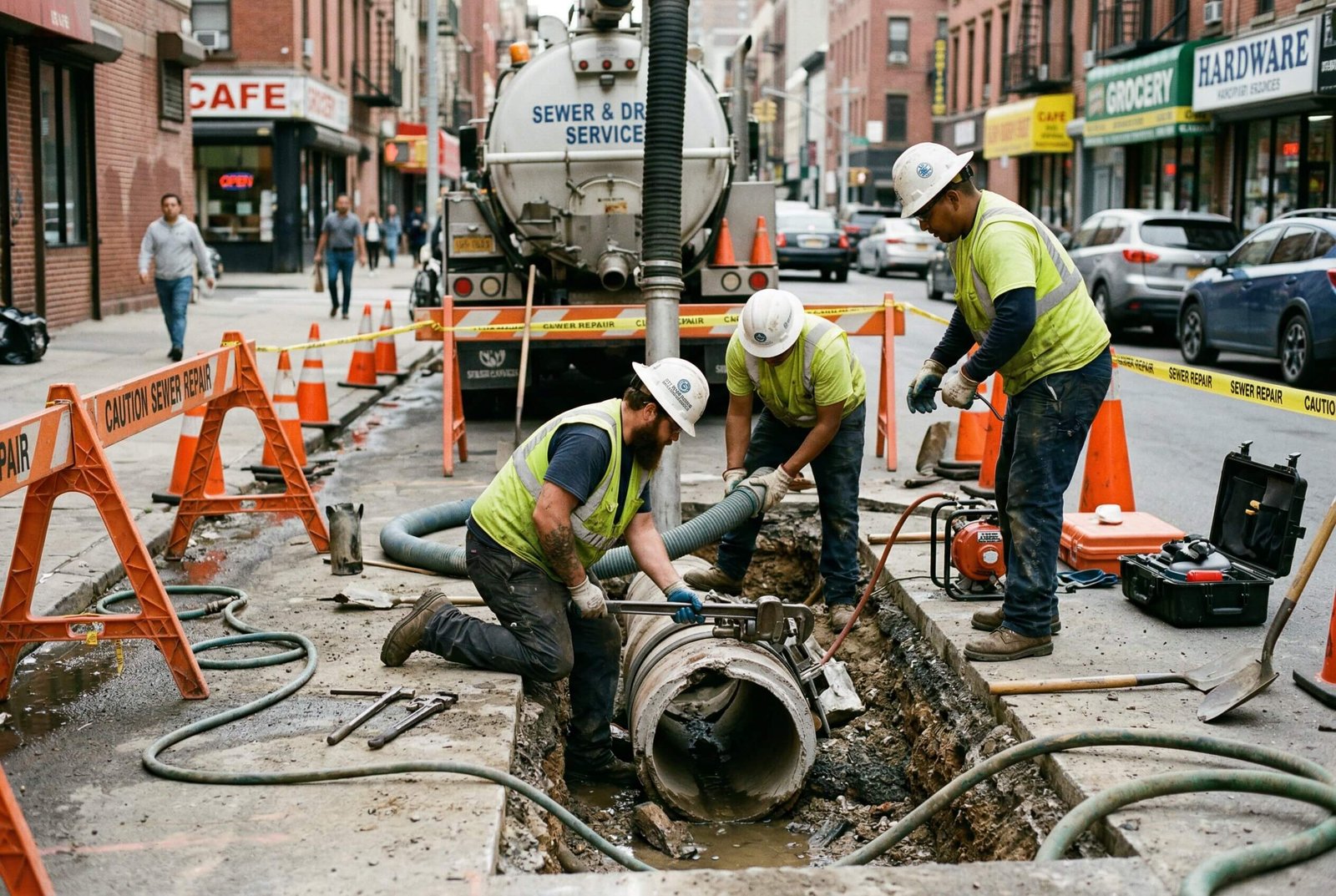
Most homeowners don’t think about their sewer line until something starts going wrong—usually in a way that’s hard to ignore. It might begin with a slow drain that doesn’t quite clear, a toilet that bubbles when you run the sink, or a faint sewage smell that seems to come and go. In some cases, it shows up outside first, with a soggy patch in the yard or an area that suddenly starts sinking without explanation. These are often early signs that the main sewer line—the pipe carrying all wastewater out of your home—has a deeper problem that simple drain cleaning won’t fix.
A sewer line repair service comes into the picture when the issue isn’t just a clog, but actual damage inside the pipe. That damage could be from tree roots pushing through joints, old pipes breaking down over time, or sections collapsing underground. Ignoring it doesn’t just keep the problem the same—it usually makes it worse. What starts as a slow drainage issue can turn into sewage backing up into your home, causing damage, contamination, and much higher repair costs. Understanding what this service actually involves—and when it’s truly needed—helps you avoid unnecessary work while also catching serious problems before they escalate.
What This Page Covers
ToggleWhat Sewer Line Repair Service Actually Means
A sewer line repair service isn’t the same as clearing a clogged drain. A lot of homeowners assume if water is backing up, it just needs cleaning, but that’s only true when the pipe itself is still intact. Repair comes into play when there’s actual physical damage inside the sewer line—something that cleaning tools can’t fix. This could be a cracked pipe, a section that has shifted out of alignment, or roots that have broken through and started widening the opening over time.
In real-world plumbing work, a “repair” means restoring the pipe so wastewater can flow properly again without recurring problems. Sometimes that’s a small section being fixed, and other times it’s addressing a larger damaged area. The key difference is this: cleaning removes what’s inside the pipe, while repair fixes the pipe itself. If the structure is compromised, cleaning alone will only give temporary relief before the problem returns.
Cleaning vs Repair: What’s the Real Difference
A basic drain cleaning service focuses on clearing blockages like grease, debris, or minor root buildup. It improves flow, but it doesn’t address structural issues. If the pipe is cracked or collapsed, water may flow temporarily after cleaning, but the underlying problem remains.
Sewer line repair service, on the other hand, deals with:
- Broken or cracked pipes
- Misaligned pipe joints
- Tree root intrusion that has damaged the pipe
- Sections that have collapsed or sagged
In many cases, homeowners go through repeated cleanings before realizing the issue isn’t blockage—it’s damage.
What Actually Counts as a “Repair”
Not every sewer issue requires replacing the entire line. A proper repair service can involve different levels of work depending on the condition of the pipe. Sometimes it’s a localized fix, and other times it’s reinforcing or replacing a damaged section.
Common repair situations include:
- Fixing a single cracked section of pipe
- Sealing joints where leaks are occurring
- Reinforcing weakened pipe walls
- Replacing a short collapsed segment
The goal is always the same: restore proper flow without recurring backups.
Temporary Fix vs Permanent Solution
One of the biggest mistakes homeowners make is relying on temporary fixes when a repair is actually needed. For example, using a drain snake or even hydro jetting can push water through for a while, but if roots or cracks are present, the problem usually returns.
Temporary fixes might:
- Improve drainage for a few days or weeks
- Hide early warning signs
- Delay proper diagnosis
A proper sewer line repair service focuses on long-term stability, not just short-term relief.
Types of Sewer Line Damage That Require Repair
From years of working on residential systems, most sewer line issues fall into a few common categories. Understanding these helps you recognize why repair is needed instead of repeated cleaning.
- Cracks and fractures from aging pipes or ground movement
- Tree root intrusion breaking into joints and expanding inside the pipe
- Pipe corrosion (common in older metal pipes)
- Bellied or sagging pipes where waste collects instead of flowing
- Collapsed sections that block flow completely
Each of these problems affects how wastewater moves through your system—and none of them are solved by cleaning alone.
When You Actually Need Sewer Line Repair Service
Most sewer line problems don’t show up all at once—they build slowly, often starting with small signs that are easy to overlook. A single slow drain might not seem serious, but when multiple fixtures start acting up together, that’s usually where the pattern changes. The key is understanding the difference between a normal clog and a deeper sewer line issue. Sewer problems tend to affect the whole system, not just one sink or one drain.
In real situations, homeowners often try cleaning the same drain multiple times before realizing the issue isn’t going away. That’s usually the turning point. If the problem keeps coming back or starts spreading to other parts of the house, it’s no longer about clearing a blockage—it’s about identifying damage in the main line.
Slow Drains vs a Deeper Sewer Problem
A single slow drain is usually localized. It might be grease in the kitchen line or hair buildup in a bathroom drain. But when the main sewer line starts failing, the symptoms don’t stay isolated.
You may notice:
- Multiple drains slowing down at the same time
- Water draining slowly even after cleaning
- Toilets struggling to flush properly
This happens because everything in the house connects to the same main sewer line. When that line is restricted or damaged, the entire system feels it.
Multiple Fixtures Backing Up at Once
One of the clearest signs of a sewer line issue is when different fixtures start affecting each other. For example, you flush the toilet and water backs up into the shower, or you run the washing machine and the sink starts filling.
This isn’t a coincidence—it means wastewater has nowhere to go.
Common patterns include:
- Toilet flushing causes water to rise in nearby drains
- Bathtub or shower backing up after using the sink
- Basement drains overflowing during normal use
These situations usually point to a blockage or damage in the main sewer line, not just a single pipe.
Sewage Smell Inside or Around the House
A persistent sewage odor is something that shouldn’t be ignored. It often means waste isn’t flowing out properly and is either sitting inside the pipe or leaking somewhere along the line.
You might notice:
- A strong smell near drains inside the house
- Odor coming from the basement or lower levels
- Sewage smell outside in the yard
In many cases, this points to cracks or leaks in the sewer line, allowing gases or waste to escape.
Gurgling Sounds in Drains or Toilets
Strange noises are another early warning sign. Gurgling happens when air gets trapped in the system due to improper flow, often caused by a blockage or pipe damage.
You may hear:
- Bubbling sounds when draining water
- Toilet making noise after flushing
- Gurgling from sinks when other fixtures are used
These sounds are often overlooked, but they’re one of the first indicators that something deeper is wrong.
Wet or Sinking Areas in the Yard
Outdoor signs are just as important as indoor ones. If a sewer line is leaking underground, it can affect the soil above it.
Watch for:
- Unusually green or lush patches of grass
- Soft, wet areas even without rain
- Sections of the yard that begin to sink
These are often caused by wastewater leaking from a damaged pipe, slowly saturating the soil.
Recurring Clogs Even After Cleaning
If you’ve already had a drain cleaning service and the problem keeps coming back, that’s usually a sign cleaning isn’t enough. This is especially common with root intrusion or pipe damage.
Typical pattern:
- Drain gets cleared
- Works fine for a short time
- Problem returns again
At that point, repeated cleaning becomes a temporary workaround instead of a solution. A proper sewer line repair service is usually needed to fix the root cause.
How Sewer Line Repair Service Is Performed (Step-by-Step)
Most homeowners imagine sewer repair as a large digging job right away, but in reality, the process starts with understanding the exact problem before any repair begins. A good sewer line repair service follows a structured approach—identify the issue, choose the right method, and then fix it in a way that prevents the problem from coming back. Skipping any of these steps usually leads to incomplete or temporary results.
From experience, the difference between a proper repair and a recurring problem often comes down to how accurately the issue is diagnosed in the beginning. The goal isn’t just to fix symptoms, but to address the actual cause inside the pipe.
Initial Inspection Using Camera
The first step is almost always a camera inspection. A small waterproof camera is fed into the sewer line through an access point, allowing a clear view of what’s happening inside the pipe.
This helps identify:
- Exact location of the problem
- Type of damage (roots, cracks, collapse, buildup)
- Severity of the issue
- Overall condition of the pipe
Without this step, any repair is just guesswork. It’s one of the most important parts of the process because it determines everything that follows.
Identifying the Exact Problem Location
Once the issue is visible on camera, the next step is pinpointing where it’s happening. This is especially important because sewer lines run underground, often across yards, under driveways, or even beneath the house.
Technicians typically use locating tools to:
- Mark the exact position of the damaged section
- Measure the depth of the pipe
- Understand surrounding obstacles like concrete or landscaping
Accurate location reduces unnecessary digging and helps choose the most efficient repair method.
Choosing the Right Repair Method
Not all sewer problems require the same solution. Based on what the inspection shows, the repair method is selected carefully. This decision depends on the type of damage, pipe material, and accessibility.
For example:
- A small crack may need a localized repair
- Root intrusion might require cleaning plus reinforcement
- Collapsed sections often need replacement
Choosing the wrong method can lead to repeated failures, so this step is critical for long-term results.
Accessing the Pipe (Digging or Trenchless Entry)
Once the plan is clear, access to the pipe is created. This can be done in two main ways depending on the situation.
- Traditional digging involves opening the ground directly above the damaged section
- Trenchless access uses small entry points to repair the pipe with minimal surface disruption
The approach depends on factors like depth, location, and repair type. In some cases, digging is unavoidable, especially with severe damage.
Repair or Replacement Process
This is where the actual work happens. The damaged section is either repaired or replaced based on the earlier assessment.
Depending on the method used, this may involve:
- Replacing a section of pipe
- Reinforcing the existing pipe structure
- Installing a new lining inside the old pipe
- Breaking and replacing the old pipe with a new one
The focus is always on restoring proper flow and preventing future issues in that section.
Testing and Final Verification
After the repair is completed, the system is tested to ensure everything is working correctly. This step is often overlooked but is essential for confirming that the problem has been fully resolved.
Final checks typically include:
- Running water through the system to verify flow
- Re-inspecting with a camera if needed
- Checking for leaks or weak points
Only after proper testing can the repair be considered complete. Skipping this step can leave hidden issues that show up later.
Methods Used in Sewer Line Repair Service
Not all sewer line problems are fixed the same way. The method used depends on what the camera inspection reveals—whether it’s a small crack, root damage, or a fully collapsed section. Over the years, repair techniques have evolved, and today many problems can be fixed without digging up the entire yard. The key is choosing the method that matches the condition of the pipe, not just the cheapest or fastest option.
In real situations, homeowners often hear multiple terms—relining, bursting, excavation—and it can be confusing. Each method serves a specific purpose, and understanding them helps you know what’s actually being done to your sewer line.
Spot Repair (Localized Pipe Fix)
Spot repair is used when the damage is limited to a small section of the pipe. Instead of replacing the entire line, only the affected portion is repaired or replaced.
This is usually suitable when:
- There’s a single crack or break in one area
- A short section has collapsed
- Damage is isolated and the rest of the pipe is in good condition
The process typically involves exposing the damaged area and replacing that section. It’s more targeted and often less expensive than full replacement, but only works when the issue isn’t widespread.
Pipe Relining (Trenchless Repair Method)
Pipe relining is a trenchless method that repairs the pipe from the inside. A flexible liner coated with resin is inserted into the existing pipe and then hardened to create a new inner layer.
This method works well when:
- The pipe is structurally stable but has cracks or leaks
- Root intrusion has damaged joints but hasn’t fully collapsed the pipe
- Minimal digging is preferred
Relining essentially creates a new pipe within the old one, sealing cracks and preventing further leaks. It’s less disruptive to landscaping, driveways, and flooring.
Pipe Bursting (Full Replacement Without Full Digging)
Pipe bursting is used when the pipe is too damaged to repair from the inside. Instead of digging up the entire line, a new pipe is pulled through the old one, breaking the old pipe apart as it goes.
This is typically used when:
- The pipe is severely damaged or collapsed
- The existing pipe material has deteriorated beyond repair
- A full replacement is needed but with minimal surface disruption
It requires entry and exit points, but avoids large-scale excavation along the entire pipe path.
Traditional Excavation Repair
In some cases, trenchless methods aren’t possible, and traditional digging is required. This involves excavating the ground to fully expose the damaged sewer line.
This approach is necessary when:
- The pipe has completely collapsed
- The line has severe misalignment or multiple damaged sections
- The pipe is too old or deteriorated for trenchless methods
While it’s more invasive, it allows full access to the pipe and ensures a complete repair when other options aren’t viable.
Root Removal and Pipe Restoration
Tree roots are one of the most common causes of sewer line damage. They enter through small joints or cracks and expand inside the pipe, eventually causing blockages and structural damage.
Repair in these cases usually involves:
- Removing roots using specialized cutting tools or hydro jetting
- Inspecting the pipe for damage caused by roots
- Repairing or reinforcing weakened sections
If the pipe isn’t repaired after root removal, the roots often grow back, leading to repeated issues. That’s why restoration is just as important as removal.
Each of these methods has a specific role, and the right choice depends on the condition of your sewer line—not just the symptom you’re seeing.
DIY vs Professional Sewer Line Repair (Decision Section)
Sewer problems are one of those areas where it’s easy to underestimate what’s actually going on. From the outside, it might look like just another clogged drain, and many homeowners naturally try to fix it themselves first. In some very minor situations, that approach can help temporarily. But once the issue involves the main sewer line, the situation usually goes beyond what basic tools or home methods can handle.
The challenge with sewer line issues is that most of the problem is hidden underground. You’re not just dealing with what you see at the drain—you’re dealing with what’s happening deep inside the pipe system. Without proper inspection and equipment, it’s difficult to know whether you’re solving the issue or just delaying it.
When DIY Might Seem Like It Works
There are situations where a DIY approach can improve things temporarily, especially if the issue is minor or just starting.
You might see short-term improvement when:
- The clog is near the drain opening
- Buildup is limited to grease or debris
- The problem affects only one fixture
Using a plunger or a basic drain snake can restore flow in these cases. For localized clogs, this can be enough. But this is where many homeowners get a false sense of resolution.
Why Most Sewer Problems Go Beyond DIY
Once the issue is in the main sewer line, DIY methods usually stop being effective. Even if water starts flowing again, the underlying problem is still there.
Common limitations of DIY approaches include:
- No visibility inside the pipe (no camera inspection)
- Inability to detect cracks, collapses, or root intrusion
- Limited reach of household tools
- Temporary clearing without fixing structural damage
In real situations, repeated DIY attempts often push the problem further down the line without actually solving it.
Risks of Temporary Fixes
Temporary fixes can sometimes make the situation harder to diagnose later. When the pipe is partially cleared, symptoms may disappear for a short time, giving the impression that the issue is resolved.
However:
- Damage inside the pipe continues to worsen
- Roots continue growing if not fully removed
- Cracks can expand over time
- Small blockages can build up again quickly
This often leads to a cycle where the same issue keeps coming back, sometimes more severe each time.
When It Becomes Risky to Wait
There’s a point where delaying proper repair starts increasing both risk and cost. Sewer issues rarely stay stable—they tend to progress.
Warning signs that it’s time to move beyond DIY:
- Problems affecting multiple drains
- Recurring clogs after cleaning
- Sewage odors or backups
- Visible outdoor signs like wet ground
At this stage, continuing with temporary solutions can lead to more serious consequences, including full blockages or sewage entering the home.
In most real-world cases, DIY can handle surface-level problems, but sewer line repair service becomes necessary when the issue involves the structure of the pipe itself.
Cost of Sewer Line Repair Service in the U.S.
Sewer line repair is one of those services where the cost can vary widely depending on what’s actually wrong underground. Two homes can have similar symptoms, but completely different repair needs once the pipe is inspected. That’s why prices aren’t fixed—you’re paying based on the condition of the pipe, how accessible it is, and the method required to fix it properly.
In real situations, the biggest mistake homeowners make is assuming it’s either going to be very cheap or extremely expensive. Most repairs fall somewhere in between, and the only way to know for sure is after inspection. Understanding general price ranges helps set realistic expectations before calling a sewer line repair service.
Typical Price Ranges (Minor vs Major Repairs)
Sewer line repair costs depend heavily on whether the issue is localized or affects a larger portion of the pipe.
General ranges in the U.S.:
- Minor spot repairs: $500 – $2,500
- Moderate repairs (partial pipe replacement or relining): $2,500 – $7,000
- Major repairs or full replacement: $7,000 – $15,000+
A small crack or short damaged section is usually on the lower end, while a collapsed line or widespread damage pushes costs higher.
Emergency Sewer Repair Cost
Emergency situations—like sewage backing up into the home—often come with higher costs due to urgency and after-hours work.
Typical emergency pricing factors:
- After-hours or weekend service fees
- Immediate access work (faster digging or setup)
- Temporary containment before full repair
Emergency sewer line repair can add $300 – $1,000+ on top of the base repair cost, depending on the situation.
Trenchless vs Traditional Repair Pricing
The method used plays a major role in pricing.
- Trenchless repair (relining or pipe bursting)
- Usually ranges between $4,000 – $12,000
- Higher upfront cost but less damage to landscaping, driveways, or flooring
- Traditional excavation repair
- Can range from $3,000 – $15,000+
- Cost varies based on how much digging and restoration is needed
In some cases, trenchless methods cost more initially but reduce overall property damage and restoration expenses.
What Affects the Cost of Sewer Line Repair
Several real-world factors influence the final price. These are often more important than the repair method itself.
- Depth and location of the pipe
Deeper lines or those under concrete, driveways, or foundations cost more to access - Pipe material
Older materials like clay or cast iron may require more extensive repair - Severity of damage
Small cracks cost less than collapsed or multiple damaged sections - Accessibility
Tight spaces, landscaping, or obstacles increase labor time - Equipment required
Advanced methods like trenchless repair or specialized cutting tools can increase cost
The key takeaway is that sewer line repair isn’t a one-size service. The cost reflects the actual condition of your system and the work required to fix it properly, not just the symptom you’re seeing.
Risks of Delaying Sewer Line Repair Service
Sewer line problems rarely stay the same—they usually get worse over time. What starts as a slow drain or occasional backup can gradually turn into a much larger issue if the underlying damage isn’t addressed. Because the pipe is underground, it’s easy to ignore early warning signs, but that doesn’t stop the problem from progressing. In many cases, the biggest damage happens quietly before anything obvious shows inside the home.
From real experience, delays often lead to more extensive repairs—not because the original issue was severe, but because it was left untreated. Understanding what can happen over time helps you recognize why early repair matters.
Structural Pipe Damage Gets Worse
Small issues inside a sewer line don’t stay small. A minor crack can expand, joints can shift further apart, and root intrusion can widen the opening over time.
What begins as:
- A hairline crack
- A slightly misaligned joint
- Early root growth
Can turn into:
- Large breaks in the pipe
- Sections collapsing completely
- Severe blockages that stop flow entirely
The longer it’s left, the more likely it turns from a repair into a full replacement.
Sewage Backup Into the Home
One of the most serious outcomes is sewage backing up into the house. When wastewater can’t flow out properly, it finds the lowest exit point—often a basement drain, shower, or toilet.
This can lead to:
- Dirty water coming up through drains
- Toilets overflowing unexpectedly
- Contaminated surfaces inside the home
Beyond the inconvenience, this creates a sanitation issue that requires cleanup, not just repair.
Foundation and Property Damage
Leaks from a damaged sewer line don’t just affect the pipe—they can impact the surrounding structure. Over time, leaking wastewater can weaken the soil around your home.
Potential effects include:
- Soil erosion under the foundation
- Cracks forming in floors or walls
- Uneven or sinking areas in the yard
These issues are often more expensive to fix than the original sewer repair.
Mold and Contamination Risks
When moisture builds up due to leaks or backups, it creates an environment where mold and bacteria can grow. This is especially common in basements or enclosed spaces.
Risks include:
- Persistent dampness and odors
- Mold growth behind walls or under flooring
- Increased exposure to harmful bacteria
These problems often require additional remediation beyond plumbing work.
Repair Costs Increase Over Time
One of the most practical reasons to address sewer issues early is cost. As damage spreads, the scope of work increases.
What could have been:
- A small localized repair
Can become:
- A full pipe replacement
- Larger excavation work
- Additional restoration costs
Delaying repair doesn’t keep the cost the same—it usually makes it higher.
Sewer line issues don’t resolve on their own. Acting early doesn’t just prevent damage—it keeps the repair manageable and avoids turning a fixable problem into a major project.
Where Sewer Line Problems Commonly Happen in Homes
Sewer line issues don’t always happen in the same place, and where the problem occurs often affects how serious it becomes—and how it’s repaired. Since the main sewer line runs from inside your home out to the city connection, it passes through multiple areas, each with its own risks. Understanding these common locations helps you connect the symptoms you’re seeing with what might be happening underground.
In real situations, the location of the problem often determines whether the repair is simple and localized or more complex and disruptive. Some areas are easier to access, while others require more involved work.
Under Slab Foundations
In many homes, especially those built on concrete slabs, the sewer line runs directly beneath the foundation. When damage happens here, it becomes more complicated because the pipe isn’t easily accessible.
Common issues in this area include:
- Pipe cracks due to ground movement
- Long-term wear in older pipes
- Leaks that go unnoticed for extended periods
Signs are often subtle at first, such as slow drainage or moisture buildup inside the home. Repairs in this area may require specialized access or trenchless methods to avoid breaking through the slab.
Front Yard Sewer Lines
A large portion of the sewer line typically runs through the yard, connecting the house to the main city line. This area is one of the most common places for problems, mainly due to environmental factors.
Typical causes include:
- Tree root intrusion searching for moisture
- Soil shifting over time
- External pressure from landscaping or ground movement
Homeowners often notice soft ground, wet patches, or unusually green grass in these areas. Because this section is outside, repairs are usually more accessible compared to indoor locations.
Basement Sewer Connections
Homes with basements often have exposed or partially accessible sewer connections. While this makes inspection easier, it also means issues can show up more visibly.
Common problems include:
- Backups appearing in basement drains
- Odors from floor drains
- Leaks at connection points
Since basements are typically the lowest point in the house, they’re often the first place where sewage backup becomes visible.
Older Homes with Clay or Cast Iron Pipes
Older homes tend to have sewer systems made from materials that degrade over time. Clay pipes can crack or shift, while cast iron pipes corrode internally.
These systems are more prone to:
- Cracking and joint separation
- Internal buildup due to corrosion
- Frequent root intrusion
In these cases, repairs may be more extensive because the overall condition of the pipe is often weakened, not just one section.
Outdoor Sewer Connections to the City Line
The point where your home’s sewer line connects to the municipal system is another critical area. Problems here can affect the entire drainage system inside the house.
Issues at this connection point may include:
- Blockages near the main line
- Pipe misalignment
- Damage caused by external pressure or aging infrastructure
Because this area is deeper and closer to public systems, repairs may involve additional coordination or more complex access.
Where the problem occurs plays a major role in how it’s diagnosed and repaired. Recognizing these common locations helps you better understand what’s happening when symptoms start to appear.
Finding Help Locally
Sewer line repair isn’t a basic plumbing job—it requires the right equipment, proper diagnosis, and experience with underground systems. While many plumbers handle general drain issues, not all of them deal regularly with sewer line problems. That difference matters, especially when the issue involves hidden damage that can’t be seen without inspection tools.
In real situations, choosing the right kind of help early can prevent unnecessary work. A proper sewer line repair service starts with identifying the exact problem, not guessing based on symptoms. That’s why the type of professional you choose plays a big role in how accurately the issue is handled.
Why Sewer Repair Requires Specialized Equipment
Unlike typical plumbing work, sewer line repair depends heavily on tools that go beyond standard drain cleaning.
These often include:
- Camera inspection systems to see inside the pipe
- Locating equipment to find the exact position underground
- Hydro jetting machines for deep cleaning when needed
- Trenchless repair tools for relining or pipe replacement
Without these, it’s difficult to confirm whether the problem is a blockage or structural damage. This is where many misdiagnoses happen.
General Plumber vs Sewer Specialist
A general plumber can handle everyday issues like clogged sinks, minor leaks, or fixture repairs. But sewer line problems often require a different level of experience and equipment.
In practice:
- General plumbers may focus on surface-level fixes
- Sewer specialists are equipped for deep inspection and repair
- Specialists are more familiar with trenchless methods and underground systems
That doesn’t mean general plumbers can’t help—but for recurring or system-wide issues, a sewer-focused service is usually more effective.
How This Connects to Local Drain and Sewer Services
Most areas have professionals who specifically handle drain cleaning and sewer line repair. These services are often structured around diagnosing and fixing deeper issues rather than just clearing blockages.
When looking locally, you’ll typically find:
- Drain cleaning services that handle surface and moderate issues
- Sewer line repair services for structural problems
- Emergency plumbing services for urgent situations
Understanding this difference helps you choose the right type of service based on what you’re experiencing. If the issue involves multiple drains, recurring problems, or signs of pipe damage, it usually points toward needing a sewer line repair service rather than just basic cleaning.
How to Choose the Right Sewer Line Repair Service Provider
Choosing the right provider for sewer line repair isn’t just about getting the job done—it’s about getting the correct diagnosis and a solution that actually lasts. Sewer problems can look similar on the surface, but the cause underneath can be very different. That’s why the quality of the inspection and the explanation you receive matters more than just the price.
In real situations, homeowners often end up paying more when the first repair doesn’t fully address the issue. A proper provider focuses on understanding the problem first, then explaining the solution clearly so you know exactly what’s being fixed and why.
Experience With Sewer-Specific Work
Not all plumbing experience is the same. Sewer line repair requires familiarity with underground systems, pipe materials, and long-term failure patterns.
A provider with relevant experience will:
- Recognize common causes like root intrusion or pipe collapse
- Understand how different materials behave over time
- Suggest solutions based on actual pipe condition, not assumptions
This reduces the chances of unnecessary or incomplete work.
Camera Inspection Capability
One of the most important things to look for is whether a camera inspection is part of the process. Without it, there’s no clear way to confirm what’s happening inside the pipe.
A proper inspection should:
- Show the exact problem area
- Identify the type and severity of damage
- Be explained clearly so you understand what’s being seen
If inspection isn’t offered, the repair is being based on guesswork rather than evidence.
Availability of Trenchless Repair Options
Modern sewer repair doesn’t always require extensive digging. Providers who offer trenchless options can often fix problems with less disruption to your property.
This includes:
- Pipe relining for internal repairs
- Pipe bursting for replacement without full excavation
Even if trenchless isn’t suitable for your situation, having the option means the solution is being chosen based on need, not limitation.
Clear Explanation of the Problem
A good provider takes the time to explain what’s wrong in simple terms. You should be able to understand:
- What the issue is
- Where it’s located
- Why a specific repair method is recommended
If the explanation is unclear or overly vague, it becomes difficult to know whether the repair is appropriate.
Transparent Pricing and Scope of Work
Sewer repair costs can vary, but the structure of the pricing should still be clear. You should know what you’re paying for and what the repair includes.
Look for:
- A breakdown of work involved
- Explanation of what affects the cost
- Clarity on whether the repair is partial or full
This helps avoid unexpected changes once the work begins.
Common Mistakes Homeowners Make
Many issues with sewer repair come from decisions made early in the process. These mistakes can lead to incomplete fixes or higher costs later.
- Choosing the lowest quote without understanding the scope
- Skipping inspection to save time or cost
- Repeating temporary fixes instead of addressing the root issue
- Assuming all plumbers handle sewer repair the same way
These often result in recurring problems rather than long-term solutions.
Red Flags to Watch Out For
There are certain warning signs that indicate the repair process may not be handled properly.
- No inspection offered before recommending repair
- Vague or unclear pricing without explanation
- Immediate push for full replacement without diagnosis
- Lack of clarity about repair method or expected outcome
These situations usually point to a lack of proper evaluation.
Choosing the right sewer line repair service provider isn’t about finding the fastest option—it’s about finding someone who can accurately diagnose and fix the problem in a way that prevents it from coming back.
Final Thoughts
Sewer line problems are one of those issues that sit quietly in the background until they become hard to ignore. By the time clear symptoms show up—like multiple drains slowing down, odors, or backups—the problem has usually been developing for a while. The key difference between a manageable repair and a major disruption often comes down to how early the issue is understood and addressed.
A sewer line repair service isn’t just about fixing what’s blocked—it’s about restoring the system so it works reliably again without recurring problems. When the pipe itself is damaged, temporary fixes can only go so far. Taking the time to understand what’s actually happening inside the line, and choosing the right repair approach based on that, leads to a more stable and long-term outcome.