
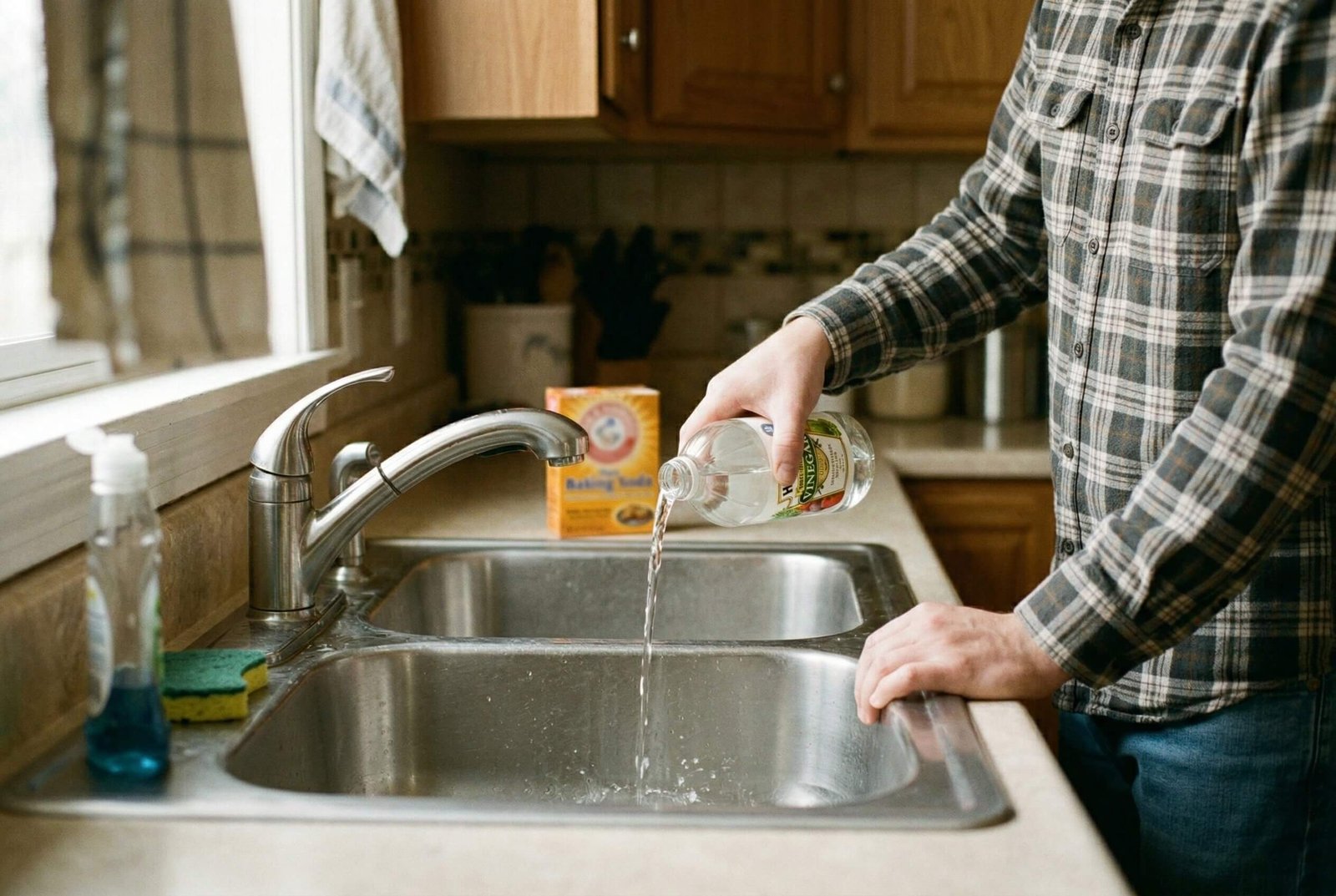
Most drain problems don’t start with a sudden blockage—they start quietly, within just a few days of regular use. Every time you wash dishes, rinse soap, or let hair go down the drain, small amounts of residue begin sticking to the inside of your pipes. Within a week, this buildup can already form a thin layer that slows water slightly and creates the foundation for bigger problems later. That’s why weekly drain maintenance is one of the most effective habits a homeowner can build.
Weekly maintenance isn’t about deep cleaning or using strong products. It’s about keeping your drains in a “reset” state so buildup never gets a chance to settle and harden. Think of it like wiping a surface before it gets dirty enough to require scrubbing. When done consistently, this simple routine prevents most common issues like slow drainage, odors, and recurring clogs.
It’s also important to understand that weekly maintenance is different from monthly cleaning. Monthly routines focus on breaking down early buildup, while weekly maintenance is about preventing that buildup from forming in the first place. If you skip weekly care, your monthly cleaning has to work much harder—and over time, that often leads to deeper issues that basic methods can’t handle.
In this guide, I’ll walk you through a simple, practical weekly drain maintenance routine that works in real homes. You’ll learn exactly what to do, how long it takes, and how to adjust it for different types of drains so your plumbing system stays clean, efficient, and problem-free.
What This Page Covers
ToggleWhy Weekly Drain Maintenance Matters
In real plumbing systems, buildup doesn’t wait weeks or months to begin—it starts almost immediately. Within just a few days, grease from cooking, soap residue from sinks, and small debris from daily use begin sticking to the inside of your pipes. By the end of the week, this layer is still soft and easy to remove—but if left alone, it hardens and becomes much harder to deal with later.
That’s exactly why weekly maintenance is so effective. It removes buildup at its earliest stage, before it has a chance to settle, combine with other materials, or restrict water flow. Instead of reacting to problems, you’re preventing them from forming in the first place.
Another major benefit is reducing your reliance on stronger cleaning methods. When drains are maintained weekly, you don’t need harsh chemicals, aggressive tools, or frequent deep cleaning. The system stays stable on its own because you’re not allowing buildup to reach a problematic level.
Weekly maintenance also keeps your drains performing consistently. Water flows faster, odors don’t develop, and you avoid that gradual decline most homeowners don’t notice until it becomes a problem. It’s the difference between a drain that always works smoothly and one that slowly gets worse over time.
From a cost perspective, this is one of the simplest ways to avoid unnecessary expenses. A few minutes each week can prevent service calls, recurring clogs, and even larger plumbing issues down the line.
In short, weekly drain maintenance isn’t extra work—it’s the smallest, most effective step you can take to keep your entire plumbing system running the way it should.
What Builds Up in Just One Week
Most homeowners assume buildup takes a long time to form, but in reality, it starts almost immediately. Within just a few days of normal use, a thin layer of residue begins forming inside your pipes. By the end of the week, that layer is still soft—but it’s already creating the base for future clogs if it isn’t cleared.
In kitchen drains, the biggest contributor is grease. Even if you don’t pour oil directly down the sink, small amounts from cooking, rinsing pans, and washing dishes still enter the drain. While hot water may carry it through initially, it cools further down the pipe and sticks to the walls, creating a sticky surface that traps food particles.
In bathroom sinks and showers, soap residue builds up quickly. Soap mixes with minerals in the water and forms a film that clings to pipe surfaces. Hair then gets caught in this layer, creating small clumps that slowly grow over time. On its own, hair might pass through—but combined with soap, it becomes a problem.
Food particles, toothpaste residue, and organic matter also contribute to early buildup. These materials don’t always cause immediate issues, but they settle in slower-moving sections of the pipe, especially around bends like the P-trap.
The important thing to understand is that this weekly buildup is still manageable. It hasn’t hardened yet, and it hasn’t significantly restricted flow. That’s why weekly maintenance works so well—it clears this early layer before it turns into something more stubborn and difficult to remove.
Signs You Need Weekly Maintenance (Even If the Drain Works)
One of the biggest reasons homeowners skip maintenance is because the drain still “works.” Water is going down, so it feels like everything is fine. But in real plumbing systems, problems develop long before a drain actually clogs. Weekly maintenance is meant for this early stage—when the signs are subtle but important.
A common early sign is slightly slower drainage. It’s not slow enough to feel like a problem, but you might notice water taking a bit longer than usual to clear. This usually means a thin layer of buildup has already formed inside the pipe.
Another signal is a light odor coming from the drain. This often happens when small amounts of organic material—like food particles or soap residue—start breaking down inside the pipe. It’s easy to ignore, but it’s one of the clearest signs that maintenance is needed.
You might also notice water behavior changing slightly, like a small delay before it starts draining smoothly or minor pooling that disappears after a few seconds. These are early indicators that flow is no longer as efficient as it should be.
Sometimes, the sign is visible at the surface. Residue around the drain opening or strainer means debris is starting to collect faster than usual. If it’s happening at the top, there’s a good chance similar buildup is forming inside the pipe.
These signs are easy to overlook, but they’re exactly when maintenance is most effective. Acting at this stage keeps your drains clean without needing stronger methods later.
Simple Weekly Drain Maintenance Routine
This routine is designed to be quick, safe, and effective in real homes. You don’t need special tools or strong chemicals—just a few minutes and the right sequence. The goal is to remove early buildup before it settles and turns into a problem.
Follow these steps once a week for your main drains:
- Start with a hot water flush (1–2 minutes)
Run hot water through the drain to soften grease, soap residue, and light debris. This prepares the pipe so buildup is easier to move. - Add a small amount of dish soap (kitchen drains)
Pour a few drops of dish soap into the drain. It helps break down grease and oils that tend to stick to pipe walls. - Flush again with hot water (1 minute)
Let hot water run again to carry loosened material further down the pipe. This step is important—without it, residue can settle again nearby. - Clean the drain opening and strainer
Remove any visible debris like hair, food particles, or buildup around the opening. Rinse strainers thoroughly so they don’t slow water flow. - Quick rinse for bathroom drains
For sinks, showers, and tubs, a simple hot water flush is usually enough. Focus on removing hair or residue at the surface. - Run garbage disposal with cold water (if applicable)
Turn on the disposal and run cold water for 20–30 seconds. This clears out leftover particles and prevents buildup inside the unit.
This entire routine takes about 5–10 minutes but makes a big difference over time. It keeps your drains in a “clean state” so buildup never gets a chance to harden or accumulate.
The key is consistency. Skipping even a couple of weeks allows residue to settle, which means your next cleaning has to work harder. When done regularly, this routine keeps your drains fast, clean, and problem-free without needing deeper intervention.
Weekly Routine for Different Drains
Not all drains in your home need to be handled exactly the same way. Each one deals with different types of waste, so your weekly routine should be slightly adjusted based on how that drain is used. This doesn’t make the routine complicated—it just makes it more effective.
Kitchen sink
This is the most important drain to maintain weekly. Grease and food particles build up quickly, even with normal use. Focus on hot water flushing and always include dish soap to break down grease. If you cook regularly, this step becomes essential to prevent sticky buildup inside the pipe.
Bathroom sink
Bathroom sinks deal mostly with soap residue, toothpaste, and small debris. A hot water flush is usually enough, but you should also check and remove any visible buildup around the drain opening. These drains don’t clog as fast as kitchen sinks, but they still benefit from consistent maintenance.
Shower and tub drains
Hair is the main issue here. Weekly maintenance should include removing any hair caught in the drain cover or strainer. Follow this with a hot water flush to clear soap residue. If you skip this step, hair and soap combine and form clumps that are much harder to remove later.
Laundry drain
Laundry drains collect lint, detergent residue, and dirt. While they don’t need as much attention as kitchen drains, a weekly hot water flush helps keep buildup from settling in the trap or pipe bends. This is especially useful in homes with frequent laundry use.
The idea isn’t to do more work—it’s to focus on what each drain needs. When you adjust your weekly routine based on usage, you prevent buildup more efficiently and avoid unnecessary effort.
What NOT to Do Weekly
Weekly maintenance is meant to be simple and safe. The goal is to prevent buildup—not to aggressively clean your pipes. A lot of homeowners unknowingly cause damage or make buildup worse by overdoing things or using the wrong methods too often.
One of the most common mistakes is using chemical drain cleaners every week. These products are designed for occasional use, not regular maintenance. Frequent use can weaken pipes over time, especially in older plumbing, and they don’t actually remove buildup completely—they often just create a temporary path through it.
Another mistake is overusing baking soda or DIY mixtures. While baking soda can help occasionally, using it too frequently doesn’t provide additional benefit and can lead to residue buildup if not flushed properly. Weekly maintenance should stay simple—hot water and light cleaning are usually enough.
Some homeowners also try to use tools like drain snakes too often. These tools are useful when needed, but using them weekly can push debris deeper into the pipe or damage fittings if handled incorrectly. They should only be used when there’s a clear sign of buildup that basic methods can’t handle.
Pouring grease or heavy waste down the drain is another issue that cancels out your maintenance efforts. Even if you clean weekly, continuously sending problem-causing materials into the pipe makes buildup happen faster than you can prevent it.
Lastly, avoid the habit of skipping maintenance because the drain seems fine. Weekly care works because it’s consistent—not because there’s already a problem.
The key is balance. Keep your routine simple, avoid overdoing it, and focus on steady prevention rather than aggressive cleaning.
Tools Needed for Weekly Maintenance
One of the best things about weekly drain maintenance is that you don’t need expensive tools or complicated equipment. In most homes, everything you need is already available. The goal isn’t to build a toolkit—it’s to use a few simple items consistently to keep buildup under control.
- Hot water
This is your most important tool. Hot water helps soften grease, loosen soap residue, and move debris through the pipes before it settles. Used regularly, it prevents buildup from sticking in the first place. - Dish soap
Especially useful for kitchen drains, dish soap breaks down grease and oils that tend to cling to pipe walls. It’s safe for regular use and works well as part of a weekly routine. - Drain strainers
These are small but highly effective. Strainers catch hair, food particles, and debris before they enter the drain. Keeping them clean and in place significantly reduces the amount of buildup inside your pipes. - Basic cleaning brush or cloth
Used for cleaning around the drain opening and strainer. Removing visible debris at the surface prevents it from being pushed deeper into the pipe. - Gloves (optional but helpful)
If you’re removing hair or debris manually, gloves make the process cleaner and easier.
You’ll notice that none of these tools are aggressive or complex—and that’s intentional. Weekly maintenance is about prevention, not force. When you use simple tools consistently, you reduce the need for stronger methods later.
How Long Weekly Maintenance Takes
One of the main reasons people skip drain maintenance is the assumption that it takes time or effort. In reality, a proper weekly routine is quick and fits easily into your normal household flow. Most homes can complete all basic drain maintenance in 5 to 10 minutes total.
You’re not doing deep cleaning or taking anything apart. It’s simply a matter of running hot water, adding a bit of dish soap where needed, and clearing visible debris from drain openings. These are tasks that can be done while you’re already in the kitchen or bathroom, not something that requires a separate schedule.
The key advantage here is that weekly maintenance saves time later. If you skip it for a few weeks, buildup starts to settle and harden. Then, instead of spending a few minutes, you’re dealing with slower drains, repeated fixes, or even calling a plumber. A small weekly effort prevents that entire cycle.
Another important point is that you don’t need to do everything at once. Many homeowners build this into their routine naturally—for example, flushing the kitchen drain after cooking or cleaning bathroom drains during regular cleaning. This makes the process feel effortless rather than like an extra task.
In the long run, consistency matters far more than time spent. A few minutes each week keeps your drains in a stable condition, so you never have to deal with bigger, time-consuming problems later.
How Weekly Maintenance Prevents Bigger Problems
Most major drain issues don’t come from a single event—they develop slowly from layers of buildup that were never cleared. Weekly maintenance works because it interrupts that process early, before those layers have time to settle, harden, and combine into a blockage.
Take grease in a kitchen drain as an example. When it first enters the pipe, it’s soft and easy to move. But if it sits for days, it cools and sticks to the pipe walls. Over time, it traps food particles and becomes thicker. Weekly flushing removes that grease before it turns into a sticky base layer that everything else clings to.
The same thing happens with hair and soap in bathroom drains. Hair alone might pass through, but when it mixes with soap residue, it forms clumps that restrict flow. Weekly cleaning removes both before they bind together, which is why it’s so effective at preventing slow drains.
Another benefit is maintaining consistent water flow. When pipes stay clean, water moves quickly and carries debris through the system instead of letting it settle. This reduces the chances of buildup forming in slower sections like bends and traps.
Weekly maintenance also reduces the need for stronger interventions. If buildup never reaches an advanced stage, you don’t need chemical cleaners, aggressive tools, or frequent professional services. The system stays stable with minimal effort.
In simple terms, weekly maintenance stops problems at their earliest stage. Instead of dealing with clogs, you prevent the conditions that cause them in the first place.
How to Build This Into Your Routine
The biggest challenge with drain maintenance isn’t knowing what to do—it’s doing it consistently. The good news is that weekly maintenance is simple enough to fit into your existing routine without feeling like extra work. The key is to attach it to habits you already have instead of treating it as a separate task.
A practical approach is to tie it to a weekly activity you already do, like kitchen cleaning or bathroom cleaning. For example, after your weekly kitchen cleanup, run hot water and dish soap through the sink. When you clean the bathroom, take an extra minute to remove hair from the drain and flush it with hot water. This way, maintenance becomes part of something you’re already doing.
Another effective method is to choose a fixed day and time. Many homeowners find it easiest to do this once a week—like Sunday evening or after the last meal of the day. Having a consistent trigger removes the need to remember randomly during the week.
You can also use habit stacking—pairing this task with something automatic. For example, after washing dishes at night, let hot water run for an extra minute. After a shower cleanup, quickly check and clear the drain. These small additions take almost no extra effort but keep your system maintained.
The goal is to make it effortless. When weekly maintenance becomes part of your normal routine, you stop thinking about it—and that’s exactly when it becomes most effective.
Final Thoughts
Weekly drain maintenance is one of the simplest habits that delivers long-term results. It doesn’t require special tools, technical knowledge, or a lot of time—just consistency. A few minutes each week can prevent slow drains, eliminate odors, and reduce the risk of clogs before they ever become a problem.
What matters most is staying ahead of buildup. Once residue settles and hardens inside your pipes, it becomes much harder to remove. But when you clear it early, your drains stay clean and efficient without needing aggressive cleaning or professional intervention.
This approach also shifts your mindset from reacting to problems to preventing them. Instead of dealing with unexpected issues, your plumbing system stays stable and predictable. That’s the real benefit of weekly maintenance—it keeps everything working the way it should without constant attention.
In the end, it’s not about doing more—it’s about doing a small thing consistently. And in plumbing, that consistency is what makes all the difference.