
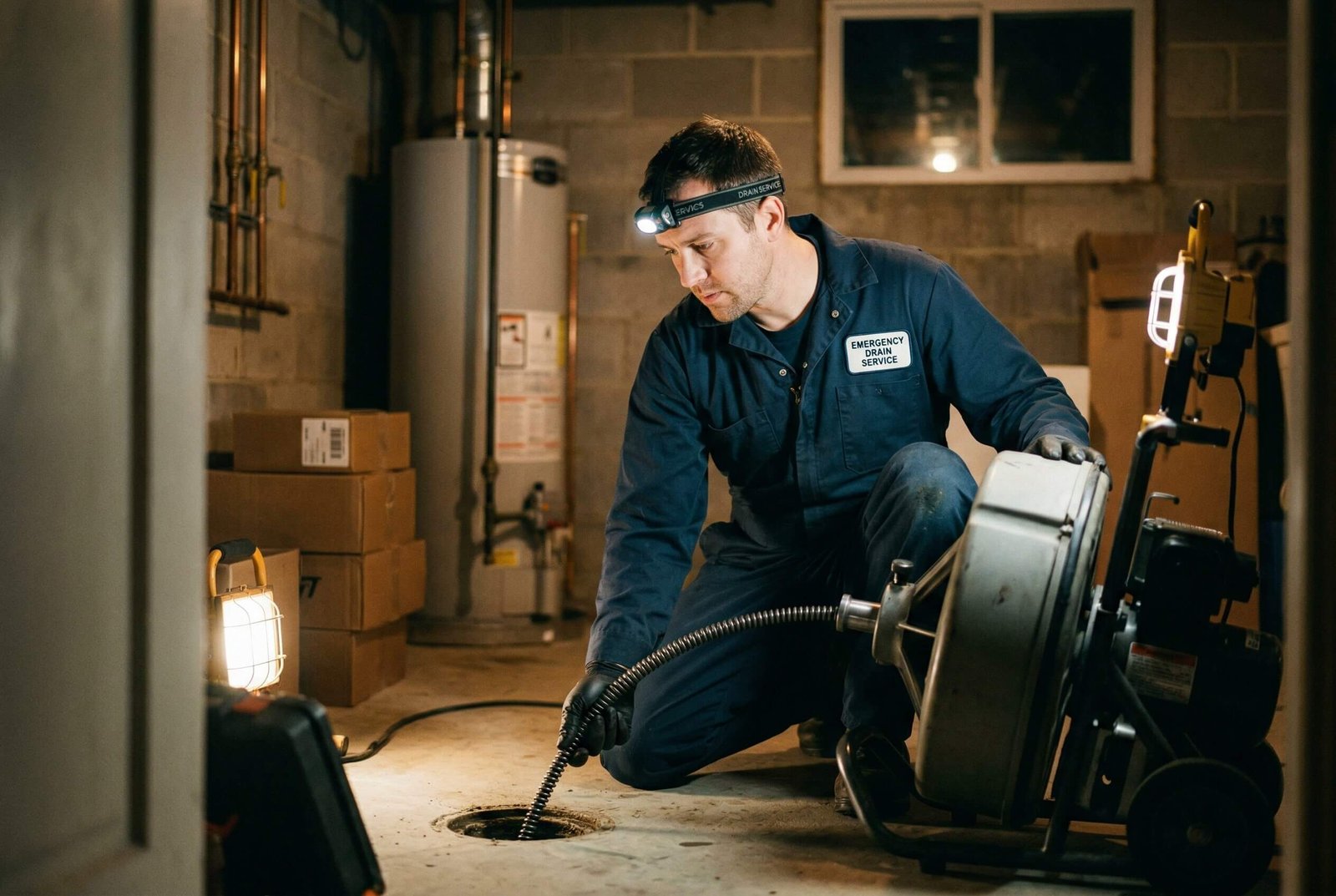
Knowing when to call a 24-hour drain cleaning service is less about urgency and more about recognizing the right moment to act. Many drain problems start small, and in some cases, they can wait. But others reach a point where waiting—even a few hours—can lead to water damage, contamination, and a much more complicated repair.
The challenge for most homeowners is not the lack of effort—it’s uncertainty. A drain might be slow, making noise, or even partially backing up, and it’s not always clear whether the situation is serious enough to require immediate help. This hesitation is what often allows a manageable problem to escalate into an emergency.
Drain systems don’t fail randomly. They show signs, build pressure, and eventually reach a tipping point. When that point is crossed, the situation changes from something you can monitor to something that needs immediate intervention. The difficulty is that this shift can happen quickly, especially when multiple fixtures are involved or when water begins to move in the wrong direction.
Calling a 24-hour drain cleaning service at the right time is not about overreacting—it’s about preventing damage before it starts or spreads. Acting too early might feel unnecessary, but acting too late often leads to higher costs and more disruption inside your home.
This guide will help you understand exactly where that line is. You’ll learn how to recognize the signs that require immediate action, how to distinguish between situations that can wait and those that cannot, and what to do in the moment before professional help arrives.
What This Page Covers
ToggleWhat Qualifies as a Drain Emergency That Needs Immediate Service
Not every drain problem requires calling a 24-hour service. Many issues start as routine clogs or slow drainage and can be handled during normal hours. The key is recognizing when the situation crosses the line from inconvenience to active risk—where waiting can lead to damage, contamination, or system-wide failure.
A true drain emergency is defined by behavior, not just blockage. It’s not about how clogged the pipe is—it’s about what the water is doing and how the system is reacting under pressure.
Difference Between Routine Drain Issues and Emergency Situations
A routine drain issue is usually contained to one fixture and develops gradually. Water drains slowly, but it still moves in the correct direction. There’s no overflow, no cross-reaction between fixtures, and no sign that the system is under stress.
An emergency, on the other hand, involves reversal or loss of control. Water stops draining and begins to rise, spread, or appear in places it shouldn’t. This is when the system is no longer functioning normally, and the risk increases quickly.
Situations That Require Immediate Attention
Certain conditions clearly indicate that the problem cannot wait and requires immediate professional help. These include:
- Water actively backing up into sinks, toilets, tubs, or floor drains
- Overflow that cannot be contained easily
- Sewage presence or strong, persistent odor
- Multiple fixtures reacting at the same time
- Water appearing in lower-level drains after using other fixtures
Each of these situations points to pressure inside the system that is not being relieved properly. Continuing to use water or delaying action at this stage almost always leads to escalation.
Real-World Perspective on Timing
In real homes, many emergency calls happen not because the problem started suddenly, but because it was allowed to develop. A slow drain that was ignored, a recurring clog that seemed manageable, or a minor backup that temporarily cleared—these are often the early stages of a larger issue.
On the other hand, homeowners who recognize the warning signs early and call for help at the right moment often prevent significant damage. The difference is not luck—it’s timing and awareness.
Understanding what qualifies as a true drain emergency gives you clarity. Once you can recognize these situations, the next step is identifying the specific warning signs that tell you it’s time to make that call without delay.
Clear Signs You Should Call a 24-Hour Drain Cleaning Service
Once a drain problem crosses into certain patterns, the decision becomes much simpler—you don’t wait. The system is no longer stable, and the risk of damage increases with every minute of delay. These signs are not subtle; they are clear indicators that the issue has moved beyond basic handling and requires immediate professional attention.
What matters here is not just what you see, but how the system is behaving as a whole. When drains start interacting, reversing flow, or showing signs of contamination, you are dealing with a true drain emergency.
Water Backing Up Into Fixtures
If water is rising instead of draining—whether in a sink, toilet, tub, or floor drain—that alone is enough reason to consider emergency service. This means the system is blocked to the point where water cannot exit normally.
Even if the water eventually drains back down, the fact that it reversed direction indicates pressure buildup. This is not a stable condition, and it can quickly return, often worse than before.
Multiple Drains Affected at Once
When more than one fixture is involved, the situation changes immediately. For example, flushing a toilet and seeing water move in a shower or sink is a clear sign that the problem is deeper in the system.
This type of cross-reaction shows that the blockage is not isolated. It’s affecting the shared drainage line, which means the entire system is under stress. At this point, waiting or attempting DIY fixes is unlikely to resolve the issue safely.
Sewage Smell or Visible Contamination
A strong sewer odor or dirty, discolored water is a serious warning sign. This indicates that wastewater is not being contained properly within the system and may be backing up into your home.
Even if the volume of water seems small, the presence of contamination increases the urgency. This is no longer just a plumbing issue—it becomes a health and sanitation concern.
Water Appearing in Unexpected Places
One of the most reliable indicators of a deeper problem is water showing up where it shouldn’t. This might include a basement drain filling when you use an upstairs fixture, or a shower reacting when a sink is running.
These patterns show that the system is redirecting water due to blockage, often toward the lowest point available. This is a clear sign that the main line may be involved and requires immediate attention.
Repeated Backups in a Short Time
If you’ve already experienced a backup and it returns soon after—even if it seemed resolved temporarily—that’s a strong signal that the underlying issue is still present.
Recurring backups often mean the blockage has only shifted or partially cleared. Each time the system is used, pressure builds again, increasing the chance of a larger overflow.
Why These Signs Should Not Be Ignored
Each of these situations represents a system that is no longer functioning normally. The longer you wait, the more pressure builds and the greater the risk of water spreading into areas that are harder to repair.
Calling a 24-hour drain cleaning service at this stage is not about reacting quickly—it’s about preventing the situation from getting worse. Recognizing these signs early allows you to act before damage becomes unavoidable.
The next step is just as important—understanding which situations can safely wait until normal service hours, so you don’t overreact when the problem is still manageable.
Situations That Can Wait Until Normal Service Hours
Not every drain issue requires calling a 24-hour service. In fact, knowing when it’s safe to wait is just as important as knowing when to act immediately. The key difference is stability. If the system is still functioning, the problem is contained, and there is no active risk of overflow or contamination, you may have time to address it during regular hours.
The goal here is not to ignore the problem—it’s to monitor it safely without allowing it to escalate.
Single Slow Drain Without Overflow
If one drain is slow but still clearing water, and there are no signs of water rising or reversing direction, the situation is usually not urgent. This is often caused by partial buildup close to the fixture, and while it should be addressed, it does not typically require immediate emergency service.
What matters is consistency. If the drain behaves the same way without getting worse, you can plan for a scheduled fix instead of reacting overnight.
Minor Clogs That Respond to Simple Fixes
If a clog clears with basic, controlled actions—such as light plunging or removing visible debris—and the drain returns to normal behavior, it’s usually safe to wait. The key is that the improvement is stable, not temporary.
If the drain continues to function normally after the fix, it suggests the blockage was local and has been resolved. However, if symptoms return quickly, that changes the situation and may require faster action.
No Signs of Pressure or System-Wide Impact
A contained issue will not affect other fixtures. If your sink is slow but your toilet, shower, and other drains are working normally—with no gurgling, no cross-reaction, and no water appearing in unexpected places—the system is not under widespread pressure.
This is one of the clearest signs that the problem is localized and can be handled without urgency.
How to Monitor Safely While Waiting
Even when you decide to wait, you should stay aware of how the system behaves. A stable situation can change if pressure builds or the blockage worsens.
While monitoring, pay attention to:
- Whether the drain becomes slower over time
- Any new sounds like gurgling
- Changes in water level behavior
- Any interaction with other fixtures
If any of these signs appear, the situation may be shifting toward an emergency and should be reassessed immediately.
Why Waiting Is Sometimes the Better Decision
Calling emergency service when it’s not needed can add unnecessary cost, especially if the problem is stable and manageable. On the other hand, ignoring a situation that is clearly escalating can lead to far greater expense.
The balance comes from understanding the system’s behavior. If everything is contained and predictable, waiting is reasonable. If anything starts to change or worsen, that’s your signal to act.
Now that you know when it’s safe to wait, the next step is understanding what to do immediately when you decide to call—or even before you make that call—to keep the situation under control.
Immediate Actions Before Calling Emergency Service
By the time you decide to call a 24-hour drain cleaning service, the situation has already reached a point where it cannot be ignored. What you do in the few minutes before the plumber arrives plays a major role in limiting damage and keeping the environment safe.
These actions are not about fixing the problem—they are about stabilizing the system and preventing further escalation while help is on the way.
Stop Water Usage Completely
The first and most critical step is to stop all water usage throughout the house. This includes sinks, toilets, showers, dishwashers, and washing machines. Even a small amount of water entering the system can increase pressure behind the blockage and restart the backup.
Make sure everyone in the home is aware of this. In many real situations, backups worsen simply because someone continues using water in another room. Stopping all flow gives the system a chance to remain stable until the issue is addressed properly.
Contain Any Overflow
If water is already present or has begun to spread, your focus should shift to containment. Use towels or barriers to limit how far the water can travel. Move nearby items away from the affected area, especially anything that can absorb water or be damaged easily.
Containment is especially important if the backup involves dirty or foul-smelling water. Keeping it isolated reduces both damage and exposure.
Identify Affected Areas
Take a moment to check which fixtures are involved. Look at nearby sinks, toilets, showers, and floor drains to see if the issue is isolated or affecting multiple areas.
This information is useful not only for your own understanding but also when speaking with the plumber. Being able to describe what you’re seeing—such as which fixtures are backing up or how the problem started—helps speed up diagnosis once they arrive.
Avoid Making the Problem Worse
In this stage, what you avoid doing is just as important as what you do. Do not run water to test the system, do not use chemical drain cleaners, and do not attempt aggressive mechanical fixes.
These actions often increase pressure, spread the backup, or complicate the repair process. Keeping the system stable is far more valuable than attempting a rushed fix.
Why These Steps Matter Before Help Arrives
Drain emergencies don’t pause while you wait for service. Without the right actions, the situation can continue to develop—even if slowly. By stopping water flow, containing the area, and avoiding risky actions, you prevent the problem from expanding.
This not only protects your home but also allows the plumber to work more efficiently once they arrive, since the situation remains controlled instead of worsening.
Once immediate actions are in place, the next important decision is understanding how to choose between emergency service and waiting for scheduled service in borderline situations.
How to Decide Between Emergency vs Scheduled Service
There are situations where the decision is not completely obvious. The drain may be acting up, but not fully overflowing. The system may feel unstable, but not completely out of control. This is where homeowners often hesitate—unsure whether to call a 24-hour drain cleaning service or wait until regular hours.
The decision comes down to one factor: risk. Not just what’s happening right now, but what is likely to happen if you wait.
Severity of the Backup
Start by looking at how the drain is behaving. If water is actively backing up, rising, or overflowing, the situation is already beyond safe waiting. This is a clear emergency, and delaying action increases the chance of damage.
If the drain is slow but still functioning, and there is no reversal of water, the situation may not be urgent. The difference is whether the system is still moving water away or starting to push it back.
Risk of Water Damage
Consider where the issue is happening and how much damage it could cause if it worsens. A minor clog in a controlled sink area carries less risk than a backup near flooring, carpets, or lower levels of the home.
If there is any chance that water could spread into areas that are difficult to clean or dry—such as under flooring or into walls—it’s safer to treat the situation as urgent.
Time of Day and Usage Needs
Timing plays a practical role. If the issue happens late at night and the system is stable, some homeowners choose to wait until morning. However, this is only safe if water usage can be completely avoided and the situation is not changing.
If the household cannot avoid using water—for example, in a busy home or during essential use—waiting increases the likelihood of the backup returning.
Stability of the Situation
This is one of the most important indicators. A stable situation means water is no longer rising, no new fixtures are affected, and the system is not showing signs of pressure.
An unstable situation shows the opposite—water levels changing, new drains reacting, or the backup returning after temporary relief. Unstable conditions should always be treated as urgent, even if the problem appears minor at first.
A Practical Way to Decide
You can think of the decision in simple terms:
- If the situation is active, spreading, or unpredictable → call immediately
- If the situation is contained, stable, and not worsening → monitor and schedule service
This approach removes guesswork and focuses on what actually matters—the behavior of the system.
Why This Decision Matters
Calling too early may cost more than necessary, but calling too late often leads to higher overall cost and damage. The goal is not to avoid calling—it’s to call at the right moment.
Once you decide to call, the next step is understanding what will happen when the 24-hour drain cleaning service arrives, so you know what to expect and how the process works.
What Happens When You Call a 24-Hour Drain Cleaning Service
Once you decide to call a 24-hour drain cleaning service, the process usually moves quickly. Emergency calls are treated with priority, but the goal is not just speed—it’s to understand the problem correctly and resolve it without causing further issues.
Knowing what happens during this process helps remove uncertainty and allows you to communicate clearly, which often leads to faster and more accurate service.
Initial Phone Assessment
The process begins with a short conversation where the plumber gathers key details. They will typically ask what you’re seeing, which fixtures are affected, whether water is backing up or overflowing, and if there is any sign of sewage.
These questions are not random—they help determine the severity of the situation and what type of equipment may be needed. A clear description from your side can save time once they arrive, because they already have a general idea of what they’re dealing with.
Arrival and Diagnosis
When the plumber arrives, the first step is confirming the situation on-site. They will observe the affected areas, check nearby fixtures, and look for patterns that indicate whether the issue is local or in the main line.
This stage is usually quick but important. An experienced plumber can often identify the general location of the blockage based on how the system is behaving. If needed, they may use additional tools to inspect the inside of the pipe for a more accurate diagnosis.
Emergency Clearing Methods
Once the problem is identified, the appropriate method is chosen based on the type and location of the blockage.
For localized clogs, a professional-grade drain snake is commonly used to break through or remove the obstruction. For heavier buildup or more stubborn blockages, more advanced methods may be used to clear the pipe more thoroughly.
If the issue is deeper in the system or not clearly visible, inspection tools may be used to locate the exact cause before proceeding. This ensures that the solution addresses the real problem rather than just the symptoms.
What to Expect During the Visit
The duration of the service depends on the complexity of the issue. Simple clogs can often be cleared relatively quickly, while main-line problems or recurring issues may take longer to diagnose and resolve properly.
During the process, the plumber may explain what they are finding and what actions they are taking. In some cases, they may also point out contributing factors or recommend follow-up steps to prevent the problem from returning.
Outcome and Next Steps
By the end of the visit, the goal is to restore normal flow and confirm that the system is stable. This usually involves testing the drains carefully to make sure water is moving correctly and that no other fixtures are affected.
If the issue has a deeper cause—such as buildup or structural concerns—you may be advised on additional steps. This is not always required, but it helps prevent repeat emergencies.
Understanding what happens during an emergency service call makes the process feel more predictable and less stressful. The next important step is recognizing why waiting too long to make that call can lead to bigger problems than the original issue itself.
Risks of Waiting Too Long to Call
One of the most common mistakes during a drain problem is waiting just a little longer to see if it improves. In some cases, that works—but when the system is already under pressure, delay is what allows the situation to escalate. What could have been a controlled issue often turns into a larger and more expensive problem simply because action was postponed.
The risk is not just that the blockage remains. It’s that conditions inside the system continue to worsen while you wait, often in ways that are not immediately visible.
Water Damage Escalation
When a drain is close to backing up, even a small increase in pressure can push water out into your home. What starts as a minor overflow can spread across flooring, reach baseboards, and seep into areas that are harder to dry.
The longer water is allowed to move and sit, the greater the chance it affects materials beyond the surface. Damage that begins in one small area can extend further than expected, especially if the backup returns repeatedly.
Sewage Contamination Spread
If the backup involves wastewater, the risk increases significantly. Contaminated water can spread across surfaces, come into contact with household items, and create sanitation concerns that go beyond simple cleanup.
Delaying action in these situations increases exposure and makes the cleanup process more complicated. What could have been contained early may require more extensive handling later.
Blockage Becoming Harder to Remove
Over time, blockages can compact or settle deeper into the pipe. What may have been partially movable at an earlier stage can become more difficult to clear as pressure builds and materials shift.
In some cases, repeated attempts to manage the issue without proper tools can make the blockage more stubborn. This often leads to more time being required during service and a more involved repair process.
Increased System Stress
When a drain system is under pressure, it affects more than just the immediate blockage. Continued use or delay can put additional strain on connected pipes and fixtures, increasing the chance of the problem spreading.
This is why a situation that begins with one fixture can evolve into multiple affected areas if not addressed at the right time.
Higher Overall Repair Costs
Waiting often leads to a combination of costs rather than just one. Instead of paying for a single service visit, homeowners may end up dealing with both plumbing work and damage repair.
Addressing the issue earlier—before it spreads or becomes more complex—usually results in a more straightforward and less expensive solution.
Why Timing Makes the Difference
Drain emergencies are not always about how severe the blockage is—they’re about how the system behaves over time. Acting at the right moment prevents the situation from reaching a point where multiple factors are involved.
Recognizing when waiting is no longer safe is what protects both your home and your budget.
Now that you understand the risks of delaying, the next step is looking at the cost side of emergency services and how to evaluate whether the expense is justified in your situation.
Cost of 24-Hour Drain Cleaning Services
When you call a 24-hour drain cleaning service, you’re not just paying for the fix—you’re paying for immediate response, availability, and priority handling. Understanding how these costs are structured helps you decide with confidence whether the situation justifies emergency service or can wait.
The key is to look at cost in context. It’s not only about what the service costs—it’s about what delaying might cost if the problem escalates.
Emergency Call Pricing
Emergency services typically include higher rates than standard appointments. This is because the plumber is responding outside normal working hours, often on short notice, and prioritizing your situation over scheduled work.
The difference in price reflects urgency and availability. While it may seem higher upfront, it also means the issue is addressed immediately rather than allowed to develop further.
Typical Cost Based on Severity
The total cost of a drain emergency depends largely on what the plumber needs to do once they arrive. A simple, localized clog that can be cleared quickly is usually on the lower end of the range.
More complex situations—especially those involving the main drain line—require deeper access and more time. These cases often involve specialized tools and additional steps to ensure the blockage is fully removed and the system is stable.
The more widespread the issue, the more involved the solution tends to be.
Why Emergency Service Costs More
Emergency services are designed to respond when time matters most. This includes availability during nights, weekends, and situations where immediate action is required to prevent damage.
The added cost reflects the ability to respond quickly and handle situations that cannot wait. It’s not just about fixing the problem—it’s about stopping it from becoming worse.
When the Cost Is Worth It
The decision to call emergency service becomes easier when you consider the potential consequences of waiting. If there is active backup, risk of overflow, or signs of contamination, the cost of immediate service is often far less than the cost of damage repair.
In contrast, if the situation is stable, contained, and not worsening, waiting for standard service may be a more cost-effective option.
Cost vs Risk: A Practical View
Instead of thinking only in terms of price, it helps to think in terms of risk:
- If the situation could worsen quickly → the cost of waiting is higher
- If the situation is stable and predictable → waiting may reduce cost
This approach helps you make a balanced decision without hesitation.
Understanding cost helps you decide when to act, but preparation helps you handle the situation more effectively. The next step is knowing how to prepare your space and information before the plumber arrives so the process is faster and smoother.
How to Prepare Before the Plumber Arrives
Once you’ve called a 24-hour drain cleaning service, the focus shifts from decision-making to preparation. The way you handle this short waiting period can make a noticeable difference in how quickly and effectively the problem gets resolved.
Preparation is not about fixing the issue—it’s about making the situation accessible, safe, and easy to diagnose so the plumber can act without delay.
Clearing Access to Affected Areas
Start by making sure the plumber can reach the problem areas easily. Remove items from around sinks, toilets, floor drains, or any space where water has backed up. If the issue is in a cabinet or under a sink, clear out stored items so there’s direct access.
In real situations, time is often lost moving things out of the way before work can even begin. A clear workspace allows the plumber to start diagnosis immediately instead of preparing the area first.
Documenting What Happened
Take a moment to recall and organize what you observed before and during the backup. Think about which fixture was used first, where the water appeared, and whether other drains were affected.
If possible, note the sequence of events. For example, whether the issue started in the kitchen and then affected the bathroom, or if it appeared suddenly in multiple places. This information helps the plumber identify patterns faster and narrow down the cause without unnecessary trial and error.
Keeping the Area Safe and Controlled
While waiting, continue to keep the area contained and safe. Make sure water is not spreading and that no one is using fixtures connected to the affected system.
If the backup involved dirty or foul-smelling water, limit access to the area and avoid unnecessary contact. Keeping the environment controlled not only protects your home but also ensures the plumber is working in a stable situation when they arrive.
Avoiding Last-Minute DIY Attempts
It’s common for homeowners to try one last fix while waiting, especially if the situation appears calm. This is often when things go wrong. Running water to test the system or attempting a quick fix can restart the backup and undo the control you’ve already established.
Once you’ve made the call, the best approach is to maintain stability and avoid any actions that could change the condition of the system.
Why Preparation Speeds Up the Process
When the plumber arrives to a clear, controlled, and well-explained situation, the entire process becomes more efficient. Less time is spent on setup and guesswork, and more time is spent resolving the issue.
This not only reduces stress but can also shorten the duration of the service itself.
With proper preparation, the emergency can be handled more smoothly. The next step is understanding how to reduce the chances of needing a 24-hour drain service in the future by recognizing patterns and maintaining your system proactively.
How to Reduce the Need for Emergency Drain Calls
Most emergency drain calls are not caused by sudden failures—they’re the result of small issues building up over time. The good news is that many of these situations can be avoided with simple awareness and consistent habits. You don’t need to constantly maintain your drains, but you do need to recognize when the system is starting to show signs of stress.
The goal is not perfection—it’s early response before pressure builds into a drain emergency.
Recognizing Early Warning Signs
Drain systems usually give signals before they fail. Slow drainage, occasional gurgling sounds, or water levels rising slightly before clearing are all early indicators that something is beginning to restrict flow.
These signs may seem minor at first, but they are often the earliest stage of a developing blockage. If you notice these patterns repeating—especially across multiple fixtures—it’s a signal to act before the situation escalates.
Responding at this stage is much easier and far less disruptive than dealing with a full backup later.
Maintaining High-Risk Drains
Certain drains in your home carry more risk than others. Kitchen sinks deal with grease and food particles, while basement or floor drains sit at the lowest point in the system and are often the first place where backups appear.
Paying attention to how these drains behave over time helps you catch problems early. If a high-risk drain begins to slow down or behave differently, it should not be ignored.
Even simple observation and occasional attention to these areas can prevent larger issues from developing.
Proper Drain Usage Habits
What goes into your drains has a direct impact on how often problems occur. Over time, materials that don’t break down easily can accumulate and restrict flow inside the pipes.
In kitchens, grease and food waste are common contributors. In bathrooms, hair and soap residue can combine to form blockages. Toilets are often misused by flushing items that are not designed to dissolve properly.
Keeping usage consistent with what your plumbing system is designed to handle reduces the chances of buildup forming in the first place.
Periodic Professional Inspection
If your home has a history of recurring issues or older plumbing, occasional professional inspection can help identify problems before they become emergencies. This is especially useful for main drain lines, where blockages are harder to detect without proper tools.
Inspection is not always necessary for every home, but in higher-risk situations, it can prevent unexpected backups and give you a clearer understanding of your system’s condition.
Why Prevention Is About Awareness
Preventing emergency drain situations doesn’t require constant effort or complex routines. It comes down to noticing changes, using your drains responsibly, and acting before small issues grow.
Most serious backups are preventable when early signs are taken seriously. By staying aware and responding at the right time, you reduce the need for urgent calls and keep your system functioning more reliably.
The final step is building a simple long-term approach so you’re prepared to handle any drain issue confidently, whether it’s minor or urgent.
Long-Term Strategy for Avoiding Emergency Situations
Avoiding emergency drain situations is not about constant attention—it’s about having a simple, reliable approach that you can follow over time. Homes that rarely experience urgent drain problems are not necessarily newer or better built; they are usually managed with awareness and timely action.
A long-term strategy gives you control. Instead of reacting when something goes wrong, you begin to recognize patterns, respond earlier, and prevent pressure from building in the system.
Building Awareness of Your Plumbing System
Every home has its own drainage behavior. Some systems show early signs through slow kitchen drainage, others through sounds in bathroom fixtures, and some through activity in lower-level drains.
Once you understand how your system typically behaves, it becomes easier to notice when something is off. These small changes are often the earliest warning signs of a developing issue. Treating them seriously allows you to act before they turn into emergencies.
Acting Early Instead of Waiting
One of the most effective strategies is simply acting sooner. When a drain begins to slow down or behave differently, addressing it early prevents the buildup from reaching a critical point.
Waiting is what allows pressure to build. Acting early keeps the system stable and avoids the need for urgent intervention later.
Keeping Emergency Supplies Ready
Even with good habits, unexpected issues can still occur. Having basic supplies ready—such as towels, gloves, a bucket, and a plunger—ensures that you can respond immediately.
Quick action in the first few minutes can limit damage significantly. Preparation is not about expecting problems—it’s about reducing the impact if they happen.
Reducing Repeat Issues Through Observation
If a similar problem occurs more than once, it should not be treated as a coincidence. Repeated slow drains, recurring clogs, or occasional backups are signs that the root cause has not been fully addressed.
Recognizing these patterns and taking them seriously helps prevent repeated emergencies. It also allows you to make more informed decisions about when to seek professional inspection.
Treating Small Signs as Early Warnings
Most drain emergencies begin as small, manageable issues. A slight odor, a slow drain, or occasional gurgling may not seem urgent, but these are often the first indicators of buildup or restriction.
Addressing these early signs does not require drastic action—it requires attention and timely response. This is one of the most effective ways to avoid emergency situations altogether.
Final Thoughts
Not every drain problem requires immediate action, but some cannot wait. The difference lies in how the system behaves—whether it is stable and contained or showing signs of pressure and reversal.
Calling a 24-hour drain cleaning service at the right time is not about reacting quickly—it’s about recognizing when waiting is no longer safe. Acting too late often leads to more damage, higher costs, and greater disruption.
The goal is not to handle every problem yourself. It is to understand what is happening, take the right initial steps, and make a clear decision about when to involve a professional.
When you stay aware of warning signs, respond early, and keep a simple plan in place, most drain issues can be managed before they turn into emergencies. And when they do reach that point, you’ll know exactly what to do—without hesitation or guesswork.